
The most effective exercises to improve bowel control strengthen the pelvic floor muscles that support the rectum and regulate bowel movements. Key exercises include Kegels, bridge exercises, squats, pelvic floor “elevator” exercises, and targeted abdominal massage techniques. When performed consistently—and often combined with pelvic physical therapy—these exercises can significantly reduce bowel leakage and improve digestive control.
Bowel control problems are more common than many men realize. Whether caused by aging, prostate surgery, chronic constipation, nerve damage, or pelvic floor weakness, fecal incontinence can affect confidence, social life, and overall quality of life. The good news: targeted exercises and physical therapy can help restore strength and control.
Understanding Why Bowel Control Problems Happen
Before exploring the best exercises to improve bowel control, it helps to understand the anatomy involved.
The pelvic floor muscles form a supportive hammock at the base of the pelvis. These muscles support the:
- Rectum
- Bladder
- Prostate (in men)
- Surrounding nerves and connective tissue
They also play a crucial role in maintaining continence, meaning they help keep stool and gas in the rectum until you’re ready to go.
When these muscles weaken or lose coordination, you may experience:
- Fecal leakage
- Difficulty holding gas
- Urgency to use the bathroom
- Incomplete bowel movements
According to the National Institute of Diabetes and Digestive and Kidney Diseases, bowel incontinence affects millions of adults and becomes more common with age or after certain surgeries.
For men specifically, common triggers include:
- Prostate surgery
- Chronic constipation
- Nerve damage
- Pelvic floor dysfunction
- Long-term straining during bowel movements
Fortunately, strengthening the pelvic floor can restore control in many cases.
Best Exercises to Improve Bowel Control
Below are clinically recommended exercises to improve bowel control that physical therapists often prescribe.
Consistency is key—performing these exercises daily can produce noticeable improvements within 6–12 weeks.
1. Kegel Exercises for Pelvic Floor Strength
Kegel exercises are the foundation of most pelvic floor rehabilitation programs.
They target the muscles responsible for closing the rectum and maintaining bowel control.
How to identify the correct muscles
Imagine trying to stop passing gas. The muscles you tighten are your pelvic floor muscles.
Step-by-step instructions
- Sit or lie comfortably.
- Tighten the muscles around the anus and rectum.
- Hold the contraction for 3–5 seconds.
- Relax for 5 seconds.
- Repeat 10–15 times per set.
Recommended routine
- 3 sets per day
- Gradually increase hold time to 10 seconds
Common mistakes to avoid
- Holding your breath
- Tightening the glutes or thighs
- Bearing down instead of lifting the pelvic floor
Many men benefit from guidance from a pelvic physical therapist to ensure proper technique.
2. The Pelvic Floor “Elevator” Exercise
The elevator exercise builds coordination and endurance, which are essential for preventing sudden leakage.
Instead of a simple contraction, this exercise trains the pelvic floor to tighten gradually—similar to an elevator moving between floors.
How to perform the elevator exercise
- Tighten your pelvic floor slightly (first floor).
- Tighten a bit more (second floor).
- Tighten to maximum contraction (third floor).
- Hold for 3–5 seconds.
- Slowly release in stages.
Repeat 10 times daily.
This improves the muscles’ ability to respond to pressure during activities like:
- Coughing
- Lifting
- Passing gas
- Bowel urgency
3. Squats for Natural Bowel Support

Squats strengthen the glutes, core, and pelvic floor, which work together to stabilize the pelvis.
They also mimic the natural position for bowel movements, helping relax the anorectal angle.

How to perform squats
- Stand with feet shoulder-width apart.
- Lower your hips as if sitting in a chair.
- Keep your chest upright.
- Push through your heels to stand back up.
Suggested routine
- 10–15 repetitions
- 2–3 sets daily
If you struggle with depth or mobility, assisted squats or wall squats can help.
Many pelvic therapists also recommend using a foot stool when using the toilet to mimic the squat position.
4. Bridge Exercise for Pelvic and Core Stability

Bridge exercises strengthen the posterior chain, including:
- Glutes
- Lower back
- Pelvic floor
These muscles support bowel control by stabilizing the pelvis and reducing strain during movement.

How to perform bridges
- Lie on your back with knees bent.
- Keep feet flat on the floor.
- Lift your hips until your body forms a straight line.
- Tighten your glutes and pelvic floor.
- Hold for 5 seconds.
Recommended routine
- 10 repetitions
- 2–3 sets daily
As you progress, you can try single-leg bridges for additional challenge.
5. Abdominal Massage to Stimulate Digestion
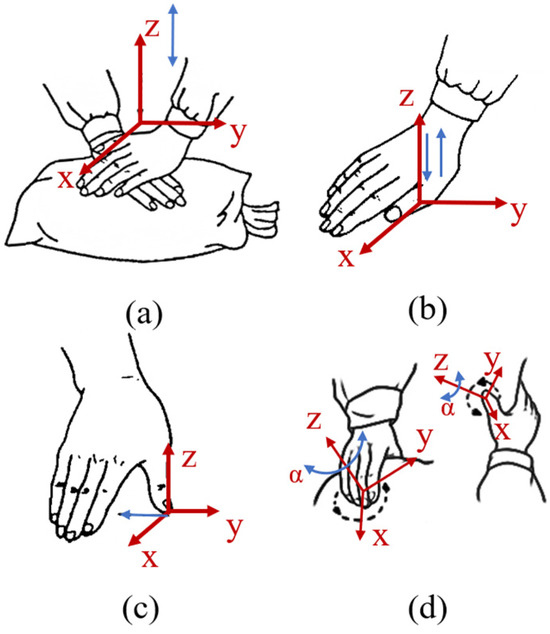
Unlike strengthening exercises, abdominal massage supports bowel movement regularity.
Physical therapists use this technique to stimulate the colon and digestive tract, especially in patients with constipation or slow motility.
Basic abdominal massage technique
- Lie comfortably on your back.
- Use gentle circular motions on the abdomen.
- Follow the path of the colon:
- Up the right side
- Across the upper abdomen
- Down the left side
Massage for 5–10 minutes daily.
Clinical research has shown abdominal massage may improve bowel frequency in people with constipation and bowel dysfunction.
Why Physical Therapy Is One of the Most Effective Solutions
While home exercises help, many men benefit from pelvic floor physical therapy.
Specialized therapists assess:
- Muscle strength
- Coordination
- Nerve function
- Bowel habits
- Breathing mechanics
Treatment may include:
Advanced therapy techniques
- Biofeedback training
- Manual therapy
- Electrical stimulation
- Personalized pelvic floor exercise programs
- Lifestyle coaching
According to the American Physical Therapy Association, pelvic physical therapy is one of the most effective conservative treatments for bowel incontinence.
Case example
Men recovering from prostate cancer surgery frequently experience pelvic floor weakness. Clinical studies show structured pelvic floor therapy programs can significantly improve continence outcomes.
Lifestyle Habits That Improve Bowel Control
Exercises work best when combined with healthy bowel habits.
Increase dietary fiber
Fiber adds bulk to stool and improves consistency.
Recommended intake:
- 25–38 grams daily
Good sources include:
- Oats
- Beans
- Berries
- Leafy greens
- Whole grains
Stay hydrated
Water softens stool and prevents constipation.
Aim for:
- 6–8 glasses daily
Avoid excessive straining
Straining weakens pelvic muscles over time.
Helpful strategies:
- Use a toilet foot stool
- Take your time
- Practice diaphragmatic breathing
Maintain regular exercise
Walking and moderate exercise stimulate digestion and improve circulation to pelvic tissues.
When to See a Specialist
You should consider a professional evaluation if you experience:
- Frequent bowel leakage
- Strong urgency
- Inability to hold gas
- Accidents during physical activity
- Symptoms after prostate surgery
Early intervention improves recovery and prevents long-term pelvic dysfunction.
How Pelvic Physical Therapy at Pelvis NYC Can Help
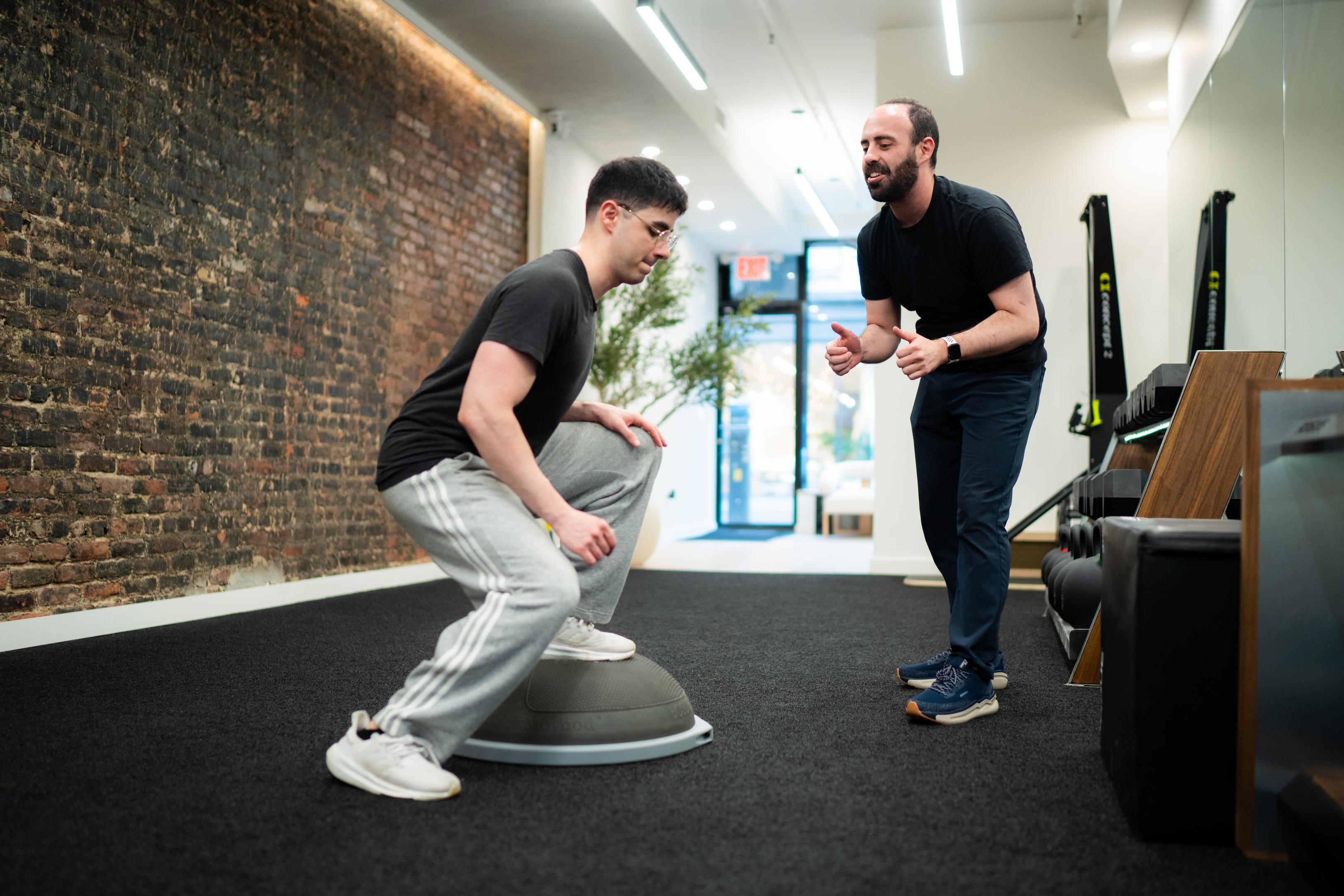
If you’re struggling with bowel control, working with a specialist can accelerate recovery.
At Pelvis NYC, therapists focus on evidence-based pelvic rehabilitation for men.
Their approach includes:
- Comprehensive pelvic floor assessments
- Personalized exercises to improve bowel control
- Biofeedback therapy
- Post-prostate surgery recovery programs
- Digestive and bowel habit coaching
Many patients see meaningful improvements in 6–8 weeks with consistent therapy.
👉 Take the first step toward better control. Visit Pelvis NYC to schedule a consultation and start a personalized pelvic health program.
Frequently Asked Questions
What are the best exercises to improve bowel control?
The most effective exercises include Kegels, pelvic floor elevator exercises, bridges, squats, and abdominal massage techniques. These strengthen the pelvic floor muscles that control bowel movements.
How long does it take for pelvic floor exercises to improve bowel control?
Most people notice improvements within 6–12 weeks of consistent daily exercise. Results may appear faster when guided by a pelvic floor physical therapist.
Can men benefit from pelvic floor therapy?
Yes. Men frequently benefit from pelvic floor therapy, especially after prostate surgery, chronic constipation, or nerve injury affecting bowel control.
Do Kegel exercises help with fecal incontinence?
Yes. Kegels strengthen the muscles that close the rectum, improving the ability to hold stool and gas.
When should I see a pelvic physical therapist?
You should seek professional care if bowel leakage occurs regularly, if symptoms interfere with daily life, or if problems begin after surgery or injury.
Final Takeaway
Bowel control problems are common—but they’re also highly treatable.
Practicing targeted exercises to improve bowel control can strengthen the pelvic floor, restore muscle coordination, and significantly reduce leakage. For the best results, combine these exercises with healthy bowel habits and guidance from a pelvic health specialist.
If symptoms persist, working with experts at Pelvis NYC can provide a structured recovery plan designed specifically for men.
Related Blog: How to Manage Bowel Issues: Tips and Strategies



No comment yet, add your voice below!