Exercise to Relax the Pelvic Floor: How Effective Techniques Can Reduce Pelvic Pain

Exercise to Relax the Pelvic Floor: How Effective Techniques Can Reduce Pelvic Pain

Quick Answer

Yes, the right exercise to relax the pelvic floor muscles can help reduce pelvic pain, bladder urgency, constipation, sexual dysfunction, and symptoms of an overactive pelvic floor. Unlike traditional Kegel exercises that focus on strengthening, relaxation exercises teach the pelvic floor to lengthen, release tension, and coordinate properly with breathing and movement.

For many people, tight pelvic floor muscles—not weak ones—are the root cause of symptoms. Working with a pelvic floor physical therapist can help identify the underlying issue and create a personalized treatment plan.


Why Relaxing Your Pelvic Floor Matters

When people hear about pelvic floor health, they often think about strengthening exercises.

However, many individuals suffering from pelvic pain, urinary urgency, painful intercourse, constipation, or chronic tension actually have the opposite problem:

Tight Pelvic Floor Muscles

A healthy pelvic floor should be able to:

  • Contract when needed
  • Relax completely
  • Lengthen during a bowel movement
  • Coordinate with breathing
  • Support sexual function

When the pelvic floor stays contracted for extended periods, symptoms can develop. Ongoing pelvic floor tension or pelvic floor muscle tension can make symptoms worse over time.

This condition is often called:

  • Hypertonic pelvic floor
  • Overactive pelvic floor
  • Non-relaxing pelvic floor dysfunction
  • Pelvic floor hypertonicity

According to research published by the National Institutes of Health (NIH), pelvic floor dysfunction can contribute significantly to chronic pelvic pain and urinary symptoms in both men and women.


What Are Pelvic Floor Muscles?

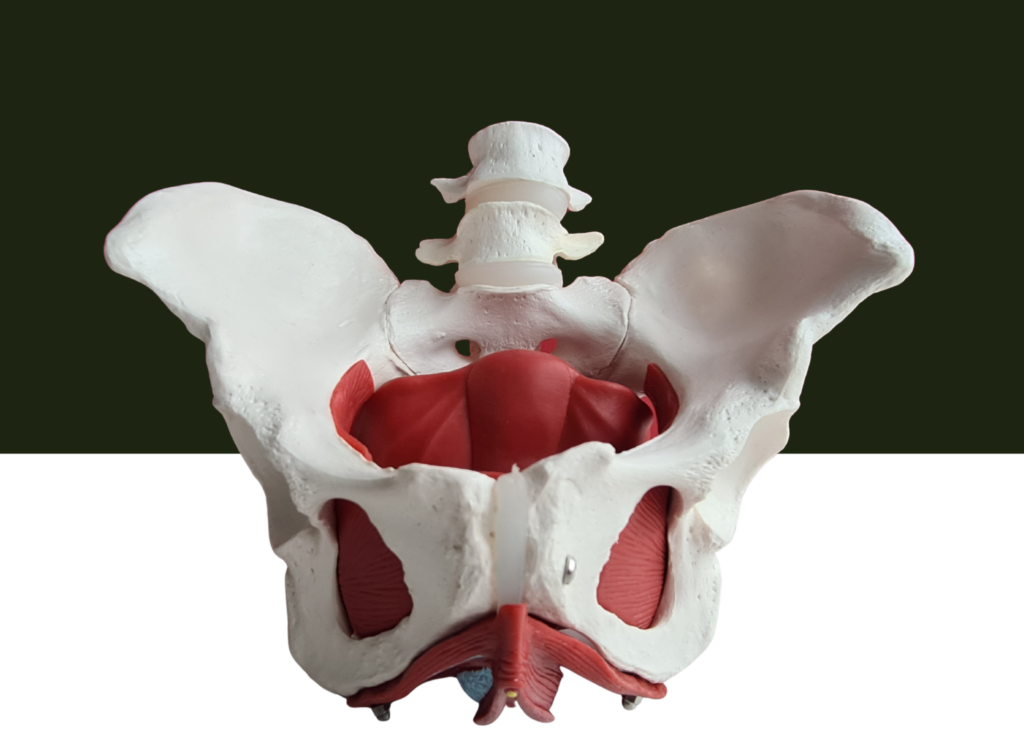
The pelvic floor muscles are a group of muscles located at the base of the pelvis.

They support:

  • Bladder
  • Rectum
  • Reproductive organs
  • Core stability
  • bowel control
  • Bowel function
  • Sexual function

Think of them as a muscular hammock stretching from the pubic bone to the tailbone.

When tight muscles develop in the pelvic floor and the muscles surrounding the pelvis, they can contribute to pain, pressure, and dysfunction throughout the pelvic region.


Signs You May Need to Relax Your Pelvic Floor

Many people mistakenly perform more Kegels when their pelvic floor is already too tight.

Common symptoms of pelvic floor tension or pelvic floor issues include the following:

Symptoms can also occur with a weak pelvic floor, so proper assessment matters before choosing pelvic floor exercises.

Urinary Symptoms

  • Bladder urgency
  • Frequent urination
  • Difficulty starting urination
  • Incomplete bladder emptying
  • urinary incontinence
  • overactive bladder

An estimated 25 million adults in the US have urinary incontinence.

Bowel Symptoms

  • Constipation
  • Straining or difficulty starting a bowel movement
  • Reduced bowel control
  • Painful bowel movements

Pain Symptoms

  • Pelvic pain
  • Tailbone pain
  • Hip pain
  • Lower back pain
  • Groin discomfort

Sexual Symptoms

  • Pain during sexual intercourse
  • Erectile dysfunction
  • Difficulty achieving orgasm
  • Reduced sexual function and overall sexual health

If these symptoms sound familiar, relaxation—not strengthening—may be the first step.

What Causes Tight Pelvic Floor Muscles?

Several factors can contribute to an overactive pelvic floor.

Physical Causes

  • Chronic constipation
  • Pelvic surgery
  • Childbirth
  • Athletic overtraining, where repetitive strain can leave the pelvic floor and nearby tense muscles
  • Repetitive heavy lifting

Emotional Causes

The pelvic floor is highly influenced by the nervous system.

Stress, chronic stress, anxiety, and trauma often trigger unconscious muscle clenching.

Many patients don’t realize they’re holding tension in their pelvic floor throughout the day. Fear and ongoing stress can make symptoms worse by reinforcing guarding.


The Connection Between the Nervous System and Pelvic Floor Health

One of the most overlooked aspects of pelvic health is the role of the nervous system.

When the body perceives stress or danger:

  • Muscles tighten
  • Breathing becomes shallow
  • Blood flow decreases
  • Pain sensitivity increases

Deep breathing helps calm the nervous system and soften tense muscles.

The pelvic floor often becomes part of this protective response.

Over time, the body can get stuck in a cycle:

Stress → Muscle Tightness → Pain → More Stress → More Tightness

This is why effective treatment often includes both physical exercises and nervous system regulation techniques. Creating a safe environment matters for pelvic floor relaxation exercises because the body relaxes more easily when it does not feel threatened.


Best Exercise to Relax the Pelvic Floor Muscles

Below are the most commonly recommended exercises by pelvic floor physical therapists.

1. Diaphragmatic Breathing

Why It Works

The diaphragm and pelvic floor work together.

When you inhale:

  • Diaphragm descends
  • Pelvic floor lengthens

When you exhale:

  • Diaphragm rises
  • Pelvic floor gently recoils

How To Do It

  1. Lie comfortably on your back with knees bent and feet flat.
  2. Place one hand on your chest.
  3. Place one hand on your stomach.
  4. Inhale slowly through your nose.
  5. Allow your belly to rise.
  6. Exhale slowly through your mouth, keeping your rib cage relaxed.

Practice:

  • 5–10 minutes daily

This is often the first exercise prescribed in pelvic floor physical therapy.

2. Happy Baby Pose

The Happy Baby stretch is excellent for opening the hips and inner thigh muscles while encouraging pelvic floor relaxation.

How To Perform

  1. Lie on your back.
  2. Bring knees toward your chest.
  3. Hold the outside edges of your feet.
  4. Gently pull knees toward the floor.

Hold for:

  • 30–60 seconds
  • Repeat 2–3 times

Benefits

  • Opens the pelvic outlet
  • Reduces tension, including in the butt muscles
  • Improves mobility by stretching the inner thighs and thigh muscles

3. Child’s Pose

Child’s Pose promotes deep relaxation throughout the pelvis, lower back, and the muscles surrounding the hips.

Hold for 30 to 60 seconds. This is one of the gentlest pelvic floor stretches for people with pelvic floor muscle tension.

Steps

  1. Kneel on the floor.
  2. Sit back toward your heels.
  3. Extend your arms forward.
  4. Relax your belly and hips.

Hold:

  • 1–2 minutes

Focus on slow breathing.


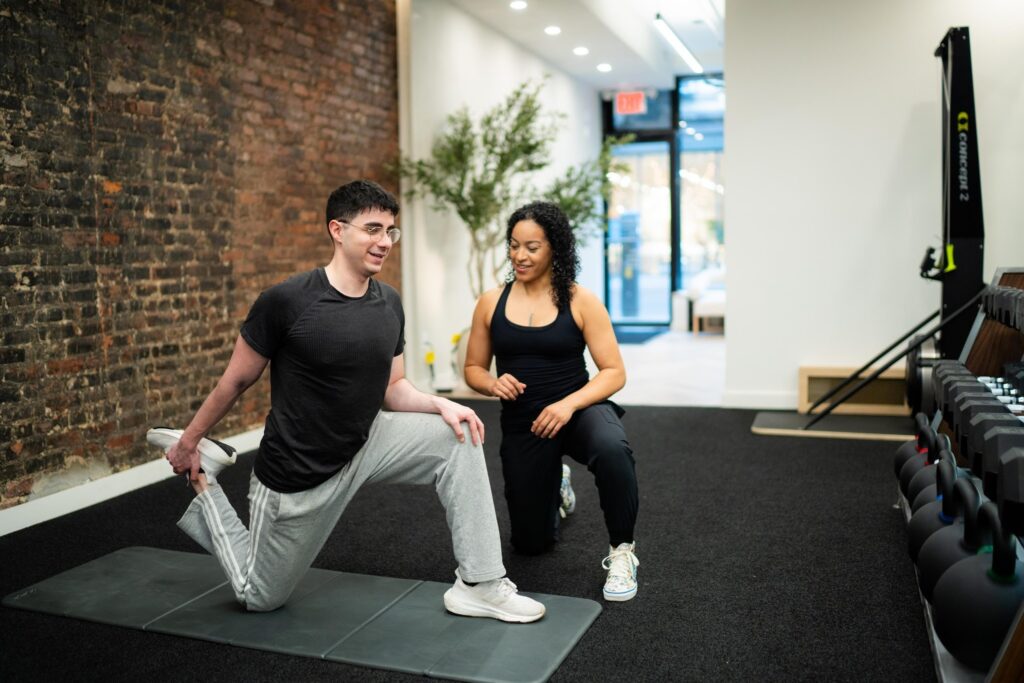
4. Pelvic Girdle Stretches

Pelvic girdle stretches are a type of pelvic floor stretches that help release tension around the hips and pelvis.

Examples include:

  • Figure-four stretch
  • Hip flexor stretch
  • Butterfly stretch
  • Adductor stretch

Tight hips often contribute to pelvic floor dysfunction, and improving flexibility in the muscles surrounding the pelvis can support better pelvic floor function.


5. Deep Squat Hold

A supported deep squat naturally lengthens the pelvic floor, hips, and inner thighs.

Hold for 30 seconds, using support under your heels or holding onto a stable surface if needed. Pair the position with practicing diaphragmatic breathing to improve relaxation.

How To Do It

  1. Hold onto a sturdy surface from the starting position, with feet flat.
  2. Lower into a comfortable squat.
  3. Keep heels on the floor.
  4. Breathe deeply.
  5. Keep your chest relaxed and use deep breathing rather than bracing.

Hold:

  • 20–60 seconds

Avoid forcing the position if it causes pain.


6. Pelvic Floor Drop Exercise

Unlike a Kegel, this exercise focuses on pelvic floor release rather than contraction, which can be especially helpful for people with pelvic floor hypertonicity or a hypertonic pelvic floor.

Technique

Imagine:

  • Releasing tension around the anus
  • Softening the perineum
  • Allowing the pelvic floor to gently expand

The goal is to soften tense muscles, not to push or bear down.

Many physical therapists call this a “reverse Kegel.”


Why Kegels Aren’t Always the Answer

One of the biggest misconceptions in pelvic health is that all pelvic floor exercises are right for every problem.

For people with:

  • Tight pelvic floor muscles
  • Pelvic pain
  • Bladder urgency
  • Painful intercourse

Kegels may help a weak pelvic floor but can aggravate pelvic floor tightness.

Additional strengthening may actually worsen symptoms.

Research increasingly supports individualized pelvic floor assessment before prescribing Kegels.

Related Blog: Kegel Exercises Using Ball: Do They Really Strengthen the Pelvic Floor?

How Physical Therapy Incorporates Exercise to Relax the Pelvic Floor

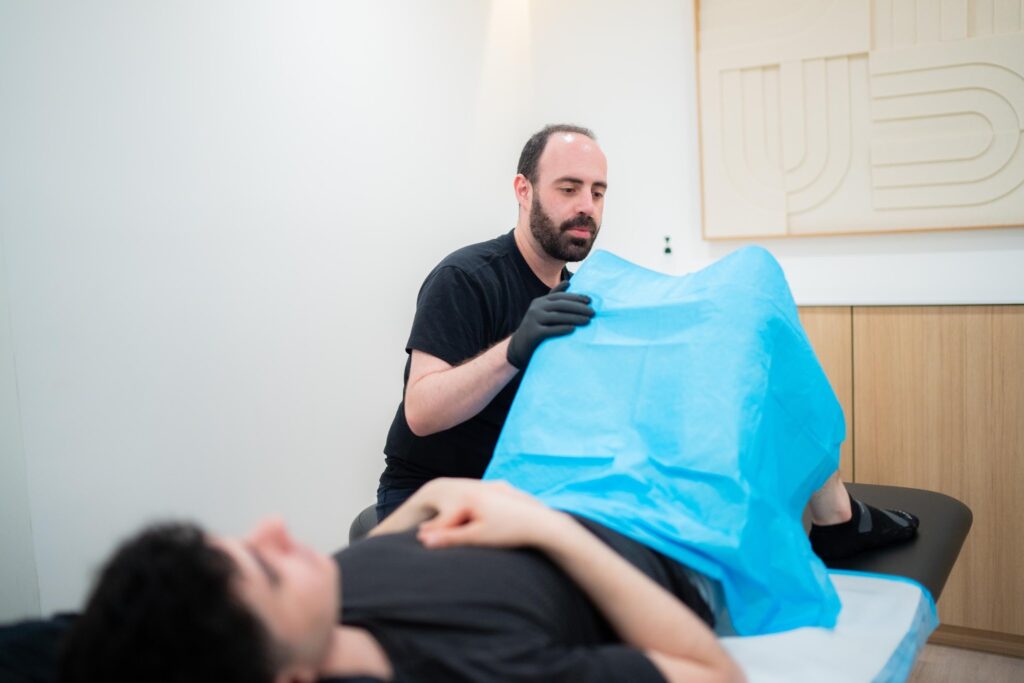
Pelvic floor physical therapy, or pelvic floor therapy, goes far beyond exercise alone.

It often includes exercise, manual work, and education for both tight and weak pelvic floor muscles.

A trained therapist evaluates:

  • Muscle tension
  • Breathing patterns
  • Posture
  • Movement habits
  • Nervous system regulation

Treatment may include:

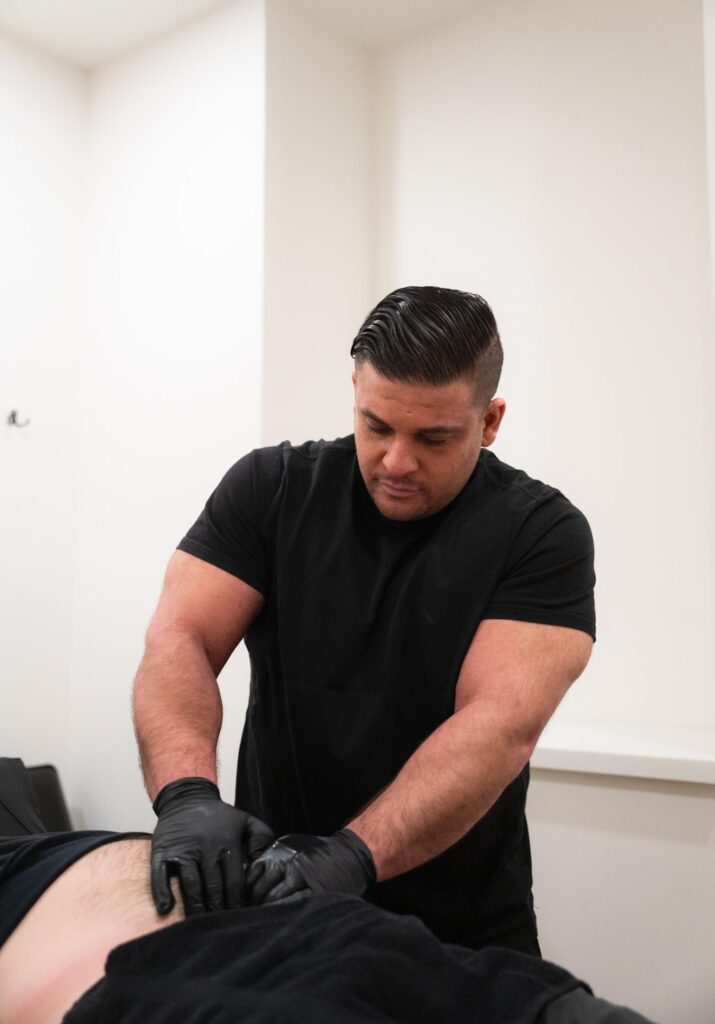
Manual Therapy

Hands-on techniques to release muscle tension.

Biofeedback

Helps patients learn how to relax muscles effectively.

Breathing Retraining

Improves coordination between the diaphragm and pelvic floor.

Exercise Prescription

Customized stretching and mobility programs.

Education

Understanding why symptoms occur often reduces fear and muscle guarding.


Real-World Example

A common patient at Pelvis NYC might arrive with:

  • Pelvic pain
  • Frequent urination
  • Pain during sex
  • Urinary incontinence
  • Years of frustration

Many have already tried:

  • Medications
  • Strengthening exercises
  • Multiple specialist visits

After evaluation, they often discover the issue is an overactive pelvic floor rather than weakness.

With targeted physical therapy, patients frequently report:

  • Reduced pain
  • Better bladder control and bowel control
  • Improved sexual function
  • Increased confidence

When Should You See a Pelvic Floor Physical Therapist?

Seek professional evaluation if you experience:

  • Pelvic pain lasting longer than a few weeks
  • Bladder urgency or frequency
  • Urinary incontinence
  • Painful intercourse
  • Erectile dysfunction
  • Chronic constipation
  • Other pelvic floor issues affecting bowel control or sexual health
  • Difficulty relaxing pelvic muscles

The earlier dysfunction is addressed, the easier it is to treat.


Why Pelvis NYC Specializes in Pelvic Floor Health

At Pelvis NYC, physical therapists specialize in treating a wide range of pelvic floor issues in both men and women, including urinary incontinence and pelvic floor tension.

Treatment focuses on:

  • Pelvic pain
  • Overactive pelvic floor
  • Bladder urgency
  • Sexual dysfunction and sexual health
  • Post-surgical rehabilitation
  • Chronic pelvic tension

Every treatment plan is individualized because no two pelvic floors are exactly alike. If you need help with exercise to relax the pelvic floor, don’t hesitate to reach out.

Ready to Start Feeling Better?

If you’re struggling with pelvic pain, tight pelvic floor muscles, bladder urgency, or sexual dysfunction, expert care can make a significant difference.

Pelvis NYC offers comprehensive pelvic floor physical therapy designed to help you relax your pelvic floor, reduce symptoms, and restore confidence.

Contact Pelvis NYC Today


Frequently Asked Questions

What is the best exercise to relax the pelvic floor muscles?

Diaphragmatic breathing is often considered the best starting exercise because it naturally coordinates pelvic floor relaxation with breathing, especially when practicing diaphragmatic breathing with a slow, deep breath.

Can tight pelvic floor muscles cause pelvic pain?

Yes. Tight pelvic floor muscles are a common cause of chronic pelvic pain, pressure, and discomfort, often driven by pelvic floor muscle tension.

Does a tight pelvic floor affect sexual function?

Absolutely. Tight pelvic floor muscles can contribute to pain during sexual intercourse, erectile dysfunction, and difficulty achieving orgasm, which can affect overall sexual health.

How long does it take to relax an overactive pelvic floor?

Many people notice improvements within several weeks, although chronic cases may require several months of consistent therapy.

Are Kegels helpful for a tight pelvic floor?

Not always. Kegels can worsen symptoms in people with pelvic floor hypertonicity, especially if the pelvic floor is already overactive or excessively tight.

Can physical therapy help pelvic floor dysfunction?

Yes. Pelvic floor therapy is considered one of the most effective conservative treatments for pelvic floor dysfunction and chronic pelvic pain because it can help relax tight muscles, retrain coordination, and support bladder and bowel control.

Kegel Exercises Using Ball: Do They Really Strengthen the Pelvic Floor?

Kegel Exercises Using Ball

Can Kegel Exercises Using a Ball Improve Pelvic Floor Strength?

Yes—kegel exercises using ball devices can help improve pelvic floor muscle awareness, strength, and coordination in some people. However, they are not appropriate for everyone. If you have pelvic pain, pelvic floor dysfunction, bladder urgency, or overly tight pelvic floor muscles, using kegel balls or kegel weights without professional guidance may actually worsen symptoms.

The key is understanding whether your pelvic floor needs strengthening, relaxation, or a combination of both.

This guide explains how Kegel balls work, who may benefit from them, common mistakes to avoid, and why pelvic floor physical therapy is often the most effective way to improve bladder control, sexual function, and pelvic health.

Related blog: Signs of Overdoing Kegels: How Too Much Pelvic Floor Exercise Can Backfire


What Are Kegel Exercises Using Ball Devices?

Kegel exercises using ball devices involve placing a weighted ball or set of balls inside the vagina to provide resistance during pelvic floor contractions.

These devices are commonly called:

  • Kegel balls
  • Ben Wa balls
  • Ben Wa weights
  • Pelvic floor weights
  • Kegel weights
  • Vaginal weights

The goal is simple:

When the ball is inserted, the pelvic floor muscles contract naturally to keep it in place. This creates resistance that may help strengthen the muscles over time.

Think of it like adding weight to a traditional strength-training exercise.


What Is the Pelvic Floor?

The pelvic floor is a group of muscles, ligaments, and connective tissues that support the:

  • Bladder
  • Bowel
  • Reproductive organs

These muscles help control:

  • Urination
  • Bowel movements
  • Sexual function
  • Core stability
  • Pelvic organ support

A healthy pelvic floor contracts when needed and relaxes when appropriate.

Problems occur when the muscles become:

  • Too weak
  • Too tight
  • Poorly coordinated

This is known as pelvic floor dysfunction.


What Are Kegel Exercises?

Kegel exercises are voluntary contractions of the pelvic floor muscles.

Gynecologist Dr. Arnold Kegel originally introduced them in the 1940s to help improve urinary incontinence and pelvic support.

A basic Kegel involves:

  1. Tightening the muscles used to stop urine flow.
  2. Holding the contraction for several seconds.
  3. Relaxing completely.
  4. Repeating multiple times.

When performed correctly, kegel exercises can improve:

  • Bladder control
  • Stress urinary incontinence
  • Pelvic organ support
  • Sexual function

However, they are not always the right solution for every pelvic floor problem.


How Do Kegel Balls Work?

The Science Behind Kegel Balls

Kegel balls create gentle resistance that encourages the pelvic floor muscles to activate.

When inserted:

  • The muscles contract reflexively.
  • The body becomes more aware of pelvic floor activation.
  • Muscle endurance may improve over time.

Some modern kegel weights come in progressive resistance levels, allowing users to increase difficulty gradually.

This principle is similar to resistance training for other muscle groups.


Kegel Balls vs. Ben Wa Balls: Is There a Difference?

Many people use the terms interchangeably, but there are slight differences.

DevicePurpose
Kegel BallsDesigned primarily for pelvic floor strengthening
Ben Wa BallsTraditionally used for pelvic floor awareness and sexual wellness
Kegel WeightsSpecifically designed for progressive strengthening

Today’s products often combine features from all three categories.


Who May Benefit from Kegel Exercises Using Ball Devices?

Kegel balls may be helpful for individuals experiencing:

Mild Bladder Control Problems

Some studies suggest pelvic floor strengthening can reduce symptoms of:


Postpartum Pelvic Floor Weakness

Women recovering from pregnancy and childbirth often experience weakened pelvic floor muscles.

Under professional guidance, kegel weights may support recovery.


Reduced Pelvic Floor Awareness

Some individuals struggle to identify or activate their pelvic floor muscles correctly.

The sensory feedback from Kegel balls can improve muscle awareness.


Sexual Wellness Goals

Research suggests stronger pelvic floor muscles may contribute to:

  • Improved sexual sensation
  • Better orgasmic response
  • Increased pelvic circulation

When Kegel Balls May Not Be Appropriate

This is where many online articles get it wrong.

Not everyone needs stronger pelvic floor muscles.

In fact, many patients seen in pelvic floor physical therapy clinics have muscles that are already too tight.

Kegels can sometimes worsen symptoms.


Signs You Should Avoid Kegel Balls Until Evaluated

You may need professional assessment if you experience:

  • Chronic pelvic pain
  • Pain during intercourse
  • Tailbone pain
  • Bladder urgency
  • Difficulty emptying the bladder
  • Constipation
  • Pelvic muscle spasms

These symptoms often indicate overactive or hypertonic pelvic floor muscles.

Adding more contractions may increase tension.


Pelvic Floor Dysfunction: Why Strength Isn’t Always the Answer

Pelvic floor dysfunction is one of the most misunderstood conditions in healthcare.

Many people assume:

“My pelvic floor feels weak, so I need Kegels.”

But symptoms often result from poor coordination rather than weakness.

Examples include:

  • Tight muscles that cannot relax
  • Muscles that contract at the wrong time
  • Poor breathing mechanics
  • Nervous system dysregulation

This is why evaluation by a pelvic floor physical therapist is often recommended before starting weighted pelvic floor exercises.


What About Bladder Urgency?

Bladder urgency is the sudden, intense need to urinate.

Many people assume urgency is caused by weakness.

In reality, urgency can result from:

  • Pelvic floor tension
  • Overactive bladder
  • Nerve sensitivity
  • Behavioral habits
  • Stress responses

For these individuals, relaxation techniques often work better than Kegel strengthening.


How to Perform Kegel Exercises Using a Ball Safely

Step 1: Start with the Lightest Weight

Choose a beginner-friendly option.

Avoid starting with heavy Kegel weights.


Step 2: Insert Comfortably

Follow manufacturer instructions.

The ball should feel secure but not painful.


Step 3: Engage Gently

Contract the pelvic floor muscles as though:

  • Stopping urine flow
  • Preventing gas from escaping

Avoid squeezing the buttocks or holding your breath.


Step 4: Hold and Relax

Try:

  • Hold 3–5 seconds
  • Relax completely
  • Repeat 10 times

Full relaxation is just as important as contraction.


Common Mistakes with Kegel Balls

Many people accidentally:

❌ Hold their breath

❌ Tighten their glutes

❌ Overtrain

❌ Ignore pain

❌ Assume more squeezing equals better results

The goal is coordination—not constant contraction.


Kegel Balls vs. Electrical Stimulation

Some pelvic floor rehabilitation programs use electrical stimulation instead of weighted devices.

Electrical Stimulation Works By:

  • Activating weak muscles
  • Improving neuromuscular awareness
  • Enhancing muscle recruitment

It is often used when patients cannot perform Kegel exercises effectively on their own.

A pelvic floor specialist can determine which approach is most appropriate.


Why Physical Therapy Is Often More Effective Than Kegel Balls Alone

Kegel balls are tools.

They are not a diagnosis.

They are not a treatment plan.

Pelvic floor physical therapy addresses:

Muscle Strength

Determining whether muscles are weak.

Muscle Tension

Identifying overactive muscles.

Breathing Mechanics

Improving pressure management throughout the core.

Bladder Habits

Addressing urgency and frequency triggers.

Nervous System Regulation

Reducing chronic guarding patterns.

Research published by organizations such as the National Institutes of Health (NIH) and the American Physical Therapy Association supports pelvic floor rehabilitation as a first-line treatment for many pelvic floor disorders.


Real Patient Example

A common scenario involves someone experiencing bladder urgency and pelvic pressure.

They begin doing daily Kegels after reading online advice.

Months later, symptoms worsen.

Why?

The underlying problem wasn’t weakness—it was excessive pelvic floor tension.

After evaluation by a pelvic floor physical therapist, treatment focused on:

  • Muscle relaxation
  • Breathing exercises
  • Manual therapy
  • Bladder retraining

Symptoms improved significantly.

This illustrates why proper assessment matters.


When Should You See a Pelvic Floor Physical Therapist?

Consider seeking professional help if you have:

  • Persistent bladder urgency
  • Urinary leakage
  • Pelvic pain
  • Sexual dysfunction
  • Constipation
  • Pain with sitting
  • Difficulty relaxing the pelvic floor

A customized treatment plan is often more effective than self-directed exercises.


Why Pelvis NYC Takes a Different Approach

At Pelvis NYC, pelvic floor therapy goes beyond simply prescribing Kegel exercises.

Our specialists evaluate:

  • Muscle strength
  • Muscle tension
  • Movement patterns
  • Breathing mechanics
  • Bladder and bowel habits
  • Sexual health concerns

This comprehensive approach helps identify the true cause of symptoms and develop a personalized treatment plan.

Whether you’re experiencing bladder control issues, pelvic pain, sexual dysfunction, or pelvic floor dysfunction, our team can help you find long-term solutions.

Ready to Improve Your Pelvic Floor Health?

If you’re wondering whether Kegel exercises using ball devices are right for you, start with a professional evaluation.

Pelvis NYC specializes in evidence-based pelvic floor physical therapy for women and men.

Contact Pelvis NYC

Website: www.pelvis.nyc

Phone: (929) 590-3445

Email: drpelvis@pelvis.nyc

Schedule an evaluation and discover the best treatment approach for your unique needs.


Frequently Asked Questions

Do kegel balls actually work?

Yes, kegel balls can improve pelvic floor awareness and strength for some individuals. However, they are not appropriate for every pelvic floor condition.


Are Ben Wa balls the same as kegel balls?

They are similar but were originally developed for different purposes. Modern products often combine features of both.


Can kegel balls help bladder control?

They may help certain types of urinary incontinence, especially stress incontinence caused by pelvic floor weakness.


Can Kegel exercises worsen pelvic floor dysfunction?

Yes. If the pelvic floor muscles are already tight or overactive, excessive Kegels may worsen symptoms.


What is the difference between Kegel weights and electrical stimulation?

Kegel weights provide resistance training, while electrical stimulation uses gentle impulses to activate muscles and improve coordination.


Should men use Kegel exercises using ball devices?

Kegel balls are designed for vaginal use and are generally not used by men. However, men can benefit from pelvic floor physical therapy and pelvic floor muscle training when appropriate.

Male Pelvic Floor Healing: A Successful Conversation in Finding Relief

Male Pelvic Floor Healing: A Successful Conversation in Finding Relief

Pelvic floor dysfunction is often framed as a women’s health issue—but as Dr. Adam Gvili has long emphasized, men are affected too— but there’s pelvic floor healing in male. And more often than not, they’re navigating it alone.

Male pelvic pain and pelvic floor issues are common but frequently overlooked. Symptoms of pelvic floor dysfunction in men can include urinary frequency, urgency, pelvic pain, and erectile dysfunction, as well as other urinary, sexual, and pain-related problems. Studies show that men wait an average of 4.2 years to seek help for pelvic floor dysfunction, but 70 to 80 percent see success in treating symptoms within just four to seven sessions of physical therapy.

In a candid conversation at Pelvis NYC, Adam sat down with Daniel Ross Noble, a former patient, to unpack what it really looks like to live with—and eventually recover from—chronic pelvic floor dysfunction. What emerged wasn’t just a patient story, but a clear reflection of Adam’s treatment philosophy: individualized care, emotional awareness, and removing the fear that surrounds men’s pelvic health.

00:00 Introduction to Daniel

male pelvic floor healing

Daniel Ross Noble: Yeah, thanks, Adam. I appreciate you having me on. My name’s Daniel. I’m 39. I just moved to New York City about a year ago. I’ve been in Los Angeles the last 15 years working in entertainment. I’m originally from the San Francisco Bay Area, worked in TV and film, and now I’m in the nonprofit sector.
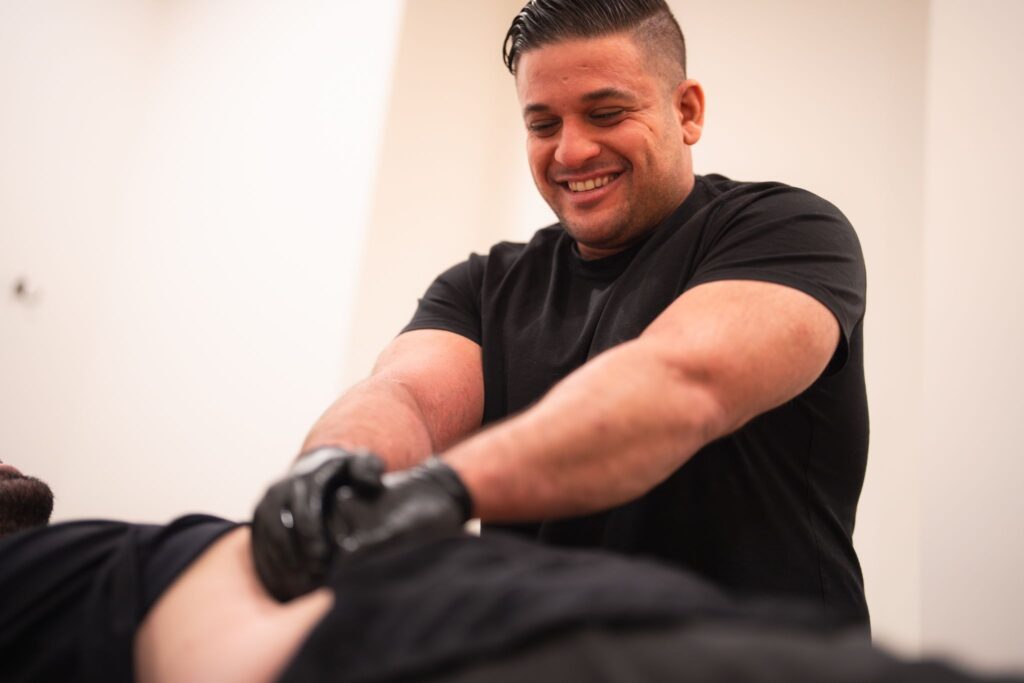
Adam: Today, we’ve got Daniel joining us. He spent a few months with us at Pelvis NYC getting an inside look at how we approach pelvic health and pelvic floor therapy for male patients—especially complex cases like pelvic pain, urinary issues, and sexual dysfunction.

01:18 What Brought Daniel to Pelvic Floor Therapy

Daniel: I actually found you through a Business Insider article. I was reading it for my dad because he has prostate cancer and deals with frequent urination.

Urinary frequency and urinary incontinence are common symptoms of pelvic floor dysfunction in men. Urinary incontinence, which is the involuntary leakage of urine, can be caused by weak pelvic floor muscles, prostate surgery, or other factors. But as I kept reading, I realized a lot of the symptoms sounded like me.

At 18, I went through sexual assault. I had fissures, hemorrhoids, and didn’t really understand penetrative sex. I was using substances to numb the pain. Eventually, I had surgery, but I still had discomfort. Sex was stressful for me, and I thought something was wrong with my body.

So I booked a consultation—and it’s really changed my life.


04:04 Surgical Experience and Complications

Adam: What was your experience like with the surgery and post-op care?

Daniel: I didn’t have the best experience. I went to a well-known practice in Los Angeles, but the post-op care was pretty bad. I didn’t have a bowel movement for seven or eight days, which caused a fistula. Pelvic floor dysfunction can contribute to bowel issues, including difficulty with bowel movements and even problems like fecal incontinence or constipation. Managing bowel health through proper hydration and avoiding straining is important to prevent pelvic muscle irritation and support recovery.

They didn’t initially diagnose it correctly and kept cauterizing the wound. It was extremely painful. I developed hematomas, one of which burst, and eventually needed another surgery—a fistulotomy.

The whole process was traumatizing. Everything about treatment in that area became something my body wanted to reject.

07:31 Life After Surgery and Ongoing Pain

Adam: What was that year after surgery like?

Daniel: I felt really isolated. I was basically in a diaper for six months at one point.

I started talking about it more, and surprisingly, a lot of people—especially in the queer community—shared that they had similar symptoms. But no one really knew what to do.

Doctors told me I might not be able to have penetrative sex again because of the scarring. That created a lot of fear. Every sexual encounter came with anxiety, like I was broken.

Pelvic floor dysfunction can seriously impact sexual health, including causing erectile dysfunction. Studies show that men with pelvic pain have increased rates of erectile dysfunction, often due to pelvic floor muscle tension and dysfunction.

10:40 Discovering Pelvic Floor Therapy

Adam: Was pelvic floor therapy ever suggested to you before?

Daniel: No, never. I only learned about it from that article.

That’s when I found out pelvic floor physical therapy is actually a specialized form of physical therapy provided by a pelvic floor physical therapist. Pelvic floor therapy, also known as pelvic rehabilitation, helps men improve the strength and control of their pelvic floor muscles, which can benefit conditions like incontinence and erectile dysfunction.

Even friends who knew about pelvic floor therapy mostly associated it with women after childbirth. I tried other things like sex coaching, thinking maybe it was psychological—but nothing really worked.

And hearing “just relax” all the time—it’s stressful. If I could relax, I would.


12:47 Understanding the Condition

Adam: Based on your symptoms, you had a hypertonic pelvic floor. Your body learned to tighten as a response to trauma and stayed that way.

Pelvic floor tension and pelvic floor muscle dysfunction are common causes of pelvic floor pain and chronic pelvic pain in men. Chronic pelvic pain can affect the groin, genitals, rectum, and lower back, often resulting from muscle dysfunction, nerve injury, or conditions like pudendal neuralgia.

Daniel: Yeah, and I didn’t believe you at first. I had been dealing with it for so long.

But after about three months, I started seeing results. My body was able to open up naturally. That was really empowering.


14:30 Progress and Long-Term Results

Adam: Have you regressed at all since finishing therapy?

Daniel: No, and I thought I would.

It’s also mental—I still have those thoughts sometimes that something is wrong with me. But now I can challenge that. I can tell myself that’s an old narrative.


16:25 Differences in Treatment Approach

Adam: How did our approach differ from other providers?

Daniel: It was holistic.

You weren’t just treating the symptoms—you were understanding what I was going through mentally and emotionally. It felt safe.

Other providers didn’t even consider that I was a queer person having sex. That wasn’t part of the conversation. Here, it was.


20:41 Queer-Friendly Care and Safety

Adam: Did you bring that up with other doctors?

Daniel: Yeah, and I still felt dismissed.

At Pelvis NYC, it’s different. It feels inclusive and aware. That creates a safe space, which makes a huge difference.


21:58 Addressing the Male-to-Male Treatment Dynamic

Adam: What’s it like being treated by a straight male therapist?

Daniel: It’s actually great.

There’s no pressure. It’s not sexual. My body can just relax. A lot of my trauma is tied to sexual experiences, so being in a non-sexual environment helps me feel safe.


23:19 Trauma-Informed Care

Adam: We focus on trauma-informed care. Everything is individualized—how we talk to you, how we treat you, and how we guide your body to feel safe again.


25:38 Physical and Emotional Impact

Daniel: Every session, I leave feeling so relaxed.

Not in a sexual way—just physically released. My muscles finally relax, and it affects the rest of my day. Even my friends notice it.

Manual therapy techniques used in pelvic floor rehabilitation, such as myofascial release and trigger point therapy for muscle tension, help relieve pain, alleviate pain, reduce pain, and relieve tension in the pelvic muscles.

26:35 The Bigger Picture for Men’s Health

Adam: More men should be doing pelvic floor therapy.

Daniel: I agree. So many people would benefit from this. I even think about my dad and how this could help him.

A personalized treatment plan and specialized treatment techniques are essential for effective male pelvic floor healing, as they address each individual’s unique needs. The approach depends on whether the goal is to strengthen weak pelvic floor muscles or relax overactive muscles, ensuring the rehabilitation is tailored for the best results.

27:35 Understanding Without Fear

Daniel: When you told me I had a hypertonic pelvic floor, it didn’t feel scary.

Adam: That’s the goal. We’re not here to pathologize—we’re here to help you understand without adding fear.


28:12 Final Thoughts

Daniel: This changed my life.

When you’re dealing with something like this alone for so long, finding a solution is huge. It’s not just physical—it’s releasing shame and changing the narrative in your head.

I recommend this to everyone now.

Adam: Thank you for trusting us. I hope we don’t have to see you again—in that capacity.

Daniel: Same—but I’ll definitely come back to say hi.

Why This Conversation Matters for Men

Daniel’s story reinforces what Adam has been advocating for years:

  • Men experience pelvic floor dysfunction more than we acknowledge, often due to weak muscles or poor muscle coordination.
  • Many are misdiagnosed or never referred to proper care, missing out on the benefits of pelvic floor muscle training and therapy for male pelvic floor muscles.
  • Emotional and psychological factors are deeply connected to physical symptoms, especially in cases of chronic pain related to pelvic floor muscles.
  • Recovery requires more than just exercises—it requires understanding, but exercise is the cornerstone of pelvic floor rehabilitation, with condition-specific techniques like Kegel exercises and pelvic floor muscle training improving muscle control, pelvic floor strength, and muscle coordination.
  • Pelvic floor muscle training, including Kegel exercises, can enhance sexual performance and pleasure by improving muscle strength and control, and most men notice improvements in bladder control or sexual function within 4 to 12 weeks of consistent pelvic floor exercises.
  • A healthy pelvic floor is essential for coordination of urination, defecation, and sexual function.

And perhaps most importantly:

Men need spaces where they can talk about this openly.

Final Thoughts

This conversation wasn’t just about one patient’s recovery—it was about redefining how male pelvic floor health and pelvic floor muscle training are approached for men.

From Adam’s perspective as both a practitioner and former patient, to Daniel’s experience navigating years of pain, one thing is clear: improving pelvic health involves both targeted exercises like Kegels and adopting healthy lifestyle habits.

Healing happens when fear is replaced with understanding.

And for many men, that journey is just beginning.

Take the First Step Toward Recovery

If you’re experiencing symptoms of pelvic floor dysfunction—such as pelvic pain, discomfort, urinary issues, or challenges with sexual function—recognizing these symptoms is crucial for effective male pelvic floor healing. You’re not alone, and you don’t have to navigate it by yourself.

male pelvic floor healing

Pelvis NYC, founded by Dr. Adam Gvili, specializes in helping men overcome pelvic floor dysfunction through personalized, trauma-informed care. Pelvic floor therapy can help men manage conditions related to pelvic floor dysfunction, including urinary incontinence, chronic pelvic pain, and sexual dysfunction, by improving muscle coordination and control.

Whether you’ve been dealing with symptoms for months or years, getting the right support can make all the difference. Reach out, ask questions, and take that first step toward understanding your body again.

“I Thought I Was Broken”: How One Man Overcame Years of Chronic Pelvic Pain and Surgical Trauma

“I Thought I Was Broken”: How One Man Overcame Years of Chronic Pelvic Pain and Surgical Trauma

To recover from chronic male pelvic pain, you must address the physical tension of the muscles and the protective “fight-or-flight” response of the nervous system. For many men, including Daniel, traditional surgery fails because it treats structural issues without retraining the hypertonic pelvic floor to relax. True healing occurs through specialized pelvic floor physical therapy that integrates nervous system regulation with manual muscle release.


The Silent Epidemic of Male Pelvic Pain

Chronic Pelvic Pain

For years, Daniel lived with a secret that felt like a life sentence. At 18, following a traumatic experience, his body began to “guard” itself. What started as discomfort during bowel movements evolved into a decade-long cycle of chronic pain, substance use to numb the discomfort, and an overwhelming sense of isolation. Many individuals with chronic pelvic pain have a history of sexual or physical abuse, and comorbid posttraumatic stress disorder (PTSD) is common, which can exacerbate symptoms and complicate treatment.

Daniel’s story is not rare; it is simply rarely discussed. Chronic Pelvic Pain Syndrome (CPPS) affects approximately 2% to 10% of men worldwide. Chronic pelvic pain accounts for 2% to 16% of cases in men, and the overall prevalence among women ranges from about 4% to 16%. It rarely has a single source and is often categorized based on the affected system. Examples are gynecological, urinary, gastrointestinal, musculoskeletal, and nerve-related issues. Yet many are misdiagnosed with recurring prostatitis or told their issues are “all in their head.”

The “Broken” Narrative

When Daniel finally sought medical help, he was diagnosed with an anal fissure and hemorrhoids. He underwent a sphincterotomy, hoping surgery would be the “quick fix.” Instead, he encountered:

  • Post-op complications: Including a week without a bowel movement.
  • Secondary issues: Developing a painful fistula and hematomas.
  • Psychological trauma: Undergoing painful cauterization and being told he may never have penetrative sex again.
  • Emotional trauma: Emotional trauma, including the psychological impact of surgery and negative prognoses, can contribute to the persistence and complexity of chronic pelvic pain. Persistent pain after surgery is not uncommon; for example, approximately 28% of women experience persistent pelvic pain 3 months after an elective cesarean delivery, with 20% continuing to have persistent pain 6 months postoperatively.

This is the moment many men give up. When the “experts” tell you your body is permanently scarred or broken, the nervous system locks into a state of permanent high alert.

Diagnosing Chronic Pelvic Pain

Chronic Pelvic Pain

Diagnosing chronic pelvic pain is often a journey that requires patience, persistence, and a comprehensive approach. Because the pelvic region is home to a complex network of muscles, nerves, and organs, pinpointing the exact cause of pelvic pain can be challenging. The process typically begins with a detailed medical history, where your healthcare provider will ask about your symptoms, lifestyle, and any previous medical issues, such as irritable bowel syndrome or pelvic inflammatory disease.

A thorough physical examination is a crucial next step. During this exam, your provider will assess for tenderness, muscle tightness, or abnormalities in the pelvic organs. Depending on your symptoms, imaging tests like pelvic ultrasound or magnetic resonance imaging (MRI) may be recommended to get a clearer picture of what’s happening inside your body. These tools help rule out structural problems and identify potential sources of chronic pelvic pain.

Laboratory tests, such as blood work or urinalysis, may also be used to check for infections or other underlying conditions. Because chronic pelvic pain can be linked to a variety of issues—including irritable bowel syndrome, pelvic inflammatory disease, and even endometriosis—a multidisciplinary approach is often necessary. This means working with specialists in gynecology, urology, and gastroenterology to ensure that all possible causes are explored and addressed. Ultimately, a careful and thorough diagnostic process is the first step toward finding lasting relief.


What is a Hypertonic Pelvic Floor?

When Daniel finally found Pelvis NYC, the diagnosis wasn’t a structural “break,” but a functional one: a hypertonic pelvic floor.

A hypertonic pelvic floor occurs when the muscles surrounding the bladder, prostate, and rectum stay in a state of constant contraction. They “forget” how to relax.

This type of persistent pain can also be described as a functional somatic pain syndrome, a non-specific, centralized pain condition often linked to psychological or neurological factors. Chronic pelvic pain may develop due to central sensitization, where the nervous system becomes overly sensitive to pain stimuli, a process often exacerbated by comorbid anxiety and depression.

Why the Body Stays Tight

The human body is designed to protect itself. When we experience trauma—whether it’s a physical injury, a surgery, or sexual assault—the pelvic floor muscles often contract to shield the area. A history of physical abuse is a significant risk factor for developing chronic pelvic pain. Developing chronic pelvic pain can result from a combination of risk factors, including trauma, surgery, and psychological stress.

In Daniel’s case, the cycle looked like this:

  1. Trauma/Surgery: Initial pain triggers muscle guarding.
  2. Fear of Pain: Anticipating pain during a bowel movement causes the brain to send “danger” signals.
  3. Chronic Tension: The muscles stay tight 24/7 to “protect” the area.
  4. Nerve Irritation: Constant tension irritates local nerves, creating more pain.

Understanding Nonspecific Chronic Pelvic Pain

Nonspecific chronic pelvic pain (NSCPP) is a term used when persistent pelvic pain cannot be traced to a single, identifiable cause. For many people, this diagnosis can feel frustrating, but it’s more common than you might think. NSCPP often arises from a combination of factors, including changes in the central nervous system that make the body more sensitive to pain—a phenomenon known as central sensitization.

Pelvic floor dysfunction is another key contributor. When the pelvic floor muscles, which support the pelvic organs, become tense or uncoordinated, they can trigger ongoing discomfort. This dysfunction can develop after injury, surgery, or even prolonged stress. Psychological factors, such as anxiety, depression, or a history of trauma, can further amplify pain signals and make symptoms worse.

Treating nonspecific chronic pelvic pain requires a holistic, multidisciplinary approach. Pelvic floor physical therapy is a cornerstone of care, helping to relax and retrain the pelvic floor muscles through targeted exercises, myofascial physical therapy, and guided physical therapy evaluation. Addressing pelvic floor dysfunction can significantly reduce pain and improve function. In addition, therapies that support the central nervous system—such as mindfulness, counseling, and stress management—can help break the cycle of pain. By combining physical therapy with psychological support, many people with NSCPP find meaningful relief and a path forward.


Why “Just Relax” is Bad Advice

Daniel spent years hearing doctors say, “You just need to relax.” As he noted in his conversation with Adam at Pelvis NYC, this advice is often shame-based. If a man could simply choose to relax a muscle that has been clenched for seven years, he would. The problem is that the sympathetic nervous system (the fight-or-flight branch) has taken over. Persistent pain is a key feature of chronic pelvic pain, often resulting from central sensitization, which can increase the risk of heightened pain perception and complicate treatment.

The Brain-Bladder-Bowel Connection

The pelvic floor is unique because it reacts directly to emotional stress. This is why many men with pelvic pain also suffer from Bruxism (jaw clenching). Mental health conditions such as depression and anxiety are common among individuals with chronic pelvic pain and can worsen pain perception. The body is stuck in a “Global High Tone” state. Pelvic floor therapy is the “manual override” for this system.

Chronic Pelvic Pain Related Conditions

Chronic pelvic pain rarely exists in isolation—it’s often intertwined with other health conditions that affect the pelvic region. Some of the most common related conditions include endometriosis, pelvic inflammatory disease (PID), interstitial cystitis, and irritable bowel syndrome (IBS).

Endometriosis occurs when tissue similar to the lining of the uterus grows outside the uterus, causing inflammation, scarring, and significant pelvic pain. Pelvic inflammatory disease is an infection of the female reproductive organs that can lead to chronic discomfort if not treated promptly. Interstitial cystitis, also known as painful bladder syndrome, involves chronic inflammation of the bladder, resulting in pelvic pain and frequent urination. Irritable bowel syndrome is a digestive disorder that can cause abdominal pain, bloating, and changes in bowel habits, often overlapping with chronic pelvic pain.

Each of these conditions may require its own specific treatment—ranging from antibiotics for PID, hormonal therapy or surgery for endometriosis, to dietary changes and medications for IBS and interstitial cystitis. Recognizing and addressing these related conditions is essential for effectively managing chronic pelvic pain and improving overall well-being.


How Pelvic Floor Physical Therapy (PFPT) Works

Chronic Pelvic Pain

Physical therapy for the pelvic floor is the gold standard for treating CPPS and post-surgical dysfunction. Unlike general physical therapy, which might focus on “reps” and “strengthening,” PFPT for hypertonicity focuses on down-training and release.

Management of chronic pelvic pain typically focuses on symptom relief and addressing both physical and psychological contributors.

Myofascial pain syndrome is a common muscular contributor to chronic pelvic pain and can be addressed through targeted physical therapy.

1. Nervous System Regulation

At Pelvis NYC, the treatment begins by making the patient feel safe. For someone like Daniel, who associated “people being in his body” with pain, this was crucial. By using trauma-informed care, therapists help the patient transition from a sympathetic (stressed) state to a parasympathetic (relaxed) state.

2. Manual Therapy and Biofeedback

Therapists use internal and external manual techniques to find “trigger points” in the pelvic floor. Assessment of pelvic floor tenderness and evaluation of the pelvic floor musculature are important components of physical therapy for chronic pelvic pain.

  • External Work: Addressing the abdominals, glutes, and inner thighs, which often tighten in sympathy with the pelvic floor.
  • Internal Work: Gentle pressure applied to the levator ani muscles to encourage them to let go.
  • Biofeedback: Helping the patient “see” or feel the difference between a contracted muscle and a relaxed one.

3. Reframing the Narrative

A major part of Daniel’s breakthrough was the 3-month mark. He realized his progress wasn’t a fluke. By understanding the “why” behind his pain, he was able to stop viewing his body as an enemy.


Alternative Therapies for Chronic Pelvic Pain

For many people living with chronic pelvic pain, alternative therapies can offer valuable support alongside conventional medical treatments. Acupuncture, a practice rooted in traditional Chinese medicine, uses fine needles to stimulate specific points on the body and has been shown in some studies to provide pain relief for chronic pelvic conditions.

Cognitive-behavioral therapy (CBT) is another powerful tool, helping individuals manage the stress, anxiety, and depression that often accompany chronic pelvic pain. By learning new coping strategies and reframing negative thought patterns, patients can reduce the emotional impact of their symptoms.

Physical therapy—especially pelvic floor physical therapy—remains a cornerstone of alternative care, targeting pelvic floor dysfunction and promoting relaxation of the pelvic floor muscles. Other approaches, such as yoga, meditation, and massage, can further support pain relief and overall well-being. While these therapies can be highly beneficial, it’s important to work with your healthcare provider to ensure they complement your overall treatment plan and address your unique needs.


The Importance of Queer-Affirming Pelvic Care

A significant barrier for many men—especially in the queer community—is finding a provider who understands sexual health beyond just “reproduction.”

Daniel highlighted that many proctologists were dismissive of his desire to return to a healthy sex life as a gay man. Specialized care at Pelvis NYC provides:

  • Judgment-free dialogue about anal sex and intimacy.
  • Gender-affirming care that recognizes the specific needs of queer bodies.
  • Anatomical expertise on how pelvic tension affects both bowel function and sexual pleasure.

Chronic Pelvic Pain Treated with Multidisciplinary Care

Successfully treating chronic pelvic pain often requires a team-based, multidisciplinary approach. Because CPP can stem from a variety of sources—muscular, neurological, gastrointestinal, or urological—a comprehensive treatment plan is essential. This plan may involve collaboration between gynecologists, urologists, gastroenterologists, pain management specialists, and physical therapists.

Physical therapy, particularly pelvic floor physical therapy, plays a central role in addressing pelvic floor dysfunction and restoring normal muscle function. For conditions like interstitial cystitis, treatment may also include medications, bladder training, and dietary modifications. Pain management specialists can offer additional strategies for pain relief, such as nerve blocks or nonsteroidal anti-inflammatory drugs, while psychologists or counselors can help address the emotional and psychological aspects of chronic pelvic pain.

By combining medical, physical, and psychological therapies, a multidisciplinary team can create an individualized treatment plan that targets all aspects of chronic pelvic pain. This holistic approach not only helps relieve pain but also improves health-related quality of life outcomes, empowering patients to reclaim their lives and move forward with confidence.

Comparison: Traditional Care vs. Pelvic NYC Holistic Approach

FeatureTraditional Specialist (Proctologist/Urologist)Pelvis NYC Holistic Approach
FocusStructural damage (tears, lumps, infections)Muscle function and nervous system tone
Primary ToolSurgery or Medication (Antibiotics/Botox)Manual therapy, breathing, and education
Bedside MannerOften clinical and dismissive of “feelings”Trauma-informed and patient-first
Sexual HealthOften ignored or told “it’s permanent”Integrated as a primary goal of recovery
OutcomeFixed the tear, but the pain remainsRestored function and eliminated the fear of pain

FAQ: Common Questions About Male Pelvic Floor Therapy

Can pelvic floor therapy help after a failed surgery?

Yes. Many patients have “successful” surgeries (the fissure is healed) but still have “unsuccessful” outcomes (the pain is still there). PT addresses the muscular habits and nerve sensitivity that surgery cannot fix.

How long does it take to see results?

While every body is different, Daniel noticed a significant shift around the 3-month mark. Consistency is key to retraining the nervous system.

Is pelvic floor therapy only for people who have had surgery?

Not at all. It is highly effective for “unexplained” pelvic pain, frequent urination, erectile dysfunction, and constipation.

Do I have to do internal work?

Internal work is often the most effective way to reach the affected muscles, but it is always performed with consent and at the patient’s pace. It is a medical procedure, not a sexual one.


Conclusion: You Are Not Your Trauma

Daniel’s journey from being “in a diaper for six months” and feeling “broken” to living a life free of chronic pain is a testament to the power of specialized care. You don’t have to live in a loop of pain, tension, and fear.

The missing link in men’s healthcare isn’t a new pill or a more invasive surgery—it’s the understanding that the pelvic floor and the mind are inextricably linked.

Take the First Step Toward Healing

If you are struggling with pelvic pain, sexual dysfunction, or post-surgical complications, don’t wait years to seek help.

Book a Consultation with Pelvis NYC today. Our team specializes in helping men reclaim their bodies and their lives through expert, trauma-informed pelvic floor therapy.

How Pelvic Floor Therapy Helped Me Overcome Anal Pain

How Pelvic Floor Therapy Helped Me Overcome Anal Pain

Can Pelvic Floor Therapy Help Men with Anal Pain and Sexual Dysfunction?

Yes—pelvic floor physical therapy can significantly improve anal pain, sexual dysfunction, and urinary issues in men, especially when caused by trauma, surgery, or chronic muscle tension.

Anal pain can result from a range of anal conditions, and a healthcare provider may perform a physical exam to determine the underlying cause.

By addressing both muscle dysfu

nction and nervous system patterns, therapy helps retrain the body to relax, restore function, and reduce pain—even when other treatments have failed.

A Real Story: From Chronic Pain to Recovery

“I’m Not Broken”: Daniel’s Journey Through Pelvic Pain

At 18, following sexual trauma, Daniel’s body began to shut down. He faced debilitating pain during bowel movements and intimacy, but like many men, he suffered in silence, assuming he was simply “broken.”

Years later, he turned to surgery to fix an anal fissure and hemorrhoids, but the intervention only made things worse. Complications led to more surgeries, a fistula, and a deep-seated fear of anyone touching his body. Specialists told him his pain was likely permanent and that he may never have penetrative sex again. For seven years, he lived in a loop of chronic tension and anxiety.

The turning point came when Daniel discovered pelvic floor therapy at Pelvis NYC. He learned that his problem wasn’t structural—it was a hypertonic pelvic floor. His body had learned to protect itself by staying in a constant state of contraction. Through a holistic approach that addressed both physical tension and nervous system regulation, Daniel broke the cycle of fear.

Three months into treatment, the pain subsided. Today, Daniel has regained his health and his confidence. “It didn’t just fix me,” he says. “It helped me understand my body. I don’t feel broken anymore.”


What Causes Anal Pain in Men?

Anal pain isn’t just one condition—it’s a symptom with multiple possible causes. The most common causes of anal pain include anal fissures, hemorrhoids, infections, and muscle spasms, with anal fissures being a particularly common cause after bowel movements. Noting other symptoms that occur alongside anal pain can help identify the underlying cause.

The 4 Main Categories:

  • Structural issues (tears, swelling, infection; these include various anal conditions such as fissures, hemorrhoids, and abscesses)
  • Inflammation or disease
  • Muscle dysfunction
  • Nervous system dysregulation

According to the National Institutes of Health, chronic pelvic pain in men is often linked to muscle dysfunction and nervous system sensitivity—not just structural damage.

Common Medical Causes of Anal Pain

1. Anal Fissures

An anal fissure is a common cause of anal pain. It is a small tear or rip in the lining of the anal canal, often caused by hard stools or straining.

Symptoms:

  • Sharp pain during bowel movements
  • Burning sensation afterward
  • Minor bleeding

Anal fissures typically cause sharp, burning pain during and after bowel movements, and may result in minor bleeding. Treatment options include a high-fiber diet, over-the-counter stool softeners to make stools easier to pass, and warm tub baths. Chronic fissures may require surgical intervention to relax the anal sphincter muscle.

2. Hemorrhoids

Swollen veins in the rectum or anus.

Symptoms:

  • Pain when sitting
  • Swelling
  • Bleeding

Hemorrhoids can cause both anal pain and bleeding, especially when they become thrombosed or inflamed.

👉 Thrombosed hemorrhoids are hemorrhoids with a blood clot inside, often presenting as a painful lump on the outside of the anus. A thrombosed external hemorrhoid can cause intense, localized, and significant pain, especially when sitting or having a bowel movement. Nonsurgical treatment options include warm tub baths, pain medications, and stool softeners, while surgical removal of the clot can provide instant relief.

3. Anal Abscess and Fistula

Infections that can form pus-filled cavities or tunnels under the skin, such as an anal abscess (an infected cavity filled with pus near the anus or rectum) or an anal fistula (a tunnel that can form between the anal canal and the skin, often as a result of an abscess).

Symptoms:

  • Deep, throbbing pain
  • Fever or swelling
  • Drainage

Treatment for anal abscesses typically involves surgical drainage, and anal fistulas may require surgery depending on their complexity. These conditions often require surgical treatment.

4. Infections (Including STDs)

Can irritate the anal region and cause inflammation.

Symptoms:

  • Pain, itching, or burning
  • Discharge
  • Bleeding

5. Skin Conditions

Such as psoriasis or warts.

Symptoms:

  • Irritation
  • Itching
  • Pain with movement

Skin conditions affecting the anal skin, such as psoriasis or warts, can cause anal pain, itching, and bleeding.

Functional Causes: When the Muscles Are the Problem

Not all anal pain comes from visible damage.

Many chronic cases are due to functional anorectal pain, where the issue is muscle behavior—not structure.

These Include:

  • Pelvic floor dysfunction
  • Levator ani syndrome
  • Chronic muscle spasms

The Overlooked Cause: Pelvic Floor Dysfunction in Men

Pelvic floor dysfunction occurs when muscles become:

  • Too tight (hypertonic)
  • Poorly coordinated
  • Unable to relax

This Can Lead To:

  • Chronic anal or rectal pain
  • Painful bowel movements
  • Pain during sex
  • Constant tension or “clenching”

In Daniel’s case, his body stayed in a protective, contracted state after trauma and surgery.


What Triggers Pelvic Floor Dysfunction?

Pelvic floor issues are often a response—not a random condition. Common triggers include:

  • Chronic constipation or straining during bowel movements
  • Pregnancy and childbirth
  • Heavy lifting or high-impact exercise
  • Obesity
  • Aging
  • Surgery or trauma to the pelvic area
  • Sitting for long periods of time, which can increase pressure on rectal veins and contribute to hemorrhoid development and symptoms

Common Triggers:

  • Surgical trauma (fissure, hemorrhoid, fistula procedures)
  • Sexual trauma or injury
  • Chronic constipation or straining
  • Hard stools and poor bowel habits
  • Anxiety and chronic stress
  • Repeated muscle clenching

The Pain-Tension Cycle (Why It Doesn’t Go Away)

Chronic anal pain often persists بسبب a cycle:

  1. Pain → muscles tighten
  2. Tight muscles → reduced blood flow
  3. Reduced blood flow → more pain
  4. The cycle repeats

Over time, the body learns to stay tense—even when healing should occur.


What Is a Hypertonic Pelvic Floor?

A hypertonic pelvic floor means your muscles are stuck in a constant state of contraction.

Symptoms Include:

  • Anal or rectal pain
  • Burning during bowel movements
  • Urinary urgency
  • Painful sex
  • Feeling unable to relax

This was the missing diagnosis in Daniel’s case.


Why Traditional Medical Care Often Falls Short

Many men go through this cycle:

  1. See a specialist
  2. Get surgery or medication
  3. Still experience pain

Common Gaps in Care:

  • No pelvic floor evaluation
  • Focus on structure—not function
  • No discussion of sexual health
  • Lack of post-op rehab
  • Ignoring psychological factors

“I felt dismissed—even after multiple consultations.” — Daniel


The Missing Piece: Pelvic Floor Physical Therapy

Pelvic floor therapy focuses on how your body functions, not just how it looks.

Why It Works:

  • Addresses muscle tension directly
  • Retrains the nervous system
  • Breaks the pain-tension cycle

Research shows biofeedback and pelvic floor therapy can provide significant relief in up to 87% of patients with functional anorectal pain.


How Pelvic Floor Therapy Works

Step 1: Assessment

A therapist evaluates:

  • Muscle tone
  • Coordination
  • Pain patterns

Step 2: Treatment

May include:

  • Manual therapy (internal + external)
  • Breathing techniques
  • Biofeedback
  • Relaxation training

Step 3: Relearning Relaxation

The goal is simple:

Teach your body it’s safe to let go.


The Mind-Body Connection

This isn’t just physical.

Trauma impacts the body by:

  • Storing stress in muscles
  • Creating fear responses
  • Reinforcing tension patterns

This leads to:

Pain → Tension → More Pain

Recovery requires both physical and neurological retraining.


Why Men Delay Treatment

Pelvic floor issues are underdiagnosed because of:

  • Stigma and embarrassment
  • Lack of awareness
  • Misconception it only affects women

What Results Can You Expect?

Daniel began seeing real change after 3 months.

Improvements Included:

  • Reduced pain
  • Better bowel function
  • Improved sexual function
  • Less anxiety

“I don’t feel broken anymore.”


Why Pelvic Floor Therapy Is Life-Changing

This isn’t just symptom relief—it’s reclaiming your body.

Benefits:

  • Restored confidence
  • Better quality of life
  • Reduced chronic pain
  • Improved mental health

When Should You Seek Help?

See a specialist if you have:

  • Persistent anal pain
  • Pain after surgery
  • Difficulty with bowel movements
  • Sexual dysfunction
  • Unexplained urinary symptoms

Get Help from Pelvis NYC

If you’re dealing with ongoing symptoms, expert care matters.

Pelvis NYC helps men:

  • Recover from pelvic surgeries
  • Reduce chronic pain
  • Restore sexual function
  • Rebuild confidence

👉 You don’t have to live like this. The right treatment can change everything. Schedule a free 15-minute teleconsultation now.


FAQs

Can men benefit from pelvic floor therapy?

Yes. It helps with bowel, bladder, and sexual function issues.

Is pelvic floor therapy painful?

It may feel uncomfortable, but it should not be painful.

How long does it take to see results?

Most patients improve within 6–12 weeks.

Can this help after surgery?

Yes—especially for persistent pain after fissure or fistula procedures.

Is this psychological or physical?

Both. It involves muscles and the nervous system.


Final Thoughts

Pelvic floor dysfunction in men is common—but often ignored.

If you’ve been told:

  • “This is normal”
  • “Just relax”
  • “Nothing else can be done”

There is another path.

Pelvic floor physical therapy offers a proven, holistic approach to recovery—helping you reduce pain, restore function, and regain control.

Signs of Overdoing Kegels: How Too Much Pelvic Floor Exercise Can Backfire

Signs of Overdoing Kegels: How Too Much Pelvic Floor Exercise Can Backfire

What Are the Signs of Overdoing Kegels?

The most common signs of overdoing Kegels include pelvic pain, difficulty relaxing your pelvic floor, painful sex, constipation, and increased urinary urgency or leakage. A hypertonic pelvic floor can also cause pain during or after sexual intercourse, difficulty with penetration, and discomfort while using tampons or inserting anything into the vagina. While Kegel exercises are meant to strengthen muscles, doing them too often or incorrectly can lead to an overactive (tight) pelvic floor—causing more harm than benefit. Symptoms of a hypertonic pelvic floor include increased urinary urgency, constipation, pelvic pain, and low back pain.

What Are Kegels and Why Do People Do Them?

Kegel exercises are designed to strengthen the pelvic floor muscles, also known as pelvic muscles, which support the bladder, bowel, and reproductive organs. Kegel exercises help strengthen the pelvic muscles, which play a key role in sexual health, supporting the core and back, and improving orgasm. They are often recommended for:

Pregnancy, childbirth, and other life events can weaken the pelvic muscles for many reasons, leading to symptoms like incontinence and loss of better control over bladder and bowel function.

However, more isn’t always better. Just like any muscle group, the pelvic floor needs both strength and relaxation to function properly.

According to the National Institutes of Health, pelvic floor dysfunction can result not only from weakness but also from excessive tension.

Signs You’re Overdoing Kegels: Pelvic Floor Muscle Imbalance Explained

Many people believe Kegel exercises are always beneficial, but doing too many or doing them incorrectly can lead to a hypertonic pelvic floor. Instead of strengthening, overtraining these muscles can cause pain, tension, and even worsen urinary or bowel symptoms.

If you’re doing pelvic floor exercises regularly and noticing new discomfort, your body may be signaling that it’s time to stop and reassess.


1. Pelvic Pain or Pressure

One of the most common signs of overdoing Kegels is pelvic discomfort.

You may experience:

  • Aching, tightness, or burning in the pelvic area
  • Pain that worsens after Kegel exercises
  • A constant “clenching” or gripping sensation

This happens because the pelvic floor muscles are unable to relax, creating ongoing tension.


2. Painful Sex (Dyspareunia)

An overly tight pelvic floor can make intimacy uncomfortable or even painful.

Symptoms include:

  • Pain during penetration or intercourse
  • Difficulty relaxing muscles during sex
  • A feeling of tightness or resistance

This is more commonly reported in women, but men can also experience discomfort due to pelvic floor tension.


3. Difficulty Starting or Fully Emptying Urine

Kegels are often recommended for bladder control—but too many can have the opposite effect.

Warning signs include:

  • Hesitancy or difficulty starting urination
  • Weak or interrupted urine stream
  • Feeling like your bladder isn’t fully empty

This occurs when tight pelvic muscles restrict normal urine flow.


4. Increased Urinary Urgency or Frequency

Ironically, overtraining your pelvic floor can worsen urinary symptoms.

You might notice:

  • Frequent urges to urinate
  • Sudden urgency
  • Occasional leakage

When the muscles are too tight, they can become overactive and uncoordinated, leading to these issues.


5. Constipation or Painful Bowel Movements

Your pelvic floor plays a key role in bowel function. If it can’t relax properly, it can lead to:

  • Straining during bowel movements
  • A feeling of blockage or incomplete emptying
  • Rectal discomfort or pain

This is a common but often overlooked sign of pelvic floor dysfunction.


6. Tailbone, Hip, or Lower Back Pain

The pelvic floor doesn’t work in isolation—it’s connected to surrounding muscles in your core and hips.

Overuse can lead to:

  • Tailbone (coccyx) pain
  • Hip tightness or discomfort
  • Lower back pain

This happens because tension in the pelvic floor can spread to nearby muscle groups, creating a chain reaction of discomfort.


Why Too Many Kegels Can Backfire

Kegels are designed to strengthen weak pelvic floor muscles. But if your muscles are already tight, adding more contractions can:

  • Increase muscle tension
  • Reduce flexibility and coordination
  • Worsen pain and dysfunction

In many cases, the issue isn’t weakness—it’s inability to relax.


When to Stop Kegels and Seek Help

You should pause Kegel exercises and consider professional guidance if:

  • Your symptoms worsen after doing them
  • You experience pain, not improvement
  • You have difficulty with urination or bowel movements

A pelvic floor specialist can assess whether your muscles are tight, weak, or uncoordinated—and guide you toward the right treatment.


How Pelvic Floor Physical Therapy Can Help

Working with a specialist, such as those at Pelvis NYC, can help you:

  • Learn how to properly relax your pelvic floor
  • Release muscle tension and trigger points
  • Restore normal coordination and function
  • Reduce pain and prevent worsening symptoms

Pelvic floor physical therapy focuses on balance—not just strength.


Why Overdoing Kegels Causes Problems

Your pelvic floor muscles are not meant to stay contracted all the time. Overdoing Kegels can also cause you to unintentionally engage other muscles, such as the abdominals or glutes, which reduces the exercise’s effectiveness and may lead to discomfort. Some individuals find that Kegel exercises can trigger soreness or discomfort, especially if they have a history of pelvic trauma.

The Core Issue: Lack of Relaxation

When you do too many Kegels:

  • Muscles stay shortened and tight
  • Blood flow decreases
  • Trigger points develop
  • Nerves become more sensitive

This leads to a dysfunctional pattern:

Tight muscles → Poor coordination → More symptoms


Weak vs Tight Pelvic Floor: The Key Difference

Many people mistake a tight pelvic floor for a weak one.

SymptomWeak Pelvic FloorTight Pelvic Floor
LeakageCommonCan also happen
PainRareCommon
UrgencyYesYes
ConstipationSometimesVery common
Pain with sexRareCommon

A tight pelvic floor can lead to increased muscle tone, which may cause pain and other symptoms.

👉 This is why doing more Kegels can sometimes make symptoms worse, not better.


Who Is Most at Risk of Overdoing Kegels?

You may be more likely to overtrain your pelvic floor if you:

  • Do Kegels daily without guidance
  • Follow a generic online Kegel routine
  • Are postpartum and trying to “fix” symptoms quickly
  • Have chronic stress or anxiety (which tightens muscles)
  • Sit for long periods

How Many Kegels Is Too Many?

There’s no one-size-fits-all answer, but red flags include:

  • Doing Kegels multiple times per day without rest
  • Holding contractions too long without relaxation
  • Feeling worse after exercises

Repetitions of Kegel exercises should generally not exceed 15 minutes in total, with equal contraction and relaxation times. Quality-controlled contractions are more effective than high-quantity Kegel exercises, which can lead to fatigue or strain. Kegel exercises should be done consistently, ideally in sets of two to three times per day, gradually increasing the number of repetitions to build endurance and gain strength through regular practice.

Most people benefit more from quality and balance, not quantity.

How to Fix an Overactive Pelvic Floor

If you suspect you’re overdoing Kegels, the goal is to restore relaxation and coordination. If you experience pain, soreness, or increased leaking, it is helpful to stop Kegel exercises and consult a healthcare provider or physical therapist. Consulting a healthcare provider is recommended if you are unsure whether Kegel exercises are appropriate for you. A pelvic floor physical therapist can evaluate your pelvic floor muscles and help determine if Kegel exercises are right for you. If you experience pain or discomfort while doing Kegel exercises, it is advisable to contact a healthcare provider for assistance.

1. Stop or Reduce Kegels Temporarily

Give your muscles time to reset. Continuing may worsen symptoms.

2. Focus on Relaxation Techniques

  • Diaphragmatic breathing
  • Pelvic floor “drops” (reverse Kegels)
  • Gentle stretching (hips, glutes, inner thighs)

3. Address Lifestyle Factors

  • Avoid straining during bowel movements
  • Reduce stress
  • Improve posture and movement patterns

Signs of Overdoing Kegels‘ Why Pelvic Floor Physical Therapy (Pelvic Floor PT) Is Essential

This is where most people see real improvement.

A trained pelvic floor specialist or physical therapist can:

  • Determine if your muscles are tight, weak, or both
  • Use hands-on techniques to release tension
  • Teach proper coordination (contract + relax)
  • Customize exercises to your body
  • Show you the correct way to perform Kegel exercises, which can lead to significant improvements in pelvic health
  • Provide guidance on alternative exercises if Kegels are not suitable for you

Many individuals report that learning the correct technique for Kegel exercises has been life-changing for them. Consulting a healthcare provider or pelvic floor physical therapist ensures you receive expert guidance and avoid overexertion or worsening symptoms.

Research from the American Physical Therapy Association shows pelvic floor physical therapy significantly improves symptoms of pelvic pain and dysfunction.

Real Case Insight: When Kegels Make Things Worse

Many patients come in thinking they need more strengthening, but actually need the opposite.

Example:
A patient with urinary urgency was doing 100+ Kegels daily.
After switching to relaxation-focused therapy:

  • Urgency decreased
  • Pain resolved
  • Bladder control improved

This highlights a critical truth:

More exercise is not always better—especially for the pelvic floor.


When Should You Stop Doing Kegels?

Stop and seek guidance if you experience:

  • Pain during or after Kegels
  • Increased urinary symptoms
  • Painful sex
  • Constipation or difficulty emptying

These are strong indicators that your pelvic floor needs relaxation, not strengthening.


CTA: Get Expert Help at Pelvis NYC

If you think you may be overdoing Kegels, getting expert guidance can prevent long-term issues.

Pelvis NYC specializes in helping both men and women:

  • Identify pelvic floor dysfunction
  • Reduce muscle tension
  • Restore proper function

Their personalized pelvic floor physical therapy programs focus on balance—not just strength.

👉 If your symptoms are getting worse instead of better, it’s time to get evaluated.


Frequently Asked Questions (FAQs)

Can doing too many Kegels make symptoms worse?

Yes. Overdoing Kegels can lead to a tight pelvic floor, worsening pain, urgency, and bowel issues.

How do I know if my pelvic floor is too tight?

Common signs include pelvic pain, painful sex, constipation, and difficulty relaxing muscles.

Should I stop Kegels if I have pain?

Yes. Pain is a signal that something isn’t right. Stop and consult a specialist.

Are reverse Kegels better?

They can help if your pelvic floor is tight, as they focus on relaxation rather than contraction.

Can men overdo Kegels too?

Absolutely. Men can experience pelvic pain, urinary issues, and tension from excessive Kegels.

How long does it take to fix an overactive pelvic floor?

With proper therapy, many people see improvement within a few weeks to months.


Final Thoughts

Kegels are often recommended as a quick fix—but without proper guidance, they can create new problems. Understanding the signs of overdoing Kegels is key to protecting your pelvic health.

A healthy pelvic floor isn’t just strong—it’s flexible, coordinated, and able to relax.

Find Out the Different Forms of Urinary Incontinence in Males

Find Out the Different Forms of Urinary Incontinence in Males, Male Doctors of Pelvis NYC

What Causes Urinary Incontinence in Males — and Can It Be Treated?

Urinary incontinence in males is the involuntary leakage of urine, often caused by pelvic floor weakness, prostate surgery, nerve dysfunction, or bladder overactivity. Urinary incontinence can be short-term or long-lasting (chronic). The good news is that most men — especially between ages 21–48 — improve significantly with conservative treatment like pelvic floor physical therapy and bladder retraining before surgery is ever considered.

If you’re leaking urine, avoiding workouts, or constantly mapping out bathrooms, you’re not alone — and this is fixable. If urinary incontinence is frequent or affects your daily activities or quality of life, it’s important to seek medical advice. Understanding risk factors for developing urinary incontinence, such as bladder outlet obstruction, neurological disease, and cognitive impairment, is important for preventing or addressing this condition.

What Is Urinary Incontinence in Males?

Urinary incontinence refers to accidental urine leakage. While more common in older men, studies show that up to 11% of men under 50 experience some form of bladder control issue, according to research published in Urology.

In men aged 21–48, incontinence often relates to:

In older men, the most common cause of urinary incontinence is benign prostatic hyperplasia (BPH), which occurs when the prostate grows and squeezes the urethra. This bladder outlet obstruction can contribute to symptoms like detrusor overactivity and post-prostatectomy incontinence.

It’s common — but it’s not something you just have to “live with.”

Symptoms and Diagnosis of Male Urinary Incontinence

Recognizing the symptoms of urinary incontinence in men is the first step toward effective treatment and management. Common signs include leaking urine during activities that put pressure on the bladder, such as coughing, sneezing, or lifting heavy objects. Some men may also notice a sudden, intense urge to urinate that is difficult to control, leading to accidental leakage. These symptoms can vary depending on the type of urinary incontinence—whether it’s stress urinary incontinence, urge incontinence, or mixed incontinence.

Diagnosing male urinary incontinence requires a thorough evaluation by a healthcare provider. This process typically begins with a detailed medical history and a physical exam to identify potential contributing factors. Your provider may ask about your urinary habits, fluid intake, and any previous surgeries or medical conditions. Diagnostic tests, such as urodynamic studies or cystoscopy, may be recommended to assess bladder function and rule out other urinary tract issues.

A precise diagnosis is essential because each type of urinary incontinence in men—whether stress, urge, or mixed—requires a unique management strategy. By working closely with your healthcare provider and undergoing a comprehensive evaluation, you can identify the underlying cause of your symptoms and develop a targeted treatment plan to regain bladder control and improve your quality of life.


Types of Urinary Incontinence in Men

Understanding your type of leakage helps determine the best treatment. Some men may experience chronic urinary incontinence, which is a long-lasting condition that may require ongoing management.

1. Stress Incontinence in Men

Stress incontinence occurs when physical pressure overwhelms the urinary sphincter or pelvic floor muscles.

It often happens during:

  • Coughing
  • Sneezing
  • Heavy lifting
  • Running or jumping
  • Core exercises

In men, stress incontinence commonly develops after prostate surgery due to changes at the bladder neck and surrounding support structures. Prostate removal can damage the sphincter muscle, which controls the flow of urine, leading to bladder leakage. The majority of male urinary incontinence cases are secondary to sphincter weakness following prostatic surgery.

Why It Happens

The bladder neck and urethral sphincter act as a valve system. Nerve signals regulate the function of the urinary bladder and sphincter muscles, coordinating urination and continence by ensuring the muscles contract and relax at the right times. If that valve weakens — or if the pelvic floor muscles cannot support it — leakage occurs under pressure.

2. Overactive Bladder & Urge Incontinence

Overactive bladder (OAB) is characterized by sudden urgency, frequency, and sometimes urge incontinence.

This is less about muscle weakness and more about:

  • Bladder muscle overactivity
  • Nervous system hypersensitivity
  • Poor coordination between bladder and pelvic floor

Treatment focuses heavily on:

  • Bladder training
  • Nervous system regulation
  • Coordinated pelvic floor control

3. Overflow Incontinence

Overflow incontinence occurs when the bladder does not empty completely, leading to dribbling or constant leakage.

Common causes include:

  • Prostate enlargement
  • Nerve dysfunction
  • Bladder outlet obstruction
  • Weak bladder contraction
  • Bladder dysfunction

Men with overflow symptoms often report:

  • Weak urine stream
  • Hesitancy
  • Feeling of incomplete emptying
  • Urinary retention

Detrusor overactivity occurs in about 75% of men with benign prostatic hyperplasia.

This type requires medical evaluation to rule out obstruction before starting pelvic floor therapy.

4. Mixed Incontinence

Mixed urinary incontinence combines features of both stress and urge incontinence, meaning a person may experience leaking when lifting weights as well as sudden uncontrollable urges.

Pelvic floor therapy is the most widely recommended non-invasive treatment for male urinary incontinence, including mixed urinary incontinence. Treatment requires addressing both muscle support and bladder signaling.

5. Functional Incontinence

Functional incontinence is less about bladder or pelvic floor dysfunction and more about access barriers.

It can occur when:

  • Mobility issues prevent reaching the bathroom in time
  • Orthopedic injuries slow movement
  • Environmental obstacles interfere
  • Neurological disease impairs the ability to reach the bathroom in time, increasing the risk of functional incontinence

In younger men (21–48), this is less common but may occur after injury or surgery.

How the Bladder Neck & Pelvic Floor Work Together

The bladder neck acts as an internal valve. The pelvic floor muscles support and reinforce that valve externally.

When functioning properly:

  1. The bladder fills
  2. The bladder neck remains closed
  3. The pelvic floor provides support
  4. Urination occurs voluntarily

Bladder storage capacity and control are crucial for maintaining continence, as they ensure the bladder can hold urine until voluntary voiding occurs.

When coordination breaks down, male urinary incontinence can develop. Voiding dysfunction can disrupt the coordination between the bladder and pelvic floor, leading to incontinence.

This is why pelvic floor therapy is often central to recovery.

Treatment for Urinary Incontinence in Males

Treatment is tailored to the incontinence type, severity, and underlying cause. Most men benefit from conservative, non-surgical approaches first.

1. Pelvic Floor Physical Therapy

  • Strengthens muscles supporting the bladder and urethra
  • Improves sphincter timing and coordination
  • Reduces urgency and leakage
  • Supervised training improves outcomes

2. Bladder Retraining

  • Gradually increases bladder capacity
  • Reduces urgency frequency
  • Restores nervous system coordination

3. Lifestyle Adjustments

  • Limit caffeine, alcohol, and bladder irritants
  • Maintain hydration without overloading the bladder
  • Support bowel regularity and healthy weight

4. Incontinence Pads

  • Provide temporary support during recovery
  • Do not address underlying dysfunction

5. Medications

  • Anticholinergics for urge symptoms
  • Alpha-blockers if enlarged prostate contributes to obstruction

6. Surgical Options

Reserved for men who do not respond to conservative therapy:

  • Artificial Urinary Sphincter: Gold standard for severe post-prostatectomy stress incontinence
  • Male Sling Surgery: Supports urethra to reduce leakage during physical activity

Managing Mixed Incontinence in Men

For mixed incontinence, a combination approach is most effective:

  • Bladder training for urgency control
  • Pelvic floor exercises for stress support
  • Lifestyle modifications to reduce bladder irritation
  • Medications if necessary
  • Surgery only if conservative therapy fails

With a personalized treatment plan, most men achieve significant improvement and regain confidence.

Why Choose Pelvis NYC for Urinary Incontinence in Males?

At Pelvis NYC, we specialize in pelvic floor physical therapy for men.

Our approach includes:

  • Comprehensive evaluation
  • Evidence-based pelvic floor muscle training
  • Bladder retraining programs
  • Strength and coordination retraining
  • Respectful, private, patient-centered care

We understand the stigma men face around bladder control problems — and we approach care with professionalism and discretion.

👉 Schedule a consultation with Pelvis NYC to start a personalized treatment plan designed for your body and goals.

Most men improve without surgery. Early treatment makes the biggest difference.


Frequently Asked Questions

What causes urinary incontinence in males?

Common causes include pelvic floor weakness, prostate surgery, nerve dysfunction, and overactive bladder.

Can pelvic floor therapy fix male incontinence?

Yes. Many men see significant improvement or full resolution with supervised therapy.

Is urinary incontinence normal in younger men?

It’s not uncommon, but it’s not normal — and it’s treatable.

How long does pelvic floor therapy take?

Most men see improvements within 4–8 weeks, depending on severity.

When is surgery necessary?

Surgery is typically considered only after conservative treatments fail.


Key Takeaway on Male Urinary Incontinence Types

Urinary incontinence in males is highly treatable — but only when the type is properly identified.

  • Stress incontinence → Support & strength
  • Overactive bladder → Nervous system & bladder retraining
  • Overflow incontinence → Evaluate obstruction first
  • Mixed incontinence → Combination therapy
  • Functional incontinence → Address mobility barriers

Pelvic floor dysfunction is often part of the picture — which is why conservative therapy remains the foundation of treatment.

Related Blog: Therapy for Urinary Incontinence: Know How Pelvic Floor Therapy Works

Therapy for Urinary Incontinence: Know How Pelvic Floor Therapy Works

Therapy for Urinary Incontinence: Know How Pelvic Floor Therapy Works

What Is the Best Therapy for Urinary Incontinence?

The most effective therapy for urinary incontinence depends on the type of leakage, but pelvic floor physical therapy and bladder training are considered first-line treatments for most cases. Less invasive treatments are typically tried before considering invasive treatments such as surgery or advanced diagnostic procedures. Research consistently shows that pelvic floor muscle training significantly improves bladder control in both men and women. 

Behavioral therapies are often non-invasive and lack side effects. Surgery and minimally invasive procedures are typically reserved for moderate to severe cases when conservative therapy isn’t enough. Examples of behavioral therapies and lifestyle changes include fluid management, quitting smoking, and reducing caffeine or alcohol to help manage urinary incontinence symptoms.

Now let’s break down what actually works — and how to know what’s right for you.


What Is Urinary Incontinence?

Urinary incontinence is the involuntary leakage of urine. It affects an estimated 25–45% of women and up to 16% of men under age 60, according to research published in European Urology. It’s common — but it’s not “normal” and it’s very treatable.

Bladder control problems can range from occasional leakage during exercise to sudden, intense urges that are difficult to control.

There are different types, and treatment depends on which one you have.


Types of Urinary Incontinence

Understanding the type of leakage is critical because treatment for urinary incontinence is not one-size-fits-all.

1. Stress Urinary Incontinence (SUI)

Stress urinary incontinence happens when urine leaks during pressure activities like:

  • Coughing
  • Sneezing
  • Running
  • Jumping
  • Lifting

It’s often linked to weakened pelvic floor muscles. Kegel exercises are especially effective for stress incontinence but may also help with urge incontinence.

Common in:

  • Postpartum women
  • Women after multiple pregnancies
  • Men after prostate surgery

Medical interventions to treat stress incontinence include minimally invasive procedures such as injections of bulking agents. Urethral bulking injections involve injecting a gel-like substance around the urethra to help it stay closed and reduce leaks.

2. Urge Incontinence (Overactive Bladder)

Urge incontinence is associated with an overactive bladder, where you feel a sudden, strong urge to urinate that’s hard to delay. The clinical term for this condition is overactive bladder syndrome.

Symptoms include:

  • Frequent urination
  • Waking at night to urinate
  • Sudden leakage before reaching the bathroom

This is often related to nervous system signaling and bladder sensitivity. Medications for urge incontinence, such as Mirabegron and Oxybutynin, work by relaxing the bladder muscle to reduce urgency and frequency. Another class of medications, anticholinergics, also help relax the bladder muscle and are commonly used in the treatment of urinary incontinence.

3. Mixed Incontinence

A combination of stress urinary incontinence and urge incontinence. Bladder training and vaginal estrogen therapy are effective treatment options for urge and mixed incontinence, helping to alleviate symptoms such as urgency and frequency.

Why Physical Therapy Is Often the First Treatment

Major medical organizations, including the American Urological Association and the American College of Obstetricians and Gynecologists, recommend conservative therapy first. Consulting a physical therapist or pelvic floor physical therapist can help guide therapy for urinary incontinence and ensure pelvic floor muscle exercises are performed correctly.

Pelvic floor physical therapy works because urinary control depends on:

When these systems are optimized, leakage often improves significantly — without surgery.

How Pelvic Floor Muscle Training Helps

Pelvic floor muscle training (PFMT) strengthens and retrains the muscles that support the bladder and urethra.

But here’s what many people don’t realize:

It’s not just about doing Kegels.

Effective therapy includes:

  • Proper muscle identification
  • Coordination training
  • Relaxation training (for urge symptoms)
  • Functional integration (during exercise, coughing, lifting)
  • Pelvic floor muscle exercises such as Kegel exercises

Kegel exercises involve repeated muscle contractions to strengthen the muscles that control urination. You don’t need special equipment for Kegel exercises, but biofeedback can help ensure they are done correctly.

A 2018 Cochrane Review found that women with stress urinary incontinence were 8 times more likely to report cure or improvement after supervised pelvic floor muscle training compared to no treatment.

That’s powerful evidence.

What Happens in Pelvic Floor Physical Therapy?

During your first visit, a pelvic floor therapist will:

  • Review your symptoms and history
  • Assess posture, breathing, and core control
  • Evaluate pelvic floor muscle strength and coordination
  • Create a customized treatment plan

Treatment may include:

  • Biofeedback
  • Manual therapy
  • Bladder training
  • Core strengthening
  • Behavioral strategies

For men and women aged 21–48, this is often enough to restore control without invasive intervention.


Bladder Training: Rewiring the Urge

Bladder training is especially effective for overactive bladder and urge incontinence.

It involves:

  1. Timed voiding
  2. Gradual delay techniques
  3. Urge suppression strategies
  4. Nervous system calming exercises

Bladder training helps individuals gradually increase the time between bathroom visits to improve bladder control. A key part of this therapy is to delay urination, which allows the bladder to hold more urine over time. By practicing these techniques, bladder training can help manage urinary incontinence by gradually increasing the time between bathroom trips.

The goal is to teach the bladder to tolerate filling again.

Many patients see improvement within 6–8 weeks.

Alternative Treatment Options for Urinary Incontinence

While conventional therapies like pelvic floor muscle training and bladder retraining are highly effective for most people, some individuals look for additional or alternative ways to manage urinary incontinence. Whether you’re dealing with stress incontinence, overactive bladder, or urge incontinence, exploring a range of treatment options can help you find the best approach for your lifestyle and needs.

Lifestyle modifications are often the first step. Maintaining a healthy weight, quitting smoking, and managing chronic cough can reduce pressure on the bladder and pelvic floor, helping to prevent urine leakage. For some, adjusting fluid intake—such as limiting caffeine, alcohol, and carbonated drinks—can minimize bladder irritation and reduce symptoms of overactive bladder.

Dietary changes may also play a role. Some people find that avoiding spicy foods, artificial sweeteners, or acidic fruits helps control urge incontinence and bladder sensitivity. Keeping a bladder diary can help identify personal triggers and patterns.

Herbal remedies and supplements like pumpkin seed extract, corn silk, and magnesium have been explored for bladder health, though scientific evidence is still emerging. Always consult a healthcare professional before starting any supplement, as interactions and side effects are possible.

Acupuncture and other mind-body therapies, such as yoga and meditation, have shown promise in small studies for improving bladder control and reducing urgency incontinence. These approaches may help by calming the nervous system and supporting pelvic floor relaxation.

Electrical stimulation devices for home use are available in some regions, offering gentle stimulation to the pelvic floor muscles to improve strength and coordination. These are less invasive than surgical procedures but should be used under the guidance of a health care professional.

While alternative treatments can complement standard care, it’s important to discuss any new therapy with your provider to ensure it’s safe and appropriate for your specific type of urinary incontinence. Combining these options with evidence-based therapies can help you regain confidence and improve your bladder health.

When Conservative Therapy Isn’t Enough

While physical therapy is highly effective, some cases require additional treatment options. If conservative therapy is not effective, other treatments such as medications or surgical options may be considered to treat incontinence. In certain cases where other treatments have failed, a healthcare provider may suggest surgery to address urinary incontinence or related bladder issues.

Minimally Invasive Procedures

For stress urinary incontinence in women, a sling surgery may be recommended. This procedure supports the urethra to prevent leakage during pressure. Sling surgery is a common surgical procedure used to treat stress incontinence in women, and surgical procedures for urinary incontinence may involve synthetic mesh slings to support the urethra. Sling surgery is considered an invasive treatment option.

For men with severe post-prostatectomy incontinence, an artificial urinary sphincter may be considered.

These procedures are typically reserved for:

  • Severe cases
  • Failed conservative therapy
  • Significant quality-of-life impairment

Overflow incontinence may require different interventions, such as catheterization or surgery to remove blockages or widen the urethra.

They are not first-line treatments for most people in their 20s, 30s, or 40s.

Comparing Treatment Options

TreatmentBest ForInvasivenessFirst-Line?
Pelvic Floor Muscle TrainingStress & MixedNon-invasiveYes
Bladder TrainingUrge IncontinenceNon-invasiveYes
MedicationOveractive BladderModerateSometimes
Sling SurgerySevere Stress UISurgicalNo
Artificial Urinary SphincterSevere Male UISurgicalNo

Urinary Incontinence in Women vs Men

Urinary Incontinence in Women

More common due to:

  • Pregnancy
  • Vaginal delivery
  • Hormonal changes (Topical estrogen is used for postmenopausal women to strengthen urethral and vaginal tissues.)
  • Connective tissue differences

Vaginal estrogen therapy may improve bladder and vaginal tissue health in postmenopausal women, helping to reduce urinary incontinence symptoms.

A pessary is a soft, plastic device inserted into the vagina to help support the bladder and reduce leaks in women with stress incontinence.

Stress urinary incontinence is especially prevalent postpartum.

Urinary Incontinence in Men

More common after:

  • Prostate surgery
  • Nerve injury
  • Aging-related changes

An enlarged prostate can obstruct urine flow, leading to symptoms such as dribbling, urgency, and overflow incontinence.

Men often benefit greatly from pelvic floor muscle training but are less likely to seek early care.

Common Myths About Bladder Control Problems

Myth #1: It’s just aging.
No. While risk increases with age, leakage is treatable.

Myth #2: Kegels fix everything.
Incorrect technique can worsen symptoms.

Myth #3: Surgery is inevitable.
Most people improve with therapy alone.


Case Example

A 34-year-old postpartum patient with stress urinary incontinence saw complete resolution after 10 weeks of supervised pelvic floor muscle training and bladder retraining.

A 42-year-old male with urge incontinence improved frequency from 15 times daily to 7 through bladder training and nervous system regulation.

These are not rare outcomes — they’re typical when therapy is done correctly.


When Should You Seek Treatment for Urinary Incontinence?

You should seek care if:

  • Leakage happens more than once a week
  • You avoid exercise due to fear of leaking
  • You feel sudden, uncontrollable urges
  • Leakage affects intimacy or confidence

Leaking urine can occur for a variety of reasons, including functional incontinence. Functional incontinence happens when a person is unable to reach the bathroom in time due to physical or cognitive limitations.

Early therapy improves outcomes significantly.

Why Choose Pelvis NYC for Therapy for Urinary Incontinence?

At Pelvis NYC, we specialize in evidence-based pelvic floor physical therapy for bladder control problems in both men and women.

Our approach includes:

  • Comprehensive initial evaluation
  • Individualized pelvic floor muscle training
  • Bladder training programs
  • Trauma-informed, respectful care
  • Non-invasive treatment-first philosophy

We work collaboratively to reduce leakage, improve confidence, and restore normal daily function.

👉 Schedule a consultation with Pelvis NYC today to start your personalized treatment plan.


Frequently Asked Questions

What is the best therapy for urinary incontinence?

Pelvic floor physical therapy and bladder training are first-line treatments for most types.

Can pelvic floor muscle training cure stress urinary incontinence?

Many patients experience full resolution or significant improvement with supervised training.

What is the difference between stress and urge incontinence?

Stress incontinence occurs with pressure; urge incontinence involves sudden, strong urges.

When is sling surgery recommended?

Typically, for moderate to severe stress urinary incontinence that doesn’t improve with therapy.

Can men benefit from pelvic floor therapy?

Yes. Especially after prostate surgery or with overactive bladder symptoms.


Final Takeaway

Therapy for urinary incontinence should start conservatively, focus on pelvic floor muscle training and bladder retraining, and escalate only when necessary. Most men and women between 21–48 can significantly improve — often without medication or surgery.

Bladder control problems are common. They are not embarrassing. And they are treatable.

Downward Penile Curvature: Causes, What’s Normal, and When to Seek Care

Downward Penile Curvature: Causes, What’s Normal, and When to Seek Care

Direct Answer

Downward penile curvature can be normal, especially if it has been present since puberty and hasn’t changed over time. However, a new or worsening downward curve—particularly when accompanied by pain, erectile dysfunction, or penile shortening—may indicate Peyronie’s disease and should be evaluated by a qualified healthcare professional.


What Is Downward Penile Curvature?

Penile curvature refers to a bend in the penis that becomes more noticeable during erection. A downward curve occurs when the penis angles toward the feet rather than straight outward. This can range from mild and harmless to severe enough to interfere with sexual function or cause distress.

To understand whether a downward curve is concerning, it’s important to first understand what is considered normal variation versus a medical condition.


Is Penile Curvature Normal?

Yes—some degree of penile curvature is normal. Studies suggest that up to 20% of men have a noticeable curve, often present since adolescence. A slight curve during an erection is common and often harmless, especially if it is mild (less than 30 degrees). Normal curvature does not cause pain, does not worsen over time, and typically does not interfere with erections or intercourse.

That said, changes in curvature later in life warrant closer attention.

What Does a 30 Degree Curve Look Like—and Is It Too Much?

A 30-degree curve is often used clinically as a reference point. Curves under 30 degrees are frequently manageable and may not require treatment if they are stable and painless. Curves over 30 degrees, especially if progressive, are more likely to interfere with sexual activity.

This distinction becomes particularly important when comparing lifelong curvature to acquired conditions like Peyronie’s disease.


Congenital Penile Curvature Explained

Congenital penile curvature is present from birth or becomes noticeable during puberty. It results from uneven development of the penile tissues and is not associated with scar tissue or plaques.

Men with congenital curvature typically have:

  • No pain
  • No progression over time
  • Normal erectile function

Understanding congenital curvature helps differentiate it from disease-related changes.


Why Does the Penis Curve to the Left or Downward?

The direction of curvature depends on which tissues are shorter or tighter. Abnormalities or differences in elastic tissue formation may contribute to congenital penile curvature. A downward curve may result from shorter ventral tissues or structural asymmetry. Leftward or rightward curves follow similar principles.

At this stage, direction alone does not indicate disease—but progression does.

What Is PD in Men? (Peyronie’s Disease)

Peyronie’s disease (PD) is an acquired condition caused by fibrous plaque formation in the connective tissue of the penis. Peyronie’s disease is a disorder in which scar tissue, called plaque, forms under the skin of the penis. These plaques prevent normal expansion during erection, leading to curvature, pain, and sometimes erectile dysfunction.

Peyronie’s disease often develops gradually and is most commonly diagnosed in men between 40 and 60, though younger men can be affected.

Approximately 1 in 100 men in the United States over the age of 18 have been diagnosed with Peyronie’s disease, and it is thought to happen in about 4 out of 100 men between the ages of 40 and 70.

Peyronie’s disease is not contagious or caused by any known transmittable disease.

Peyronie’s Disease and Downward Curvature

When plaques form on the top (dorsal side) of the penis, they can cause a downward bend during erection. This type of curvature is commonly associated with pain during erections and may worsen during the early phase of the condition.

Understanding how Peyronie’s affects erection mechanics helps explain associated symptoms.


Congenital Curvature vs Peyronie’s Disease

FeatureCongenital CurvaturePeyronie’s Disease
OnsetPubertyAdulthood
ProgressionStableOften progressive
PainNoCommon early
PlaqueNoYes
Erectile DysfunctionRareCommon

This comparison is often the turning point for patients deciding to seek professional care.


Downward Curvature, Erectile Function, and Disease Progression

A curved penis can affect erectile function, particularly when curvature interferes with rigidity or causes pain. In Peyronie’s disease, erectile dysfunction may occur due to impaired blood flow, psychological stress, or tissue rigidity.

Peyronie’s disease progresses through two phases:

  • Acute phase: Pain, inflammation, changing curvature
  • Chronic phase: Stable curvature, reduced pain, persistent structural changes

During the chronic phase, the hard plaques in Peyronie’s disease may collect calcium (calcium buildup) and become very hard, almost like a bone.

Recognizing these phases is critical for timely intervention.

Diagnosing Peyronie’s Disease

Diagnosis typically involves a detailed medical and sexual history, family history, and physical exam. A urologist may assess the penis in both flaccid and erect states, sometimes using ultrasound to identify plaques and evaluate blood flow.

To diagnose Peyronie’s disease, a healthcare provider will evaluate risk factors, take a focused patient history, and may use imaging tests such as ultrasound to detect calcium buildup.

Early diagnosis allows for more conservative treatment options.

Consulting a urologist is advised if sudden changes in curvature, pain, or lumps are noticed.

Autoimmune Factors and Connective Tissue Changes

Emerging research suggests Peyronie’s disease may involve abnormal wound healing, autoimmune disease, or connective tissue disorders. Autoimmune disease can cause the immune system to attack cells in the penis, leading to inflammation, scar tissue, and plaque formation, while connective tissue disorders such as Dupuytren’s contracture increase susceptibility by affecting tissue structure and wound healing. Excess collagen deposition leads to stiff plaques that limit elasticity.

This connective tissue dysfunction explains why the condition behaves differently from congenital curvature.

Clinical Trials and Emerging Treatments

Clinical trials are exploring new medical therapies for Peyronie’s disease, including biologic therapies, collagen-modulating agents, and regenerative techniques. These treatments aim to reduce plaque formation and improve penile flexibility.

Patients interested in advanced care may benefit from clinics that stay current with evolving research. It is important to consult a health care professional before participating in clinical trials.

Common Symptoms of Downward Penile Curvature

Peyronie’s disease symptoms include physical symptoms such as plaque formation, curvature, indentation, and pain during erections.

  • Visible bend during erection
  • Pain with erections
  • Penile shortening
  • Erectile dysfunction
  • Emotional distress
  • External bleeding (a less common symptom that warrants further medical investigation)

Symptoms vary based on cause and disease stage.

Potential Complications if Left Untreated

Untreated pathological curvature may lead to worsening erectile dysfunction, difficulty with penetration, and reduced quality of life.

This highlights why early evaluation matters.


How to Manage Penile Curvature at Home

At-home strategies may include stress reduction, avoiding aggressive sexual activity, and pelvic floor relaxation. However, home management is supportive—not curative—for Peyronie’s disease.

Penile traction therapy is a non-surgical option that may help reduce curvature and improve penile length.

The Role of Pelvic Floor Dysfunction

Chronic pelvic floor tension can contribute to penile pain and erectile difficulties. Pelvic floor physical therapy may support symptom relief, particularly when combined with medical care.


Emotional and Psychological Impact

Living with Peyronie’s disease or congenital penile curvature can take a significant toll on emotional well-being and psychological health. The presence of penile curvature, painful erections, or erectile dysfunction can lead to feelings of embarrassment, anxiety, and even depression—especially when these symptoms interfere with sexual intercourse or intimate relationships. Many men find that changes in their sexual function or the appearance of their penis affect their self-esteem and confidence, sometimes leading to withdrawal from sexual activity or avoidance of intimacy.

When to See a Specialist

You should consult a specialist if curvature is new, worsening, painful, or affecting sexual function. Consulting a urologist who specializes in sexual medicine can help determine the appropriate treatment for your specific condition, as some cases may require surgical treatment.

Surgery may be recommended for men with significant penile curvature that affects sexual function.

Where to Seek Help?

At Pelvis NYC, our pelvic health specialists and pelvic floor physical therapists work collaboratively with urologic care to address penile pain, pelvic floor dysfunction, and sexual health concerns using evidence-based, patient-centered treatment plans.

Need help? Schedule a private consultation with us!


Case Insight

A 38-year-old male with progressive downward curvature and pain during erection was evaluated early and managed conservatively, preventing progression to severe deformity.


FAQs

Is downward penile curvature normal?

Yes, if present lifelong and stable. New or worsening curvature should be evaluated.

Can Peyronie’s disease cause erectile dysfunction?

Yes, especially during the acute phase.

What does a 30-degree curve mean?

It is a clinical benchmark; curves over 30 degrees may affect function.

Can you be born with Peyronie’s disease?

No. Peyronie’s disease is acquired, not congenital.

Can pelvic floor therapy help?

Yes, especially when pelvic muscle tension contributes to pain or dysfunction.


Final Takeaway

Downward penile curvature exists on a spectrum— from normal anatomical variation to medically significant disease. Understanding the difference empowers men to seek timely, appropriate care and protect long-term sexual health.

You might be interested in learning more about Jelqing.

Tight Pelvic Floor: Symptoms, Causes, and Evidence-Based Relief Strategies

What Is a Tight Pelvic Floor?

A tight pelvic floor happens when the pelvic floor muscles are overactive, shortened, or unable to relax fully. The pelvic floor is a group of muscles located in the pelvic region, supporting pelvic organs such as the bladder and rectum. Instead of supporting healthy bladder, bowel, and sexual function, these muscles stay “switched on,” leading to pain, tension, and dysfunction throughout the pelvis and core.

These muscles are also essential for bowel control, as well as bladder and sexual function. This condition is common—but frequently misunderstood. Many people are told to “do Kegels” when they actually need the opposite: relaxation, coordination, and targeted pelvic floor physical therapy.

Causes of Tight Pelvic Floor

Tight pelvic floor muscles can develop due to a mix of physical, behavioral, and emotional factors. Common causes include:

  • Chronic stress: Ongoing stress keeps the pelvic floor, lower back, and inner thigh muscles tense, leading to persistent tightness and pelvic pain.
  • Poor posture & weak core/thigh muscles: Surrounding muscles may not function properly, causing the pelvic floor to overcompensate and become tight.
  • Habitual holding: Regularly holding in urine or bowel movements strains the pelvic floor and makes it harder to relax.
  • Overactive pelvic floor (hypertonicity): Muscles that cannot contract and relax properly can cause spasms and increased tension.
  • Weak pelvic floor muscles: Weakness can paradoxically cause tightness as the body keeps muscles engaged for support.
  • Underlying health conditions: Pelvic organ prolapse, urinary incontinence, sexual dysfunction, and chronic pain disorders can all contribute to tight pelvic floor muscles.

Ways to address tight pelvic floor muscles:

  • Diaphragmatic breathing & relaxation techniques to release tension
  • Pelvic floor physical therapy: Manual therapy, stretching, and muscle retraining
  • Strengthening core and thigh muscles while learning to properly contract and relax the pelvic floor

Tip: Identifying the root cause and working with a pelvic floor physical therapist can reduce symptoms like pelvic pain, urinary issues, and erectile dysfunction.

Tight Pelvic Floor

A tight pelvic floor is not about weakness—it’s about too much muscle activity at the wrong time. The pelvic floor should contract and relax dynamically. When it cannot let go, symptoms develop. Other symptoms of a tight pelvic floor include chronic pelvic pain, painful sex, urinary urgency, constipation, and lower back pain.

According to research published in The Journal of Women’s Health Physical Therapy, overactive pelvic floor dysfunction is present in a significant percentage of patients with chronic pelvic pain, urinary urgency, and sexual pain disorders.

This issue affects all genders and ages, including athletes, postpartum individuals, desk workers, and people under chronic stress.

Pelvic Floor Muscles

The pelvic floor muscles form a sling at the base of the pelvis. The pelvic floor is made up of several pelvic muscles, including the perineal muscles, which stretch from the pubic bone at the front to the sitting bones and tailbone at the back. They support:

  • The bladder and urethra
  • The rectum and anal sphincter
  • Sexual organs
  • Core stability and posture

Healthy pelvic floor muscles can contract, relax, and lengthen. Pelvic floor muscles work in coordination with the diaphragm and core muscles to support pelvic organs and maintain pelvic health. Problems arise when they lose this flexibility.

When these muscles stay tight:

  • Blood flow decreases
  • Nerves become irritated
  • Coordination with breathing and the core is disrupted

Pelvic Floor Physical Therapy

Pelvic floor physical therapy is the gold-standard treatment for tight pelvic floor dysfunction. Unlike general physical therapy, it focuses on the neuromuscular system of the pelvis.

A pelvic floor physical therapist may use:

  • Internal and external myofascial release
  • Breathing retraining
  • Postural correction
  • Nervous system down-regulation
  • Movement re-education

At Pelvis NYC, treatment plans are individualized and trauma-informed, focusing on restoring function—not just reducing symptoms.


Tight Pelvic

The term tight pelvic is often used by patients to describe a cluster of symptoms rather than a single diagnosis. Some may also refer to this as a tense pelvic floor, which can result from stress, muscle imbalances, or chronic tension.

Common complaints include:

  • Difficulty starting or fully emptying urine
  • Pain with sitting or exercise
  • Hip, low back, or tailbone pain
  • Pain during or after sex
  • Additional symptoms of a tense pelvic floor may include pelvic pain, lower back pain, hip pain, pain with urination, and difficulty starting a bowel movement.

Importantly, imaging tests often appear “normal,” which can delay proper diagnosis.

Erectile Dysfunction ED

A lesser-known contributor to erectile dysfunction (ED) is pelvic floor muscle tension.

In men, an overactive pelvic floor can:

  • Restrict blood flow to the penis
  • Compress nerves involved in arousal
  • Interfere with ejaculation

Painful ejaculation is the most common sexual problem for men with a tight pelvic floor, occurring in an estimated 39-58% of men with chronic prostatitis/chronic pelvic pain syndrome (CP/CPPS).

Kegel exercises are often recommended to strengthen pelvic floor muscles and improve sexual health, but should be used with caution in cases of muscle tension.

Studies in The British Journal of Urology International show that targeted pelvic floor physical therapy can significantly improve erectile function—especially when ED is not primarily vascular.

Pelvic Pain

Pelvic pain related to a tight pelvic floor can be sharp, aching, burning, or pressure-like. It may be constant or activity-dependent.

Common diagnoses linked to pelvic floor tension include:

Pain is not “all in your head.” Muscle tension and nervous system sensitization are real, measurable contributors.


Tight Pelvic Floor Muscles

Tight pelvic floor muscles often coexist with:

  • Jaw clenching
  • Shoulder tension
  • Shallow chest breathing

This pattern reflects a global stress response. Tense muscles throughout the body, including the pelvic floor, are often linked to chronic stress and anxiety, which can contribute to hypertonic pelvic floor muscles. The body learns to brace instead of release.

Key insight:

Tight muscles are often overworked, not strong.

Strengthening without relaxation can worsen symptoms.

Overactive Pelvic Floor Muscles

Overactive pelvic floor muscles fire when they shouldn’t—during urination, bowel movements, or penetration.

Symptoms may include:

  • Urinary urgency or frequency
  • Constipation or incomplete bowel movements
  • Bowel dysfunction, which may lead to chronic constipation and straining during bowel movements due to pelvic floor tension
  • Pain with tampons or exams
  • Pain after ejaculation

Clinical guidelines from the American Physical Therapy Association (APTA) recommend down-training and coordination before strengthening.


Overactive Pelvic Floor

An overactive pelvic floor is often driven by:

  • Chronic stress or anxiety
  • Past pelvic trauma or surgery
  • High-impact sports
  • Postural habits (constant core bracing)

This is why a whole-body approach matters. Treating only the pelvis ignores the root cause.


Pelvic Floor Problems

Pelvic floor problems exist on a spectrum. Tightness is one end; weakness is another. Many people fluctuate between both.

Misdiagnosis is common. For example:

  • Someone with urgency may be told they have a “weak bladder”
  • Someone with pain may be told tests are normal

A comprehensive pelvic floor exam changes everything.


Male Pelvic Floor

The male pelvic floor plays a crucial role in:

  • Urinary control
  • Sexual performance
  • Core strength

Pelvic floor muscles play a crucial role in sexual health. Sexual dysfunction in females can manifest as pain during intercourse, while in males it may lead to erectile dysfunction or pain during ejaculation.

Men are less likely to be referred to pelvic floor therapy, despite strong evidence supporting its effectiveness for pelvic pain and ED.

At Pelvis NYC, male pelvic health is treated with the same depth and expertise as female care.

Pelvic Floor Muscle Function

Optimal pelvic floor muscle function includes:

  1. Full relaxation
  2. Timely contraction
  3. Endurance when needed

Muscle relaxation is essential for pelvic floor health, as it allows the muscles to release tension and function optimally. Diaphragmatic breathing can help lengthen pelvic floor muscles so they remain strong and flexible.

When relaxation is missing, function suffers—even if strength is present.

This is why “just doing Kegels” is not a universal solution.


Muscle Tension

Chronic muscle tension, especially from tense pelvic floor muscles, alters pain perception. Tight muscles send constant signals to the nervous system, reinforcing pain loops. Chronic pain from an overactive pelvic floor can have a devastating impact on an individual’s psychological wellbeing.

Pelvic floor physical therapy works by:

  • Reducing muscle tone
  • Improving tissue mobility
  • Calming the nervous system

Over time, pain thresholds normalize.

Stretching Exercises

Targeted stretching exercises can support recovery—but only when prescribed correctly. Pelvic floor stretches and pelvic floor exercises, when performed correctly, can help relax and lengthen the muscles. Stretching exercises such as Happy Baby Pose and Child’s Pose are effective ways to relax pelvic floor muscles. Gentle movement and regular stretching can help relax tense pelvic floor muscles and ease discomfort. Relaxation exercises and relaxation techniques, such as deep belly breathing, yoga stretches like Child’s Pose, and mindfulness practices, are also helpful for managing a tight pelvic floor.

Helpful approaches often include:

  • Diaphragmatic breathing
  • Hip and pelvic mobility work
  • Gentle lengthening, not forcing

Generic stretching routines from social media may aggravate symptoms if timing and technique are wrong.

When to Seek Help

You should consult a pelvic floor specialist if you experience:

  • Persistent pelvic pain
  • Urinary or bowel dysfunction without clear cause
  • Sexual pain or dysfunction
  • Symptoms that worsen with stress

For the best pelvic floor care, consider consulting a pelvic floor physical therapist. They can evaluate your symptoms and determine the right exercise therapy plan tailored to your needs.

Early intervention leads to faster recovery.

Why Choose Pelvis NYC?

Pelvis NYC specializes exclusively in pelvic floor physical therapy. Their clinicians have advanced training in complex pelvic pain, overactive pelvic floor disorders, and sexual health conditions.

Patients benefit from:

  • One-on-one expert care
  • Evidence-based techniques
  • A supportive, judgment-free environment

👉 Book a consultation with Pelvis NYC to address tight pelvic floor symptoms at the source—not just manage them.


Frequently Asked Questions (FAQ)

What causes a tight pelvic floor?
Stress, trauma, posture, high-impact exercise, surgery, and chronic pain conditions are common contributors.

Can a tight pelvic floor go away on its own?
Mild cases may improve, but persistent symptoms usually require pelvic floor physical therapy.

Are Kegels bad for a tight pelvic floor?
Often yes. Strengthening without relaxation can worsen overactivity.

How long does pelvic floor physical therapy take?
Many patients notice improvement within 6–8 sessions, though complex cases may take longer.

Does a tight pelvic floor affect men and women differently?
Symptoms differ, but the underlying muscle dysfunction is similar.