
How Pelvic Floor Therapy Helped Me Overcome Anal Pain

How Pelvic Floor Therapy Helped Me Overcome Anal Pain

Can Pelvic Floor Therapy Help Men with Anal Pain and Sexual Dysfunction?

Yes—pelvic floor physical therapy can significantly improve anal pain, sexual dysfunction, and urinary issues in men, especially when caused by trauma, surgery, or chronic muscle tension.

Anal pain can result from a range of anal conditions, and a healthcare provider may perform a physical exam to determine the underlying cause.

By addressing both muscle dysfu

nction and nervous system patterns, therapy helps retrain the body to relax, restore function, and reduce pain—even when other treatments have failed.

A Real Story: From Chronic Pain to Recovery

“I’m Not Broken”: Daniel’s Journey Through Pelvic Pain

At 18, following sexual trauma, Daniel’s body began to shut down. He faced debilitating pain during bowel movements and intimacy, but like many men, he suffered in silence, assuming he was simply “broken.”

Years later, he turned to surgery to fix an anal fissure and hemorrhoids, but the intervention only made things worse. Complications led to more surgeries, a fistula, and a deep-seated fear of anyone touching his body. Specialists told him his pain was likely permanent and that he may never have penetrative sex again. For seven years, he lived in a loop of chronic tension and anxiety.

The turning point came when Daniel discovered pelvic floor therapy at Pelvis NYC. He learned that his problem wasn’t structural—it was a hypertonic pelvic floor. His body had learned to protect itself by staying in a constant state of contraction. Through a holistic approach that addressed both physical tension and nervous system regulation, Daniel broke the cycle of fear.

Three months into treatment, the pain subsided. Today, Daniel has regained his health and his confidence. “It didn’t just fix me,” he says. “It helped me understand my body. I don’t feel broken anymore.”


What Causes Anal Pain in Men?

Anal pain isn’t just one condition—it’s a symptom with multiple possible causes. The most common causes of anal pain include anal fissures, hemorrhoids, infections, and muscle spasms, with anal fissures being a particularly common cause after bowel movements. Noting other symptoms that occur alongside anal pain can help identify the underlying cause.

The 4 Main Categories:

  • Structural issues (tears, swelling, infection; these include various anal conditions such as fissures, hemorrhoids, and abscesses)
  • Inflammation or disease
  • Muscle dysfunction
  • Nervous system dysregulation

According to the National Institutes of Health, chronic pelvic pain in men is often linked to muscle dysfunction and nervous system sensitivity—not just structural damage.

Common Medical Causes of Anal Pain

1. Anal Fissures

An anal fissure is a common cause of anal pain. It is a small tear or rip in the lining of the anal canal, often caused by hard stools or straining.

Symptoms:

  • Sharp pain during bowel movements
  • Burning sensation afterward
  • Minor bleeding

Anal fissures typically cause sharp, burning pain during and after bowel movements, and may result in minor bleeding. Treatment options include a high-fiber diet, over-the-counter stool softeners to make stools easier to pass, and warm tub baths. Chronic fissures may require surgical intervention to relax the anal sphincter muscle.

2. Hemorrhoids

Swollen veins in the rectum or anus.

Symptoms:

  • Pain when sitting
  • Swelling
  • Bleeding

Hemorrhoids can cause both anal pain and bleeding, especially when they become thrombosed or inflamed.

👉 Thrombosed hemorrhoids are hemorrhoids with a blood clot inside, often presenting as a painful lump on the outside of the anus. A thrombosed external hemorrhoid can cause intense, localized, and significant pain, especially when sitting or having a bowel movement. Nonsurgical treatment options include warm tub baths, pain medications, and stool softeners, while surgical removal of the clot can provide instant relief.

3. Anal Abscess and Fistula

Infections that can form pus-filled cavities or tunnels under the skin, such as an anal abscess (an infected cavity filled with pus near the anus or rectum) or an anal fistula (a tunnel that can form between the anal canal and the skin, often as a result of an abscess).

Symptoms:

  • Deep, throbbing pain
  • Fever or swelling
  • Drainage

Treatment for anal abscesses typically involves surgical drainage, and anal fistulas may require surgery depending on their complexity. These conditions often require surgical treatment.

4. Infections (Including STDs)

Can irritate the anal region and cause inflammation.

Symptoms:

  • Pain, itching, or burning
  • Discharge
  • Bleeding

5. Skin Conditions

Such as psoriasis or warts.

Symptoms:

  • Irritation
  • Itching
  • Pain with movement

Skin conditions affecting the anal skin, such as psoriasis or warts, can cause anal pain, itching, and bleeding.

Functional Causes: When the Muscles Are the Problem

Not all anal pain comes from visible damage.

Many chronic cases are due to functional anorectal pain, where the issue is muscle behavior—not structure.

These Include:

  • Pelvic floor dysfunction
  • Levator ani syndrome
  • Chronic muscle spasms

The Overlooked Cause: Pelvic Floor Dysfunction in Men

Pelvic floor dysfunction occurs when muscles become:

  • Too tight (hypertonic)
  • Poorly coordinated
  • Unable to relax

This Can Lead To:

  • Chronic anal or rectal pain
  • Painful bowel movements
  • Pain during sex
  • Constant tension or “clenching”

In Daniel’s case, his body stayed in a protective, contracted state after trauma and surgery.


What Triggers Pelvic Floor Dysfunction?

Pelvic floor issues are often a response—not a random condition. Common triggers include:

  • Chronic constipation or straining during bowel movements
  • Pregnancy and childbirth
  • Heavy lifting or high-impact exercise
  • Obesity
  • Aging
  • Surgery or trauma to the pelvic area
  • Sitting for long periods of time, which can increase pressure on rectal veins and contribute to hemorrhoid development and symptoms

Common Triggers:

  • Surgical trauma (fissure, hemorrhoid, fistula procedures)
  • Sexual trauma or injury
  • Chronic constipation or straining
  • Hard stools and poor bowel habits
  • Anxiety and chronic stress
  • Repeated muscle clenching

The Pain-Tension Cycle (Why It Doesn’t Go Away)

Chronic anal pain often persists بسبب a cycle:

  1. Pain → muscles tighten
  2. Tight muscles → reduced blood flow
  3. Reduced blood flow → more pain
  4. The cycle repeats

Over time, the body learns to stay tense—even when healing should occur.


What Is a Hypertonic Pelvic Floor?

A hypertonic pelvic floor means your muscles are stuck in a constant state of contraction.

Symptoms Include:

  • Anal or rectal pain
  • Burning during bowel movements
  • Urinary urgency
  • Painful sex
  • Feeling unable to relax

This was the missing diagnosis in Daniel’s case.


Why Traditional Medical Care Often Falls Short

Many men go through this cycle:

  1. See a specialist
  2. Get surgery or medication
  3. Still experience pain

Common Gaps in Care:

  • No pelvic floor evaluation
  • Focus on structure—not function
  • No discussion of sexual health
  • Lack of post-op rehab
  • Ignoring psychological factors

“I felt dismissed—even after multiple consultations.” — Daniel


The Missing Piece: Pelvic Floor Physical Therapy
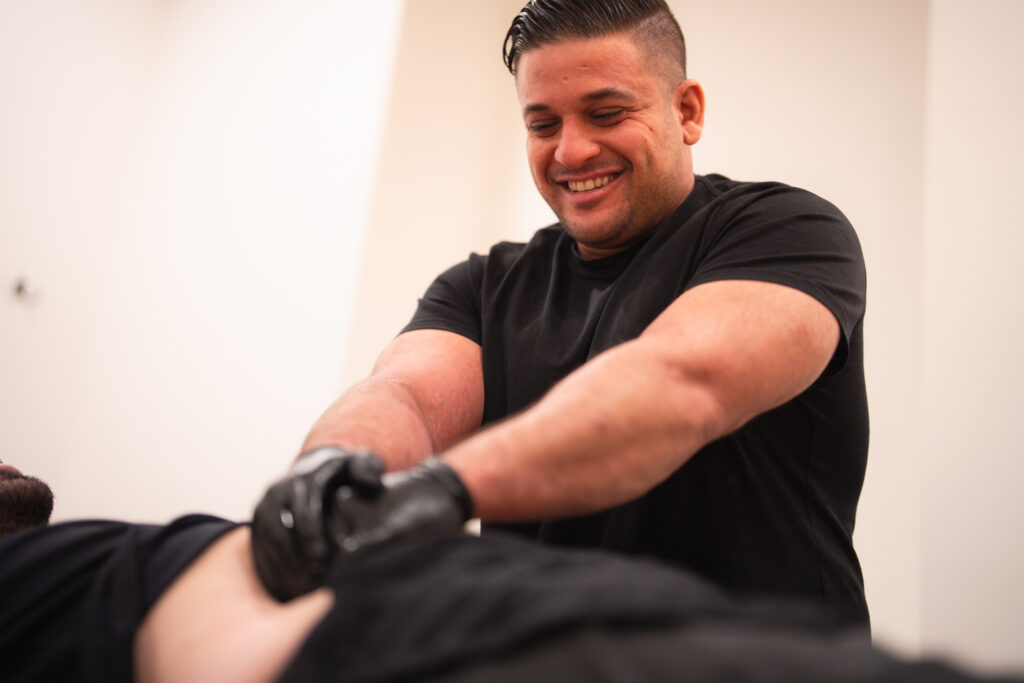
Pelvic floor therapy focuses on how your body functions, not just how it looks.

Why It Works:

  • Addresses muscle tension directly
  • Retrains the nervous system
  • Breaks the pain-tension cycle

Research shows biofeedback and pelvic floor therapy can provide significant relief in up to 87% of patients with functional anorectal pain.


How Pelvic Floor Therapy Works

Step 1: Assessment

A therapist evaluates:

  • Muscle tone
  • Coordination
  • Pain patterns

Step 2: Treatment

May include:

  • Manual therapy (internal + external)
  • Breathing techniques
  • Biofeedback
  • Relaxation training

Step 3: Relearning Relaxation

The goal is simple:

Teach your body it’s safe to let go.


The Mind-Body Connection

This isn’t just physical.

Trauma impacts the body by:

  • Storing stress in muscles
  • Creating fear responses
  • Reinforcing tension patterns

This leads to:

Pain → Tension → More Pain

Recovery requires both physical and neurological retraining.


Why Men Delay Treatment

Pelvic floor issues are underdiagnosed because of:

  • Stigma and embarrassment
  • Lack of awareness
  • Misconception it only affects women

What Results Can You Expect?

Daniel began seeing real change after 3 months.

Improvements Included:

  • Reduced pain
  • Better bowel function
  • Improved sexual function
  • Less anxiety

“I don’t feel broken anymore.”


Why Pelvic Floor Therapy Is Life-Changing

This isn’t just symptom relief—it’s reclaiming your body.

Benefits:

  • Restored confidence
  • Better quality of life
  • Reduced chronic pain
  • Improved mental health

When Should You Seek Help?

See a specialist if you have:

  • Persistent anal pain
  • Pain after surgery
  • Difficulty with bowel movements
  • Sexual dysfunction
  • Unexplained urinary symptoms

Get Help from Pelvis NYC
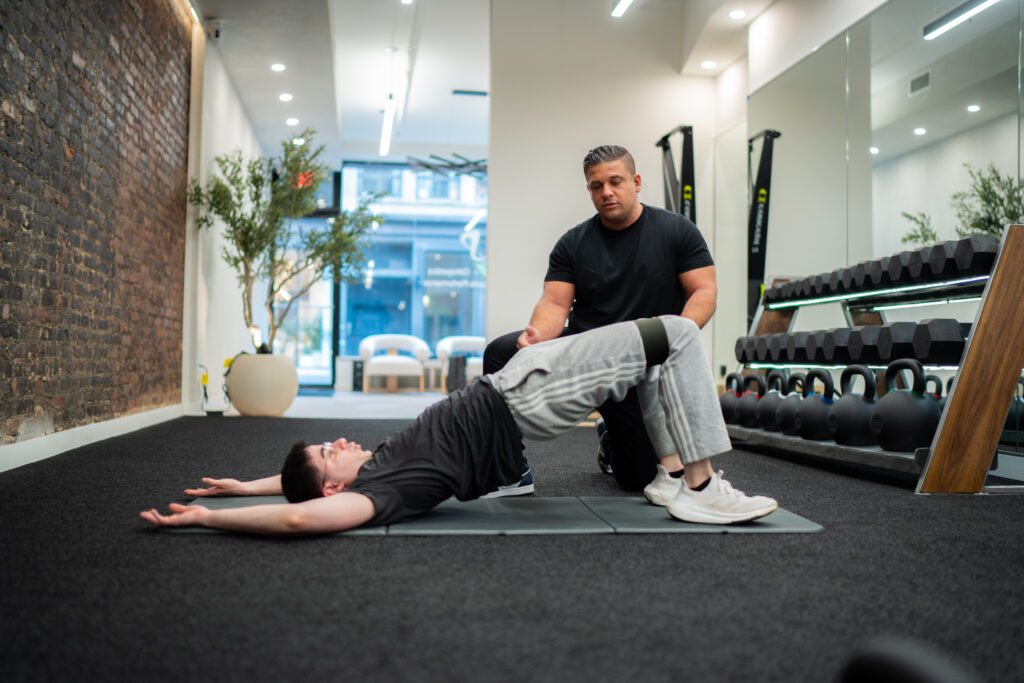
If you’re dealing with ongoing symptoms, expert care matters.

Pelvis NYC helps men:

  • Recover from pelvic surgeries
  • Reduce chronic pain
  • Restore sexual function
  • Rebuild confidence

👉 You don’t have to live like this. The right treatment can change everything. Schedule a free 15-minute teleconsultation now.


FAQs

Can men benefit from pelvic floor therapy?

Yes. It helps with bowel, bladder, and sexual function issues.

Is pelvic floor therapy painful?

It may feel uncomfortable, but it should not be painful.

How long does it take to see results?

Most patients improve within 6–12 weeks.

Can this help after surgery?

Yes—especially for persistent pain after fissure or fistula procedures.

Is this psychological or physical?

Both. It involves muscles and the nervous system.


Final Thoughts

Pelvic floor dysfunction in men is common—but often ignored.

If you’ve been told:

  • “This is normal”
  • “Just relax”
  • “Nothing else can be done”

There is another path.

Pelvic floor physical therapy offers a proven, holistic approach to recovery—helping you reduce pain, restore function, and regain control.

Signs of Overdoing Kegels: How Too Much Pelvic Floor Exercise Can Backfire

Signs of Overdoing Kegels: How Too Much Pelvic Floor Exercise Can Backfire

What Are the Signs of Overdoing Kegels?

The most common signs of overdoing Kegels include pelvic pain, difficulty relaxing your pelvic floor, painful sex, constipation, and increased urinary urgency or leakage. A hypertonic pelvic floor can also cause pain during or after sexual intercourse, difficulty with penetration, and discomfort while using tampons or inserting anything into the vagina. While Kegel exercises are meant to strengthen muscles, doing them too often or incorrectly can lead to an overactive (tight) pelvic floor—causing more harm than benefit. Symptoms of a hypertonic pelvic floor include increased urinary urgency, constipation, pelvic pain, and low back pain.

What Are Kegels and Why Do People Do Them?

Kegel exercises are designed to strengthen the pelvic floor muscles, also known as pelvic muscles, which support the bladder, bowel, and reproductive organs. Kegel exercises help strengthen the pelvic muscles, which play a key role in sexual health, supporting the core and back, and improving orgasm. They are often recommended for:

Pregnancy, childbirth, and other life events can weaken the pelvic muscles for many reasons, leading to symptoms like incontinence and loss of better control over bladder and bowel function.

However, more isn’t always better. Just like any muscle group, the pelvic floor needs both strength and relaxation to function properly.

According to the National Institutes of Health, pelvic floor dysfunction can result not only from weakness but also from excessive tension.

Signs You’re Overdoing Kegels: Pelvic Floor Muscle Imbalance Explained

Many people believe Kegel exercises are always beneficial, but doing too many or doing them incorrectly can lead to a hypertonic pelvic floor. Instead of strengthening, overtraining these muscles can cause pain, tension, and even worsen urinary or bowel symptoms.

If you’re doing pelvic floor exercises regularly and noticing new discomfort, your body may be signaling that it’s time to stop and reassess.


1. Pelvic Pain or Pressure

One of the most common signs of overdoing Kegels is pelvic discomfort.

You may experience:

  • Aching, tightness, or burning in the pelvic area
  • Pain that worsens after Kegel exercises
  • A constant “clenching” or gripping sensation

This happens because the pelvic floor muscles are unable to relax, creating ongoing tension.


2. Painful Sex (Dyspareunia)

An overly tight pelvic floor can make intimacy uncomfortable or even painful.

Symptoms include:

  • Pain during penetration or intercourse
  • Difficulty relaxing muscles during sex
  • A feeling of tightness or resistance

This is more commonly reported in women, but men can also experience discomfort due to pelvic floor tension.


3. Difficulty Starting or Fully Emptying Urine

Kegels are often recommended for bladder control—but too many can have the opposite effect.

Warning signs include:

  • Hesitancy or difficulty starting urination
  • Weak or interrupted urine stream
  • Feeling like your bladder isn’t fully empty

This occurs when tight pelvic muscles restrict normal urine flow.


4. Increased Urinary Urgency or Frequency

Ironically, overtraining your pelvic floor can worsen urinary symptoms.

You might notice:

  • Frequent urges to urinate
  • Sudden urgency
  • Occasional leakage

When the muscles are too tight, they can become overactive and uncoordinated, leading to these issues.


5. Constipation or Painful Bowel Movements

Your pelvic floor plays a key role in bowel function. If it can’t relax properly, it can lead to:

  • Straining during bowel movements
  • A feeling of blockage or incomplete emptying
  • Rectal discomfort or pain

This is a common but often overlooked sign of pelvic floor dysfunction.


6. Tailbone, Hip, or Lower Back Pain

The pelvic floor doesn’t work in isolation—it’s connected to surrounding muscles in your core and hips.

Overuse can lead to:

  • Tailbone (coccyx) pain
  • Hip tightness or discomfort
  • Lower back pain

This happens because tension in the pelvic floor can spread to nearby muscle groups, creating a chain reaction of discomfort.


Why Too Many Kegels Can Backfire

Kegels are designed to strengthen weak pelvic floor muscles. But if your muscles are already tight, adding more contractions can:

  • Increase muscle tension
  • Reduce flexibility and coordination
  • Worsen pain and dysfunction

In many cases, the issue isn’t weakness—it’s inability to relax.


When to Stop Kegels and Seek Help

You should pause Kegel exercises and consider professional guidance if:

  • Your symptoms worsen after doing them
  • You experience pain, not improvement
  • You have difficulty with urination or bowel movements

A pelvic floor specialist can assess whether your muscles are tight, weak, or uncoordinated—and guide you toward the right treatment.


How Pelvic Floor Physical Therapy Can Help

Working with a specialist, such as those at Pelvis NYC, can help you:

  • Learn how to properly relax your pelvic floor
  • Release muscle tension and trigger points
  • Restore normal coordination and function
  • Reduce pain and prevent worsening symptoms

Pelvic floor physical therapy focuses on balance—not just strength.


Why Overdoing Kegels Causes Problems

Your pelvic floor muscles are not meant to stay contracted all the time. Overdoing Kegels can also cause you to unintentionally engage other muscles, such as the abdominals or glutes, which reduces the exercise’s effectiveness and may lead to discomfort. Some individuals find that Kegel exercises can trigger soreness or discomfort, especially if they have a history of pelvic trauma.

The Core Issue: Lack of Relaxation

When you do too many Kegels:

  • Muscles stay shortened and tight
  • Blood flow decreases
  • Trigger points develop
  • Nerves become more sensitive

This leads to a dysfunctional pattern:

Tight muscles → Poor coordination → More symptoms


Weak vs Tight Pelvic Floor: The Key Difference

Many people mistake a tight pelvic floor for a weak one.

SymptomWeak Pelvic FloorTight Pelvic Floor
LeakageCommonCan also happen
PainRareCommon
UrgencyYesYes
ConstipationSometimesVery common
Pain with sexRareCommon

A tight pelvic floor can lead to increased muscle tone, which may cause pain and other symptoms.

👉 This is why doing more Kegels can sometimes make symptoms worse, not better.


Who Is Most at Risk of Overdoing Kegels?

You may be more likely to overtrain your pelvic floor if you:

  • Do Kegels daily without guidance
  • Follow a generic online Kegel routine
  • Are postpartum and trying to “fix” symptoms quickly
  • Have chronic stress or anxiety (which tightens muscles)
  • Sit for long periods

How Many Kegels Is Too Many?

There’s no one-size-fits-all answer, but red flags include:

  • Doing Kegels multiple times per day without rest
  • Holding contractions too long without relaxation
  • Feeling worse after exercises

Repetitions of Kegel exercises should generally not exceed 15 minutes in total, with equal contraction and relaxation times. Quality-controlled contractions are more effective than high-quantity Kegel exercises, which can lead to fatigue or strain. Kegel exercises should be done consistently, ideally in sets of two to three times per day, gradually increasing the number of repetitions to build endurance and gain strength through regular practice.

Most people benefit more from quality and balance, not quantity.

How to Fix an Overactive Pelvic Floor

If you suspect you’re overdoing Kegels, the goal is to restore relaxation and coordination. If you experience pain, soreness, or increased leaking, it is helpful to stop Kegel exercises and consult a healthcare provider or physical therapist. Consulting a healthcare provider is recommended if you are unsure whether Kegel exercises are appropriate for you. A pelvic floor physical therapist can evaluate your pelvic floor muscles and help determine if Kegel exercises are right for you. If you experience pain or discomfort while doing Kegel exercises, it is advisable to contact a healthcare provider for assistance.

1. Stop or Reduce Kegels Temporarily

Give your muscles time to reset. Continuing may worsen symptoms.

2. Focus on Relaxation Techniques

  • Diaphragmatic breathing
  • Pelvic floor “drops” (reverse Kegels)
  • Gentle stretching (hips, glutes, inner thighs)

3. Address Lifestyle Factors

  • Avoid straining during bowel movements
  • Reduce stress
  • Improve posture and movement patterns

Signs of Overdoing Kegels‘ Why Pelvic Floor Physical Therapy (Pelvic Floor PT) Is Essential

This is where most people see real improvement.

A trained pelvic floor specialist or physical therapist can:

  • Determine if your muscles are tight, weak, or both
  • Use hands-on techniques to release tension
  • Teach proper coordination (contract + relax)
  • Customize exercises to your body
  • Show you the correct way to perform Kegel exercises, which can lead to significant improvements in pelvic health
  • Provide guidance on alternative exercises if Kegels are not suitable for you

Many individuals report that learning the correct technique for Kegel exercises has been life-changing for them. Consulting a healthcare provider or pelvic floor physical therapist ensures you receive expert guidance and avoid overexertion or worsening symptoms.

Research from the American Physical Therapy Association shows pelvic floor physical therapy significantly improves symptoms of pelvic pain and dysfunction.

Real Case Insight: When Kegels Make Things Worse

Many patients come in thinking they need more strengthening, but actually need the opposite.

Example:
A patient with urinary urgency was doing 100+ Kegels daily.
After switching to relaxation-focused therapy:

  • Urgency decreased
  • Pain resolved
  • Bladder control improved

This highlights a critical truth:

More exercise is not always better—especially for the pelvic floor.


When Should You Stop Doing Kegels?

Stop and seek guidance if you experience:

  • Pain during or after Kegels
  • Increased urinary symptoms
  • Painful sex
  • Constipation or difficulty emptying

These are strong indicators that your pelvic floor needs relaxation, not strengthening.


CTA: Get Expert Help at Pelvis NYC

If you think you may be overdoing Kegels, getting expert guidance can prevent long-term issues.

Pelvis NYC specializes in helping both men and women:

  • Identify pelvic floor dysfunction
  • Reduce muscle tension
  • Restore proper function

Their personalized pelvic floor physical therapy programs focus on balance—not just strength.

👉 If your symptoms are getting worse instead of better, it’s time to get evaluated.


Frequently Asked Questions (FAQs)

Can doing too many Kegels make symptoms worse?

Yes. Overdoing Kegels can lead to a tight pelvic floor, worsening pain, urgency, and bowel issues.

How do I know if my pelvic floor is too tight?

Common signs include pelvic pain, painful sex, constipation, and difficulty relaxing muscles.

Should I stop Kegels if I have pain?

Yes. Pain is a signal that something isn’t right. Stop and consult a specialist.

Are reverse Kegels better?

They can help if your pelvic floor is tight, as they focus on relaxation rather than contraction.

Can men overdo Kegels too?

Absolutely. Men can experience pelvic pain, urinary issues, and tension from excessive Kegels.

How long does it take to fix an overactive pelvic floor?

With proper therapy, many people see improvement within a few weeks to months.


Final Thoughts

Kegels are often recommended as a quick fix—but without proper guidance, they can create new problems. Understanding the signs of overdoing Kegels is key to protecting your pelvic health.

A healthy pelvic floor isn’t just strong—it’s flexible, coordinated, and able to relax.