Pelvic Floor Exercises for Men: How to Strengthen the Core

Pelvic Floor Exercises for Men: Strengthening Your Core

While pelvic floor exercises are often associated with women, they are equally important for men’s health. Pelvic muscles are crucial in supporting the bladder, controlling urine flow, and aiding in sexual function and overall stability.

In this blog, we welcome you to a comprehensive guide on pelvic floor exercises tailored specifically for men. We will explore the significance of pelvic floor muscles, discuss the benefits of exercising them, and provide step-by-step instructions on identifying and using the correct muscles for effective pelvic floor exercises. Incorporating these exercises into your daily routine is essential for achieving effective and lasting results.

Introduction to Pelvic Floor Muscles

pelvic floor exercises for men

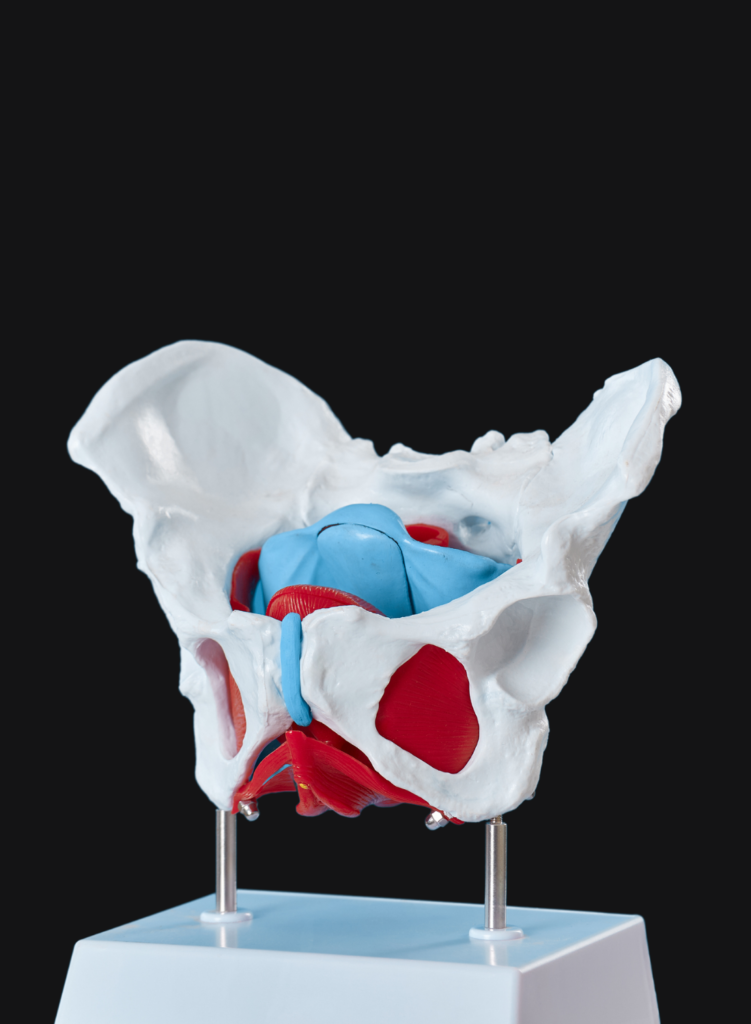
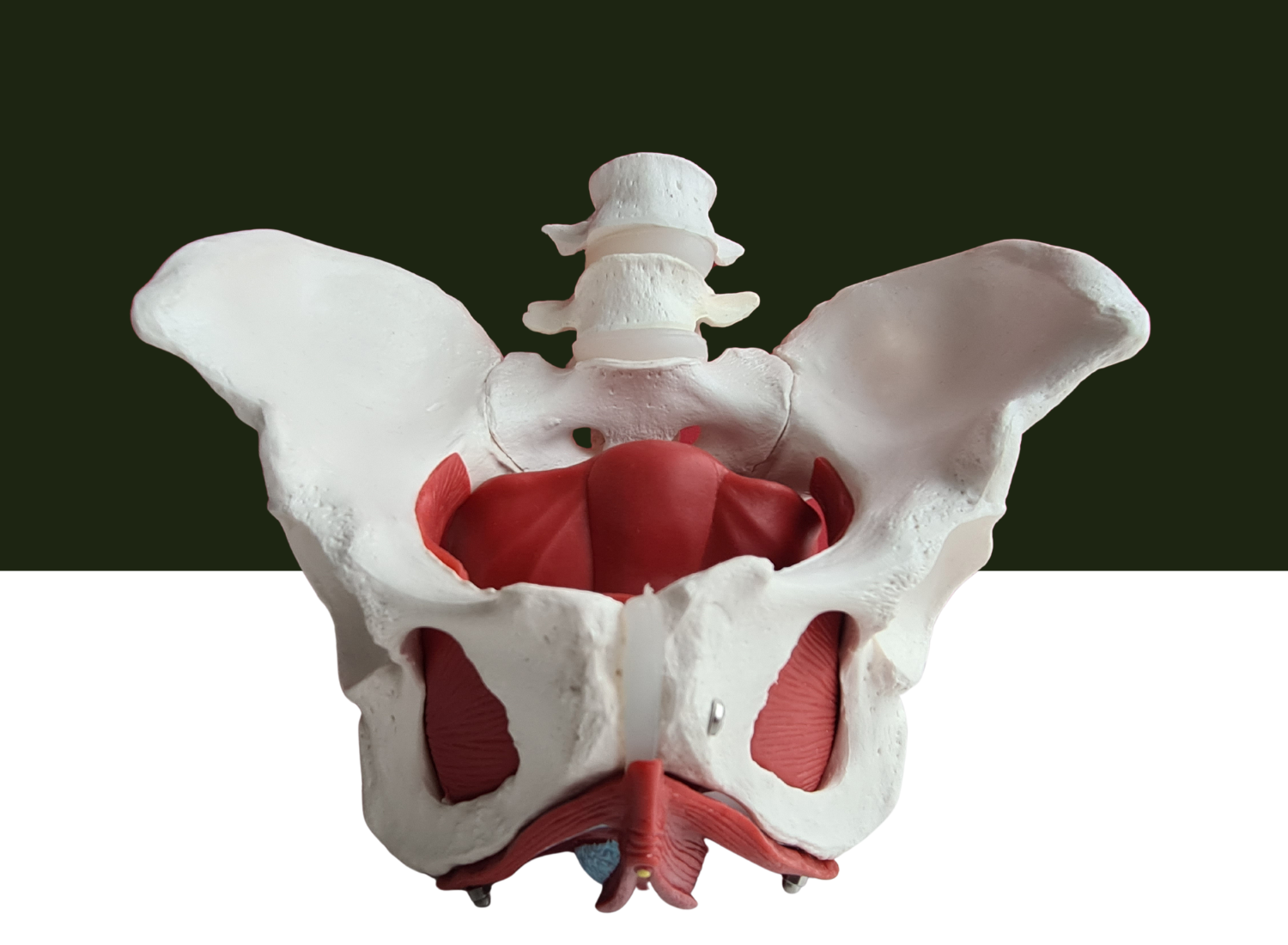
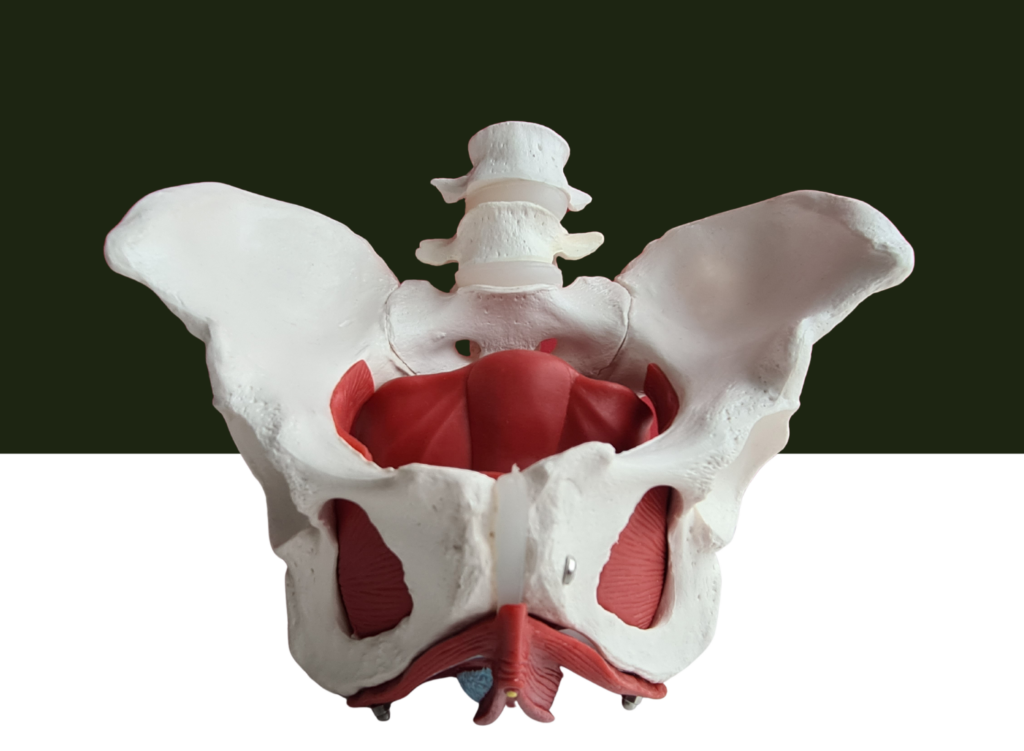
The pelvic floor muscles are a group of muscles that surround and support the organs in the pelvis, including the bladder, bowel, and, in women, the uterus. These muscles play a crucial role in maintaining bladder control, preventing urine leaks, and supporting bowel function. When these muscles are weak, it can lead to stress incontinence, causing urine to leak during activities like coughing or sneezing. Fortunately, pelvic floor muscle training, commonly known as kegel exercises, can help strengthen these muscles and improve overall pelvic health. By regularly practicing these exercises, you can enhance bladder control, reduce the risk of incontinence, and support your pelvic organs effectively.

What is the Pelvic Floor?

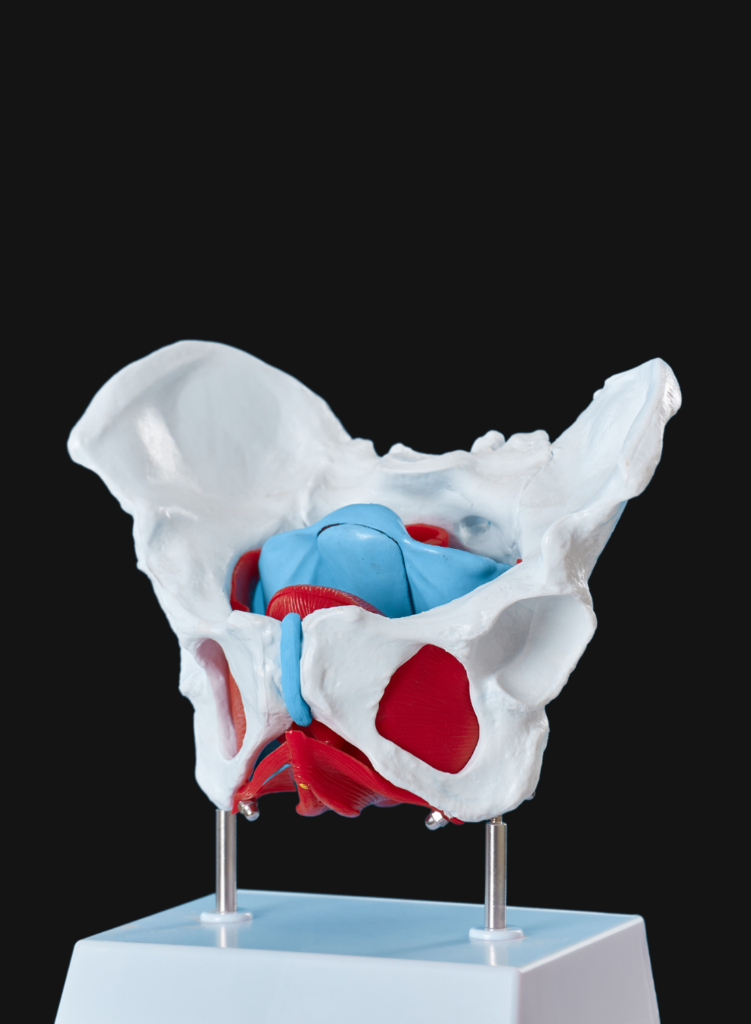
The male pelvic floor is a group of muscles and connective tissues located at the base of the pelvis. These muscles stretch like a hammock from the pubic bone at the front to the tailbone at the back and from one sitting bone to the other. The primary functions of the pelvic floor are:

  1. Support of Pelvic Organs: It supports the bladder and intestines.
  2. Control of Bladder and Bowel: The pelvic floor muscles help control the release of urine, feces, and gas by maintaining continence, including control when resisting the urge to be passing gas. They play a crucial role in controlling bowel movements.
  3. Sexual Function: These muscles play a role in sexual sensation and function.
  4. Stability of Core: They contribute to core stability, working with the abdominal and back muscles. Good pelvic floor muscle function also involves coordination and relaxation, and many factors can affect how well these muscles work. It is important not to engage the buttocks while performing Kegel exercises to ensure proper technique.

Understanding Pelvic Floor Muscle Training

Pelvic floor muscle training involves exercising the pelvic floor muscles to strengthen them and improve bladder control, with proper function relying on both appropriate contraction and relaxation. One of the most effective ways to do this is through Kegel exercises, which involve tightening and relaxing the pelvic floor muscles. To perform Kegel exercises correctly, it’s essential to identify the right muscles. You can do this by trying to stop the flow of urine mid-stream while urinating, which may also help you recognize the muscles involved in starting a urine stream and the area around the back passage. However, it’s important not to make this a regular practice, as it can lead to urinary tract infections. Instead, focus on tightening the pelvic floor muscles before activities like sneezing or coughing to help prevent urine leaks. Consistent practice of these exercises can significantly improve bladder control and overall pelvic health, although many factors can weaken or disrupt these muscles over time.

The Importance of a Strong Pelvic Floor

A strong pelvic floor is essential for maintaining good pelvic health and preventing pelvic floor dysfunction. The pelvic floor muscles support the pelvic organs, including the bladder, bowel, and uterus, and help prevent pelvic organ prolapse. Additionally, a strong pelvic floor can enhance sexual function and reduce the risk of incontinence symptoms, including urine leakage. Strengthening these muscles can also help reduce the risk of fecal incontinence and improve overall bowel control. By focusing on building a strong pelvic floor, you can enjoy better bladder control, improved sexual health, and a reduced risk of pelvic organ prolapse.

What is a Pelvic Floor Exercise?

Pelvic floor exercises, commonly known as Kegel exercises, are designed to strengthen the pelvic floor muscles. These exercises are beneficial for men and can help with issues such as urine leakage, pelvic organ prolapse, and sexual dysfunction, including after treatment for an enlarged prostate or a radical prostatectomy.

For individuals experiencing difficulties in performing Kegel exercises, electrical stimulation can be used as a complementary method. This technique involves sending a small electric current to the pelvic floor muscles, effectively mimicking the sensation of a Kegel and helping to improve muscle contraction.

Working with a Physical Therapist

pelvic floor exercises for men

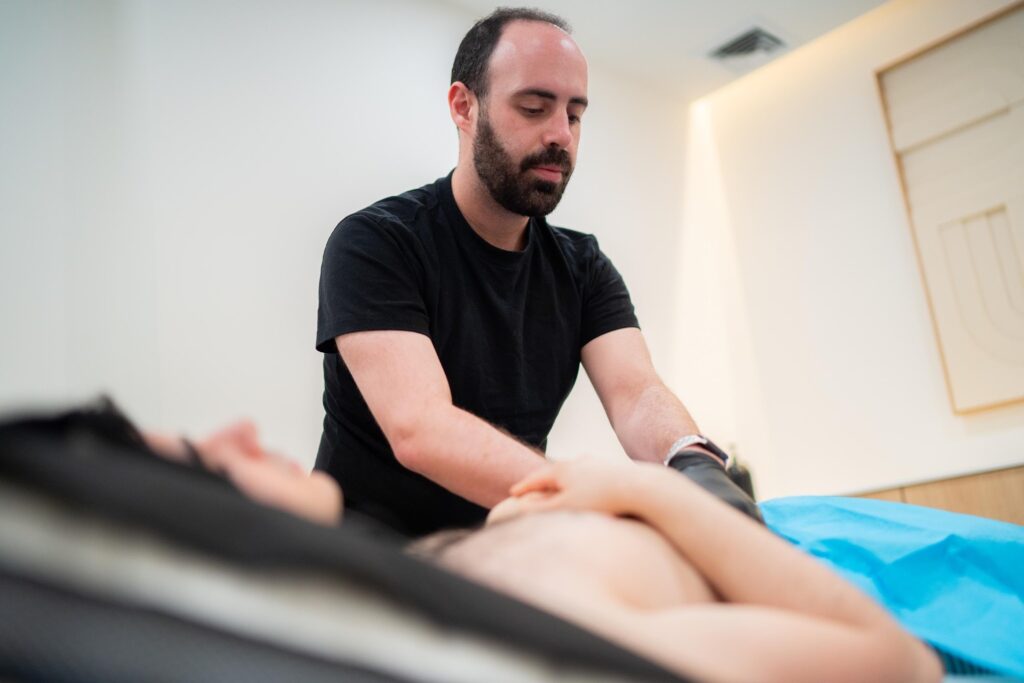
If you’re experiencing problems with your pelvic floor, it’s essential to work with a physical therapist who specializes in pelvic floor therapy. A physical therapist can help you identify the correct muscles to use during Kegel exercises and provide guidance on how to strengthen your pelvic floor muscles effectively, including if you have symptoms related to an enlarged prostate or are recovering from radical prostatectomy; a healthcare provider may also advise starting pelvic floor therapy before surgery. They can also help you develop a personalized exercise program tailored to your specific needs, improving your pelvic health and reducing incontinence symptoms. Additionally, a physical therapist can provide education on conservative management techniques, such as dietary changes and lifestyle modifications, to help manage pelvic floor dysfunction. Seeking professional help ensures that you are performing the exercises correctly and getting the most benefit from your efforts.

What are the Benefits of Pelvic Floor Exercises for Men with Urinary Incontinence?

  • Improved Urinary Control: Keeping the pelvic floor muscles strong can enhance bladder control, reducing the risk of urinary incontinence and urgency. If you have incontinence or are preparing for prostate treatment, consult a healthcare provider for evaluation and guidance. Consistent practice of pelvic floor exercises can lead to noticeable improvements within a few months, including during daily strain such as heavy lifting.
  • Pelvic Floor Muscle Training: Engaging in pelvic floor muscle training can address issues like urinary or fecal incontinence, especially after prostate surgery. Professional assessment and tailored exercises are essential for effective results, and men preparing for prostate surgery are often advised to start pelvic floor exercises four to six weeks before surgery.
  • Enhanced Sexual Function: Strong pelvic floor muscles contribute to better erectile function, increased ejaculation control, and intensified orgasms.
  • Core Stability and Posture: The pelvic floor muscles are an integral part of your core muscles. Strengthening them can improve core stability, leading to better posture, reduced back pain, and improved overall strength, especially when progressing to standing exercises.
  • Prevention of Pelvic Organ Prolapse: Strong pelvic floor muscles provide support to the pelvic organs, reducing the risk of pelvic organ prolapse, a condition where organs descend into the vaginal canal or rectum.
  • Practical Tips for Managing Symptoms: Consider the following tips to manage urinary incontinence symptoms effectively: maintain a healthy weight, avoid bladder irritants, and practice pelvic floor exercises regularly.

Pelvic Floor Exercises for Men

pelvic floor exercises for men
  1. Kegel Exercises: Kegel exercises are the cornerstone of pelvic floor exercises for men. Here’s a step-by-step guide on how to perform them correctly:

a. Identify the right muscles: Begin by locating the muscles that control the flow of urine. Imagine stopping the flow of urine midstream. The muscles you engage to do this are your pelvic floor muscles. Identifying and engaging the right muscles is crucial for effective results.

b. Start with relaxation: Empty your bladder and find a comfortable position, such as sitting or lying down.

c. Contract the muscles: Squeeze the pelvic floor muscles, lifting them upward and inward. Focus on the muscles around the anus, urethra, and base of the penis. Avoid holding your breath or tensing other muscles. Make sure not to tighten your stomach muscles.

d. Hold and release: Hold the contraction for a count of 3 to 5 seconds, then release and relax the muscles for an equal amount of time.

e. Gradually increase repetitions: Start with 5 to 10 repetitions, gradually working your way up to 20 or more over time. Pelvic floor muscle exercises and training are essential for addressing issues such as urinary or fecal incontinence, erectile dysfunction, and post-prostate surgery recovery.

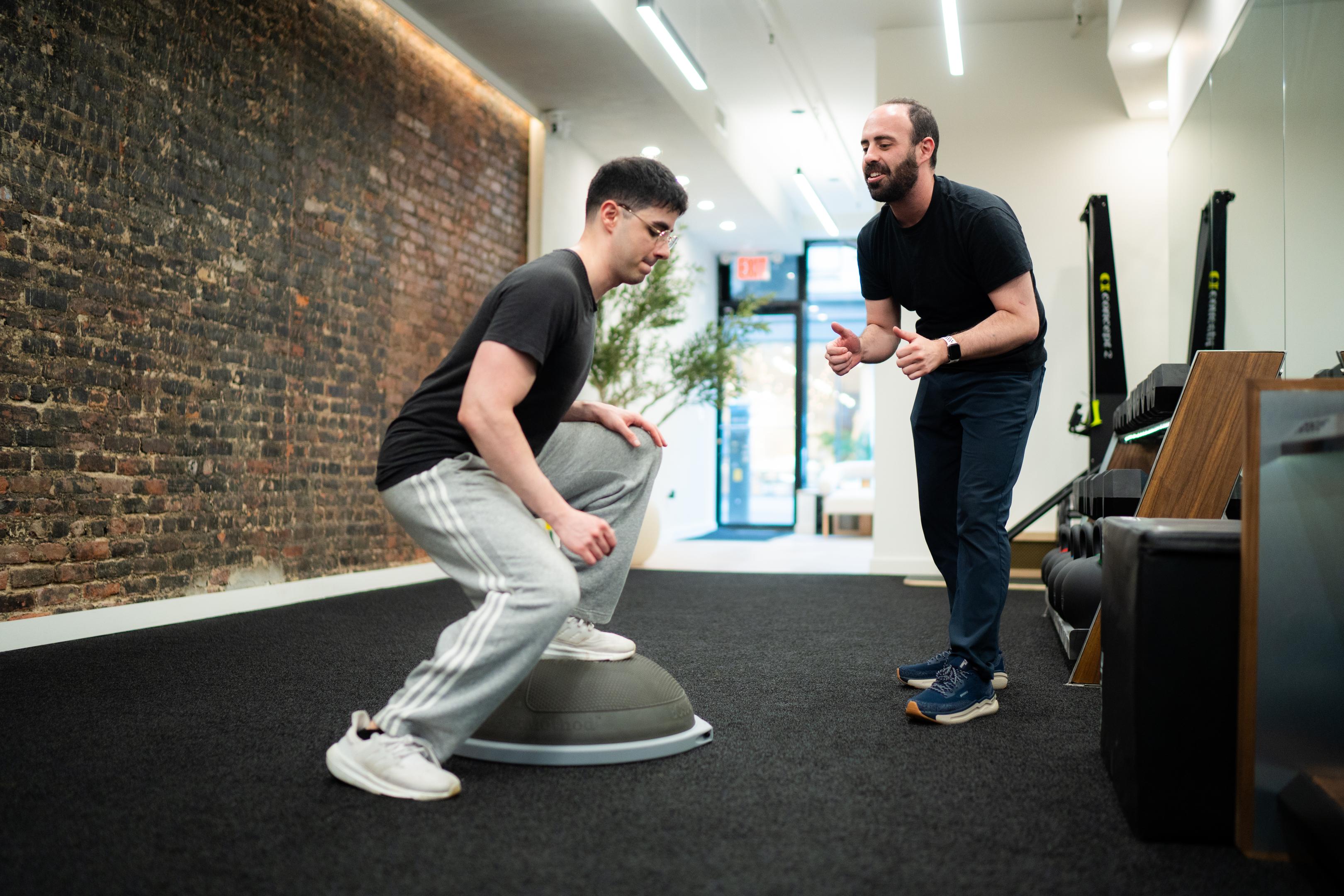
  1. Squats: Squats engage multiple muscle groups, including the pelvic floor. To perform squats:

a. Stand with your feet shoulder-width apart, toes pointing slightly outward.

b. Lower your body as if sitting back into a chair, bending at the hips and knees. Keep your weight centered over your heels.

c. Pause briefly at the bottom, then push through your heels to return to the starting position.

d. Aim for 10 to 15 repetitions, gradually increasing as you get stronger.

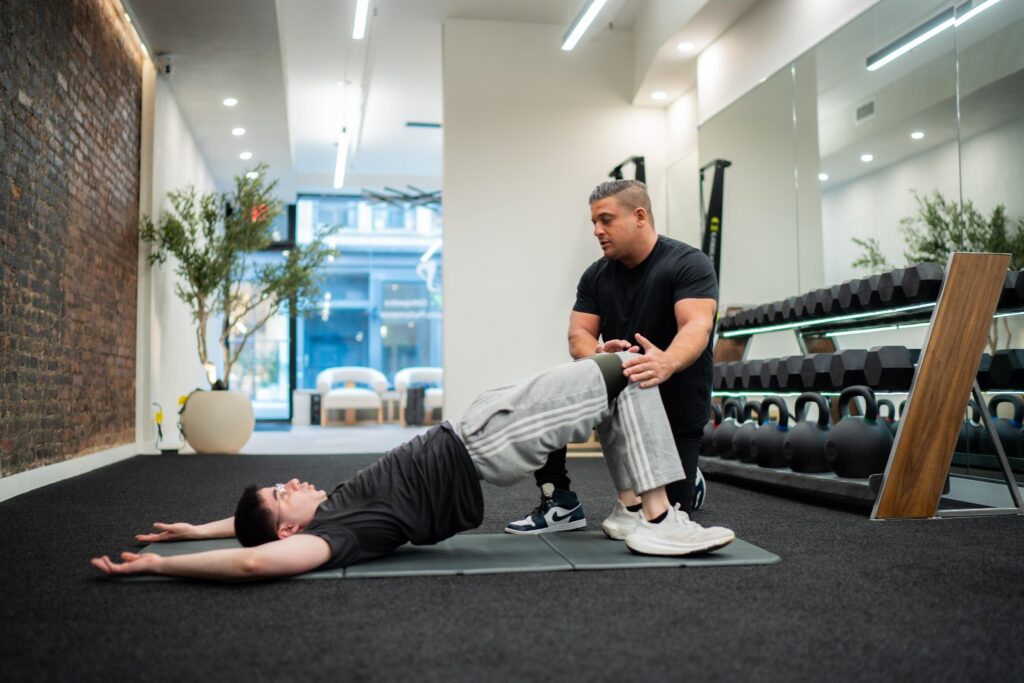
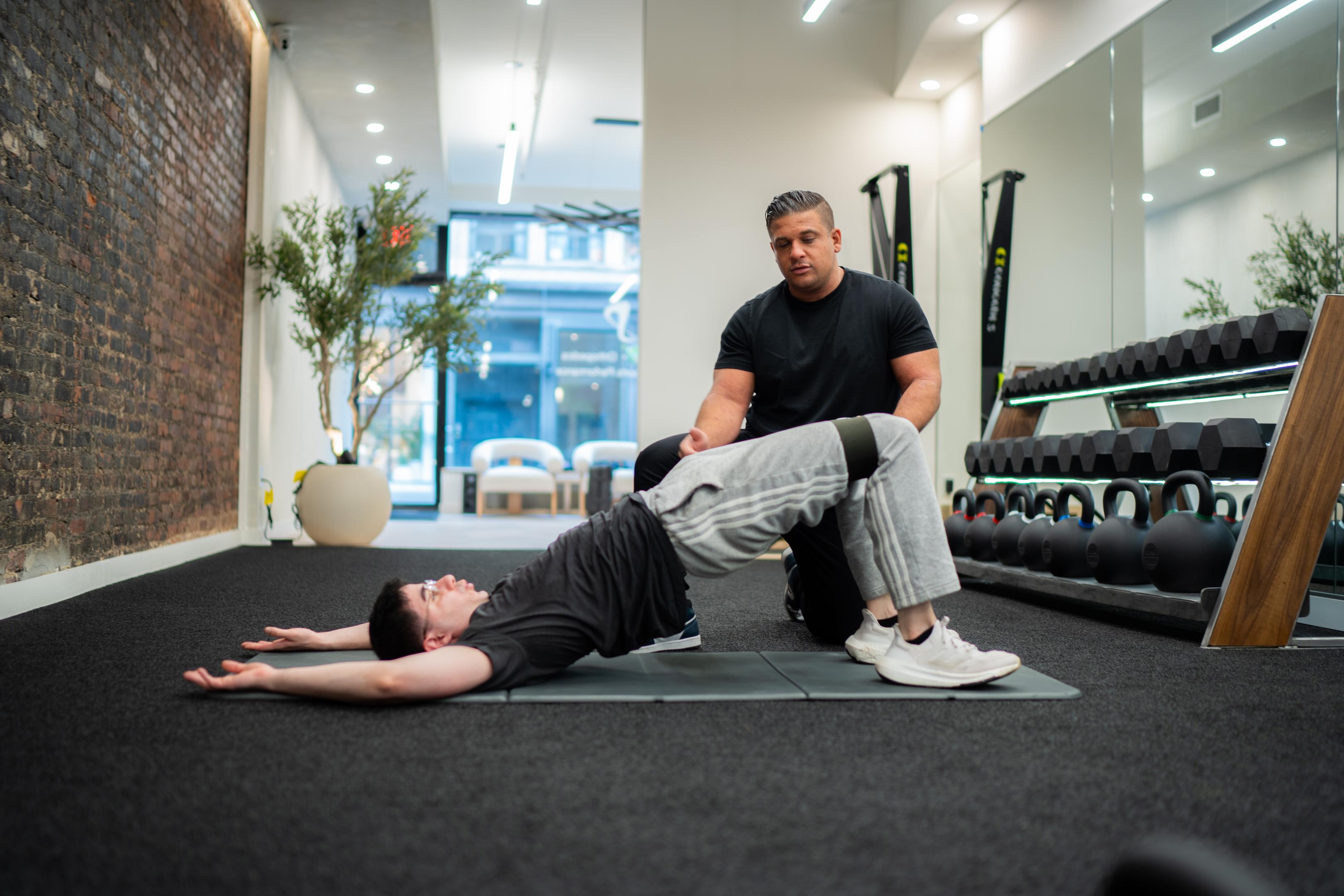
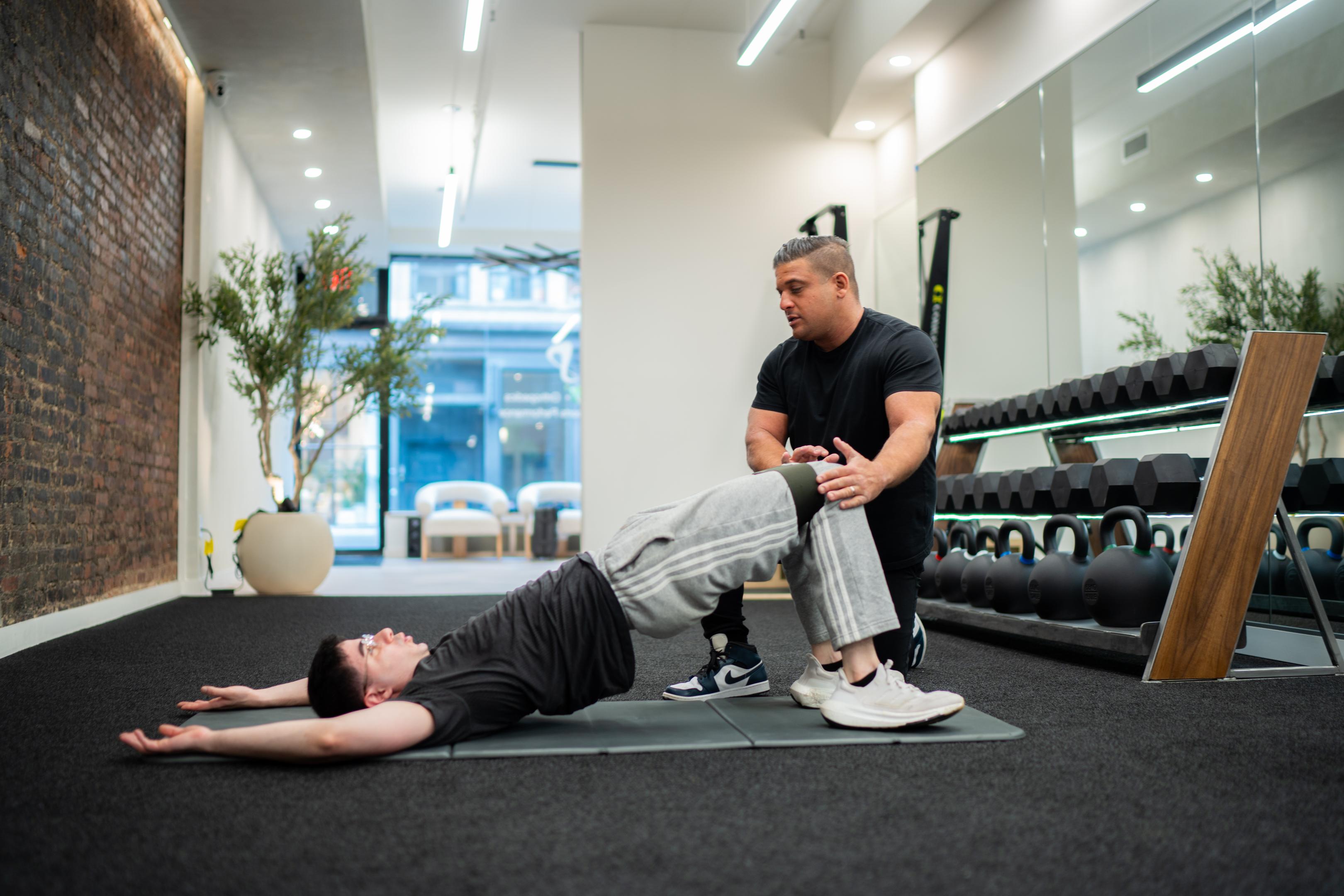
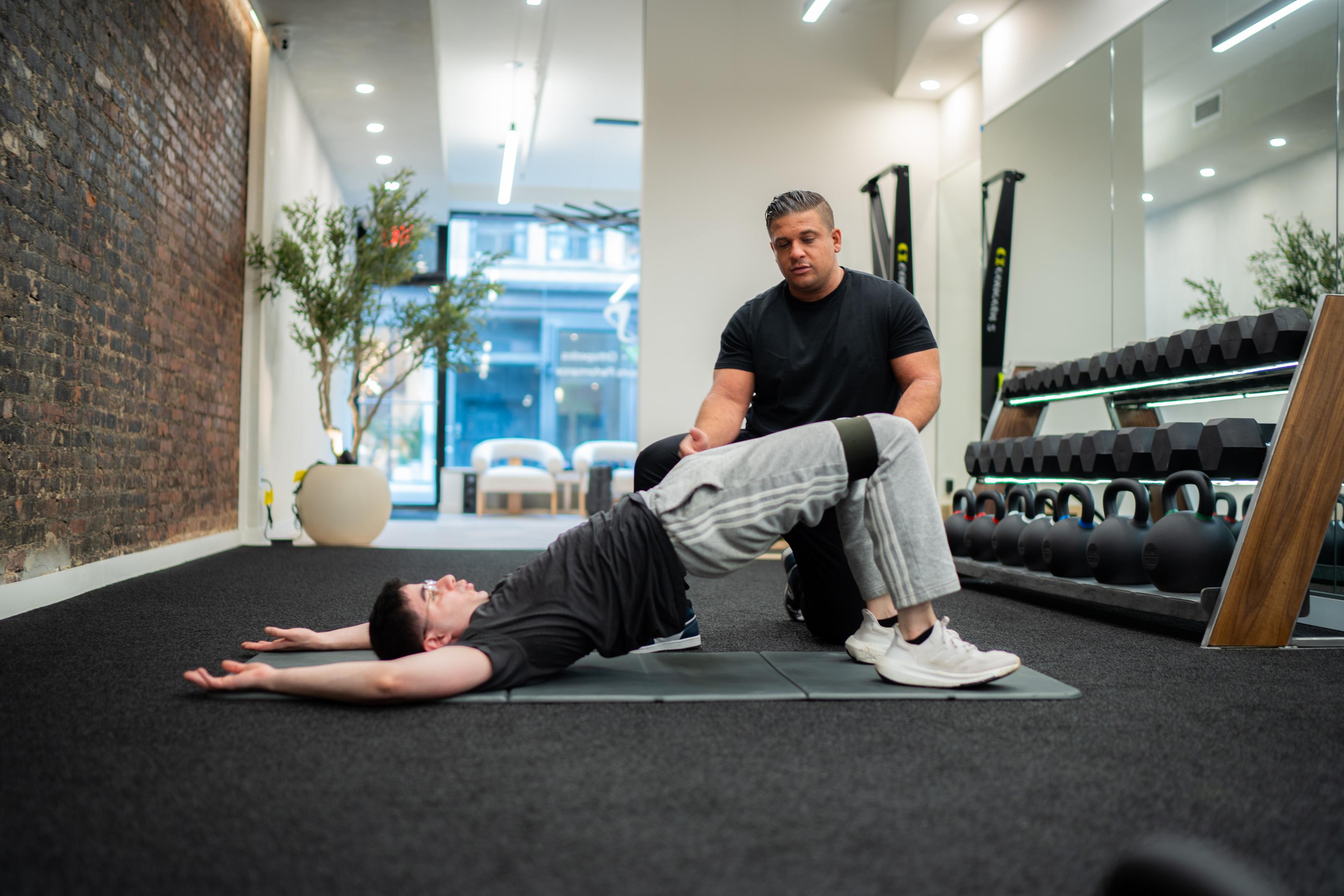
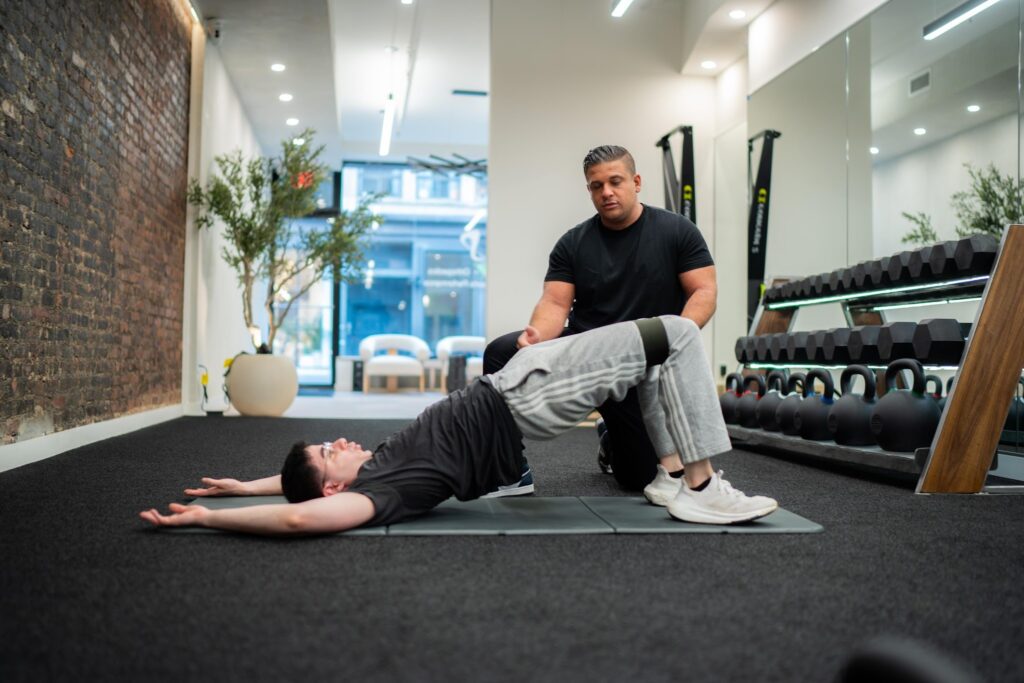
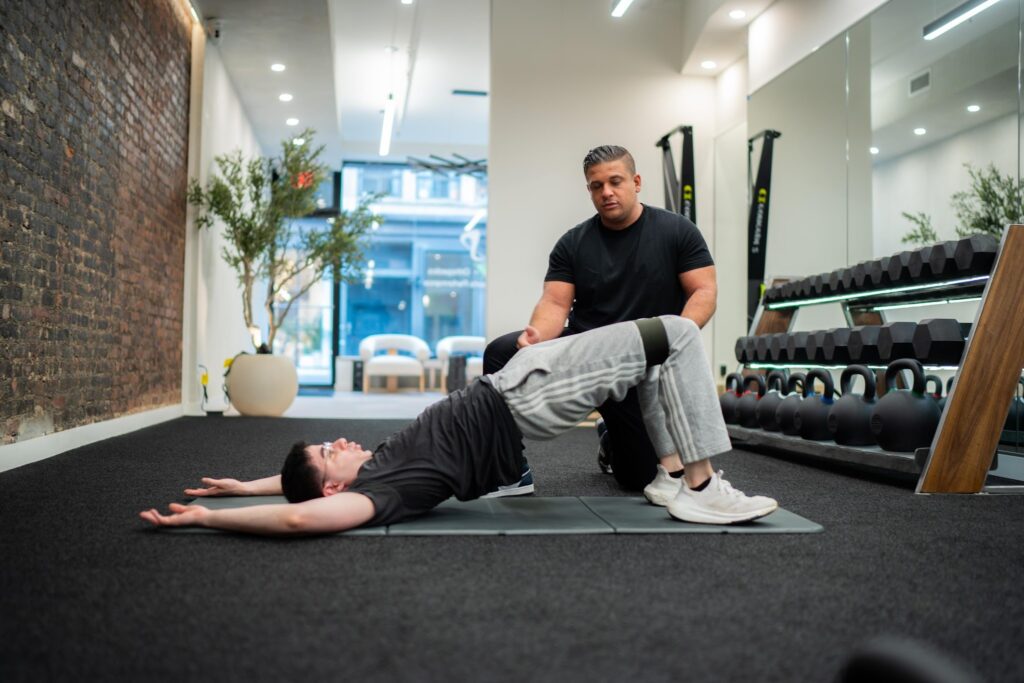
  1. Bridge Exercises: Bridge exercises target the glutes and the pelvic floor. Follow these steps:

a. Lie on your back with knees bent and feet flat on the floor, hip-width apart.

b. Engage your glutes and core muscles, and slowly lift your hips off the floor until your body forms a straight line from knees to shoulders.

c. Hold for a few seconds, then lower your hips back down to the starting position.

d. Perform 10 to 15 repetitions, gradually increasing as your strength improves.

Five Exercises to Strengthen the Pelvic Floor

pelvic floor exercises for men

Here are five exercises to help strengthen the pelvic floor muscles:

  1. Kegel Exercises: Tighten the pelvic floor muscles for a few seconds, then release. Repeat this process several times a day. This exercise is fundamental for building pelvic floor strength.
  2. Pelvic Tilts: Lie on your back with your knees bent and feet flat on the floor. Tilt your pelvis upwards and then back down again, repeating the motion several times. This exercise helps engage the pelvic floor muscles and improve core stability.
  3. Bridging: Lie on your back with your knees bent and feet flat on the floor. Slowly lift your hips up towards the ceiling, squeezing your pelvic floor muscles as you lift. Hold for a few seconds, then slowly lower your hips back down. This exercise targets the glutes and pelvic floor muscles.
  4. Squats: Stand with your feet shoulder-width apart and slowly lower yourself down into a squat, keeping your back straight and your pelvic floor muscles tight. This exercise engages multiple muscle groups, including the pelvic floor.
  5. Lunges: Stand with your feet together and take a large step forward with one foot. Lower yourself down into a lunge, keeping your back straight and your pelvic floor muscles tight. Alternate legs with each repetition. Lunges help strengthen the lower body and pelvic floor muscles.

Remember to always consult with a healthcare professional before starting any new exercise program, especially if you’re experiencing pelvic floor dysfunction or incontinence symptoms. With the right exercises and guidance, you can strengthen your pelvic floor muscles and improve your overall pelvic health.

Incorporating Pelvic Floor Exercises into Your Routine

To maximize the benefits of pelvic floor exercises, consider these tips:

  1. Consistency: Aim to perform pelvic floor exercises at least three times a week. Consistency is key to achieving results and strengthening your pelvic floor effectively.
  2. Gradual Progression: Start with a comfortable number of repetitions and gradually increase as your muscles become stronger. Be patient and listen to your body.
  3. Correct Form: Pay attention to proper technique when performing exercises to ensure you are targeting the pelvic floor muscles effectively.
  4. Address Weakness: If you have weak pelvic floor muscles, it’s important to address this issue. Strengthening these muscles through exercises like Kegels can help, but if you experience bladder or bowel control problems, seek professional help.
  5. Integration: Pelvic floor exercises can be incorporated into your existing fitness routine or performed discreetly at any time throughout the day.
  6. Quick Flick Kegels: Incorporate quick flick Kegels into your routine to help stop leaks caused by sneezing or coughing. This technique involves quickly contracting and relaxing the pelvic floor muscles, which can be particularly beneficial for postpartum individuals.

Conclusion

Taking care of your pelvic floor health is essential for men’s well-being, especially for those undergoing prostate surgery, as pelvic floor exercises are crucial for recovery and bladder control. If you experience pelvic pain, such as painful sex, constipation, urgency, or difficulty with urine flow, it is important to consult a specialist in pelvic floor rehabilitation.

By regularly practicing pelvic floor exercises, such as Kegels, squats, and bridge exercises, you can strengthen your core, improve urinary control, enhance sexual function, and promote overall pelvic health. Remember, consistency and proper form are crucial for optimal results.

Start integrating these exercises into your routine with the help of Pelvis NYC today and reap the long-term benefits of a strong and healthy pelvic floor.

Check out our blog about Pelvic Floor Dysfunction: How Common is it in Men?

Pelvic Floor Issues in Men: How Can They Be Treated?

Common Pelvic Floor Issues in Men: Let's Find Out

Pelvic floor issues in men are more common than many realize and can affect bladder control, bowel function, sexual performance, and overall quality of life. Whether caused by weak pelvic floor muscles, muscle tension, prostate surgery, aging, or chronic stress, many pelvic floor disorders can be effectively treated through pelvic floor physical therapy, targeted exercises, and lifestyle changes.

Despite their prevalence, pelvic floor symptoms often go undiagnosed because many men assume urinary leakage, pelvic pain, or erectile dysfunction are simply part of aging. The reality is that these symptoms often indicate an underlying pelvic floor dysfunction that can be addressed with proper evaluation and treatment.

In this guide, we’ll explain the most common pelvic floor issues in men, what causes them, treatment options available today, and why pelvic floor physical therapy is often one of the most effective solutions.


Understanding the Pelvic Floor

What Is the Pelvic Floor?

The pelvic floor is a group of muscles, ligaments, connective tissue, and nerves at the base of the pelvis that support organs in the pelvic area. These structures work together, with the pelvic floor musculature supporting the bladder, bowel, prostate, and surrounding organs while also helping with continence.

The pelvic floor muscles play several essential roles:

  • Supporting pelvic organs
  • Maintaining bladder and bowel control
  • Contributing to sexual function
  • Assisting with core stability
  • Managing abdominal pressure during lifting, exercise, and movement

When these muscles become weak, tight, injured, or poorly coordinated, pelvic floor issues can develop.


Common Pelvic Floor Issues in Men

What Are the Most Common Pelvic Floor Disorders?

Men can experience several different pelvic floor disorders throughout their lifetime. Some are related to aging, while others result from surgery, injury, chronic straining, or prolonged muscle tension, and these pelvic floor conditions can also involve bladder, bowel, and pain symptoms.

Urinary Incontinence

Urinary incontinence is one of the most common pelvic floor issues affecting men.

This condition occurs when bladder control is compromised, leading to involuntary urine leakage. Leakage with coughing, sneezing, or exercise is called stress urinary incontinence. It is particularly common after prostate surgery but can also develop due to aging, nerve damage, obesity, or weak pelvic floor muscles.

Common Symptoms Include:

  • Dribbling after urination
  • Leakage during exercise
  • Leakage when coughing or sneezing
  • Sudden urgency to urinate
  • Frequent nighttime urination

Research published by the American Urological Association indicates that pelvic floor muscle training is one of the most effective conservative treatments for post-prostatectomy urinary incontinence.


Overactive Bladder

An overactive bladder occurs when the bladder contracts too frequently or unexpectedly, creating a strong urge to urinate.

Men with overactive bladder may experience:

  • Frequent urination
  • Sudden urges to urinate
  • Difficulty reaching the bathroom in time
  • Interrupted sleep due to nighttime urination

Although bladder dysfunction plays a role, pelvic floor muscle tension and poor coordination often contribute significantly to symptoms, and managing fluid intake can help reduce urinary frequency and urgency.


Erectile Dysfunction

While erectile dysfunction (ED) has multiple causes, pelvic floor dysfunction is often overlooked as a contributing factor.

The pelvic floor muscles help support blood flow and maintain erections. Weakness, poor coordination, or excessive tension in these muscles may negatively impact erectile performance.

Studies published in The Journal of Sexual Medicine have shown that pelvic floor exercises can improve erectile function in some men, especially when combined with lifestyle modifications.


Chronic Pelvic Pain

Chronic pelvic pain affects thousands of men every year and is often linked to dysfunctional pelvic floor muscles.

Symptoms may include:

  • Groin pain
  • Tailbone pain
  • Testicular discomfort
  • Perineal pain
  • Pain while sitting
  • Pain during or after ejaculation

In many cases, muscle tension and trigger points within the pelvic floor contribute to ongoing discomfort.


Chronic Prostatitis/Chronic Pelvic Pain Syndrome (CP/CPPS)

CP/CPPS is one of the most challenging pelvic floor disorders to diagnose and treat.

Men with CP/CPPS often report:

  • Persistent pelvic pain
  • Urinary symptoms
  • Sexual dysfunction
  • Discomfort during prolonged sitting

Research suggests that pelvic floor muscle dysfunction may be a major contributor to symptom persistence, making physical therapy a key component of treatment.


Pelvic Organ Prolapse in Men

Although more common in women, pelvic organ prolapse can occur in men, particularly following prostate surgery or chronic increases in abdominal pressure.

This condition develops when weakened support structures allow pelvic organs to descend or shift position.

Risk factors include:

  • Chronic constipation
  • Heavy lifting
  • Obesity
  • Chronic coughing
  • Previous pelvic surgery

What Causes Pelvic Floor Dysfunction?

Why Do Men Develop Pelvic Floor Issues?

Pelvic floor dysfunction rarely develops from a single cause. Instead, it often results from a combination of physical, lifestyle, and medical factors.

Common Causes Include:

  • Aging
  • Prostate surgery
  • Chronic constipation
  • Heavy lifting
  • Poor posture
  • Obesity
  • Chronic stress
  • Athletic overtraining
  • Nerve injuries
  • Previous pelvic trauma

Many men are surprised to learn that stress and anxiety can significantly contribute to pelvic floor tension and pain.


Pelvic Floor Symptoms Men Should Never Ignore

What Are the Warning Signs?

Pelvic floor symptoms can vary significantly, and these symptoms are common signs of pelvic floor problems depending on whether muscles are weak, tight, or poorly coordinated.

Common warning signs include:

Urinary Symptoms

  • Urinary leakage
  • Urinary urgency
  • Frequent urination
  • Difficulty emptying the bladder

Bowel Symptoms

  • Constipation
  • Straining during bowel movements
  • Incomplete emptying

These bowel symptoms may reflect pelvic floor dyssynergia, when the muscles do not coordinate normally during bowel movements, including paradoxical contraction, when the pelvic floor muscles tighten instead of relaxing during attempted bowel movements. Some men with these symptoms are also evaluated for functional constipation.

Sexual Symptoms

  • Erectile dysfunction
  • Premature ejaculation
  • Pain during intercourse
  • Pain after ejaculation

Pain Symptoms

  • Pelvic pain
  • Tailbone pain
  • Groin pain
  • Lower abdominal discomfort
  • Hip pain

If symptoms persist for several weeks, professional evaluation is recommended.


How Physical Therapy Helps Treat Pelvic Floor Issues

Why Pelvic Floor Physical Therapy Is Often the First-Line Treatment

One of the most effective non-surgical treatment options for pelvic floor dysfunction is pelvic floor physical therapy.

Unlike medications that may only mask symptoms, physical therapy addresses the underlying muscular and movement-related causes, and biofeedback is a mainstay of treatment for many patients.

A pelvic floor physical therapist evaluates:

  • Muscle strength
  • Muscle coordination, often including a physical exam
  • Breathing patterns
  • Core function
  • Posture
  • Movement mechanics

This comprehensive approach often leads to lasting improvements.


What Happens During Pelvic Floor Physical Therapy?

Many men feel uncertain before their first appointment, but pelvic floor therapy is highly individualized and evidence-based.

A treatment plan may include:

Muscle Retraining

Learning how to properly contract and relax pelvic floor muscles.

Manual Therapy

Hands-on techniques that reduce muscle tension and improve mobility, including myofascial release as a manual therapy approach. In some cases of persistent pelvic pain, trigger point injections may also be considered.

Biofeedback

Technology that helps patients visualize muscle activity and improve control.

Breathing Retraining

Improving diaphragm function to reduce pelvic floor strain.

Exercise Prescription

Targeted exercises designed specifically for each patient’s condition, with some programs emphasizing relaxation techniques rather than strengthening when muscles are overactive or painful.

Do Pelvic Floor Exercises Really Work?

For many men, yes.

Pelvic floor exercises, often called Kegel exercises, can strengthen weak pelvic floor muscles and improve bladder control, sexual function, and pelvic stability.

Basic Kegel Exercise

  1. Identify the muscles used to stop urine flow.
  2. Tighten those muscles gently.
  3. Hold for 3-5 seconds.
  4. Relax completely.
  5. Repeat 10 times.

Performing two to three sets daily may improve symptoms over time.

However, not every man needs strengthening. Some pelvic floor issues result from excessive muscle tension, making relaxation exercises equally important.

This is why professional assessment is recommended before beginning an exercise program.


Lifestyle Changes That Support Pelvic Floor Health

Improving pelvic floor health often requires a combination of therapy and lifestyle modifications.

Maintain a Healthy Weight

Excess body weight increases pressure on pelvic structures and may worsen symptoms.

Avoid Chronic Straining

Increasing dietary fiber and hydration can reduce constipation-related stress on the pelvic floor.

Improve Lifting Mechanics

Using proper lifting techniques protects the pelvic floor from unnecessary strain.

Stay Physically Active

Regular exercise supports circulation, mobility, and muscle function.

Manage Stress

Stress frequently contributes to chronic muscle tension, including within the pelvic floor.

Mindfulness practices, breathing exercises, and physical activity may help reduce symptom flare-ups.


Treatment Options for Pelvic Floor Disorders

Treatment options vary depending on the diagnosis and severity of symptoms.

Conservative Treatments

  • Pelvic floor physical therapy
  • Pelvic floor exercises
  • Lifestyle changes
  • Bladder retraining
  • Stress management
  • Dietary modifications

Medical Treatments

  • Medications
  • Nerve modulation therapies
  • Injections

Surgical Treatments

In some cases, surgery may be necessary for severe prolapse, persistent incontinence, or structural abnormalities, and treatment planning may involve collaboration among healthcare professionals, with referral to colorectal surgeons, colon and rectal surgeons, or rectal surgeons when bowel or structural issues are complex.

Most men benefit from conservative treatments before considering surgery.

Why Early Treatment Matters

Many men wait months or even years before seeking help for pelvic floor issues.

Delaying treatment may lead to:

  • Worsening symptoms
  • Increased pain
  • Reduced quality of life
  • Greater emotional stress
  • More complex recovery

Early intervention often produces better outcomes and faster symptom improvement.


Take Control of Your Pelvic Floor Health with Pelvis NYC

Pelvic floor issues can affect every aspect of a man’s life—from confidence and intimacy to daily comfort and athletic performance. The good news is that effective treatment is available.

At Pelvis NYC, our specialists understand the unique challenges men face with pelvic floor dysfunction and coordinate with other health care professionals when needed. Through personalized pelvic floor physical therapy, evidence-based treatment plans, and compassionate care, we help patients restore function, reduce pain, and regain confidence.

Whether you’re struggling with urinary symptoms, pelvic pain, erectile dysfunction, or recovery after prostate surgery, our team is here to help.

Schedule your pelvic floor evaluation with Pelvis NYC today and take advantage of our FREE 15-minute teleconsultation to learn how treatment can support your recovery.


Frequently Asked Questions

What are pelvic floor issues in men?

Pelvic floor issues refer to problems involving the muscles, nerves, and connective tissues that support the bladder, bowel, and prostate. Symptoms may include urinary leakage, pelvic pain, and sexual dysfunction.

What causes pelvic floor dysfunction?

Common causes include aging, prostate surgery, chronic constipation, heavy lifting, obesity, stress, and muscle imbalances.

Can weak pelvic floor muscles cause erectile dysfunction?

Yes. Weak pelvic floor muscles may contribute to erectile dysfunction by affecting blood flow control and pelvic stability.

Is overactive bladder related to pelvic floor dysfunction?

In many cases, yes. Tight or poorly coordinated pelvic floor muscles can contribute to urinary urgency and frequency.

Do pelvic floor exercises help men?

Pelvic floor exercises can improve bladder control, sexual function, and pelvic stability when performed correctly and prescribed appropriately.

When should I see a pelvic floor physical therapist?

You should seek evaluation if you experience persistent pelvic pain, urinary symptoms, bowel issues, or sexual dysfunction that affects your quality of life. Evaluation typically begins with a thorough medical history and physical exam, which is essential before testing or a treatment plan is made.

Can pelvic floor dysfunction be cured?

Many cases can be significantly improved or fully resolved with appropriate treatment, including pelvic floor physical therapy, exercise, and lifestyle changes.

Pelvic Floor Health in Men: Is it Important?

Pelvic Floor Health in Men: Is it Important?

Pelvic Floor Health for Men: Why It Matters

Pelvic floor health is essential for men because the pelvic floor muscles support bladder control, bowel function, sexual performance, and core stability. When these muscles become weak, tight, or uncoordinated, men may experience symptoms like urinary leakage, erectile dysfunction, pelvic pain, or discomfort after prostate surgery.

The good news: many pelvic floor disorders can improve significantly with targeted pelvic floor exercises and pelvic floor physical therapy. Early treatment often prevents symptoms from becoming chronic and improves quality of life.


What Is Pelvic Floor Health?

Pelvic floor health refers to the proper function of the muscles, connective tissues, and nerves located at the bottom of the pelvis. These muscles form a sling-like structure that supports internal organs, including the bladder, bowel, and prostate.

For men, a healthy pelvic floor helps with:

  • Bladder and bowel control
  • Sexual function and erectile strength
  • Core stability and posture
  • Pressure management during lifting or exercise
  • Recovery after prostate procedures

Many men don’t realize these muscles exist until symptoms appear. However, pelvic floor dysfunction is more common than most people think.

According to the National Institutes of Health (NIH), millions of men experience pelvic floor disorders, particularly after prostate surgery, chronic straining, aging, or high-impact physical activity.


Understanding the Pelvic Floor Muscles

What Are Pelvic Floor Muscles?

The pelvic floor muscles stretch from the pubic bone in the front to the tailbone in the back. They support the pelvic organs and help control urination, bowel movements, and sexual response.

Think of these muscles as part of your body’s “core canister,” working alongside the diaphragm, abdominal muscles, and lower back muscles.

When functioning properly, these muscles:

  • Contract to maintain continence
  • Relax to allow urination and bowel movements
  • Support sexual performance
  • Stabilize the pelvis and spine

When they become weak or overly tight, symptoms can develop.


Common Pelvic Floor Dysfunction in Men

What Is Pelvic Floor Dysfunction?

Pelvic floor dysfunction occurs when the muscles or tissues in the pelvic area become weakened or injured and cannot properly contract, relax, or coordinate movement. These pelvic floor conditions affect about 1 in 4 women at some point, and men can also develop these problems. Some men experience weakness, while others experience excessive muscle tension.

Common Symptoms of Pelvic Floor Dysfunction

Men may experience these pelvic floor problems, which can affect quality of life:

  • leaking urine or urgency, and sometimes stool leakage, especially with pelvic floor weakness during coughing or laughing
  • Difficulty emptying the bladder
  • Constipation or straining
  • Erectile dysfunction or sexual dysfunction
  • Pain in the pelvis, groin, or tailbone
  • Pain during or after ejaculation
  • Lower back, hip, or tailbone discomfort linked to core dysfunction in the pelvic floor
  • Pressure or heaviness in the pelvic region

Symptoms may develop gradually and are often mistaken for “normal aging.”

Pelvic Floor Disorders Men Should Know About

1. Urinary Incontinence

Urinary leakage is one of the most common pelvic floor disorders in men, especially after prostate surgery.

A 2023 review published in European Urology found that pelvic floor muscle training significantly improved continence recovery after prostatectomy.

Common Signs:

  • Leaking during coughing or exercise
  • Frequent urination
  • Sudden urges to urinate
  • Nighttime bathroom trips

2. Erectile Dysfunction

Weak or poorly coordinated pelvic floor muscles can reduce blood flow control and affect erectile quality.

Research published in The Journal of Sexual Medicine showed that men who performed pelvic floor exercises consistently experienced improvements in erectile function compared to those receiving lifestyle advice alone.


3. Chronic Pelvic Pain Syndrome(CPPS)

CPPS affects approximately 2–16% of men globally and often involves muscle tension, nerve irritation, and stress-related muscular guarding; in some patients, it can overlap with other pelvic health conditions such as interstitial cystitis or irritable bowel syndrome.

Symptoms include:

  • Pelvic aching
  • Testicular pain
  • Burning sensations
  • Pain with sitting
  • Pain after urination or ejaculation

Many men benefit from pelvic floor physical therapy focused on relaxation and coordination—not just strengthening.


4. Pelvic Organ Prolapse in Men

Although less common than in women, pelvic organ prolapse can occur in men, particularly after surgery or chronic straining.

This happens when pelvic structures lose support due to muscle weakness or connective tissue dysfunction.

Risk factors include:

  • Chronic constipation
  • Heavy lifting
  • Obesity
  • Persistent coughing
  • Pelvic surgery history

Why Pelvic Floor Health Is Important for Men

Better Bladder Control

A strong pelvic floor helps support both bladder and bowel control, reducing leakage and urgency.

This is particularly important for:

  • Athletes
  • Aging men
  • Men recovering from prostate procedures

Improved Sexual Health

The pelvic floor muscles contribute directly to erectile rigidity, ejaculatory control, and sexual arousal.

Improving muscle coordination may help:

  • Enhance erections
  • Improve stamina
  • Increase pelvic blood flow
  • Reduce discomfort during intimacy

Reduced Pelvic Pain

Tight pelvic muscles can compress nerves, and therapy may help release tension and relieve pain.

Pelvic floor therapy often helps men:

  • Reduce pain flare-ups
  • Improve mobility
  • Return to exercise comfortably
  • Sit without discomfort

Hands-on techniques such as myofascial release may also be used, especially when scar tissue or other restricted tissues contribute to symptoms.

Better Core Stability and Athletic Performance

The pelvic floor works closely with the core and breathing system. High-impact exercises such as running, jumping, or heavy lifting create significant downward pressure on the pelvic organs.

Poor pelvic floor function can affect:

  • Squat mechanics
  • Deadlifting stability
  • Running performance
  • Pressure management during sports

Many athletes unknowingly overload the pelvic floor by holding their breath or bracing improperly during heavy lifting, and improving pelvic floor strength depends on more than strengthening alone and also requires coordination and behavioral changes.


Pelvic Floor Exercises for Men

Do Kegel Exercises Actually Work?

Yes—when performed correctly.

Kegel exercises involve a pelvic floor contraction—tightening the pelvic floor muscles as if trying to hold in urine, holding for several seconds, and then releasing—to improve strength, endurance, and coordination.

However, many men perform them incorrectly or over-tighten already tense muscles.

How to Identify the Right Muscles

Imagine stopping urine flow midstream or preventing passing gas. Those are your pelvic floor muscles.

Basic Kegel Exercise

  1. Tighten the pelvic floor muscles gently
  2. Hold for 3–5 seconds
  3. Relax fully for 5 seconds
  4. Repeat 10 times

Aim for:

  • 2–3 sessions daily
  • Consistent breathing
  • No excessive abdominal tightening

When Kegels Can Make Symptoms Worse

Not every pelvic floor issue requires strengthening.

If muscles are overly tight, Kegel exercises may increase:

  • Pelvic pain
  • Urinary urgency
  • Muscle tension
  • Sexual discomfort

This is why assessment by a pelvic floor physical therapist matters.


The Role of Pelvic Floor Physical Therapy

What Is Pelvic Floor Physical Therapy?

Pelvic floor physical therapy is a specialized treatment approach that evaluates and treats pelvic muscle dysfunction.

A trained physical therapist assesses:

  • Muscle strength
  • Coordination
  • Breathing mechanics
  • Posture
  • Core function
  • movement patterns

Pelvic therapy begins with an initial evaluation, including a detailed medical history and a physical exam of pelvic floor muscle function, before creating a personalized plan based on symptoms and goals.


What Happens During Pelvic Floor Therapy Sessions?

Many men feel nervous before their first appointment, but therapy sessions are educational, professional, and tailored to comfort levels. Depending on your symptoms, physical therapy sessions may also use different treatment techniques and specialty equipment to see what works best.

  • Health history and goals
  • Symptom review, including bladder and bowel function
  • External and internal muscle assessment (if appropriate and with consent)
  • Posture, breathing, and movement patterns
  • Hands-on treatment to release tight tissues or improve coordination
  • A customized exercise plan
  • Biofeedback therapy to assess muscle activity, improve control, and track progress
  • Electrical stimulation when indicated to help reduce pain and support muscle function
  • Education on proper body mechanics and self-care strategies

Treatment is personalized and may also include lifestyle modifications, along with exercises, manual therapy, and education.

A Typical Pelvic Floor Therapy Appointment May Include:

  • Symptom review
  • Movement assessment
  • Breathing analysis
  • Postural evaluation
  • Core stability testing
  • Guided pelvic floor exercises
  • Relaxation techniques
  • Manual therapy if appropriate

Treatment often focuses on both strengthening and relaxation.


Why Physical Therapy Matters

Physical therapy can address the root cause of many pelvic floor issues—not just symptoms.

A pelvic floor physical therapist can help:

  • Improve bladder control
  • Relieve pain through individualized care from a pelvic floor therapist
  • Restore sexual function
  • Improve exercise mechanics
  • Prevent unnecessary surgery
  • Speed recovery after prostate surgery

A 2022 meta-analysis published in Physical Therapy Journal found pelvic floor rehabilitation significantly improved urinary symptoms and quality of life in men after prostate treatment.


Lifestyle Habits That Support Pelvic Floor Health

1. Avoid Chronic Straining

Straining during bowel movements places excessive pressure on the pelvic floor and can contribute to bowel dysfunction.

Support bowel health with:

  • High-fiber foods
  • Hydration
  • Proper toilet posture

2. Manage Heavy Lifting Correctly

Poor lifting mechanics increase abdominal pressure and strain pelvic tissues.

Tips:

  • Exhale during exertion
  • Avoid breath-holding
  • Use proper form
  • Strengthen the core gradually

3. Maintain a Healthy Weight

Excess body weight increases pelvic pressure and may worsen symptoms.

Even modest weight loss can improve:

  • Urinary control
  • Pelvic pain
  • Exercise tolerance

4. Reduce High Stress Levels

Stress often contributes to chronic pelvic muscle tension.

Helpful strategies include:

  • Deep breathing
  • Walking
  • Stretching
  • Mindfulness exercises
  • Guided relaxation

When Should Men See a Pelvic Floor Specialist?

Signs You Should Book a Pelvic Floor Therapy Appointment

Seek professional evaluation if you experience:

  • Persistent pelvic pain
  • Urinary leakage
  • Erectile dysfunction
  • Pain after prostate surgery
  • Pain during sitting
  • Constipation or straining
  • Pressure in the pelvis
  • Ongoing hip or groin tension

Early treatment typically leads to better outcomes.


How Pelvis NYC Helps Men Improve Pelvic Floor Health

If you’re dealing with pelvic floor dysfunction, you do not have to manage it alone.

Pelvis NYC specializes in evidence-based pelvic floor physical therapy for men. Their team helps patients improve bladder control, reduce pelvic pain, restore sexual health, and recover after surgery through personalized treatment plans, while supporting men through personalized pelvic health and women’s health-informed care.

Whether you’re experiencing urinary issues, pelvic discomfort, or core instability, scheduling a pelvic floor therapy appointment can be the first step toward lasting relief.

Pelvis NYC also offers consultations to help men better understand their symptoms and treatment options.


Frequently Asked Questions About Pelvic Floor Health

What are the symptoms of pelvic floor dysfunction in men?

Symptoms may include urinary leakage, pelvic pain, erectile dysfunction, constipation, urgency, and discomfort while sitting.


Can pelvic floor exercises help erectile dysfunction?

Yes. Research suggests pelvic floor exercises may improve erectile function by strengthening muscles involved in blood flow control and sexual performance.


Are Kegel exercises safe for all men?

Not always. Some men have overly tight pelvic floor muscles, and excessive Kegels may worsen symptoms. A pelvic floor physical therapist can determine the right approach.


How long does pelvic floor physical therapy take?

Most men notice improvements within several weeks, though timelines vary depending on symptom severity and treatment adherence.


Is pelvic floor dysfunction common after prostate surgery?

Yes. Urinary leakage and pelvic weakness are common after prostatectomy, but pelvic floor physical therapy can significantly improve recovery outcomes.


What happens during pelvic floor therapy sessions?

Sessions may include movement assessments, breathing exercises, muscle coordination training, posture correction, manual therapy, and guided exercises. Therapists may also assess muscle tone and use techniques such as biofeedback therapy or electrical stimulation when appropriate.

Final Thoughts

Pelvic floor health is a foundational part of men’s physical wellness, affecting bladder control, sexual performance, mobility, and overall quality of life. Yet many men delay treatment because they don’t realize effective help exists.

The earlier pelvic floor dysfunction is addressed, the easier it is to improve symptoms and prevent long-term complications. Whether you’re recovering from surgery, dealing with pelvic pain, or simply looking to improve core function and confidence, pelvic floor physical therapy can make a measurable difference.

If symptoms are affecting your daily life, consider scheduling a consultation with Pelvis NYC to begin a personalized recovery plan.

Holding in Your Pee: See Its Effect on the Pelvic Floor

Holding in Your Pee: See its Effect on Pelvic Floor

Holding In Your Pee: Can It Damage Your Pelvic Floor?

Yes—regularly holding your pee can negatively affect your pelvic floor muscles, bladder function, and urinary health over time. The health issues from holding your pee can vary depending on individual factors such as age, bladder size, and fluid intake. While occasionally delaying a bathroom trip is normal, consistently ignoring the urge to urinate can increase the risk of health issues, including urinary tract infections (UTIs), kidney disease, bladder irritation, and even urinary leakage.

For men and women alike, healthy bladder habits are closely connected to pelvic floor health. The good news? Many urinary symptoms can improve with lifestyle changes, bladder training, and pelvic floor physical therapy.

Why Your Pelvic Floor Matters

Your pelvic floor is made up of many muscles and connective tissues that work together to support the:

  • Bladder
  • Rectum
  • Bowel
  • Reproductive organs

These muscles help control:

  • Urination
  • Bowel movements
  • Sexual function
  • Core stability

When the pelvic floor becomes too weak—or too tight—it can lead to symptoms like:

  • Urinary urgency
  • Frequent urination
  • Leakage
  • Pelvic pain
  • Difficulty emptying the bladder
  • Bladder control problems due to weakened muscles

Bladder control is a pretty complex process involving many muscles, nerves, and organs working together to maintain proper function.

At clinics like Pelvis NYC, pelvic floor physical therapists often see patients whose symptoms began with poor bladder habits, chronic stress, or long-term urine holding.

What Happens When You Hold In Your Pee?

Your bladder is designed to store urine temporarily—not indefinitely. The human bladder, also known as the urinary bladder, is a muscular, hollow organ responsible for storing urine until it is expelled from the body.

A healthy bladder typically holds:

Bladder StageApproximate Volume
First urge to urinate200–300 mL
Comfortable capacity400–600 mL
Maximum stretched capacityUp to 900–1500 mL

For men, urination is typically triggered when the bladder holds 200–300 ml, while for women it happens around 250–350 ml.

Normal urination frequency for adults is typically six to seven times a day, but urinating at least four times and up to ten times is still considered normal. How much urine your bladder can hold depends on several factors, including how much liquid you consume and your individual bladder hold capacity. The bladder muscle stretches as bladder filling occurs, allowing the urinary bladder to accommodate more urine. A healthy bladder can hold about 500–600 ml of urine before triggering the urge to urinate, but the bladder can stretch to hold around 900 to 1500 ml, depending on the person’s size.

When you repeatedly delay urination, several things can happen:

1. Increased Pressure on the Pelvic Floor

Holding urine for long periods places extra strain on the pelvic floor muscles and can overstretch the bladder muscle, leading to weakened bladder muscles.

Over time, this may contribute to:

  • Muscle fatigue
  • Poor bladder coordination
  • Increased pelvic tension
  • Bladder control problems

Ignoring the urge to urinate can cause bladder stretching, which may result in pain, incontinence, and difficulty in urination.

In some people, the muscles become weak. In others, they become overly tight and reactive.

2. Higher Risk of Urinary Tract Infections (UTIs)

Urine helps flush bacteria out of the urinary tract. Holding in your pee increases the risk of health issues, especially in certain circumstances such as pregnancy or underlying health conditions.

When urine sits in the bladder too long:

  • Bacteria can multiply
  • The bladder may not empty completely
  • Infection risk increases

According to the National Institute of Diabetes and Digestive and Kidney Diseases (NIDDK), urinary retention and incomplete emptying can increase the likelihood of urinary tract infections. In rare cases, holding urine too long can lead to kidney damage.

3. Bladder Stretching and Reduced Sensation

As bladder filling occurs, nerve stimulation increases and nerves signal the brain to create the urge to pee. Constantly overfilling the bladder may desensitize the nerves that signal fullness. If these signals decrease over time due to chronic stretching, it can lead to reduced sensation and bladder dysfunction.

This can lead to:

  • Delayed urge sensation
  • Difficulty emptying completely
  • Bladder dysfunction
  • Urinary urgency later on

In severe cases, chronic urine retention can affect kidney function.

Can Holding In Your Pee Weaken the Pelvic Floor?

Holding In Your Pee

Yes—especially when it becomes a repeated habit.

The pelvic floor and bladder work together through a highly coordinated system involving a pretty complex process of:

  • Muscles
  • Nerves
  • Brain signaling
  • Pressure regulation

Holding in your pee involves consciously fighting or resisting the urge to urinate when your bladder signals the need to go. This voluntary control is part of the process and, over time, involves resisting these signals, which can impact bladder function.

When bladder habits become dysfunctional, the pelvic floor often compensates.

This may result in:

  • Muscle tightening
  • Chronic clenching
  • Pelvic pain
  • Leakage
  • Overactive bladder symptoms

Research published through the National Institutes of Health (NIH) suggests many chronic urinary and pelvic symptoms are linked not only to structural issues, but also to nervous system and muscular dysfunction.

Signs Your Bladder Habits May Be Affecting Your Pelvic Floor

You may benefit from evaluation if you experience:

  • Frequent urination
  • Strong urgency
  • Difficulty holding urine
  • Leakage when coughing or exercising
  • Urinary incontinence
  • Pelvic pressure
  • Pain during urination
  • Incomplete emptying
  • Lower abdominal tension
  • Waking multiple times at night to urinate

These symptoms may occur when you feel the urge to urinate but are unable to respond appropriately.

For men, symptoms may also overlap with:

Why Men Often Ignore These Symptoms

Many men assume urinary symptoms are simply:

  • “Part of aging”
  • Related only to the prostate
  • Something to push through

Some men regularly ignore the urge to urinate, which can actually worsen symptoms over time.

But pelvic floor dysfunction in men is far more common than many realize.

At Pelvis NYC, physical therapists frequently work with men dealing with:

  • Urinary urgency
  • Pelvic pain
  • Post-surgical recovery
  • Bladder dysfunction
  • Sexual health concerns

Unfortunately, many patients delay treatment because of embarrassment or lack of awareness.

The Connection Between Stress and Holding Urine

Stress affects the pelvic floor more than most people realize.

When stressed, the body often shifts into a “fight-or-flight” response, which can increase:

  • Muscle tension
  • Pelvic clenching
  • Urinary urgency
  • Bladder sensitivity

Some people unconsciously tighten their pelvic floor muscles all day—especially in high-stress environments or jobs where bathroom access is limited.

Over time, this can create a cycle:

Stress → Muscle tension → Urinary symptoms → More stress


How Pelvic Floor Physical Therapy Can Help

Holding In Your Pee

Pelvic floor physical therapy focuses on restoring normal muscle function, bladder coordination, and nervous system regulation.

This is especially important for people experiencing:

  • Chronic urinary urgency
  • Leakage
  • Pelvic pain
  • Bladder dysfunction
  • Difficulty relaxing pelvic muscles

What Happens During Pelvic Floor Therapy?

A pelvic floor physical therapist may evaluate:

  • Muscle tension
  • Coordination
  • Breathing patterns
  • Bladder habits
  • Core function
  • Posture and movement

Treatment may include:

  • Manual therapy
  • Bladder retraining, often involving a retraining process with a personalized retraining schedule to help a person ease into improved bladder habits
  • Relaxation techniques
  • Pelvic floor exercises
  • Diaphragmatic breathing
  • Behavioral strategies

The goal isn’t just symptom relief—it’s restoring healthy function.

If you want to find out more, click this: Managing Urinary Issues: Expert Tips from a Physical Therapist

What Is Bladder Training?

Bladder training is a behavioral strategy used to improve bladder control and reduce urgency.

It involves:

  1. Following a timed bathroom schedule
  2. Gradually increasing time between bathroom trips
  3. Reducing “just-in-case” urination
  4. Improving bladder capacity safely
  5. Resisting the urge to urinate to increase bladder hold

Bladder training can be highly effective for:

  • Overactive bladder
  • Frequent urination
  • Urgency
  • Mild incontinence

Distraction exercises, such as counting backwards or deep breathing, can be effective techniques to delay the urge to urinate during the retraining process.

A pelvic floor therapist can help create a personalized plan.

Healthy Bladder Habits to Protect Your Pelvic Floor

1. Don’t Ignore the Urge Too Long

Try to empty your bladder every few hours (typically every 3–4 hours) while awake to prevent urine retention and allow your body’s natural mechanisms to prevent urine leakage or discomfort.

Occasionally delaying is okay—but avoid making it a chronic habit.

2. Stay Hydrated

Many people drink less water to avoid bathroom trips, but monitoring your fluid intake and how much liquid you consume is important for maintaining bladder health. Dehydration can irritate the bladder, while carbonated drinks can also irritate the bladder and may increase urinary frequency, especially if consumed later in the day.

Aim for consistent hydration throughout the day.

3. Avoid “Just in Case” Peeing

Going too frequently can train the bladder to signal urgency prematurely.


4. Practice Pelvic Floor Relaxation

Not everyone needs strengthening.

In fact, many people with urgency or pelvic pain need to learn how to relax the pelvic floor.


5. Address Chronic Stress

Stress management matters more than people think.

Helpful strategies include:

  • Deep breathing
  • Exercise
  • Mindfulness
  • Physical therapy
  • Nervous system regulation

When Should You See a Specialist?

You should seek medical evaluation if you experience:

  • Burning during urination
  • Blood in urine
  • Severe pelvic pain
  • Difficulty emptying the bladder
  • Frequent UTIs
  • Sudden urinary leakage
  • Persistent urgency
  • Pain that affects daily life
  • Changes in urine color, such as urine not being light yellow
  • Side effects from certain medications that affect urination

These symptoms may indicate:

  • Infection
  • Pelvic floor dysfunction
  • Enlarged prostate
  • Overactive bladder
  • Neurological conditions

Why Pelvic Floor Therapy Matters in NYC

Living in New York City often means:

  • Long commutes
  • High stress
  • Busy schedules
  • Limited bathroom access
  • Sedentary workdays

These lifestyle patterns can contribute to chronic pelvic floor tension and unhealthy bladder habits.

That’s why more patients are seeking specialized pelvic floor care through clinics like Pelvis NYC.

Holding In Your Pee

Our team specializes in helping men and women manage:

  • Pelvic floor dysfunction
  • Urinary symptoms
  • Chronic pelvic pain
  • Post-surgical rehabilitation
  • Bladder control issues

Final Thoughts

Holding in your pee occasionally isn’t dangerous—but doing it regularly can lead to health issues, and in rare cases, more serious complications such as bladder rupture or kidney damage.

Over time, poor bladder habits may contribute to:

  • Urinary urgency
  • Pelvic floor dysfunction
  • Muscle tension
  • Leakage
  • Chronic bladder symptoms

The earlier you address these symptoms, the easier they are to treat.

If you’re struggling with bladder issues, pelvic pain, or urinary urgency in NYC, pelvic floor physical therapy may help you regain control and improve your quality of life.

👉 Contact Pelvis NYC to schedule a consultation and learn how pelvic floor therapy can support your recovery.


Frequently Asked Questions (FAQs)

Is holding in your pee bad for your bladder?

Occasionally, no. But repeatedly holding urine for long periods may increase the risk of health issues such as bladder dysfunction, urinary tract infections (UTIs), and pelvic floor problems. This behavior can also lead to an increased risk of other complications, especially in vulnerable groups.

How long is too long to hold your pee?

Most experts recommend urinating every 3–4 hours while awake, as most people can safely hold their urine for a few hours. However, holding it for longer than a few hours may increase the risk of discomfort or complications.

Can holding urine weaken pelvic floor muscles?

Yes. Chronic urine holding may strain pelvic floor muscles and disrupt bladder coordination, potentially leading to weakened muscles over time.

Can holding pee cause UTIs?

Yes. Retaining urine too long can allow bacteria to multiply inside the bladder, increasing the risk of urinary tract infections (UTIs) and other health issues.

Can pelvic floor therapy help with urinary urgency?

Absolutely. Pelvic floor physical therapy can improve bladder control, muscle coordination, and urinary symptoms.

Is frequent urination always a prostate problem?

No. Pelvic floor dysfunction, stress, bladder irritation, nervous system sensitivity, and certain medications can also contribute.

Guide to Physical Therapy: What You Need to Know

Guide to Physical Therapy: What You Need to Know

What Is Physical Therapy?

Physical therapy is a recognized medical treatment performed by licensed professionals that focuses on restoring movement, reducing pain, and improving overall function.

At its core, it’s not just about exercise—it’s about how your body moves, compensates, and adapts. Physical therapy also helps in developing fitness and promoting active lifestyles, supporting individuals in maintaining mobility and overall health.

A licensed physical therapist evaluates:

  • Movement patterns
  • Muscle imbalances
  • Joint limitations
  • Nervous system involvement

They help patients manage symptoms related to injuries or chronic conditions.

👉 Then builds a targeted treatment plan, not a generic workout.

You might be interested in reading: Physical Therapy for Men: FAQ’s Answered

Who Can Benefit from Physical Therapy?

Physical therapy isn’t just for injured athletes—it’s for anyone dealing with:

  • Chronic pain (back, neck, pelvic pain)
  • Post-surgical recovery
  • Sports injuries
  • Postural problems
  • Brain injuries (such as stroke or traumatic brain injury)
  • Pelvic health issues (including urinary incontinence, often overlooked in men)

💡 Clinical insight: Many patients wait too long before seeking PT. Early intervention often reduces recovery time and prevents chronic issues.

Types of Physical Therapy

physical therapy

Physical therapy services encompass a wide range of specialized areas, each designed to address specific patient needs and promote optimal health. A core focus across all types of physical therapy is the assessment and improvement of functional movement, which is essential for restoring mobility, preventing injury, and supporting overall well-being.

Physical therapy includes several specialized areas:

  • Orthopedic physical therapy: Focuses on musculoskeletal injuries and conditions, such as fractures, sprains, and post-surgical rehabilitation.
  • Neurological physical therapy: Addresses disorders of the nervous system, including stroke, spinal cord injuries, and Parkinson’s disease.
  • Pediatric physical therapy: Specializes in treating infants, children, and adolescents with developmental, neuromuscular, or skeletal issues.
  • Geriatric physical therapy: Tailored specifically to the needs of older adults, this specialty manages age-related conditions like arthritis, osteoporosis, and balance disorders, aiming to improve health, independence, and quality of life as individuals experience age-related physical decline.
  • Cardiopulmonary physical therapy: Helps patients recover from heart and lung conditions, such as chronic obstructive pulmonary disease (COPD) or after cardiac surgery.
  • Sports medicine: Provides specialized physical therapy and rehabilitation for athletes, focusing on sports-related injuries, injury prevention, and performance enhancement.

These physical therapy services are delivered by licensed professionals who develop individualized treatment plans to restore movement, reduce pain, and support recovery across various specialties.

Orthopedic Physical Therapy

Orthopedic Physical Therapy focuses on the musculoskeletal system, including bones, muscles, ligaments, tendons, and joints.

Treats:

  • Muscle strains
  • Joint injuries
  • Neck pain
  • Post-surgical rehab

Neurological Physical Therapy

Helps conditions like:

  • Stroke
  • Parkinson’s disease
  • Spinal cord injuries
  • Brain injuries (such as traumatic brain injury)

Neurological physical therapy is designed for individuals with neurological disorders, such as stroke, Parkinson’s disease, and multiple sclerosis, to improve movement and function.

Cardiopulmonary Physical Therapy

Cardiovascular and Pulmonary Physical Therapy

Focuses on:

  • Heart disease
  • Lung conditions (e.g., COPD)

Cardiovascular and pulmonary physical therapy helps patients with heart and lung conditions improve their heart and lung function, physical endurance, and functional independence, especially after surgeries or chronic illnesses. This specialty is essential for individuals recovering from cardiac or pulmonary events, as it aims to restore optimal function and enhance quality of life.

Sports Physical Therapy

Sports physical therapy is specialized for athletes to treat sports-related injuries and optimize performance. It is designed for:

  • Injury prevention, using specific exercises tailored to each athlete to prevent injury and aid in recovery
  • Performance optimization
  • Return-to-sport rehab

🔥 Pelvic Floor Physical Therapy (Underrated for Men)

physical therapy

Targets:

  • Pelvic pain
  • Erectile dysfunction
  • Core instability
  • Urinary incontinence

Physical therapy, particularly pelvic floor rehabilitation, can help manage urinary incontinence, especially in older adults and women, by addressing pelvic floor dysfunction and strengthening the muscles involved in bladder control.

💡 Clinical insight:Pelvic floor dysfunction is often misdiagnosed. Many men treated for “back pain” actually have underlying pelvic floor involvement.

Key Benefits of Physical Therapy

✅ Pain Reduction

Uses:

  • Manual therapy: Techniques such as massage, joint mobilization, and heat/cold therapies are commonly used in physical therapy to treat chronic or acute pain at its source. These interventions help reduce pain and relieve pain, supporting pain management and improving overall function.
  • Movement correction
  • Nervous system regulation

✅ Faster Injury Recovery

Restores mobility

Physical therapy is essential for restoring mobility after an injury. Stretching routines and joint mobilization help resolve stiffness and restore a full range of motion that may have been lost due to surgery or inactivity. Targeted exercises and stretches improve flexibility and joint mobility, helping patients regain the ability to move normally. These interventions also promote healing, allowing individuals to return to their daily activities more quickly.

Prevents compensation patterns

✅ Improved Performance

  • Fixes movement inefficiencies

Physical therapy identifies and corrects inefficient movement patterns that can lead to pain or injury. By analyzing your posture, gait, and functional movements, therapists develop personalized plans to address weaknesses or imbalances. This not only reduces the risk of future injuries but also helps in developing fitness, which is a key part of improving overall performance and maintaining mobility throughout life.

  • Enhances strength + coordination

Through targeted exercises, physical therapy builds muscle strength and improves neuromuscular coordination. Techniques like massage and targeted movement are also used to increase blood flow to injured areas, delivering essential oxygen and nutrients that speed up tissue repair. This comprehensive approach ensures you move more efficiently and with greater control, supporting both rehabilitation and long-term health.

✅ Long-Term Prevention

  • Addresses root cause—not just symptoms

💡 Clinical insight:Pain often comes from poor movement patterns—not just tissue damage. By identifying and correcting these underlying issues, physical therapy helps prevent injury and reduces the risk of future re-injury, supporting long-term health and mobility.

What Happens During a Physical Therapy Session?

Your first session includes:

  • An initial conversation where the physical therapist uses strong communication skills to build rapport, ensure you understand the process, and facilitate shared decision-making.
  • A thorough assessment, including examinations and evaluations, to determine your specific needs. This helps the physical therapist develop a management plan that addresses your unique impairments and functional limitations.
  • Discussion of your medical history, current symptoms, and goals for therapy.
  • Collaboration with other health care professionals, such as doctors, nurses, or occupational therapists, to ensure you receive comprehensive care tailored to your condition.
  • Education about your condition and what to expect from physical therapy.
  • A portion of the session may focus on helping you manage symptoms like pain, stiffness, or instability, as well as introducing exercises or techniques to improve your function.

1. Evaluation

  • Medical history
  • Movement assessment
  • Functional movement assessment
  • Strength + mobility testing

2. Treatment Plan Creation

Customized based on:

  • Your goals
  • Your limitations

3. Treatment Sessions

May include:

  • Targeted exercises
  • Manual therapy
  • Postural correction
  • Modalities such as heat therapy, cold therapy, ultrasound, or electrical stimulation (therapists use these to manage swelling and inflammation)

💡 Pro tip: The best results happen when therapy continues outside the clinic, not just during sessions.

The Role of a Physical Therapist

physical therapy

A physical therapist is trained to:

  • Diagnose movement dysfunction
  • Identify root causes of pain
  • Design progressive rehab programs

Physical therapists work with patients in both inpatient hospital settings and outpatient clinics, providing physical therapy services that focus on restoring movement, reducing pain, and supporting recovery. These services are often delivered in collaboration with other health care professionals, including medical doctors. While medical doctors have broader diagnostic and treatment capabilities, such as prescribing medications and performing surgeries, physical therapists specialize in rehabilitation and movement therapies to help patients regain function.

They don’t just treat symptoms—they answer: 👉 “Why is this happening in the first place?”

Physical Therapy Education: Training, Credentials, and Expertise

Becoming a physical therapist requires a rigorous educational journey designed to produce highly skilled health care professionals. Most physical therapists begin by earning a bachelor’s degree, often in health sciences or a related field, before entering a Doctor of Physical Therapy (DPT) program. These physical therapy programs, accredited by the American Physical Therapy Association (APTA), typically last three years and combine classroom learning with hands-on clinical practice.

Physical therapy education covers movement science, anatomy, patient assessment, and a wide range of physical therapy treatments. After graduation, physical therapists must pass a national licensure exam and meet state-specific requirements to practice. This ensures that all licensed physical therapists are equipped to deliver safe, effective care.

Physical therapist assistants (PTAs) also play a crucial role in patient care. PTAs complete accredited associate’s degree programs and work under the supervision of physical therapists to help implement treatment plans and support patient progress.

Both physical therapists and PTAs are committed to lifelong learning, regularly participating in continuing education to stay current with advances in clinical practice and health care. This dedication to expertise ensures patients receive the highest standard of care throughout their recovery journey.


Occupational Therapy vs. Physical Therapy: What’s the Difference?

While both occupational therapy and physical therapy aim to help patients regain independence and improve their quality of life, their approaches and areas of focus differ. Occupational therapy is centered on enabling people to perform everyday activities—like dressing, cooking, or returning to work—despite physical, cognitive, or emotional challenges. Occupational therapists often work with individuals recovering from injuries, living with developmental disabilities, or managing chronic conditions that affect daily living.

Physical therapy, on the other hand, focuses on restoring and enhancing physical function, mobility, and strength. Physical therapists specialize in areas such as orthopedic, neurological, and sports physical therapy, using targeted interventions to manage pain, promote healing, and prevent future injuries. For example, sports physical therapy helps athletes recover from sports injuries and return to peak performance, while neurological physical therapy supports those with conditions like stroke or multiple sclerosis.

Although occupational therapy and physical therapy are distinct professions, they often collaborate as part of a multidisciplinary team. By working together, they develop comprehensive treatment plans that address both the physical and functional needs of each patient, ensuring the best possible outcomes.


Why Active Participation Matters

Physical therapy is not passive.

Active participation in physical therapy helps support active lifestyles by encouraging regular movement, developing fitness, and maintaining long-term health.

Patients who improve fastest:

  • Follow home programs
  • Stay consistent
  • Communicate openly

🚫 Common mistake:Doing exercises incorrectly or inconsistently—which can delay progress.


Physical Therapy for Men (Your Competitive Edge Section)

Men often ignore issues like:

  • Pelvic pain
  • Erectile dysfunction
  • Core weakness
  • Urinary incontinence

But these are frequently linked to: 👉 Pelvic floor dysfunction

Physical therapy can help by:

  • Improving blood flow
  • Restoring muscle coordination
  • Reducing tension in the pelvic region
  • Managing urinary incontinence, especially when related to pelvic floor dysfunction

💡 Clinical insight: Tight pelvic floor muscles can be just as problematic as weak ones—yet most programs only focus on strengthening.

Wound Management and Physical Therapy

Wound management is an essential component of physical therapy, especially for patients with chronic conditions or those recovering from surgery. Physical therapists are trained to assess and treat a variety of wounds, using evidence-based techniques to promote healing and prevent complications.

Manual therapy, ultrasound therapy, and electrical stimulation are just a few of the physical therapy treatments used to enhance blood flow, decrease pain, and accelerate tissue repair. Physical therapists also educate patients on proper wound care, including how to change dressings, maintain hygiene, and use assistive devices like compression garments or orthotics to support healing.

By integrating wound management into the overall treatment plan, physical therapists help patients recover more efficiently, reduce the risk of infection, and improve long-term patient outcomes. Their expertise not only helps wounds heal but also empowers patients to take an active role in their recovery and maintain their health in everyday life.

Physical Therapy Covered by Insurance

Health insurance, including Medicare, often covers physical therapy services when medically necessary. The cost of physical therapy varies depending on your insurance coverage and the facility you choose. Insurance typically covers physical therapy, but the extent of coverage can vary based on the facility and the number of visits allowed. Medicare covers physical therapy, but there is a limit on the number of sessions covered, so it’s important to check your coverage beforehand.

Before starting:

  • Check session limits
  • Understand co-pays
  • Confirm provider coverage

FAQs

Q: How long does physical therapy take?
A: Typically 4–12 weeks, depending on the condition.

Q: Does physical therapy hurt?
A: Some discomfort is normal, but treatment should not worsen symptoms.

Q: Can physical therapy replace surgery?
A: In many cases—yes, especially for musculoskeletal issues.

Q: What are the educational requirements to become a physical therapist?
A: To become a physical therapist in the U.S., you must first complete a bachelor’s degree, then earn a physical therapy degree by graduating from a Doctor of Physical Therapy (DPT) program, which usually takes about three years. The DPT program must be an accredited program recognized by the Commission on Accreditation in Physical Therapy Education (CAPTE). After completing your education, you must pass a licensing exam to practice as a physical therapist in your state.

Q: Where can I find information about job outlook and salaries for physical therapists?
A: Authoritative sources like the Bureau of Labor Statistics and the Occupational Outlook Handbook provide up-to-date labor statistics, including employment numbers, salary ranges, and projected job growth for physical therapists and related careers.

Final Thoughts

Physical therapy is not just about recovery—it’s about taking control of how your body functions for life.

If you’re dealing with pain, movement issues, or performance limitations, the right therapy program can be life-changing.

👉 Learn more at Pelvis NYC or explore our guide on pelvic floor therapy.

Pelvic Floor Muscle Training for Men with Chronic Pelvic Pain

Pelvic Floor Muscle Training for Men with Chronic Pelvic Pain

If you’ve been dealing with persistent pelvic pain, urinary issues, or discomfort during sex—and nothing seems to work—you’re not alone.

Many men are told to “just do Kegels.”
But here’s the truth:

Not all pelvic floor problems are caused by weakness.

In fact, for many men with chronic pelvic pain, the issue is tight, overactive muscles—not weak ones.

This is where pelvic floor muscle training (PFMT) becomes powerful—when done correctly.


What Is Pelvic Floor Muscle Training?

pelvic floor muscle training

Pelvic floor muscle training is a specialized form of physical therapy that focuses on:

  • Strengthening weak muscles
  • Relaxing overactive muscles
  • Improving coordination and control

These are exercises designed to strengthen, coordinate, or relax the pelvic floor muscles.

These muscles support your:

  • bladder
  • bowel
  • sexual function

Pelvic floor muscle training exercises are designed to strengthen the muscles of the pelvic floor, which support the uterus, bladder, and bowel, and can help both men and women with issues related to urine leakage or bowel control.

Clinical insight: Most generic advice only focuses on strengthening—but effective PFMT requires balance, not just strength. A balanced pelvic floor routine includes both strengthening and relaxation exercises, as the pelvic floor works best when it can be both strong and able to relax, similar to any other muscle in the body. Developing strong pelvic floor muscles is important for optimal support and function.

Benefits of Pelvic Floor Muscle Training

Pelvic floor muscle training offers a wide range of benefits for men dealing with urinary incontinence, weak pelvic floor muscles, and other pelvic health concerns. By regularly practicing pelvic floor exercises, you can:

  • Improve bladder control: Strengthening your pelvic floor muscles helps reduce urine leakage and supports better bladder function.
  • Reduce risk of urinary tract infections: A healthy pelvic floor can help prevent infections by promoting complete bladder emptying.
  • Enhance pelvic floor health: Consistent muscle training supports the pelvic organs, reducing the risk of pelvic organ prolapse and stress incontinence.
  • Support digestive and kidney health: Strong pelvic muscles contribute to better bowel control and may help manage symptoms related to digestive and kidney diseases.
  • Boost sexual function: Improved pelvic floor strength can enhance sexual health, including erectile function and sensation.
  • Strengthen core and abdominal muscles: The pelvic floor works together with your core muscles and abdominal muscles, supporting posture and overall well-being.

Working with a pelvic floor physical therapist or healthcare professional ensures you’re using the right exercises for your needs. Whether you’re looking to address symptoms or simply strengthen your pelvic floor, a tailored approach can help you achieve lasting results and improve your quality of life.


Understanding Chronic Pelvic Pain in Men

pelvic floor muscle training

Chronic pelvic pain is defined as pain lasting more than 3–6 months in the lower abdomen or pelvic region. Certain life events or significant health conditions can contribute to weakening of the pelvic floor muscles, which may play a role in chronic pelvic pain.

Common symptoms:

  • Pain during or after ejaculation
  • Urinary urgency or frequency
  • Burning or discomfort in the perineum
  • Erectile dysfunction or reduced sensation
  • Involuntary urine leakage (leak urine)

Why it’s often missed:

  • Symptoms mimic prostate or urinary conditions
  • Standard tests come back “normal”
  • Muscle dysfunction isn’t routinely assessed

How Pelvic Floor Muscle Training Actually Works

Here’s where most blogs fall short—so let’s go deeper.

Pelvic floor muscle training (PFMT) involves a series of pelvic floor muscle exercises that not only target the pelvic region but also contribute to better spinal stability, core strength, and balance. Maintaining and strengthening the body as a whole—including the core, hip, and back muscles—is essential, as pelvic floor health is interconnected with the overall fitness, strength, and flexibility of your body.

1. Muscle Dysfunction Types

Men with pelvic pain typically fall into two categories:

1. Weak + underactive muscles
→ Need strengthening

2. Tight + overactive muscles (more common)
→ Need relaxation and downtraining


2. The Pain Cycle

  • Muscle tension → reduces blood flow
  • Reduced blood flow → increases sensitivity
  • Increased sensitivity → more guarding

Result: Chronic pain loop

PFMT breaks this cycle by:

  • restoring normal muscle tone
  • improving circulation
  • retraining the nervous system

How to Find Your Pelvic Floor Muscles (Without Mistakes)

Most advice says to stop your urine stream.

⚠️ This is NOT ideal for training.

The best way to identify the right muscles is to try to stop the flow of urine mid-stream or hold in passing gas. These actions engage the pelvic floor muscles, which stretch from the pubic bone at the front to the tailbone at the back. In women, the vagina is also involved in this process, as contracting these muscles can help strengthen the vaginal area. To begin, your starting position can be lying down or sitting comfortably.

Instead, use these cues:

  • “Gently lift the muscles as if preventing passing gas—these are your pelvic floor muscles”
  • “Shorten the penis slightly without tightening abs”

Avoid:

  • avoid squeezing your buttocks
  • avoid tightening your stomach
  • avoid engaging your thigh muscles
  • keep your feet flat on the floor and your knees bent for proper positioning
  • avoid holding your breath

Pelvic Floor Exercises for Men (Step-by-Step)

1. Strengthening (Kegels)

Best for: weak pelvic floor

  • Gently contract and lift your pelvic floor muscles, as if you are stopping urine flow or supporting the vagina (for women), similar to the lifting motion of picking something up or closing a claw in a vending machine game.
  • Hold the squeeze for 3–5 seconds, then relax fully for 5–10 seconds.
  • Repeat 8–10 reps, gradually increasing the duration and number of repetitions over time as your muscles get stronger.

Kegel exercises help strengthen the pelvic floor muscles, which support organs such as the bladder, bowel, and vagina, improving control over urine flow and overall pelvic health.

2. Relaxation (CRUCIAL for Pelvic Pain)

Best for: tight pelvic floor (most men)

  • Inhale deeply into your belly (practice diaphragmatic breathing)
  • Breathe deeply and let your pelvic floor “drop”
  • Exhale slowly and stay relaxed

💡 This is often the missing piece in recovery.

3. Coordination Training

Real-life function requires timing.

Example:

  • From a starting position such as sitting or standing, relax during urination
  • Engage lightly during exertion

Advanced Pelvic Floor Therapy Techniques

These are typically guided by a pelvic PT:

  • Biofeedback → teaches correct muscle activation
  • Trigger point release → reduces deep muscle tension
  • Electrical stimulation → improves neuromuscular control

Conservative management options, such as the use of pelvic devices like vaginal cones, may be recommended to enhance pelvic floor muscle training. Vaginal cones are inserted into the vagina, and the pelvic muscles are contracted to hold them in place, helping to strengthen these muscles and manage urine leakage. Pelvic floor physical therapy may include a combination of exercises, relaxation techniques, biofeedback training, and lifestyle modifications to address pelvic floor dysfunction. Many individuals benefit from formal physical therapy specifically tailored to pelvic floor muscle training, which can help identify and strengthen the correct muscle groups.

Common Mistakes That Make Pelvic Pain Worse

This is where many men unintentionally delay recovery:

  • ❌ Doing Kegels when muscles are already tight
  • ❌ Constantly “holding tension” in the core
  • ❌ Shallow chest breathing
  • ❌ Overtraining without recovery
  • ❌ Using improper technique or overexerting during pelvic floor exercises, which can increase the risk of urinary tract infection

It is important to perform pelvic floor exercises correctly to avoid discomfort, muscle fatigue, and increased leakage, and to ensure the exercises are effective.

Clinical insight: Overactive pelvic floors behave more like a muscle spasm problem, not a strength problem.

Measuring Progress and Success

Tracking your progress with pelvic floor muscle training is essential for staying motivated and ensuring you’re on the right path. Here’s how you can measure your success:

  • Monitor improvements in bladder control: Notice if you’re experiencing fewer leaks or better control over your bladder.
  • Track reduction in incontinence symptoms: Keep a log of any changes in urinary or bowel control, including frequency and severity of symptoms.
  • Assess pelvic floor muscle strength: A pelvic floor physical therapist or healthcare professional can evaluate your muscle strength and technique, helping you target the correct muscles.
  • Record your exercise routine: Use a step-by-step guide to note how many exercises you perform, how long you hold each contraction, and how often you practice.
  • Gradually increase intensity: As your muscles get stronger, slowly increase the duration and number of repetitions to continue making progress.
  • Evaluate improvements in sexual health: Pay attention to any positive changes in sexual function or sensation.

Remember, it can take a few months of consistent practice to see significant improvements in pelvic floor health. If you experience pain or discomfort during exercises, stop and consult a healthcare professional to adjust your routine and ensure you’re using the correct technique. With patience and regular effort, you’ll notice better bladder and bowel control, stronger pelvic muscles, and enhanced overall well-being.

How Long Does Pelvic Floor Muscle Training Take?

Most patients see improvements in:

  • 4–6 weeks (early changes)
  • 8–12 weeks (meaningful results)

Consistency matters more than intensity.


When to See a Pelvic Floor Physical Therapist

pelvic floor muscle training

You should seek help if you have:

  • persistent pelvic pain
  • pain with sex or ejaculation
  • urinary urgency without infection
  • symptoms that haven’t improved

A healthcare provider or pelvic floor physical therapist can:

  • assess muscle tone (tight vs weak)
  • create a personalized plan
  • prevent you from doing the wrong exercises
  • ensure proper diagnosis and treatment

Physical therapy for pelvic floor muscle training can significantly improve urinary continence and reduce symptoms of pelvic organ prolapse.

FAQs

Are Kegels enough for pelvic pain?

No. Many men need relaxation training, not strengthening.

Can PFMT help erectile dysfunction?

Yes—especially when caused by poor muscle coordination or blood flow issues.

Is pelvic floor therapy safe?

Yes. It’s non-invasive and evidence-based.


Quick Summary

  • Pelvic floor issues are not always about weakness
  • Chronic pelvic pain is often linked to muscle tension
  • PFMT must include both strengthening AND relaxation
  • Doing the wrong exercises can worsen symptoms

Get Expert Help (Don’t Guess Your Way Through Recovery)

If you’ve been trying pelvic floor exercises without results, the issue may not be what you think.

At Pelvis NYC, we specialize in men’s pelvic floor therapy—with a focus on:

  • chronic pelvic pain
  • sexual dysfunction
  • urinary issues

We don’t give generic exercise sheets.

We identify:
1. whether your muscles are tight or weak
2. what’s actually driving your symptoms
3. how to fix it with a personalized plan

👉 Book a consultation today and start treating the root cause—not just the symptoms.

The Role of Pelvic Floor Muscles in Sexual Health

The Role of Pelvic Floor Muscles in Sexual Health

Let’s talk about sexual health – a complex and multifaceted aspect of overall wellness, influenced by personal, psychological, relational, cultural, spiritual, physical, and emotional factors. According to official sources, such as the World Health Organization, the definition of it is a state of physical, emotional, mental, and social well-being in relation to sexuality, not merely the absence of disease or dysfunction.

To define it, it is as individual and complicated as the various dynamics of our lives, encompassing the ability to have pleasurable and safe sexual experiences, free of coercion, discrimination, and violence, and involves a positive and respectful approach to sexual relationships. Sexual rights are fundamental to achieving sexual health, ensuring that everyone can experience sexuality free from discrimination and violence.

What is Sexual Health?

Clear definitions of sexual health, sexuality, and sexual rights are essential for understanding this topic. These definitions help clarify that it is shaped by societal, legal, and community factors and is not limited to individual experiences.

To define it, it is as individual and complicated as the various dynamics of our lives, encompassing the ability to have pleasurable and safe sexual experiences, free of coercion, discrimination, and violence, and involves a positive and respectful approach to sexual relationships. Importantly, sexual health is not just the absence of disease or dysfunction, but a holistic state of well-being.

Recognizing the diversity of human sexuality is crucial, as it underscores the importance of sexual health as an important part of overall wellness. It requires a positive, respectful, and rights-based approach to sexuality, including the possibility of having pleasurable and safe sexual experiences, free from coercion and discrimination.

Sexual health is interconnected with both emotional health and mental health, highlighting the importance of a holistic approach to well-being. Intimacy and relationship dynamics also play a significant role in sexual health, whether one is single, dating, or in a committed relationship.

As a physical therapist, I’ve seen firsthand patients struggling with sexual dysfunction– whether it’s pain during intercourse, difficulty achieving orgasm, or urinary incontinence during sex.

Many of these patients are surprised to learn that the root cause of their problems may be their pelvic floor muscles. But the good news is that with the right care and exercises, you can improve the health of your pelvic floor muscles and enhance your sexual well-being. So let’s explore the connection between sexual health and pelvic floor muscles!

Introduction to Pelvic Floor Muscles

Pelvic floor muscles are fundamental to both sexual health and overall well-being. Often referred to as the pubococcygeus muscles, these muscles form a supportive hammock for the pelvic organs, playing a vital role in controlling urinary and bowel functions. A strong pelvic floor not only helps prevent sexual dysfunction but also enhances sexual pleasure by improving sensation and response during sexual activity. Maintaining pelvic floor health is especially important during the reproductive years, as it supports overall health, social well-being, and mental health. Regular exercises, such as Kegels, can strengthen these muscles, contributing to improved physical and mental health, and helping individuals enjoy a more satisfying and pleasurable sex life. Prioritizing pelvic floor health is a key step toward achieving optimal well-being and reducing the risk of sexually transmitted infections.

Anatomy of the Pelvic Floor Muscles and Reproductive Health

To understand why pelvic floor muscles are important for sexual health, it’s essential to know their anatomy. The pelvic floor is a group of muscles that stretch from the pubic bone at the front of the pelvis to the tailbone at the back. These muscles form a sling that supports the bladder, rectum, and other pelvic organs.

Sexual health risks, such as sexually transmitted infections (STIs) and unplanned pregnancies, can vary significantly by age. Young adults, especially those by the age of 25, often face higher rates of STIs and unplanned pregnancies compared to other age groups.

Sexual orientation can influence sexual health, making it important to understand and respect different orientations. This includes recognizing how someone is attracted sexually, emotionally, and romantically, and acknowledging that sexual orientation can be fluid and change over time.

Access to contraception is a crucial part of comprehensive reproductive health services, helping individuals make informed choices about family planning and reducing barriers to sexual health care.

How Pelvic Floor Muscles Affect Sexual Health and Sexual Relationships

sexual health

So why do pelvic floor muscles matter for sexual health? The answer lies in their role in sexual function. The pelvic floor muscles play a crucial role in achieving and maintaining an erection in men. Strong pelvic floor muscles can also help with achieving orgasm and maintaining control over ejaculation during sexual activity.

But when pelvic floor muscles are weak or tight, they can interfere with sexual function. Men may experience erectile dysfunction or premature ejaculation, while women may have difficulty achieving orgasm or experience pain during intercourse. Also, pelvic floor muscle dysfunction can lead to urinary or fecal incontinence during sex, which can cause sharp pain during sexual intercourse.

Healthy sexual relationships and sexual expression are essential components of overall sexual health. Promoting a positive and respectful approach to sexuality can enhance pleasurable and safe sexual experiences. Talking openly with partners about sexual health, consent, and boundaries is important for building trust and understanding. Everyone should feel empowered to decide what is best for their own sexual health and relationships.

Protecting Against Infections

Safeguarding yourself against sexually transmitted infections (STIs) is a crucial aspect of sexual health. Engaging in safe sexual activity—such as using condoms and dental dams—significantly lowers the risk of STIs and unintended pregnancy. Regular testing and screenings are essential for early detection and effective treatment, helping to maintain healthy sexual relationships and prevent the spread of infections. Being informed about the different types of STIs, their symptoms, and available treatments empowers individuals to make safer choices and seek timely care. By taking proactive steps in prevention and staying up-to-date with testing, you can enjoy sex and build healthy relationships, free from the risks associated with STIs and unintended pregnancy.

Importance of Education and Awareness

Comprehensive education and awareness are the foundation of healthy sexuality and sexual relationships. Access to accurate sexual health information enables individuals to make informed decisions about birth control, STI prevention, and healthy relationships. It’s equally important to address the emotional and psychological aspects of human sexuality, including gender identity, sexual orientation, and the impact of sexual abuse. By fostering a positive and respectful approach to sexuality, individuals can improve their mental health, emotional well-being, and overall quality of life. Healthcare providers play a vital role in offering guidance, support, and education, ensuring that everyone has the resources they need to navigate their sexuality and relationships with confidence and respect.

Pelvic Floor Exercises for Sexual Health Information:

Pelvic floor muscle exercises, also known as Kegels, are a simple and effective way to improve pelvic floor strength and optimize sexual function. These exercises involve contracting and relaxing the pelvic floor muscles, similar to stopping and starting urine flow. To perform Kegels, sit comfortably and squeeze your pelvic floor muscles for a few seconds. Relax for the same amount of time. Repeat this exercise 10-15 times, 3 times per day.

Staying healthy involves more than just exercise—regular health practices like pelvic floor exercises, as well as getting tested for STIs, are important steps in maintaining sexual health and preventing the spread of infections.

Physical Therapy for Pelvic Floor Dysfunction: Benefits for Physical and Mental Health

If you are experiencing sexual dysfunction or other symptoms related to pelvic floor muscles, seeking the help of a physical therapist is a wise choice. A physical therapist can evaluate your pelvic floor muscles, develop an individualized treatment plan, and teach you exercises to improve strength and coordination. Treatment may also include manual therapy, biofeedback, and relaxation techniques to help reduce muscle tension and improve sexual function, contributing to better physical and mental health.

Reproductive health is also crucial when addressing pelvic floor dysfunction, as it encompasses access to necessary medical care and services.

In addition to physical therapy, fostering healthy relationships is essential for overall well-being and sexual health.

Health Care and Resources

Access to quality health care and reliable resources is essential for maintaining sexual health and overall well-being. Regular check-ups, screenings, and testing for sexually transmitted infections and other sexual health concerns are vital for early detection and prevention. Healthcare providers should offer comprehensive guidance on birth control options, sexual health education, and support for addressing sexual dysfunction or sexual abuse. Prioritizing sexual health care is especially important for women and adolescents, as it helps prevent cervical cancer, unintended pregnancy, and other health risks. By ensuring that sexual health care is accessible, confidential, and patient-centered, individuals can build healthy, fulfilling sexual relationships and enjoy a higher level of social and emotional well-being.

Conclusion:

Your pelvic floor muscles are an essential component of your overall health, including sexual health. Providing empowering sexual health information can help individuals understand the importance of maintaining strong pelvic floor muscles. By performing pelvic floor exercises and seeking the guidance of a physical therapist, you can improve your pelvic floor function and enhance your sexual experience. Don’t hesitate to seek help if you are experiencing symptoms related to pelvic floor dysfunction. Visit www.pelvis.nyc now!

Remember, a healthy pelvic floor leads to a healthy sex life. It is crucial to adopt a positive and respectful approach to sexual health.

How to Manage Bowel Issues: Expert Tips and Strategies for Men

How to Manage Bowel Issues: Tips and Strategies

Direct Answer:
To effectively manage bowel issues, focus on improving your digestive system health, bowel habits, and pelvic floor strength. Key strategies include eating a fiber-rich diet, staying hydrated, exercising regularly, practicing bowel retraining techniques, and working with a pelvic health physical therapist. These steps can help improve bowel movements, bowel control, and constipation relief.

Bowel problems are more common than many men realize. Yet many men hesitate to talk about them—even with their doctor.

As a physical therapist who works with men experiencing bowel dysfunction, I’ve seen firsthand how these issues can affect daily life, confidence, and overall health. The good news is that most bowel issues can be significantly improved with the right strategies and professional guidance.

This guide explains science-backed ways to manage bowel problems, improve digestive function, and regain bowel control.


Introduction to Bowel Health

Bowel health is a cornerstone of overall wellness, yet it’s often overlooked until problems arise. Maintaining healthy bowel movements is essential not only for comfort but also for preventing serious digestive and kidney diseases. The digestive system—including the small intestine, liver, and other organs—works tirelessly to break down food and absorb nutrients your body needs. However, conditions like irritable bowel syndrome (IBS) can disrupt normal bowel function, leading to symptoms such as stomach pain, constipation, diarrhea, and other symptoms that can impact daily life.

Fortunately, you can relieve constipation and ease IBS symptoms by making a few simple changes to your daily routine. Eating high-fiber foods, drinking plenty of water, and exercising regularly all support healthy bowel function. If you experience severe pain or persistent digestive issues, it’s important to consult a healthcare provider. They can help you develop a treatment plan tailored to your needs and rule out more serious conditions affecting your digestive or kidney health.


Understanding Bowel Issues in Men

Bowel issues can occur when the digestive system, pelvic floor muscles, or nerves involved in bowel function are not working properly.

Common symptoms include:

  • Irregular bowel movements
  • Constipation
  • Sudden urgency
  • Difficulty emptying the bowels
  • Leakage or reduced bowel control

Certain triggers, lifestyle factors, or medication side effects can make symptoms worse. If you notice your symptoms getting worse, it may be a sign to seek medical attention.

According to the National Institute of Diabetes and Digestive and Kidney Diseases, millions of adults experience chronic digestive issues that interfere with normal bowel function.

For men, bowel dysfunction may be related to:

  • Chronic constipation
  • Pelvic floor weakness
  • Prostate surgery
  • Nerve damage
  • Diet and lifestyle habits

Managing these issues early can help prevent worsening symptoms and improve long-term digestive health.

If your symptoms persist or recur over a few weeks, it may indicate a more serious issue and professional evaluation is recommended.

Morning Bowel Routine

Starting your day with a consistent morning bowel routine can make a big difference in regulating bowel movements and preventing constipation. Begin by drinking a glass of water or herbal tea on an empty stomach—this simple step can help stimulate bowel function and get your digestive system moving. Incorporate high-fiber foods into your breakfast, such as whole grains, fruits, and vegetables, to ease constipation and support regularity.

It’s also wise to avoid foods that can worsen constipation, like certain dairy products, especially if you’re sensitive to lactose. If you find it challenging to get enough fiber from food alone, fiber supplements can be a helpful addition. Regular morning exercise, even a short walk, can further encourage healthy bowel movements and improve overall digestive health.

By establishing these habits, you can help prevent common bowel disorders, including bowel incontinence and fecal incontinence, and reduce your risk of colon cancer. A healthy morning routine sets the tone for better bowel function throughout the day.


Effective Strategies to Manage Bowel Issues

Below are some of the most effective doctor-recommended strategies to improve bowel movements and support digestive health.


1. Eat a Balanced Diet That Supports the Digestive System

Diet plays a major role in regulating bowel movements and improving constipation relief.

To understand how to manage bowel issues, it’s helpful to know how the digestive system works. The process begins in the mouth, where food is chewed and mixed with saliva. It then travels down the esophagus to the stomach, where it is broken down further by stomach acids. Next, the food moves into the small intestine, where nutrients are absorbed, and finally into the large intestine, where water is absorbed and waste is formed before being expelled from the body.

The goal is to support the digestive system with foods that help stool move smoothly through the colon. High fibre foods, including both soluble and insoluble fiber, are especially important for preventing and alleviating constipation by promoting healthy digestion and regular bowel movements.

Additionally, olive oil can act as a lubricant in the digestive system, making it easier for solids to pass.

Focus on fiber diversity

Not all fiber works the same way.

Soluble fiber helps soften stool and support digestion.

Examples include:

  • Oats
  • Beans
  • Lentils
  • Peas
  • Apples

Insoluble fiber adds bulk to stool and encourages regular bowel movements.

Examples include:

  • Whole grains
  • Leafy greens
  • Carrots
  • Broccoli

Men should aim for 25–38 grams of fiber per day, according to the Harvard T.H. Chan School of Public Health.

Foods that may worsen bowel problems

Some foods can trigger digestive discomfort or worsen bowel dysfunction.

You may want to avoid foods that commonly cause symptoms such as:

  • Highly processed foods
  • Excess caffeine
  • Fried foods
  • Artificial sweeteners

Some people also experience digestive issues with dairy products, especially if they have lactose intolerance.

Tracking what you eat can help identify personal triggers affecting your bowel movements.

Check out our blog about the impact of diet on bowel health and how physical therapy can help.


2. Stay Hydrated to Improve Bowel Movements

Hydration is essential for healthy bowel function.

Water helps stool remain soft and easier to pass through the colon. When the body becomes dehydrated, stool can become hard and difficult to pass, leading to constipation.

Daily hydration tips

Aim for:

  • 6–8 glasses of water per day

You can also increase fluid intake through:

  • Herbal tea
  • Broths
  • Water-rich fruits like watermelon and oranges

If plain water feels boring, adding lemon or cucumber can help you drink more consistently.

Proper hydration works together with dietary fiber to provide effective constipation relief.


3. Exercise Regularly to Support Digestive Health

Regular physical activity stimulates the digestive system and helps regulate bowel movements.

Exercise increases blood flow to the intestines and encourages the natural movement of stool through the digestive tract.

Best exercises for bowel health

Low-impact activities are particularly helpful:

  • Walking
  • Cycling
  • Swimming
  • Yoga

Just 20–30 minutes of movement daily can improve digestion and reduce constipation.

Exercise also strengthens the core and pelvic floor muscles that contribute to bowel control.

If you have severe bowel dysfunction, consult a healthcare provider before beginning a new exercise routine.

For more information, read Exercises to Improve Bowel Control: A Practical Guide for Men


4. Practice Healthy Bowel Habits

Establishing consistent bowel habits is one of the most effective ways to manage bowel problems.

This process is often called bowel retraining, which helps your body develop a predictable schedule for bowel movements.

Tips for bowel retraining

  • Go to the bathroom at the same time each day
  • Allow yourself enough time to fully empty your bowels
  • Avoid straining or holding your breath
  • Respond to urges rather than delaying them

Over time, these habits can help regulate bowel activity and improve bowel control.

Use proper toilet posture

Your body position also affects how easily stool passes.

A squatting posture straightens the anorectal angle, making bowel movements easier.

You can replicate this position by placing your feet on a small stool while sitting on the toilet.

This technique can significantly help relieve constipation and reduce straining.


5. Consider Biofeedback Therapy

For men experiencing ongoing bowel dysfunction, biofeedback therapy can be extremely effective.

This non-invasive therapy helps retrain the pelvic floor muscles involved in bowel control.

According to the American Physical Therapy Association, biofeedback is widely used in pelvic floor rehabilitation to treat bowel disorders.

How biofeedback therapy works

During treatment:

  1. Small sensors are placed on the abdomen and pelvic muscles.
  2. These sensors measure muscle activity.
  3. A monitor provides real-time feedback as you perform pelvic floor exercises.

This feedback helps you learn how to properly relax and contract the muscles that control bowel movements.

Biofeedback is especially helpful for conditions such as:

  • Chronic constipation
  • Fecal incontinence
  • Pelvic floor dysfunction

Many patients experience significant improvements in bowel control after completing a structured therapy program.


Natural Remedies for Relief

When it comes to relieving constipation and managing IBS symptoms, natural remedies can be both gentle and effective. Drinking prune juice or eating prunes is a time-tested way to stimulate bowel movements, thanks to their natural fiber and sorbitol content. Herbal teas like peppermint or chamomile can help soothe the digestive tract and ease discomfort.

Adding more soluble fiber to your diet—found in foods like brown rice, Brussels sprouts, and whole grains—can help soften stool and make it easier to pass. It’s also important to pay attention to certain foods that may trigger IBS symptoms, such as spicy or fatty foods, and adjust your diet accordingly.

Supporting your gut with probiotics can help maintain healthy bacteria in the digestive system, which is crucial for overall bowel health. If you continue to struggle with constipation or IBS symptoms despite these changes, don’t hesitate to reach out to a healthcare professional for personalized advice and a treatment plan.


Maintaining Bowel Control

Maintaining bowel control is vital for preventing issues like bowel incontinence and fecal incontinence, which can significantly impact quality of life. Bowel retraining, or bowel training, is a proven approach for those experiencing bowel dysfunction—including individuals with conditions like multiple sclerosis. This process involves establishing a regular bowel routine, eating foods high in fiber, and avoiding foods that can trigger symptoms.

Kegel exercises are another valuable tool, helping to strengthen the pelvic floor muscles that control bowel movements and reduce the risk of incontinence. Staying hydrated and consuming plenty of fiber-rich foods can also help prevent constipation, a common cause of bowel incontinence.

If you notice symptoms of bowel incontinence or have difficulty controlling your bowel movements, consult a healthcare provider. They can guide you through effective strategies, including bowel retraining and targeted exercises, to help you regain bowel control and improve your quality of life.


How Physical Therapy Helps Manage Bowel Dysfunction

Pelvic floor physical therapy is one of the most effective conservative treatments for bowel issues.

A specialized therapist evaluates how your pelvic muscles, breathing, posture, and digestive habits work together.

Treatment may include:

  • Pelvic floor strengthening exercises
  • Manual therapy techniques
  • Biofeedback training
  • Abdominal massage
  • Breathing and relaxation techniques
  • Personalized bowel retraining programs

This holistic approach helps address the root cause of bowel problems, not just the symptoms.


Preventing Future Issues

Taking steps to prevent future bowel problems is key to maintaining long-term digestive health. A balanced diet rich in fiber, regular exercise, and effective stress management can help prevent constipation and reduce IBS symptoms. It’s also important to avoid foods that can trigger digestive discomfort, such as spicy or fatty foods, and to drink plenty of water to keep your digestive system functioning smoothly.

Getting enough sleep, being mindful of medications that may cause constipation, and managing underlying conditions like celiac disease, Crohn’s disease, or ulcerative colitis are all important for preventing bowel disorders. Regular check-ups with your healthcare provider can help catch potential issues early and ensure you have a treatment plan tailored to your needs.

For more information and resources on maintaining healthy bowel function and preventing digestive and kidney diseases, the National Institute of Diabetes and Digestive and Kidney Diseases is an excellent place to start. If you experience persistent or severe symptoms, don’t hesitate to seek professional guidance to protect your digestive health for the future.

When to Seek Professional Help

You should consider speaking with a healthcare provider if you experience:

  • Persistent constipation
  • Difficulty controlling bowel movements
  • Sudden urgency to use the bathroom
  • Frequent digestive discomfort
  • Ongoing bowel dysfunction that affects daily life

Early treatment can prevent symptoms from worsening and improve overall digestive health.


How Pelvis NYC Helps Men Manage Bowel Issues

If you’re struggling with bowel problems, working with a pelvic health specialist can make a major difference.

At Pelvis NYC, the focus is on helping men restore bowel control through personalized pelvic health care.

Treatment programs may include:

  • Comprehensive pelvic floor evaluation
  • Targeted exercises for bowel control
  • Biofeedback therapy
  • Digestive and bowel habit coaching
  • Post-surgical pelvic rehabilitation

Many patients begin noticing improvements in bowel movements and symptom relief within several weeks of consistent therapy.

👉 If bowel issues are affecting your daily life, schedule a consultation with Pelvis NYC to start a personalized treatment plan and regain control of your digestive health.


Frequently Asked Questions

What causes bowel issues in men?

Bowel issues can result from digestive system problems, pelvic floor dysfunction, chronic constipation, nerve damage, or poor bowel habits.

What foods should I avoid if I have bowel problems?

You may want to avoid foods that worsen symptoms, including highly processed foods, excessive caffeine, and certain dairy products if you are lactose intolerant.

Can exercise improve bowel movements?

Yes. Regular exercise stimulates the digestive system and helps regulate bowel movements, which can provide natural constipation relief.

What is bowel retraining?

Bowel retraining is a technique that establishes a consistent schedule for bowel movements. It trains the digestive system to empty at predictable times.

When should I see a healthcare provider for bowel issues?

You should consult a healthcare provider if symptoms such as constipation, bowel urgency, or loss of bowel control persist or interfere with daily life.


Key Takeaway

Bowel issues can feel frustrating and embarrassing, but they are very treatable. With the right combination of diet changes, hydration, exercise, bowel retraining, and pelvic physical therapy, many men can regain control of their digestive health.

If symptoms persist, seeking help from a specialist can dramatically improve your quality of life.

The team at Pelvis NYC is experienced in helping men overcome bowel dysfunction and restore confidence through evidence-based pelvic health treatment.

Exercises to Improve Bowel Control: A Practical Guide for Men

Exercises to Improve Bowel Control and Prevent Incontinence

The most effective exercises to improve bowel control strengthen the pelvic floor muscles that support the rectum and regulate bowel movements. Key exercises include Kegels, bridge exercises, squats, pelvic floor “elevator” exercises, and targeted abdominal massage techniques. When performed consistently—and often combined with pelvic physical therapy—these exercises can significantly reduce bowel leakage and improve digestive control.

Bowel control problems are more common than many men realize. Whether caused by aging, prostate surgery, chronic constipation, nerve damage, or pelvic floor weakness, fecal incontinence can affect confidence, social life, and overall quality of life. The good news: targeted exercises and physical therapy can help restore strength and control.


Understanding Why Bowel Control Problems Happen

Before exploring the best exercises to improve bowel control, it helps to understand the anatomy involved.

The pelvic floor muscles form a supportive hammock at the base of the pelvis. These muscles support the:

  • Rectum
  • Bladder
  • Prostate (in men)
  • Surrounding nerves and connective tissue

They also play a crucial role in maintaining continence, meaning they help keep stool and gas in the rectum until you’re ready to go.

When these muscles weaken or lose coordination, you may experience:

  • Fecal leakage
  • Difficulty holding gas
  • Urgency to use the bathroom
  • Incomplete bowel movements

According to the National Institute of Diabetes and Digestive and Kidney Diseases, bowel incontinence affects millions of adults and becomes more common with age or after certain surgeries.

For men specifically, common triggers include:

  • Prostate surgery
  • Chronic constipation
  • Nerve damage
  • Pelvic floor dysfunction
  • Long-term straining during bowel movements

Fortunately, strengthening the pelvic floor can restore control in many cases.


Best Exercises to Improve Bowel Control

Below are clinically recommended exercises to improve bowel control that physical therapists often prescribe.

Consistency is key—performing these exercises daily can produce noticeable improvements within 6–12 weeks.


1. Kegel Exercises for Pelvic Floor Strength

Kegel exercises are the foundation of most pelvic floor rehabilitation programs.

They target the muscles responsible for closing the rectum and maintaining bowel control.

How to identify the correct muscles

Imagine trying to stop passing gas. The muscles you tighten are your pelvic floor muscles.

Step-by-step instructions

  1. Sit or lie comfortably.
  2. Tighten the muscles around the anus and rectum.
  3. Hold the contraction for 3–5 seconds.
  4. Relax for 5 seconds.
  5. Repeat 10–15 times per set.

Recommended routine

  • 3 sets per day
  • Gradually increase hold time to 10 seconds

Common mistakes to avoid

  • Holding your breath
  • Tightening the glutes or thighs
  • Bearing down instead of lifting the pelvic floor

Many men benefit from guidance from a pelvic physical therapist to ensure proper technique.


2. The Pelvic Floor “Elevator” Exercise

The elevator exercise builds coordination and endurance, which are essential for preventing sudden leakage.

Instead of a simple contraction, this exercise trains the pelvic floor to tighten gradually—similar to an elevator moving between floors.

How to perform the elevator exercise

  1. Tighten your pelvic floor slightly (first floor).
  2. Tighten a bit more (second floor).
  3. Tighten to maximum contraction (third floor).
  4. Hold for 3–5 seconds.
  5. Slowly release in stages.

Repeat 10 times daily.

This improves the muscles’ ability to respond to pressure during activities like:

  • Coughing
  • Lifting
  • Passing gas
  • Bowel urgency

3. Squats for Natural Bowel Support

https://hips.hearstapps.com/hmg-prod/images/squat-jump-squat-178-1653334247.jpg?crop=1xw%3A0.84375xh%3B0.0481xw%2C0.342xh

Squats strengthen the glutes, core, and pelvic floor, which work together to stabilize the pelvis.

They also mimic the natural position for bowel movements, helping relax the anorectal angle.

https://hips.hearstapps.com/hmg-prod/images/man-exercising-at-home-royalty-free-image-1669761449.jpg?crop=1.00xw%3A0.752xh%3B0%2C0.190xh&resize=1200%3A%2A

How to perform squats

  1. Stand with feet shoulder-width apart.
  2. Lower your hips as if sitting in a chair.
  3. Keep your chest upright.
  4. Push through your heels to stand back up.

Suggested routine

  • 10–15 repetitions
  • 2–3 sets daily

If you struggle with depth or mobility, assisted squats or wall squats can help.

Many pelvic therapists also recommend using a foot stool when using the toilet to mimic the squat position.


4. Bridge Exercise for Pelvic and Core Stability

https://hips.hearstapps.com/hmg-prod/images/fitness-man-doing-bodyweight-glute-single-leg-floor-royalty-free-image-1605025095.?crop=1xw%3A0.84355xh%3Bcenter%2Ctop&resize=1200%3A%2A

Bridge exercises strengthen the posterior chain, including:

  • Glutes
  • Lower back
  • Pelvic floor

These muscles support bowel control by stabilizing the pelvis and reducing strain during movement.

How to perform bridges

  1. Lie on your back with knees bent.
  2. Keep feet flat on the floor.
  3. Lift your hips until your body forms a straight line.
  4. Tighten your glutes and pelvic floor.
  5. Hold for 5 seconds.

Recommended routine

  • 10 repetitions
  • 2–3 sets daily

As you progress, you can try single-leg bridges for additional challenge.


5. Abdominal Massage to Stimulate Digestion

exercises to improve bowel control

Unlike strengthening exercises, abdominal massage supports bowel movement regularity.

Physical therapists use this technique to stimulate the colon and digestive tract, especially in patients with constipation or slow motility.

Basic abdominal massage technique

  1. Lie comfortably on your back.
  2. Use gentle circular motions on the abdomen.
  3. Follow the path of the colon:
    • Up the right side
    • Across the upper abdomen
    • Down the left side

Massage for 5–10 minutes daily.

Clinical research has shown abdominal massage may improve bowel frequency in people with constipation and bowel dysfunction.


Why Physical Therapy Is One of the Most Effective Solutions

While home exercises help, many men benefit from pelvic floor physical therapy.

Specialized therapists assess:

  • Muscle strength
  • Coordination
  • Nerve function
  • Bowel habits
  • Breathing mechanics

Treatment may include:

Advanced therapy techniques

  • Biofeedback training
  • Manual therapy
  • Electrical stimulation
  • Personalized pelvic floor exercise programs
  • Lifestyle coaching

According to the American Physical Therapy Association, pelvic physical therapy is one of the most effective conservative treatments for bowel incontinence.

Case example

Men recovering from prostate cancer surgery frequently experience pelvic floor weakness. Clinical studies show structured pelvic floor therapy programs can significantly improve continence outcomes.


Lifestyle Habits That Improve Bowel Control

Exercises work best when combined with healthy bowel habits.

Increase dietary fiber

Fiber adds bulk to stool and improves consistency.

Recommended intake:

  • 25–38 grams daily

Good sources include:

  • Oats
  • Beans
  • Berries
  • Leafy greens
  • Whole grains

Stay hydrated

Water softens stool and prevents constipation.

Aim for:

  • 6–8 glasses daily

Avoid excessive straining

Straining weakens pelvic muscles over time.

Helpful strategies:

  • Use a toilet foot stool
  • Take your time
  • Practice diaphragmatic breathing

Maintain regular exercise

Walking and moderate exercise stimulate digestion and improve circulation to pelvic tissues.


When to See a Specialist

You should consider a professional evaluation if you experience:

  • Frequent bowel leakage
  • Strong urgency
  • Inability to hold gas
  • Accidents during physical activity
  • Symptoms after prostate surgery

Early intervention improves recovery and prevents long-term pelvic dysfunction.


How Pelvic Physical Therapy at Pelvis NYC Can Help

exercises to improve bowel control- Pelvis NYC

If you’re struggling with bowel control, working with a specialist can accelerate recovery.

At Pelvis NYC, therapists focus on evidence-based pelvic rehabilitation for men.

Their approach includes:

  • Comprehensive pelvic floor assessments
  • Personalized exercises to improve bowel control
  • Biofeedback therapy
  • Post-prostate surgery recovery programs
  • Digestive and bowel habit coaching

Many patients see meaningful improvements in 6–8 weeks with consistent therapy.

👉 Take the first step toward better control. Visit Pelvis NYC to schedule a consultation and start a personalized pelvic health program.


Frequently Asked Questions

What are the best exercises to improve bowel control?

The most effective exercises include Kegels, pelvic floor elevator exercises, bridges, squats, and abdominal massage techniques. These strengthen the pelvic floor muscles that control bowel movements.

How long does it take for pelvic floor exercises to improve bowel control?

Most people notice improvements within 6–12 weeks of consistent daily exercise. Results may appear faster when guided by a pelvic floor physical therapist.

Can men benefit from pelvic floor therapy?

Yes. Men frequently benefit from pelvic floor therapy, especially after prostate surgery, chronic constipation, or nerve injury affecting bowel control.

Do Kegel exercises help with fecal incontinence?

Yes. Kegels strengthen the muscles that close the rectum, improving the ability to hold stool and gas.

When should I see a pelvic physical therapist?

You should seek professional care if bowel leakage occurs regularly, if symptoms interfere with daily life, or if problems begin after surgery or injury.


Final Takeaway

Bowel control problems are common—but they’re also highly treatable.

Practicing targeted exercises to improve bowel control can strengthen the pelvic floor, restore muscle coordination, and significantly reduce leakage. For the best results, combine these exercises with healthy bowel habits and guidance from a pelvic health specialist.

If symptoms persist, working with experts at Pelvis NYC can provide a structured recovery plan designed specifically for men.

Related Blog: How to Manage Bowel Issues: Tips and Strategies

The Impact of Diet on Bowel Health and How Physical Therapy Can Help

The Impact of Diet on Bowel Health and How Physical Therapy Can Help

The truth is, that what you eat can either promote or hinder healthy bowel movements. And as we all know, irregularity and discomfort can be a real pain in the you-know-what. But don’t worry, there are ways physical therapy can help in promoting diet on your bowel health! Through specific exercises and techniques and a dietary plan, we can work together to improve bowel health and get you feeling your best.

In this post, we’ll dive into the link between diet and bowel health, as well as some actionable steps you can take to manage bowel issues. Plus, I’ll share how physical therapy can play a role in supporting your overall bowel health.

Let’s get started!

The Importance of Diet on Bowel Health

Being a physical therapist allows me to see patients who struggle with bowel problems like constipation, diarrhea, and fecal incontinence. Eating a healthy, balanced diet can help regulate bowel movements, promote healthy gut bacteria, and reduce the risk of bowel problems. Foods that are high in fiber, like fruits, vegetables, and whole grains, can help promote healthy bowel movements.

However, not everyone can tolerate high-fiber diets, and some may have other dietary restrictions. This is where physical therapy comes in.

Importance of a balanced diet on bowel health

The Role of Physical Therapy in Bowel Health

Physical therapy can play a significant role in improving bowel health. A physical therapist like me can work with patients with bowel problems through various techniques, including pelvic floor muscle exercises, biofeedback, and abdominal massage. These techniques help to improve muscle strength and coordination, reduce pain and discomfort, and promote better bowel movements. I can also teach patients pelvic floor exercises, which can help improve muscle tone and reduce the risk of fecal incontinence.

Pelvic Floor Muscle Exercises

Pelvic floor muscle exercises, also known as Kegel exercises, are a highly effective way to help strengthen the muscles that control bowel movements. The exercises involve contracting and relaxing the pelvic floor muscles, which can help improve muscle tone and reduce the risk of bowel incontinence.

Pelvic floor exercises


Biofeedback

Biofeedback is another useful technique that I use. This help patients become more aware of their body’s responses to certain stimuli. In the case of bowel problems, biofeedback can help patients become more aware of their bowel movements and learn how to better control them.

Abdominal Massage

Abdominal massage is a technique used by physical therapists to help stimulate the digestive system and promote healthy bowel movements. This technique involves massaging the abdomen in a specific pattern to help stimulate the muscles of the digestive tract. The massage may also help to relieve constipation, gas, and bloating.

Conclusion:

It’s essential to consume a well-balanced diet like high in fiber, fruits, and vegetables to promote healthy bowel movements. As for physical therapy, I can work with you to stimulate your bowel and teach you pelvic floor exercises that can help improve your bowel function. Together, we can create a personalized plan that fits your unique needs and goals. By committing to these lifestyle changes and working with me, you can improve your bowel health and enhance your overall quality of life. Don’t hesitate to reach out at www.pelvis.nyc for guidance and support!