Find Out the Different Forms of Urinary Incontinence in Males

Find Out the Different Forms of Urinary Incontinence in Males, Male Doctors of Pelvis NYC

What Causes Urinary Incontinence in Males — and Can It Be Treated?

Urinary incontinence in males is the involuntary leakage of urine, often caused by pelvic floor weakness, prostate surgery, nerve dysfunction, or bladder overactivity. Urinary incontinence can be short-term or long-lasting (chronic). The good news is that most men — especially between ages 21–48 — improve significantly with conservative treatment like pelvic floor physical therapy and bladder retraining before surgery is ever considered.

If you’re leaking urine, avoiding workouts, or constantly mapping out bathrooms, you’re not alone — and this is fixable. If urinary incontinence is frequent or affects your daily activities or quality of life, it’s important to seek medical advice. Understanding risk factors for developing urinary incontinence, such as bladder outlet obstruction, neurological disease, and cognitive impairment, is important for preventing or addressing this condition.

What Is Urinary Incontinence in Males?

Urinary incontinence refers to accidental urine leakage. While more common in older men, studies show that up to 11% of men under 50 experience some form of bladder control issue, according to research published in Urology.

In men aged 21–48, incontinence often relates to:

In older men, the most common cause of urinary incontinence is benign prostatic hyperplasia (BPH), which occurs when the prostate grows and squeezes the urethra. This bladder outlet obstruction can contribute to symptoms like detrusor overactivity and post-prostatectomy incontinence.

It’s common — but it’s not something you just have to “live with.”

Symptoms and Diagnosis of Male Urinary Incontinence

Recognizing the symptoms of urinary incontinence in men is the first step toward effective treatment and management. Common signs include leaking urine during activities that put pressure on the bladder, such as coughing, sneezing, or lifting heavy objects. Some men may also notice a sudden, intense urge to urinate that is difficult to control, leading to accidental leakage. These symptoms can vary depending on the type of urinary incontinence—whether it’s stress urinary incontinence, urge incontinence, or mixed incontinence.

Diagnosing male urinary incontinence requires a thorough evaluation by a healthcare provider. This process typically begins with a detailed medical history and a physical exam to identify potential contributing factors. Your provider may ask about your urinary habits, fluid intake, and any previous surgeries or medical conditions. Diagnostic tests, such as urodynamic studies or cystoscopy, may be recommended to assess bladder function and rule out other urinary tract issues.

A precise diagnosis is essential because each type of urinary incontinence in men—whether stress, urge, or mixed—requires a unique management strategy. By working closely with your healthcare provider and undergoing a comprehensive evaluation, you can identify the underlying cause of your symptoms and develop a targeted treatment plan to regain bladder control and improve your quality of life.


Types of Urinary Incontinence in Men

Understanding your type of leakage helps determine the best treatment. Some men may experience chronic urinary incontinence, which is a long-lasting condition that may require ongoing management.

1. Stress Incontinence in Men

Stress incontinence occurs when physical pressure overwhelms the urinary sphincter or pelvic floor muscles.

It often happens during:

  • Coughing
  • Sneezing
  • Heavy lifting
  • Running or jumping
  • Core exercises

In men, stress incontinence commonly develops after prostate surgery due to changes at the bladder neck and surrounding support structures. Prostate removal can damage the sphincter muscle, which controls the flow of urine, leading to bladder leakage. The majority of male urinary incontinence cases are secondary to sphincter weakness following prostatic surgery.

Why It Happens

The bladder neck and urethral sphincter act as a valve system. Nerve signals regulate the function of the urinary bladder and sphincter muscles, coordinating urination and continence by ensuring the muscles contract and relax at the right times. If that valve weakens — or if the pelvic floor muscles cannot support it — leakage occurs under pressure.

2. Overactive Bladder & Urge Incontinence

Overactive bladder (OAB) is characterized by sudden urgency, frequency, and sometimes urge incontinence.

This is less about muscle weakness and more about:

  • Bladder muscle overactivity
  • Nervous system hypersensitivity
  • Poor coordination between bladder and pelvic floor

Treatment focuses heavily on:

  • Bladder training
  • Nervous system regulation
  • Coordinated pelvic floor control

3. Overflow Incontinence

Overflow incontinence occurs when the bladder does not empty completely, leading to dribbling or constant leakage.

Common causes include:

  • Prostate enlargement
  • Nerve dysfunction
  • Bladder outlet obstruction
  • Weak bladder contraction
  • Bladder dysfunction

Men with overflow symptoms often report:

  • Weak urine stream
  • Hesitancy
  • Feeling of incomplete emptying
  • Urinary retention

Detrusor overactivity occurs in about 75% of men with benign prostatic hyperplasia.

This type requires medical evaluation to rule out obstruction before starting pelvic floor therapy.

4. Mixed Incontinence

Mixed urinary incontinence combines features of both stress and urge incontinence, meaning a person may experience leaking when lifting weights as well as sudden uncontrollable urges.

Pelvic floor therapy is the most widely recommended non-invasive treatment for male urinary incontinence, including mixed urinary incontinence. Treatment requires addressing both muscle support and bladder signaling.

5. Functional Incontinence

Functional incontinence is less about bladder or pelvic floor dysfunction and more about access barriers.

It can occur when:

  • Mobility issues prevent reaching the bathroom in time
  • Orthopedic injuries slow movement
  • Environmental obstacles interfere
  • Neurological disease impairs the ability to reach the bathroom in time, increasing the risk of functional incontinence

In younger men (21–48), this is less common but may occur after injury or surgery.

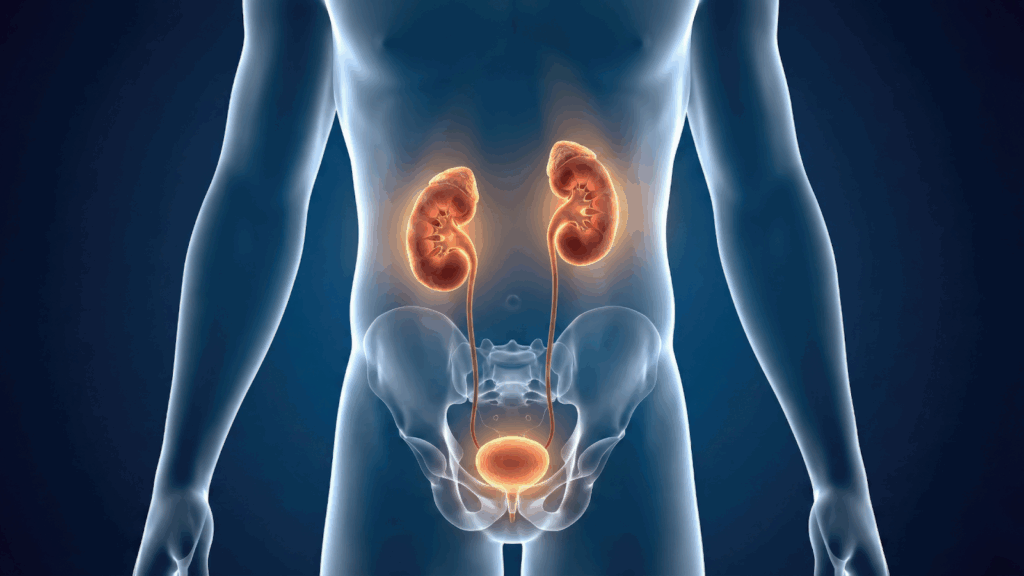
How the Bladder Neck & Pelvic Floor Work Together

The bladder neck acts as an internal valve. The pelvic floor muscles support and reinforce that valve externally.

When functioning properly:

  1. The bladder fills
  2. The bladder neck remains closed
  3. The pelvic floor provides support
  4. Urination occurs voluntarily

Bladder storage capacity and control are crucial for maintaining continence, as they ensure the bladder can hold urine until voluntary voiding occurs.

When coordination breaks down, male urinary incontinence can develop. Voiding dysfunction can disrupt the coordination between the bladder and pelvic floor, leading to incontinence.

This is why pelvic floor therapy is often central to recovery.

Treatment for Urinary Incontinence in Males

Treatment is tailored to the incontinence type, severity, and underlying cause. Most men benefit from conservative, non-surgical approaches first.
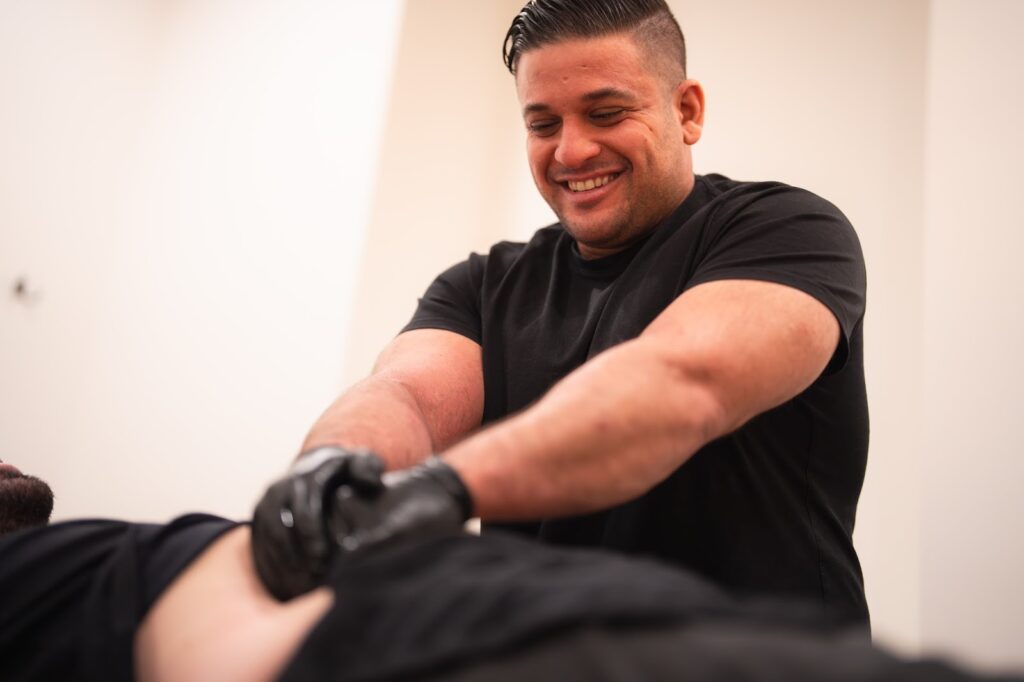
1. Pelvic Floor Physical Therapy

  • Strengthens muscles supporting the bladder and urethra
  • Improves sphincter timing and coordination
  • Reduces urgency and leakage
  • Supervised training improves outcomes

2. Bladder Retraining

  • Gradually increases bladder capacity
  • Reduces urgency frequency
  • Restores nervous system coordination

3. Lifestyle Adjustments

  • Limit caffeine, alcohol, and bladder irritants
  • Maintain hydration without overloading the bladder
  • Support bowel regularity and healthy weight

4. Incontinence Pads

  • Provide temporary support during recovery
  • Do not address underlying dysfunction

5. Medications

  • Anticholinergics for urge symptoms
  • Alpha-blockers if enlarged prostate contributes to obstruction

6. Surgical Options

Reserved for men who do not respond to conservative therapy:

  • Artificial Urinary Sphincter: Gold standard for severe post-prostatectomy stress incontinence
  • Male Sling Surgery: Supports urethra to reduce leakage during physical activity

Managing Mixed Incontinence in Men

For mixed incontinence, a combination approach is most effective:

  • Bladder training for urgency control
  • Pelvic floor exercises for stress support
  • Lifestyle modifications to reduce bladder irritation
  • Medications if necessary
  • Surgery only if conservative therapy fails

With a personalized treatment plan, most men achieve significant improvement and regain confidence.

Why Choose Pelvis NYC for Urinary Incontinence in Males?

At Pelvis NYC, we specialize in pelvic floor physical therapy for men.

Our approach includes:

  • Comprehensive evaluation
  • Evidence-based pelvic floor muscle training
  • Bladder retraining programs
  • Strength and coordination retraining
  • Respectful, private, patient-centered care

We understand the stigma men face around bladder control problems — and we approach care with professionalism and discretion.

👉 Schedule a consultation with Pelvis NYC to start a personalized treatment plan designed for your body and goals.

Most men improve without surgery. Early treatment makes the biggest difference.


Frequently Asked Questions

What causes urinary incontinence in males?

Common causes include pelvic floor weakness, prostate surgery, nerve dysfunction, and overactive bladder.

Can pelvic floor therapy fix male incontinence?

Yes. Many men see significant improvement or full resolution with supervised therapy.

Is urinary incontinence normal in younger men?

It’s not uncommon, but it’s not normal — and it’s treatable.

How long does pelvic floor therapy take?

Most men see improvements within 4–8 weeks, depending on severity.

When is surgery necessary?

Surgery is typically considered only after conservative treatments fail.


Key Takeaway on Male Urinary Incontinence Types

Urinary incontinence in males is highly treatable — but only when the type is properly identified.

  • Stress incontinence → Support & strength
  • Overactive bladder → Nervous system & bladder retraining
  • Overflow incontinence → Evaluate obstruction first
  • Mixed incontinence → Combination therapy
  • Functional incontinence → Address mobility barriers

Pelvic floor dysfunction is often part of the picture — which is why conservative therapy remains the foundation of treatment.

Related Blog: Therapy for Urinary Incontinence: Know How Pelvic Floor Therapy Works

Therapy for Urinary Incontinence: Know How Pelvic Floor Therapy Works
Therapy for Urinary Incontinence: Know How Pelvic Floor Therapy Works
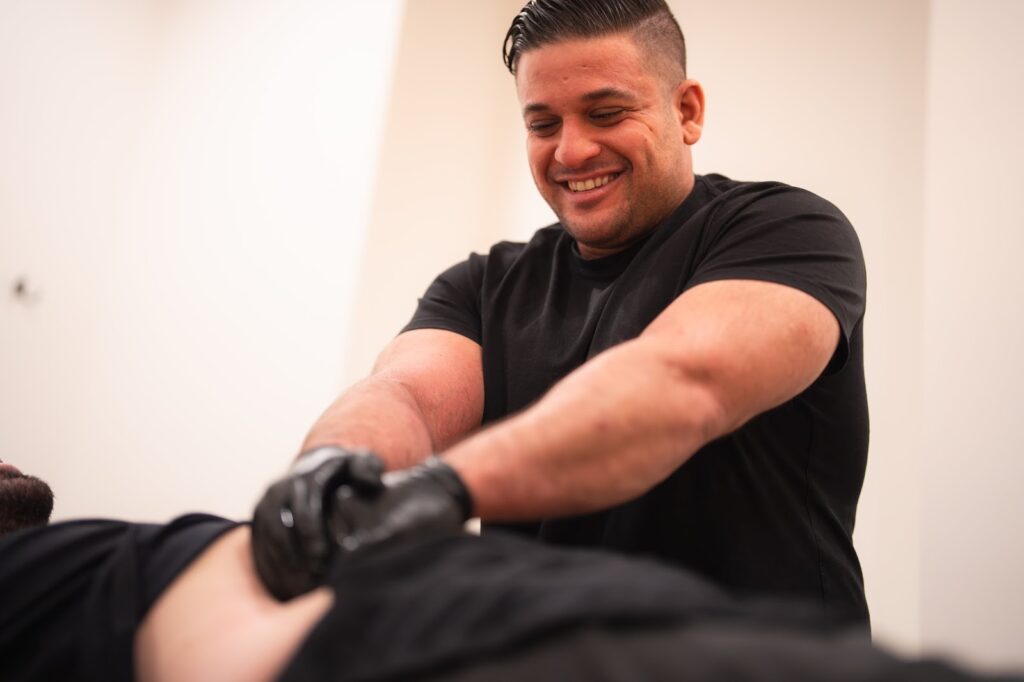
What Is the Best Therapy for Urinary Incontinence?

The most effective therapy for urinary incontinence depends on the type of leakage, but pelvic floor physical therapy and bladder training are considered first-line treatments for most cases. Less invasive treatments are typically tried before considering invasive treatments such as surgery or advanced diagnostic procedures. Research consistently shows that pelvic floor muscle training significantly improves bladder control in both men and women. 

Behavioral therapies are often non-invasive and lack side effects. Surgery and minimally invasive procedures are typically reserved for moderate to severe cases when conservative therapy isn’t enough. Examples of behavioral therapies and lifestyle changes include fluid management, quitting smoking, and reducing caffeine or alcohol to help manage urinary incontinence symptoms.

Now let’s break down what actually works — and how to know what’s right for you.


What Is Urinary Incontinence?

Urinary incontinence is the involuntary leakage of urine. It affects an estimated 25–45% of women and up to 16% of men under age 60, according to research published in European Urology. It’s common — but it’s not “normal” and it’s very treatable.

Bladder control problems can range from occasional leakage during exercise to sudden, intense urges that are difficult to control.

There are different types, and treatment depends on which one you have.


Types of Urinary Incontinence

Understanding the type of leakage is critical because treatment for urinary incontinence is not one-size-fits-all.

1. Stress Urinary Incontinence (SUI)

Stress urinary incontinence happens when urine leaks during pressure activities like:

  • Coughing
  • Sneezing
  • Running
  • Jumping
  • Lifting

It’s often linked to weakened pelvic floor muscles. Kegel exercises are especially effective for stress incontinence but may also help with urge incontinence.

Common in:

  • Postpartum women
  • Women after multiple pregnancies
  • Men after prostate surgery

Medical interventions to treat stress incontinence include minimally invasive procedures such as injections of bulking agents. Urethral bulking injections involve injecting a gel-like substance around the urethra to help it stay closed and reduce leaks.

2. Urge Incontinence (Overactive Bladder)

Urge incontinence is associated with an overactive bladder, where you feel a sudden, strong urge to urinate that’s hard to delay. The clinical term for this condition is overactive bladder syndrome.

Symptoms include:

  • Frequent urination
  • Waking at night to urinate
  • Sudden leakage before reaching the bathroom

This is often related to nervous system signaling and bladder sensitivity. Medications for urge incontinence, such as Mirabegron and Oxybutynin, work by relaxing the bladder muscle to reduce urgency and frequency. Another class of medications, anticholinergics, also help relax the bladder muscle and are commonly used in the treatment of urinary incontinence.

3. Mixed Incontinence

A combination of stress urinary incontinence and urge incontinence. Bladder training and vaginal estrogen therapy are effective treatment options for urge and mixed incontinence, helping to alleviate symptoms such as urgency and frequency.

Why Physical Therapy Is Often the First Treatment

Major medical organizations, including the American Urological Association and the American College of Obstetricians and Gynecologists, recommend conservative therapy first. Consulting a physical therapist or pelvic floor physical therapist can help guide therapy for urinary incontinence and ensure pelvic floor muscle exercises are performed correctly.

Pelvic floor physical therapy works because urinary control depends on:

When these systems are optimized, leakage often improves significantly — without surgery.

How Pelvic Floor Muscle Training Helps

Pelvic floor muscle training (PFMT) strengthens and retrains the muscles that support the bladder and urethra.

But here’s what many people don’t realize:

It’s not just about doing Kegels.

Effective therapy includes:

  • Proper muscle identification
  • Coordination training
  • Relaxation training (for urge symptoms)
  • Functional integration (during exercise, coughing, lifting)
  • Pelvic floor muscle exercises such as Kegel exercises

Kegel exercises involve repeated muscle contractions to strengthen the muscles that control urination. You don’t need special equipment for Kegel exercises, but biofeedback can help ensure they are done correctly.

A 2018 Cochrane Review found that women with stress urinary incontinence were 8 times more likely to report cure or improvement after supervised pelvic floor muscle training compared to no treatment.

That’s powerful evidence.

What Happens in Pelvic Floor Physical Therapy?

During your first visit, a pelvic floor therapist will:

  • Review your symptoms and history
  • Assess posture, breathing, and core control
  • Evaluate pelvic floor muscle strength and coordination
  • Create a customized treatment plan

Treatment may include:

  • Biofeedback
  • Manual therapy
  • Bladder training
  • Core strengthening
  • Behavioral strategies

For men and women aged 21–48, this is often enough to restore control without invasive intervention.


Bladder Training: Rewiring the Urge

Bladder training is especially effective for overactive bladder and urge incontinence.

It involves:

  1. Timed voiding
  2. Gradual delay techniques
  3. Urge suppression strategies
  4. Nervous system calming exercises

Bladder training helps individuals gradually increase the time between bathroom visits to improve bladder control. A key part of this therapy is to delay urination, which allows the bladder to hold more urine over time. By practicing these techniques, bladder training can help manage urinary incontinence by gradually increasing the time between bathroom trips.

The goal is to teach the bladder to tolerate filling again.

Many patients see improvement within 6–8 weeks.

Alternative Treatment Options for Urinary Incontinence

While conventional therapies like pelvic floor muscle training and bladder retraining are highly effective for most people, some individuals look for additional or alternative ways to manage urinary incontinence. Whether you’re dealing with stress incontinence, overactive bladder, or urge incontinence, exploring a range of treatment options can help you find the best approach for your lifestyle and needs.

Lifestyle modifications are often the first step. Maintaining a healthy weight, quitting smoking, and managing chronic cough can reduce pressure on the bladder and pelvic floor, helping to prevent urine leakage. For some, adjusting fluid intake—such as limiting caffeine, alcohol, and carbonated drinks—can minimize bladder irritation and reduce symptoms of overactive bladder.

Dietary changes may also play a role. Some people find that avoiding spicy foods, artificial sweeteners, or acidic fruits helps control urge incontinence and bladder sensitivity. Keeping a bladder diary can help identify personal triggers and patterns.

Herbal remedies and supplements like pumpkin seed extract, corn silk, and magnesium have been explored for bladder health, though scientific evidence is still emerging. Always consult a healthcare professional before starting any supplement, as interactions and side effects are possible.

Acupuncture and other mind-body therapies, such as yoga and meditation, have shown promise in small studies for improving bladder control and reducing urgency incontinence. These approaches may help by calming the nervous system and supporting pelvic floor relaxation.

Electrical stimulation devices for home use are available in some regions, offering gentle stimulation to the pelvic floor muscles to improve strength and coordination. These are less invasive than surgical procedures but should be used under the guidance of a health care professional.

While alternative treatments can complement standard care, it’s important to discuss any new therapy with your provider to ensure it’s safe and appropriate for your specific type of urinary incontinence. Combining these options with evidence-based therapies can help you regain confidence and improve your bladder health.

When Conservative Therapy Isn’t Enough

While physical therapy is highly effective, some cases require additional treatment options. If conservative therapy is not effective, other treatments such as medications or surgical options may be considered to treat incontinence. In certain cases where other treatments have failed, a healthcare provider may suggest surgery to address urinary incontinence or related bladder issues.

Minimally Invasive Procedures

For stress urinary incontinence in women, a sling surgery may be recommended. This procedure supports the urethra to prevent leakage during pressure. Sling surgery is a common surgical procedure used to treat stress incontinence in women, and surgical procedures for urinary incontinence may involve synthetic mesh slings to support the urethra. Sling surgery is considered an invasive treatment option.

For men with severe post-prostatectomy incontinence, an artificial urinary sphincter may be considered.

These procedures are typically reserved for:

  • Severe cases
  • Failed conservative therapy
  • Significant quality-of-life impairment

Overflow incontinence may require different interventions, such as catheterization or surgery to remove blockages or widen the urethra.

They are not first-line treatments for most people in their 20s, 30s, or 40s.

Comparing Treatment Options

TreatmentBest ForInvasivenessFirst-Line?
Pelvic Floor Muscle TrainingStress & MixedNon-invasiveYes
Bladder TrainingUrge IncontinenceNon-invasiveYes
MedicationOveractive BladderModerateSometimes
Sling SurgerySevere Stress UISurgicalNo
Artificial Urinary SphincterSevere Male UISurgicalNo

Urinary Incontinence in Women vs Men

Urinary Incontinence in Women

More common due to:

  • Pregnancy
  • Vaginal delivery
  • Hormonal changes (Topical estrogen is used for postmenopausal women to strengthen urethral and vaginal tissues.)
  • Connective tissue differences

Vaginal estrogen therapy may improve bladder and vaginal tissue health in postmenopausal women, helping to reduce urinary incontinence symptoms.

A pessary is a soft, plastic device inserted into the vagina to help support the bladder and reduce leaks in women with stress incontinence.

Stress urinary incontinence is especially prevalent postpartum.

Urinary Incontinence in Men

More common after:

  • Prostate surgery
  • Nerve injury
  • Aging-related changes

An enlarged prostate can obstruct urine flow, leading to symptoms such as dribbling, urgency, and overflow incontinence.

Men often benefit greatly from pelvic floor muscle training but are less likely to seek early care.

Common Myths About Bladder Control Problems

Myth #1: It’s just aging.
No. While risk increases with age, leakage is treatable.

Myth #2: Kegels fix everything.
Incorrect technique can worsen symptoms.

Myth #3: Surgery is inevitable.
Most people improve with therapy alone.


Case Example

A 34-year-old postpartum patient with stress urinary incontinence saw complete resolution after 10 weeks of supervised pelvic floor muscle training and bladder retraining.

A 42-year-old male with urge incontinence improved frequency from 15 times daily to 7 through bladder training and nervous system regulation.

These are not rare outcomes — they’re typical when therapy is done correctly.


When Should You Seek Treatment for Urinary Incontinence?

You should seek care if:

  • Leakage happens more than once a week
  • You avoid exercise due to fear of leaking
  • You feel sudden, uncontrollable urges
  • Leakage affects intimacy or confidence

Leaking urine can occur for a variety of reasons, including functional incontinence. Functional incontinence happens when a person is unable to reach the bathroom in time due to physical or cognitive limitations.

Early therapy improves outcomes significantly.

Why Choose Pelvis NYC for Therapy for Urinary Incontinence?

At Pelvis NYC, we specialize in evidence-based pelvic floor physical therapy for bladder control problems in both men and women.

Our approach includes:

  • Comprehensive initial evaluation
  • Individualized pelvic floor muscle training
  • Bladder training programs
  • Trauma-informed, respectful care
  • Non-invasive treatment-first philosophy

We work collaboratively to reduce leakage, improve confidence, and restore normal daily function.

👉 Schedule a consultation with Pelvis NYC today to start your personalized treatment plan.


Frequently Asked Questions

What is the best therapy for urinary incontinence?

Pelvic floor physical therapy and bladder training are first-line treatments for most types.

Can pelvic floor muscle training cure stress urinary incontinence?

Many patients experience full resolution or significant improvement with supervised training.

What is the difference between stress and urge incontinence?

Stress incontinence occurs with pressure; urge incontinence involves sudden, strong urges.

When is sling surgery recommended?

Typically, for moderate to severe stress urinary incontinence that doesn’t improve with therapy.

Can men benefit from pelvic floor therapy?

Yes. Especially after prostate surgery or with overactive bladder symptoms.


Final Takeaway

Therapy for urinary incontinence should start conservatively, focus on pelvic floor muscle training and bladder retraining, and escalate only when necessary. Most men and women between 21–48 can significantly improve — often without medication or surgery.

Bladder control problems are common. They are not embarrassing. And they are treatable.

Holding in Your Pee: See its Effect on Pelvic Floor

Holding in Your Pee: See its Effect on Pelvic Floor

Welcome to the realm of pelvic floor health! Did you know that something as simple as holding in your pee can have unexpected consequences for your pelvic floor muscles? These hardworking muscles play a vital role in supporting your bladder and maintaining healthy urinary function. In this article, we’ll unveil the intriguing connection between holding in urine and the weakening of pelvic floor muscles. Get ready to unlock the secrets to a strong and resilient pelvic floor, bid farewell to incontinence worries, and pee with confidence!

Understanding the Pelvic Floor

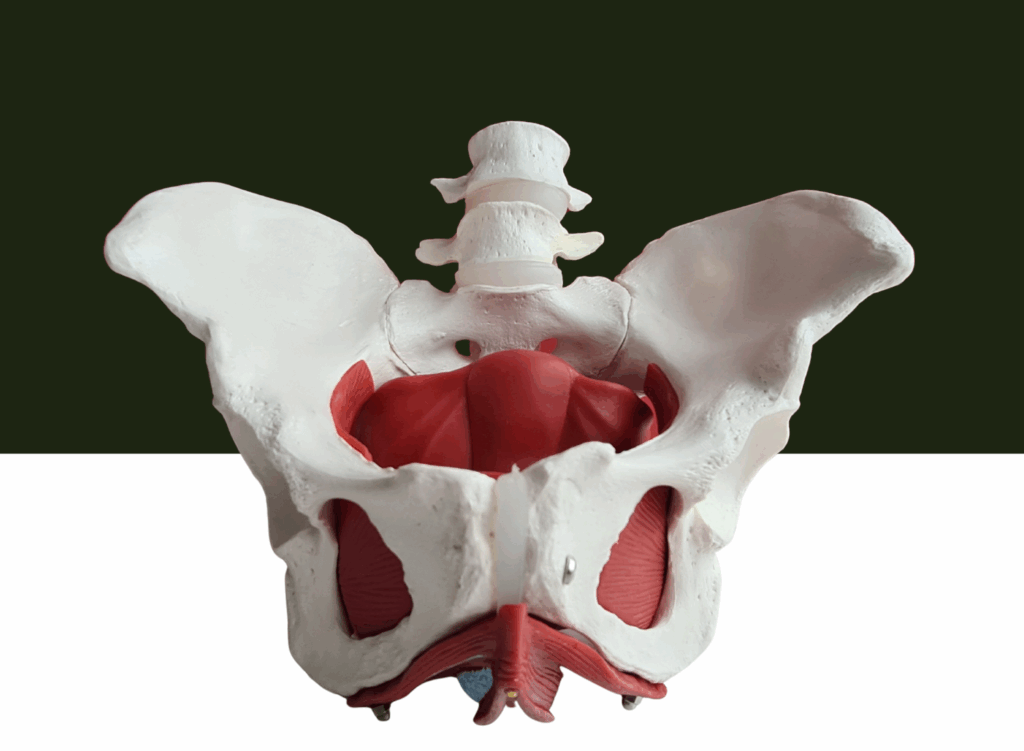
Imagine a hammock-like structure cradling your bladder, rectum, and other pelvic organs. That’s your pelvic floor! It’s made up of a complex network of muscles that provide essential support and control for these organs. These unsung heroes, when in tip-top shape, ensure proper bladder control and prevent leakage. But when weakened or damaged, they can give rise to urinary incontinence, frequent trips to the bathroom, and other unwelcome surprises.

The Impact of Holding in Your Pee

Ah, the urge to go but holding it in for various reasons—we’ve all been there. However, delaying the urge to urinate for an extended period can place undue strain on your pelvic floor muscles, leading to potential complications. Over time, this repetitive stress weakens the muscles, leading to reduced muscle tone and potentially causing urinary incontinence or other peeing problems. We must remember that our pelvic floor muscles crave exercise and care, just like any other muscles in our body! But don’t worry we have expert tips on how to manage urinary issues.

Prevention and Tips for Maintaining Pelvic Floor Health

  1. Embrace your urges: When nature whispers, listen! Train yourself to respond to the call of nature promptly. Avoid unnecessarily delaying bathroom trips, especially for extended periods.
  2. Hydration is key: Your bladder loves to be hydrated! Ensure you drink enough water throughout the day, as proper hydration supports healthy bladder function.
  3. Power up with pelvic floor exercises for urinary issues: Unleash the hidden strength within! Regular pelvic floor exercises, such as the famous Kegels, can strengthen these muscles. Squeeze, hold, release, and repeat!
  4. Healthy lifestyle, happy pelvic floor: Nourish your body, and your pelvic floor will thank you. Maintain a well-rounded lifestyle with balanced nutrition, and regular physical activity, and strive to maintain a healthy weight.
  5. Seek guidance from the pros: If you’re experiencing persistent urinary incontinence or other peeing problems, reach out to healthcare professionals or specialized pelvic floor experts. They can provide personalized advice and offer tailored treatment options to address your unique concerns.

Conclusion in Holding in Your Pee

Congratulations! You’re now armed with the knowledge to unleash the full potential of your pelvic floor. Remember, holding in your urine can weaken those hardworking muscles, potentially leading to urinary incontinence and other pee-related troubles. By making pelvic floor health a priority through proper care, targeted exercises, and seeking expert guidance when needed, you can support optimal bladder function and enjoy a life free from leaks.

Let’s embark on this journey together, where a strong pelvic floor translates to confidence, freedom, and a happier, leak-free life. Get ready to unlock the power of your pelvic floor and embrace a new level of control and well-being! Visit www.pelvis.nyc today and get a FREE 15-minute teleconsultation.

Managing Urinary Issues: Expert Tips from a Physical Therapist

Managing Urinary Issues: Expert Tips from a Physical Therapist

How Do You Manage Urinary Issues?

Most urinary issues—like leakage, urgency, or incomplete emptying—can be significantly improved with a combination of pelvic floor physical therapy, bladder training, lifestyle changes, and medical guidance when needed. Maintaining a healthy weight through regular exercise and healthy eating can help reduce the risk of urinary issues. The key is identifying the root cause (muscle weakness, nerve dysfunction, hormonal shifts, or prostate issues) and following a personalized treatment plan. It is important to consult a healthcare provider to develop a management strategy tailored to your needs and to address any underlying health problems.

For many adults aged 21–48, conservative care such as pelvic floor therapy is the first and most effective step.


Urinary problems are more common than most people realize—and they don’t only affect older adults. In my clinical practice as a pelvic health physical therapist, I regularly treat men and women in their 20s, 30s, and 40s dealing with:

  • Sudden urgency
  • Leakage during workouts
  • Postpartum bladder control changes
  • Frequent nighttime urination
  • Difficulty fully emptying the bladder
  • Bladder control problems that may cause some people to leak urine or limit their activities in fear of not making it to a bathroom in time

According to the National Association for Continence, over 25 million Americans experience some form of urinary incontinence. The Centers for Disease Control and Prevention reports that urinary incontinence affects nearly 1 in 3 women at some point in their lives. Bladder control problems can significantly impact daily life, especially if you avoid activities because you are worried about not reaching the bathroom in time.

The good news? Most urinary dysfunction is treatable—and often reversible—with the right approach.


What Are Urinary Issues?

urinary issues

Urinary issues refer to dysfunction involving the bladder, urethra, nerves, or pelvic floor muscles that interfere with normal urination.

Common symptoms include:

  • Urine leakage (incontinence)
  • Frequent urination (more than 8 times daily)
  • Sudden, intense urgency or urge to urinate
  • Strong urge or intense urge to pass urine
  • Painful urination
  • Weak urine stream
  • Feeling unable to fully empty the bladder
  • Blood in the urine
  • Cloudy or foul-smelling urine
  • Waking up more than once each night to pass urine (nocturia)

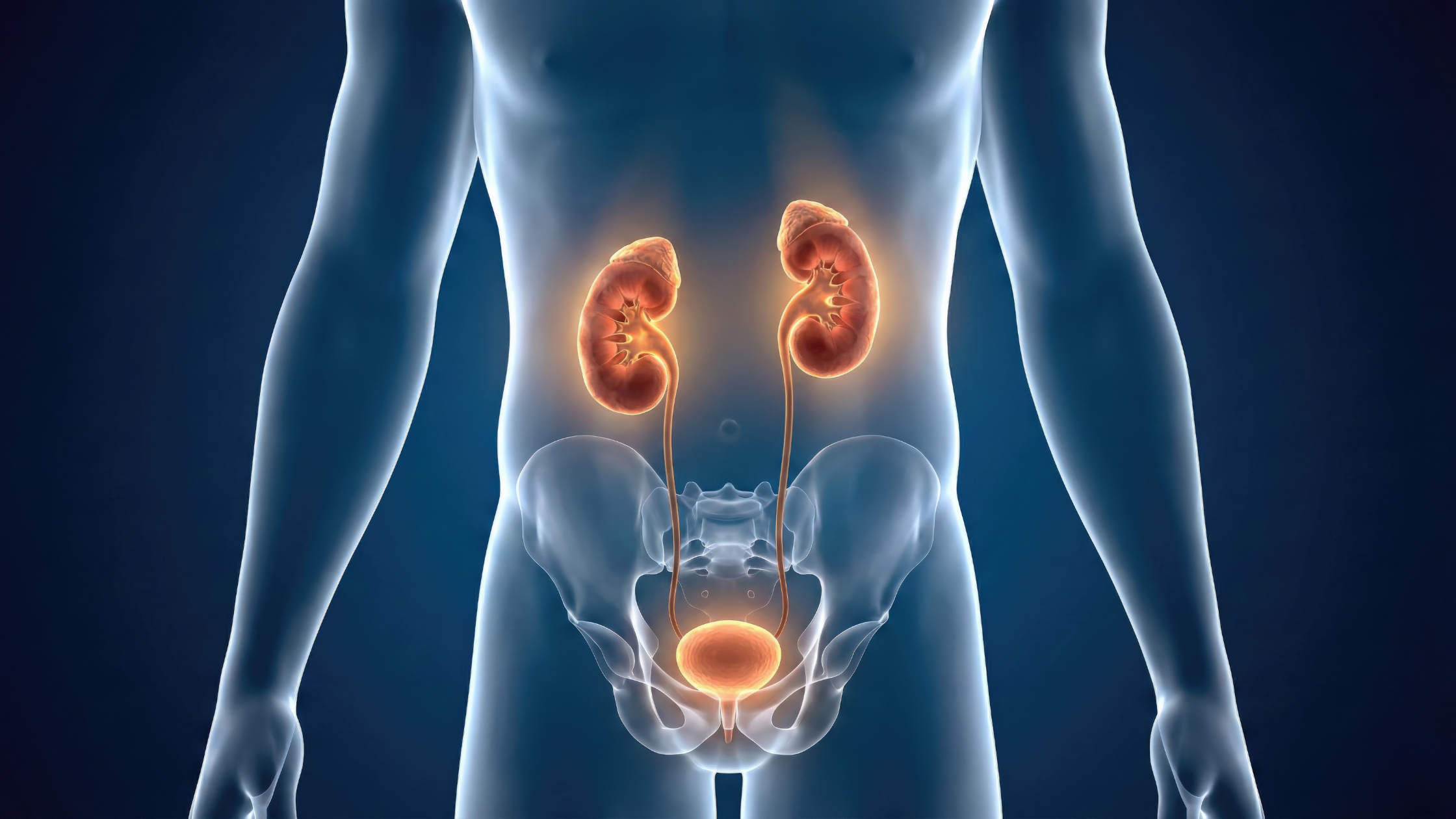
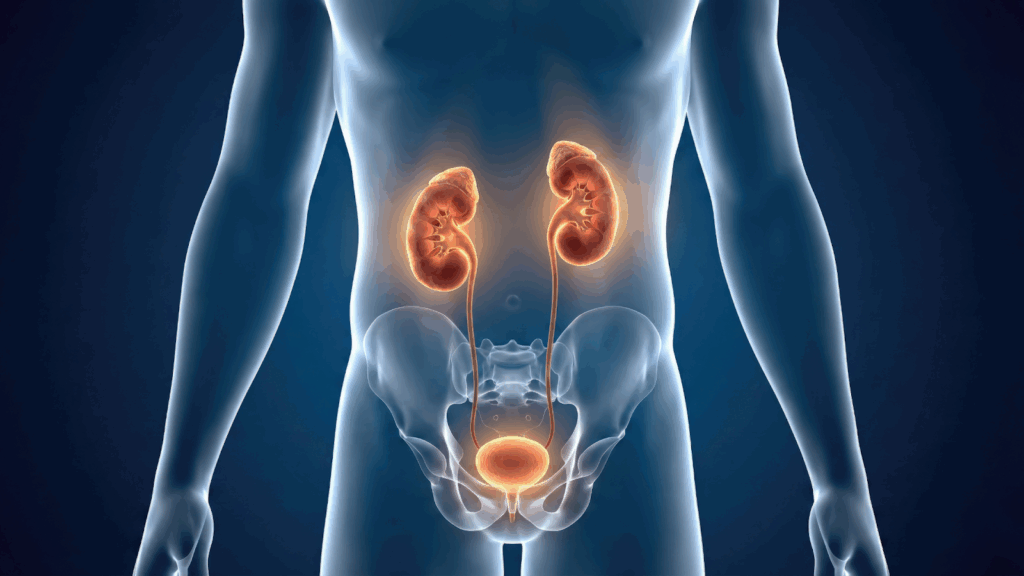
The urinary system includes the kidneys, bladder, ureters, and urethra. These organs work together to carry urine out of the body.

The bladder itself is a muscular organ about the size of a grapefruit when full. It relies heavily on coordination between:

  1. The detrusor muscle (bladder muscle)
  2. The urethral sphincter
  3. The pelvic floor muscles
  4. The nervous system

Nerves and muscles, including the sphincter muscles, coordinate through nerve signals to control bladder function. Proper communication between these components is essential for normal urination, and disruptions can lead to urinary issues.

A bladder diary and pad test are useful tools for tracking symptoms and diagnosing urinary issues.

When this system falls out of sync, symptoms begin.

Types of Urinary Incontinence (And Why It Matters)

Not all bladder leaks are the same. Bladder control problems and bladder control issues can affect anyone, but they are more common in certain groups and at certain times in life, such as during pregnancy, after childbirth, menopause, or with prostate problems in men. Understanding the type helps determine the correct treatment.

1. Stress Incontinence

Leakage triggered by coughing, laughing, jumping, or lifting. Common in postpartum women and athletes.

Cause: Stress incontinence occurs when weakened pelvic floor muscles, often due to childbirth or aging, make it hard for the bladder to hold urine. The primary symptom is leaking urine before you can make it to the bathroom or during activities like sneezing, coughing, laughing, or exercising.

2. Urge Incontinence

Sudden, overwhelming need to urinate, often described as a strong urge or intense urge, followed by leakage. This is characteristic of urge incontinence, where the sudden, intense urge to urinate is difficult to control and may result in involuntary urine leakage.

Often linked to overactive bladder (OAB).

Cause: Involuntary bladder contractions.

Dietary bladder irritants can also increase urinary frequency and urgency.

3. Overflow Incontinence

Dribbling caused by incomplete bladder emptying.

Cause: Obstruction (e.g., enlarged prostate) or nerve dysfunction. Overflow incontinence can be associated with urinary retention, which is the inability to completely empty the bladder. Urinary retention is commonly caused by physical blockages or nerve damage.

4. Functional Incontinence

Physical or mobility barriers prevent timely bathroom access.


Why Are Urinary Issues Happening at 21–48 Years Old?

Many younger adults are surprised when bladder symptoms appear. Common triggers include:

  • Drinking caffeine or alcohol late in the day
  • High fluid intake before bed
  • Stress or anxiety
  • Certain medications

Underlying health issues can also contribute to urinary symptoms. A sudden increase in urination that can’t be explained, especially at night, may indicate a bladder problem or diabetes.

For Women

  • Pregnancy and childbirth
  • Hormonal shifts
  • High-impact exercise
  • Chronic constipation

Pelvic floor exercises during and after pregnancy can help prevent urinary incontinence by strengthening the pelvic muscles.

For Men

  • Prostate inflammation

Prostate inflammation, or prostatitis, can lead to urinary issues such as pain, urgency, and frequent urination. Benign prostatic hyperplasia (BPH) is another common, non-cancerous enlargement of the prostate gland that can cause urinary difficulties, such as trouble starting urination or incomplete bladder emptying, especially as men age.

  • Chronic straining
  • Post-surgical changes
  • Pelvic floor tension

For Both

  • Stress and anxiety
  • Caffeine overload
  • Sedentary lifestyle
  • Heavy lifting without core coordination. Certain physical activities, such as high-impact exercise, can also trigger stress incontinence by increasing pressure on the bladder.

Research published in the Journal of Women’s Health Physical Therapy shows pelvic floor muscle training improves stress incontinence symptoms by up to 70% in appropriately selected patients.

How Pelvic Floor Physical Therapy Helps Urinary Incontinence

Pelvic floor therapy is often the most underutilized yet highly effective treatment for urinary dysfunction.

As a Doctor of Physical Therapy specializing in pelvic health, I assess:

  • Muscle strength
  • Coordination
  • Endurance
  • Relaxation ability
  • Breathing mechanics
  • Core and hip function
  • Bladder muscles and the coordination of nerves and muscles that control bladder function

Keeping a bladder diary is also recommended to track urination patterns, symptoms, and progress, which can help identify urinary issues and guide treatment.

Treatment May Include:

Kegels for urinary issues
  • Targeted Kegel progressions (not generic instructions)
  • Biofeedback training
  • Electrical stimulation (if appropriate)
  • Manual therapy for tight muscles
  • Bladder retraining protocols
  • Behavioral strategies

A pad test may also be used during assessment to objectively measure urine leakage, involving a specially treated pad that changes color upon urine leakage.

A 2018 systematic review published in Cochrane Database of Systematic Reviews found pelvic floor muscle training significantly improves or cures stress urinary incontinence compared to no treatment.

Why This Matters

Many people try random Kegels they found online. But doing them incorrectly—or when muscles are actually tight—can worsen symptoms.

Professional guidance ensures:

  • Correct diagnosis
  • Proper muscle activation
  • Customized progression

If you’re in New York City, you can schedule an evaluation at Pelvis NYC for personalized care from pelvic health specialists.


Bladder Training: How to Retrain Urgency

If you feel like you’re constantly running to the bathroom, bladder training can help.

Step-by-Step Approach

  1. Track urination patterns for 3 days.
  2. Set scheduled voiding intervals.
  3. Gradually increase time between bathroom trips.
  4. Use urge-suppression breathing techniques.

Many patients improve urgency within 4–6 weeks.


Hydration & Diet: What Actually Helps?

Drinking habits, such as alcohol and caffeine intake, can significantly affect bladder health. Consuming alcohol and caffeine can cause the body to produce more urine, which may irritate the bladder and increase urination frequency. Hydration is important for bladder health—too little fluid can irritate the bladder, while too much can increase frequency. Dietary adjustments for managing urinary issues include limiting bladder irritants like caffeine, alcohol, and spicy foods. Cutting down on alcohol and caffeine can help manage urinary health.

Bladder irritants are often overlooked contributors.

Reduce or Eliminate:

  • Caffeine
  • Alcohol
  • Artificial sweeteners
  • Carbonated drinks
  • Highly acidic foods

Improve With:

  • 6–8 glasses of water spaced evenly
  • Increased fiber (25–30g daily)
  • Anti-inflammatory foods

Constipation increases pelvic floor pressure and can worsen incontinence.


Painful Urination: When to See a Doctor

urinary issues

Burning or pain during urination may indicate:

The Mayo Clinic advises seeking medical evaluation if painful urination is persistent, accompanied by fever, or includes blood in urine.

Always rule out infection first. If labs are clear, pelvic floor dysfunction may be the hidden cause.


Lifestyle Adjustments That Make a Big Difference

Here are practical, real-world changes I recommend to patients:

Maintain a healthy weight through regular physical activities, as this can help reduce the risk of urinary issues.

Limit caffeine and alcohol, as these can irritate the bladder.

Try to drink less fluid before bedtime to help reduce nighttime urination.

Schedule bathroom visits every 2-4 hours, even if you don’t feel the urge.

Practice pelvic floor exercises (Kegels) to strengthen the muscles that control urination.

1. Stop “Just in Case” Bathroom Trips

Frequent preventive urination shrinks bladder capacity.

2. Coordinate Breathing with Movement

Exhale during lifting to reduce pressure on the pelvic floor.

3. Strengthen Your Hips and Core

Pelvic stability improves bladder control.

4. Manage Stress

Chronic tension affects pelvic floor relaxation.


Medical Treatment Options (When Needed)

If conservative therapy isn’t enough:

  • Anticholinergic medications
  • Beta-3 agonists
  • Neuromodulation therapy
  • Botox injections
  • Surgery: Surgical treatment for stress incontinence may involve a sling procedure to reduce pressure on the bladder.

Physical therapy is often recommended before surgical intervention.

Real Case Example

A 34-year-old fitness instructor came to our clinic with stress incontinence during jump training. She assumed it was “normal after childbirth.”

After 8 sessions of pelvic floor therapy focused on coordination (not just strength), she returned to full workouts without leakage.

Bladder dysfunction is common—but not normal.


Frequently Asked Questions (FAQ)

What is the fastest way to stop urinary leakage?

The fastest improvement typically comes from guided pelvic floor physical therapy combined with bladder habit changes.

Can urinary incontinence go away on its own?

Mild cases sometimes improve, but most benefit from structured treatment.

How long does pelvic floor therapy take?

Most patients notice improvement within 4–8 weeks.

Are Kegels enough to fix bladder leaks?

Not always. Incorrect technique or underlying tension can worsen symptoms.

When should I see a specialist?

If symptoms last more than 2–4 weeks, interfere with exercise, sleep, or daily life, seek evaluation.


Take Control of Your Bladder Health

Urinary issues can feel isolating—but they are highly treatable. Whether you’re dealing with leaks during workouts, postpartum changes, or sudden urgency at work, help is available.

At Pelvis NYC, we specialize in evidence-based pelvic floor physical therapy for men and women.

👉 Schedule your consultation today at www.pelvis.nyc and take the first step toward lasting bladder control.


Related Resource

How Holding in Your Pee Can Affect Your Pelvic Floor →

Benefits of Pelvic Floor Therapy to Urinary Incontinence

image for urinary incontince and pelvic floor therapy

Urinary incontinence is the involuntary leakage of urine caused by changes in bladder control, pelvic floor muscle function, or nervous system signaling. It is more common in women than in men, particularly due to reproductive health events such as pregnancy, childbirth, and menopause. While it is common, it is not a normal part of aging—and most cases are highly treatable with the right care.

Despite affecting more than 25 million adults in the United States, more than 4 in 10 women aged 65 and older experience urinary incontinence. The risk increases with age, especially after 50. Urinary incontinence affects twice as many women as men, often due to reproductive health events unique to women. Chronic urinary incontinence is a persistent form of the disorder. Although it can occur at any age, it is more common in women over 50. Many people delay treatment due to embarrassment or the belief that nothing will help.


Introduction to Urinary Incontience

Urinary incontinence, or loss of bladder control, is a widespread condition that affects people of all ages and backgrounds. It occurs when the bladder muscles and pelvic floor muscles are unable to work together effectively, leading to involuntary urine leakage.

There are several types of urinary incontinence, each with distinct causes and symptoms, including stress incontinence, urge incontinence (overactive bladder), mixed incontinence, and overflow incontinence. While it can be distressing, understanding the underlying issues—such as weak pelvic floor muscles or changes in bladder control—can help guide effective treatment.

This article explores the different types of urinary incontinence, what causes them, how they are diagnosed, and the most effective ways to manage and improve bladder control.


How Urinary Incontinence Affects Daily Life

Urinary incontinence impacts far more than bladder function. The primary symptom is urine leakage before reaching the bathroom or during activities such as sneezing, coughing, laughing, or exercising.

Many people experience changes in:

  • Exercise and physical activity
  • Sleep quality
  • Work and social confidence
  • Sexual health and intimacy

Even mild leakage can create ongoing stress, which may further worsen bladder symptoms through increased pelvic floor muscle tension.

Functional incontinence can occur when physical limitations or disabilities prevent timely access to a restroom, leading to urine leakage.


Common Symptoms of Urinary Incontinence

Symptoms vary depending on the underlying cause and may include:

  • Urine leakage with movement, coughing, or exercise
  • Sudden urinary urgency followed by leakage
  • Frequent urination or nighttime urination
  • Difficulty holding urine
  • Dribbling or incomplete bladder emptying

Keeping a bladder diary may help identify patterns in urination and can be used as part of bladder training to improve bladder control. Identifying symptom patterns helps guide effective treatment.


Types of Urinary Incontinence

Urinary incontinence is not a single condition. There are four main types: stress, urge, functional, and overflow incontinence. The two most common types affecting women are stress incontinence and urge incontinence, also known as overactive bladder.

Understanding the type is essential for choosing the right treatment approach. Many women experience a combination of stress and urge incontinence, referred to as mixed incontinence.

Stress Incontinence

Leakage occurs when pressure is placed on the bladder, such as during coughing, sneezing, or exercise.

Urge Incontinence (Overactive Bladder)

Urge incontinence is characterized by urinary urgency—a sudden, intense need to urinate—followed by involuntary leakage. This condition is often linked to bladder or pelvic floor muscle overactivity. Anticholinergic medications are commonly prescribed to treat overactive bladder and urge incontinence.

Mixed Urinary Incontinence

Many women experience both stress and urge symptoms, a condition known as mixed urinary incontinence. Treatment must address both muscle coordination and bladder signaling.

Overflow Urinary Incontinence

Leakage caused by incomplete bladder emptying is often related to pelvic floor tension, nerve issues, or prostate problems.


Causes and Risk Factors

Urinary incontinence can develop for many reasons, often involving a combination of physical, medical, and lifestyle factors. Weakness or dysfunction of the pelvic floor muscles is a leading cause, especially after pregnancy, vaginal birth, or pelvic surgery. Hormonal changes during menopause can also weaken the support structures of the urinary tract.

Certain medical conditions—such as benign prostatic hyperplasia (enlarged prostate), multiple sclerosis, diabetes, and chronic urinary retention—can disrupt nerve signaling between the bladder and brain. Prostate surgery in men and pelvic organ prolapse in women are additional risk factors.

Other contributors include chronic constipation, obesity, frequent heavy lifting, and persistent coughing, all of which place extra pressure on the bladder and pelvic organs. While aging is associated with changes in bladder muscle function and elasticity, urinary incontinence is not inevitable.

Lifestyle habits, including high intake of bladder irritants such as caffeine and alcohol, can worsen symptoms. A family history of urinary incontinence or connective tissue disorders may also increase susceptibility. Understanding these risk factors is essential for creating a personalized treatment plan.


Pelvic Floor

The pelvic floor is a group of muscles that support the bladder, bowel, and reproductive organs.

Pelvic floor muscles may be weakened by pregnancy, childbirth, aging, hormonal changes during menopause, and certain neurological conditions. These muscles play a critical role in maintaining bladder control. Pelvic floor muscle training—such as Kegel exercises—is important for preventing urinary incontinence and supporting pelvic organ health.

Healthy pelvic floor muscles must:

  • Contract when needed
  • Relax fully
  • Coordinate with breathing and movement

When this balance is disrupted, bladder control suffers.


Female Urinary System

The female urinary system is especially vulnerable due to:

  • Pregnancy-related muscle strain
  • Hormonal changes during menopause
  • Changes in pelvic organ support

Pregnancy increases pressure on the bladder and pelvic floor muscles, while childbirth—particularly vaginal delivery—can weaken muscles and damage nerves that control bladder function. Hormonal shifts during menopause can weaken the urethra and bladder neck, increasing the risk of urinary incontinence.

Although these factors raise risk, targeted therapy can restore function.


Treatment Options That Actually Work

Urinary incontinence is a common condition that can significantly impact quality of life, but it is highly treatable. Treatment options depend on the type and severity of symptoms and may include behavioral therapies, medications, nerve stimulation, and surgery.


Pelvic Floor Exercises

Pelvic floor exercises are a cornerstone of treatment—but only when performed correctly.

A pelvic floor therapist can help:

  • Determine whether muscles are weak or overactive
  • Teach proper muscle coordination
  • Prevent worsening symptoms

Generic exercises without professional assessment often fail.


Kegel Exercises

Kegel exercises can strengthen pelvic floor muscles, but they are not appropriate for everyone. If the muscles are already tight or overactive, Kegels may worsen urgency and leakage. Professional guidance ensures the correct approach.


Prevent Urinary Incontinence

You can help prevent urinary incontinence by:

  • Addressing pelvic floor dysfunction early
  • Avoiding chronic straining
  • Managing constipation
  • Reducing bladder irritants such as caffeine and alcohol
  • Practicing proper breathing and posture

Prevention focuses on function—not just strength.


Advanced Therapies for Persistent Symptoms

When conservative treatments are not effective, advanced options may be considered. Surgical treatments include sling procedures, bladder suspension, and artificial urinary sphincters. The artificial urinary sphincter is primarily used for men with severe urinary incontinence.

Another minimally invasive option is urethral bulking agents, which are injected around the urethra to improve closure and prevent leakage. These therapies are typically reserved for persistent cases.


Nerve Stimulation

Nerve stimulation therapies help regulate bladder signaling and reduce urinary urgency. They are especially helpful for overactive bladder and mixed incontinence.

Percutaneous Tibial Nerve Stimulation (PTNS)

PTNS is a minimally invasive therapy that:

  • Modulates bladder nerve pathways
  • Reduces urgency and frequency
  • Improves bladder control

It is supported by clinical research and is often combined with pelvic floor therapy.


Why Pelvic Floor Physical Therapy Is First-Line Care

According to the American Physical Therapy Association (APTA), pelvic floor physical therapy is a recommended first-line treatment for urinary incontinence.

Therapy may include:

  • Muscle retraining
  • Manual therapy
  • Bladder retraining
  • Breathing coordination
  • Nervous system regulation

Why Choose Pelvis NYC?

Pelvis NYC specializes in pelvic floor physical therapy and treats urinary incontinence across all genders and life stages.

Patients benefit from:

  • One-on-one expert care
  • Evidence-based treatment
  • Trauma-informed, judgment-free sessions

👉 Book a consultation with Pelvis NYC to treat urinary incontinence at its root—not just manage symptoms.


Frequently Asked Questions (FAQ)

What causes urinary incontience?
Urinary incontinence can result from pelvic floor dysfunction, bladder issues, nerve signaling problems, hormonal changes, or prostate conditions. The urethral sphincter plays a critical role in maintaining continence by keeping the urethra closed during increases in abdominal pressure.

Is urinary incontinence normal with age?
It is common, but not normal or inevitable. Treatment is often highly effective.

Do Kegels help urinary incontinence?
Sometimes. If pelvic floor muscles are tight, relaxation may be needed before strengthening.

Can pelvic floor physical therapy cure incontinence?
Many people experience significant improvement or complete resolution with proper therapy.

When should I seek help?
If symptoms affect daily life, sleep, or confidence, seek care early.

How is urinary incontience diagnosed?
Diagnosis involves a thorough medical history, physical examination, and tests such as urinalysis and bladder diaries.

Where can I find reliable patient resources?
The American Urological Association and the National Association for Continence provide trustworthy patient resources.

Are digestive and kidney diseases related to urinary incontinence?
Yes. Digestive and kidney diseases can be associated with urinary incontinence. Organizations such as the National Institute of Diabetes and Digestive and Kidney Diseases focus on these conditions and their management.


Conclusion

Urinary incontinence is a common and treatable condition that can significantly affect daily life, but it does not need to be endured in silence. With accurate diagnosis and a personalized treatment plan—including pelvic floor therapy, lifestyle modifications, and advanced therapies—most people can regain bladder control and reduce or eliminate leakage.

Early intervention is key. If you or a loved one is experiencing symptoms, effective solutions are available to help treat urinary incontinence and restore confidence.

Urinary Problems: Causes, Symptoms, and Evidence-Based Solutions That Actually Help

urinary problems picture

What Are Urinary Problems?

Urinary problems refer to symptoms that affect how often, how easily, or how comfortably you urinate. They can include urgency, leakage, pain, difficulty emptying the bladder, or frequent trips to the bathroom—and they affect people of all ages and genders.

While common, urinary issues are not something you have to “live with.” Most are treatable once the underlying cause is identified. In fact, most people with urinary problems can find significant relief with proper treatment.

Read about Managing Urinary Issues: Expert Tips from a Physical Therapist

Why Urinary Problems Happen

Urinary symptoms rarely have just one cause. They often result from a combination of bladder, pelvic floor, prostate, nervous system, and lifestyle factors.

Certain medications and medicines, such as diuretics and decongestants, can contribute to urinary problems by increasing the need to urinate or affecting bladder health. Some medicines can disrupt the normal process of storing and passing urine or increase the amount of urine you produce. It is important to consult a doctor before discontinuing any medication that may affect urination, as professional guidance is essential in managing these conditions.

According to the National Institute of Diabetes and Digestive and Kidney Diseases (NIDDK), over 25 million adults in the U.S. experience urinary incontinence, yet many never seek care.

Urinary Problems Symptoms

Urinary problems can range from mild inconvenience to life-disrupting conditions. Some develop gradually, while others appear suddenly.

Common signs include:

  • Needing to urinate often
  • Difficulty starting or finishing urination
  • Leakage or loss of bladder control
  • Pain or burning with urination
  • Feeling like the bladder never fully empties
  • Blood in urine
  • Strong urge to urinate
  • Urge to urinate

Blood in the urine can be a sign of a serious illness such as kidney or bladder stones, an infection, or bladder or kidney cancer.

Some people may have difficulty passing urine or may feel a strong urge to pass urine suddenly.

Symptoms can also include pain during urination (dysuria), waking frequently at night (nocturia), and lower abdominal pain.

These symptoms can point to issues in the urinary tract, bladder muscles, pelvic floor, or prostate.


Urinary Tract Infections

Urinary tract infections (UTIs) are one of the most common causes of urinary problems, especially in women.

The best thing to do for a urinary tract infection is to see a healthcare provider.

Typical UTI symptoms include:

  • Painful urination
  • Frequent urination with small amounts
  • Urgency
  • Cloudy or strong-smelling urine

Signs of urinary tract infections also include burning sensation, frequency, urgency, and blood in the urine. You need antibiotics to treat a UTI, and healthcare providers commonly prescribe antibiotics for this purpose. It’s very important to follow the directions for taking antibiotics and to take the full course, even if symptoms go away. Most people feel better within a few days after starting antibiotics. Minor urinary tract infections can sometimes get better on their own, but most need antibiotics to go away. Medication options for urinary issues include antibiotics for UTIs and medications to relax the bladder or prostate muscles. If you get UTIs often, a healthcare provider may give you low-dose antibiotics for a short time to prevent the infection from coming back. Cranberry extract supplements may decrease your chances of getting a UTI.

While antibiotics treat the infection, recurrent UTIs and frequent or chronic bladder infections may be linked to pelvic floor dysfunction or incomplete bladder emptying—issues that pelvic floor physical therapy can address. Recurrent or chronic bladder infections may also indicate an underlying bladder issue.

Frequent Urination

Frequent urination means urinating more often than usual, including waking up at night (nocturia).

Possible causes:

  • Overactive bladder
  • Pelvic floor muscle tension
  • UTIs
  • Prostate enlargement
  • Excess caffeine or fluid intake
  • Certain medications, such as diuretics and decongestants

It’s not always a bladder problem—sometimes the pelvic floor is too tight to allow normal storage and release.


Painful Urination

Painful urination (dysuria) may feel like burning, pressure, or sharp pain.

Common causes include:

  • UTIs
  • Bladder inflammation
  • Pelvic floor muscle spasm
  • Nerve irritation

If tests repeatedly come back “normal,” pelvic floor dysfunction is often overlooked—but highly treatable.


Urinary Incontinence

Urinary incontinence is the involuntary leakage of urine. It affects millions of people but is not a normal part of aging.

There are several types, including stress and urge incontinence.


Stress Incontinence

Stress incontinence occurs when pressure is placed on the bladder.

Triggers include:

  • Coughing or sneezing
  • Laughing
  • Exercise
  • Lifting

It’s often linked to pelvic floor muscle weakness or poor coordination, especially after pregnancy or surgery.


Urge Incontinence

Urge incontinence involves a sudden, intense need to urinate followed by leakage.

It’s commonly associated with:

  • Overactive bladder
  • Pelvic floor muscle tension
  • Nervous system sensitivity

Contrary to popular belief, strengthening alone is not always the solution—learning to relax the pelvic floor is often key.


Bladder Control

Healthy bladder control depends on proper communication between:

  • The bladder
  • Pelvic floor muscles
  • Nervous system

The detrusor muscles contract to allow urine to be released through the toilet during the process of emptying the bladder.

When muscles are too tight or poorly coordinated, bladder signals become exaggerated, leading to urgency and leakage.

Difficulty Emptying

Difficulty emptying the bladder may feel like:

  • A weak urine stream
  • Stopping and starting
  • Feeling “not done” after urinating

This is often related to:

  • Pelvic floor muscle tension
  • Poor relaxation during voiding
  • Prostate issues in men
  • Obstruction (such as bladder stones, ureteral obstruction, or an enlarged prostate)

Overflow incontinence occurs when the bladder cannot empty completely due to a blockage or obstruction.

Acute urinary retention is characterized by an inability to urinate, sometimes accompanied by fever or severe pain.

Incomplete emptying can increase UTI risk and bladder irritation.


Prostate Problems

In men, prostate gland problems are a common contributor to urinary issues.

Surgery or radiation for prostate cancer may lead to nerve damage, bladder spasms, or stress incontinence.

Enlarged Prostate

An enlarged prostate (BPH) can cause:

  • Weak urine stream
  • Hesitancy
  • Dribbling
  • Frequent urination

However, research shows pelvic floor muscle dysfunction often coexists with BPH, meaning symptoms may persist even after medication unless muscle tension is addressed.


Risk Factors for Urinary Issues

Urinary issues, such as urinary incontinence and urinary tract infections, can affect anyone, but certain factors increase your risk. Age is a significant factor—older adults are more likely to experience problems like weak urine stream, frequent urination, and difficulty emptying the bladder. Gender also plays a role: women are more prone to stress incontinence due to changes in pelvic muscles, especially after childbirth or menopause.

Other important risk factors include obesity and chronic conditions like diabetes, which can impact the urinary tract and bladder function. A history of digestive and kidney diseases can also make urinary symptoms more likely. For men, an enlarged prostate—known as benign prostatic hyperplasia (BPH)—is a common cause of urinary difficulties, including trouble starting urination and incomplete bladder emptying.

By understanding these risk factors, you can take proactive steps to protect your urinary system and reduce the likelihood of developing incontinence or other urinary problems.


Diagnosis and Treatment Options

Getting to the root of urinary symptoms starts with a thorough medical history and physical examination. Your healthcare provider may ask about your symptoms, lifestyle, and any history of digestive or kidney diseases. Diagnostic tests, such as urinalysis or urine culture, help identify infections or other underlying issues in the urinary tract.

Treatment options depend on the specific cause. For urinary tract infections, antibiotics are usually prescribed to clear the infection. Stress incontinence often responds well to lifestyle changes, including pelvic floor exercises and weight management. In cases of enlarged prostate or urinary tract blockage, surgery may be recommended to restore normal urine flow. Managing chronic conditions like diabetes is also crucial for reducing urinary symptoms and preventing complications.

Consulting a healthcare professional ensures you receive the right diagnosis and treatment. Trusted organizations like the National Institute of Diabetes and Digestive and Kidney Diseases and the American College of Physicians offer up-to-date guidelines and resources to help you make informed decisions about your urinary health.


Preventing Urinary Problems

Prevention is key to maintaining a healthy urinary system. Simple lifestyle changes can make a big difference—stay well-hydrated, limit alcohol and caffeine, and practice good hygiene to reduce your risk of urinary tract infections. Regular physical activity and a balanced diet support overall health and help prevent issues like obesity and diabetes, which are linked to urinary problems.

Listening to your body is important: don’t delay urination when you feel the urge, and avoid holding urine for long periods. For men, maintaining a healthy weight and getting regular check-ups can help prevent prostate problems. Medical education and awareness are powerful tools—organizations like the Mayo Foundation provide reliable information on urinary health and prevention strategies.

By adopting these habits and staying informed, you can lower your risk of urinary tract infections, incontinence, and other urinary issues, supporting your health for years to come.

How Pelvic Floor Physical Therapy Helps Urinary Problems

Pelvic floor physical therapy is one of the most effective, evidence-based treatments for urinary dysfunction.

A pelvic floor therapist can help:

  • Improve bladder control
  • Reduce urgency and frequency
  • Address leakage
  • Retrain pelvic floor muscle coordination
  • Reduce muscle tension that interferes with urination

According to the American Physical Therapy Association (APTA), pelvic floor physical therapy is a first-line treatment for many types of urinary incontinence.


When to Seek Help

You should seek professional care if:

  • Urinary symptoms persist longer than a few weeks
  • You experience pain, leakage, or difficulty emptying
  • Symptoms interfere with daily life or sleep

Early care prevents long-term complications.


Why Choose Pelvis NYC?

Pelvis NYC specializes exclusively in pelvic floor physical therapy. Their clinicians have advanced training in treating complex urinary problems across all genders.

Patients benefit from:

  • One-on-one expert care
  • Evidence-based treatment plans
  • A supportive, judgment-free environment

👉 Schedule a consultation with Pelvis NYC to address urinary problems at the root—not just mask symptoms.


Frequently Asked Questions (FAQ)

What causes urinary problems?
Urinary problems can result from bladder dysfunction, pelvic floor muscle issues, UTIs, prostate problems, nerve irritation, or lifestyle factors.

Are urinary problems normal with age?
They’re common, but not normal or inevitable—and they’re often treatable.

Can pelvic floor physical therapy help urinary symptoms?
Yes. It’s one of the most effective treatments for incontinence, urgency, and difficulty emptying.

Do Kegels help all urinary problems?
Not always. Tight pelvic floor muscles may need relaxation before strengthening.

When should I see a specialist?
If symptoms are persistent, painful, or affecting quality of life, seek care early.