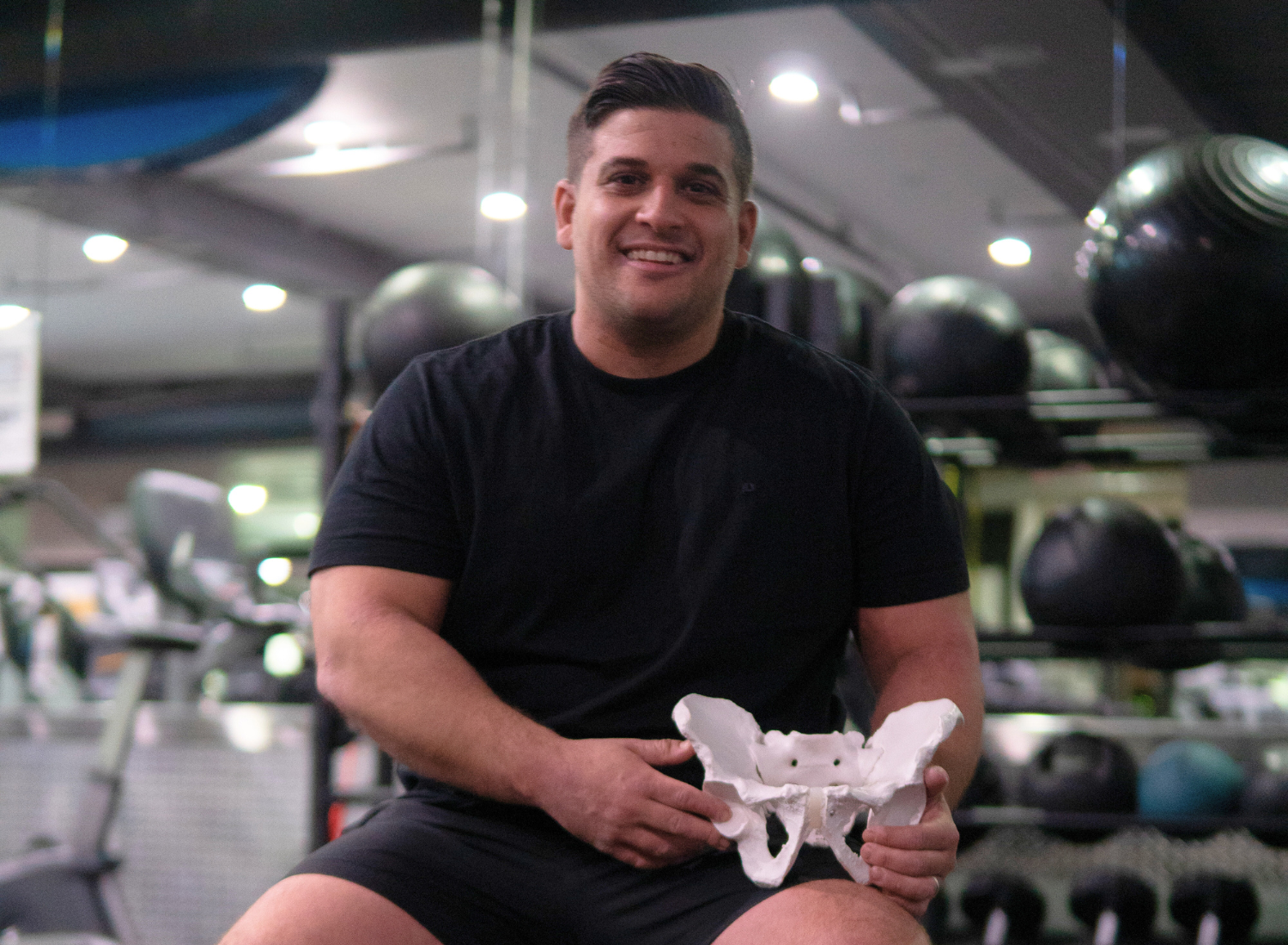
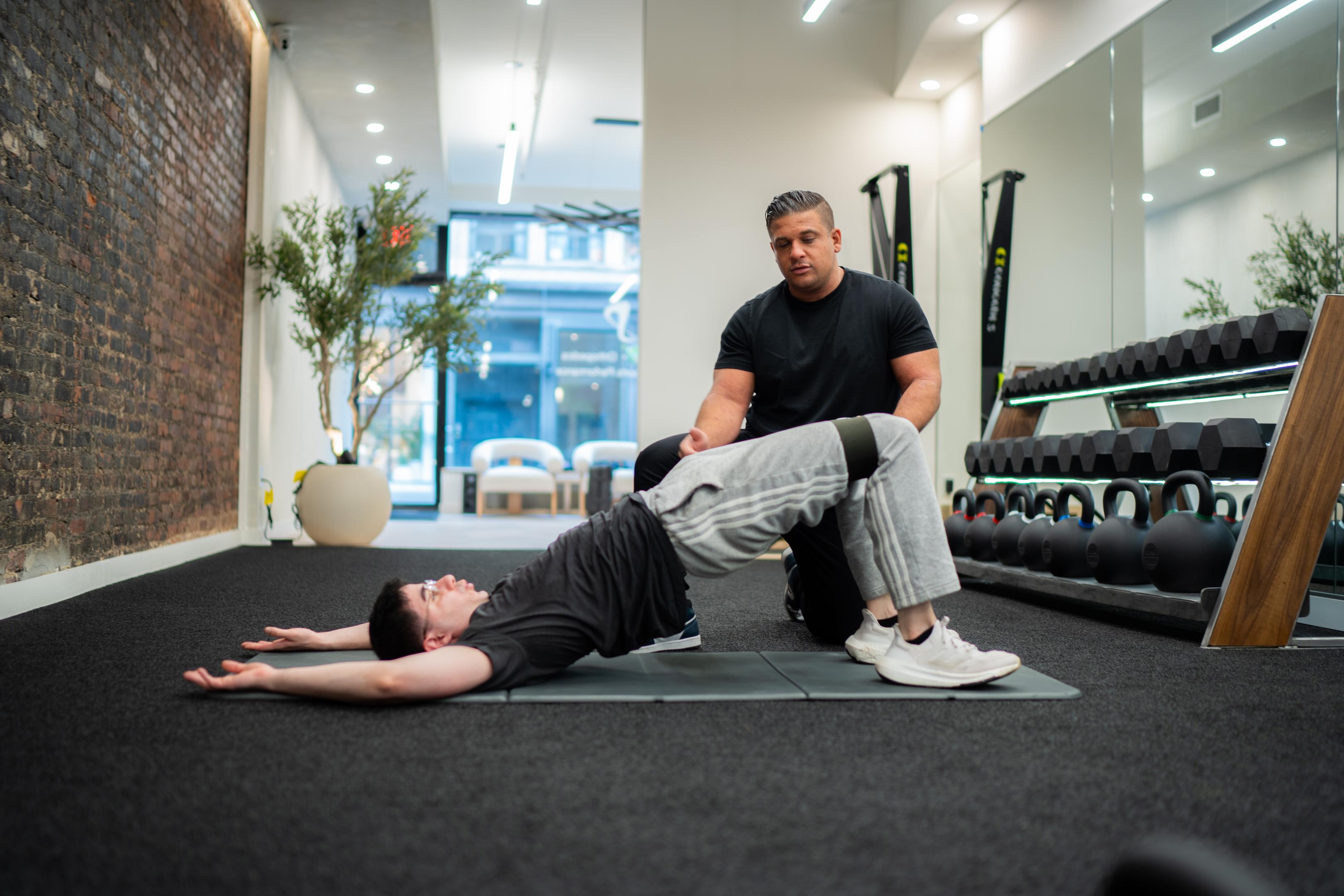
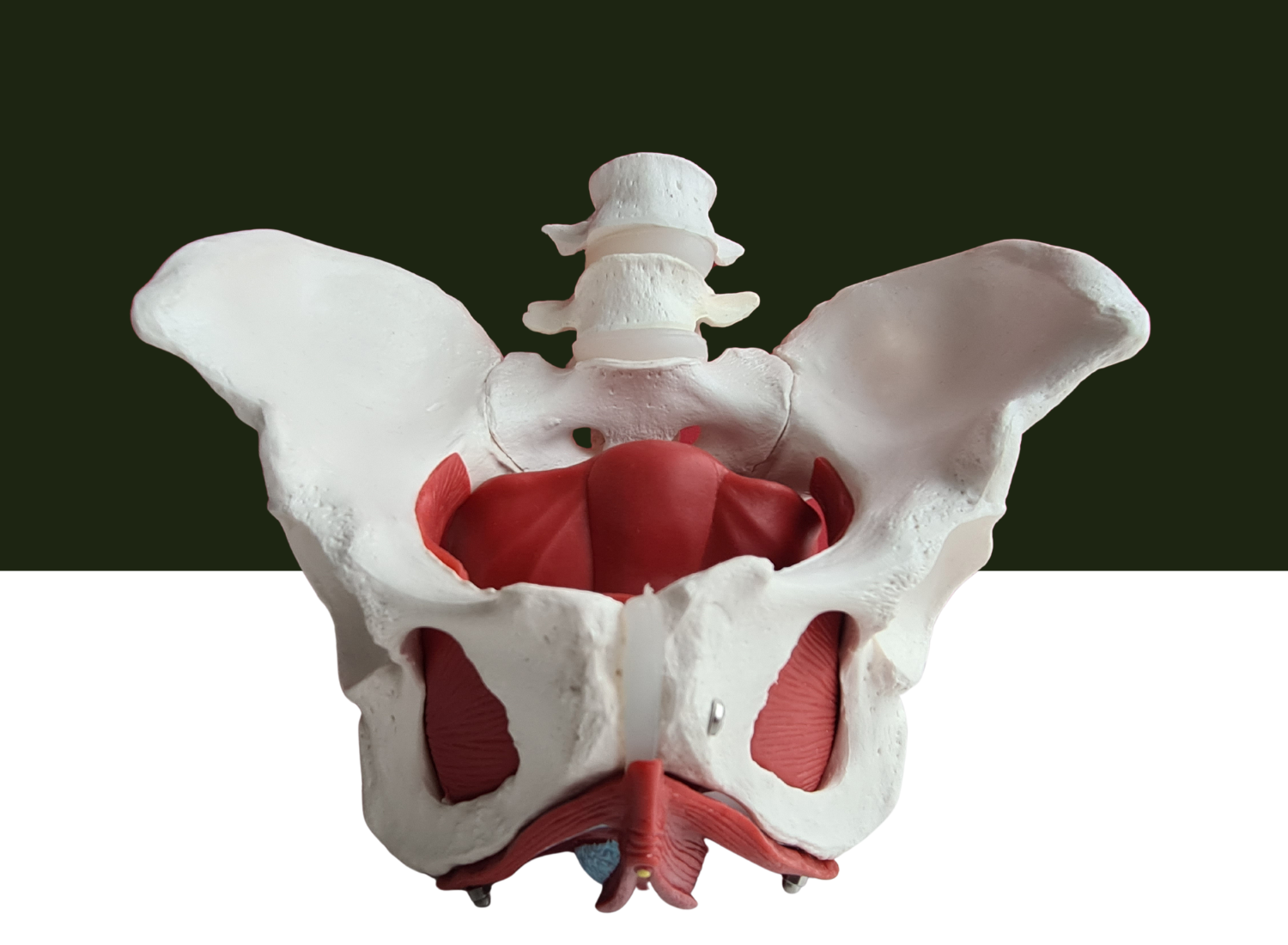
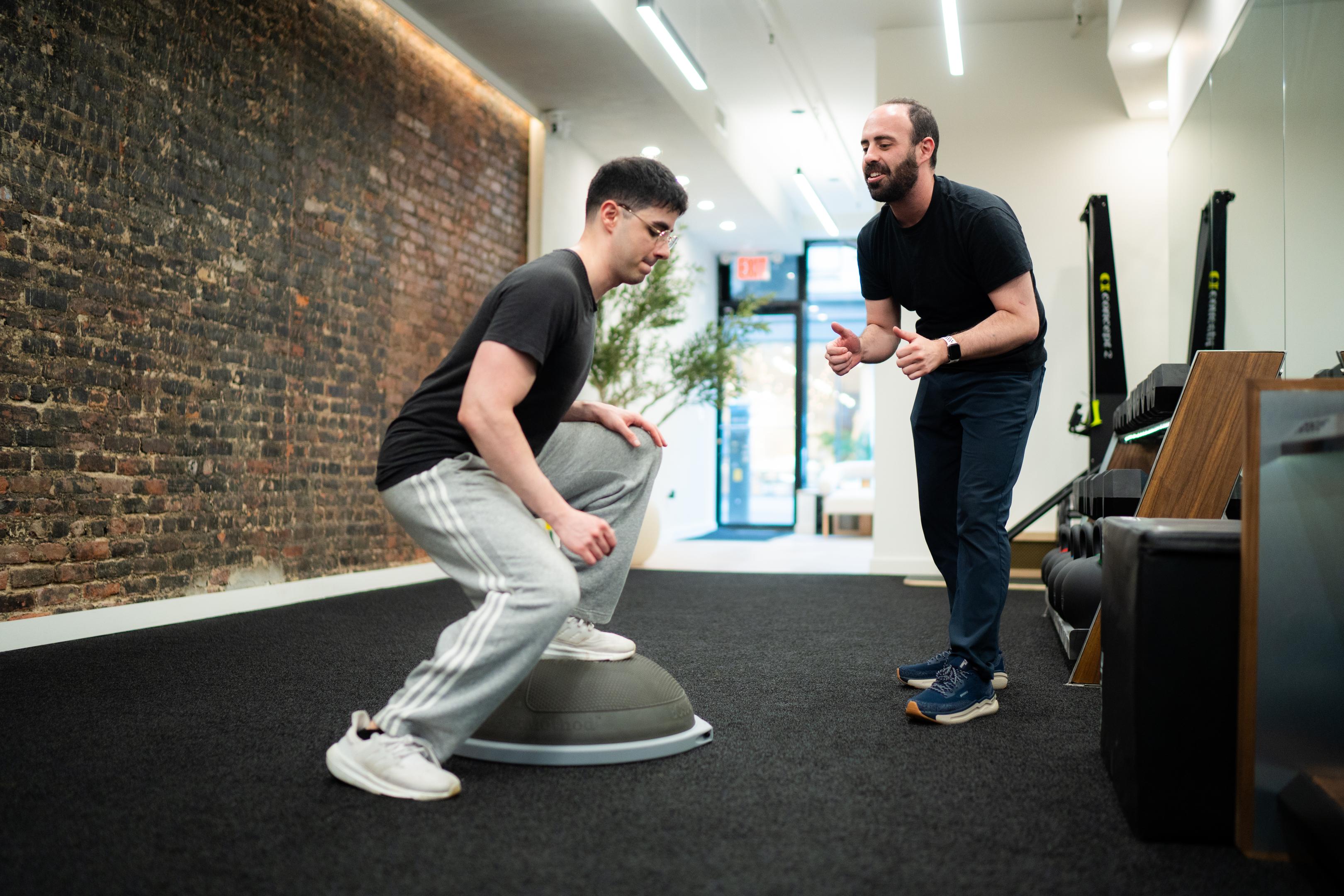
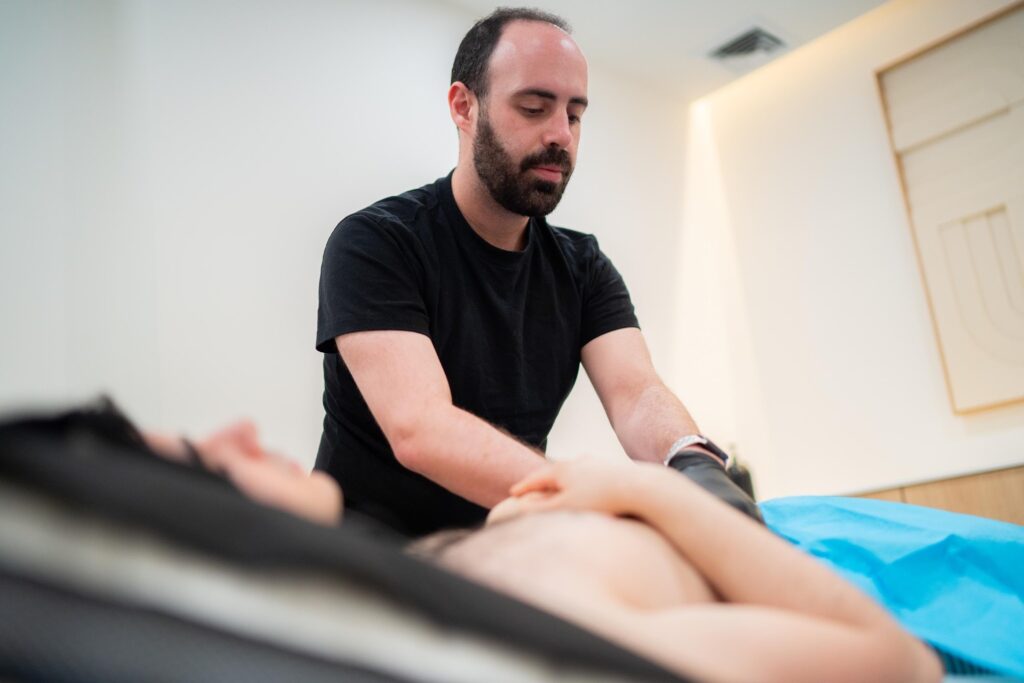
Hey there, fellow! Today, I want to share a deeply personal journey with you—one that took me from being a pelvic pain sufferer to becoming a passionate physical therapist specializing in this field. It’s a story of resilience, determination, and a burning desire to help others who are facing similar challenges. So, grab a seat and join me as I unveil how my own experience with pelvic pain paved the way for a meaningful career in physical therapy.
My Struggles with Pelvic Pain
Let’s rewind the clock a bit. Pelvic pain was something that unexpectedly entered my life, causing confusion, frustration, and a lot of discomfort. I experienced the sharp twinges, the persistent aches, and the impact it had on various aspects of my life. But amidst the struggle, I discovered an inner strength and a burning curiosity to understand more about this often misunderstood condition.
The Path to Understanding Pelvic Pain
Driven by my own experiences, I embarked on a journey of exploration. I delved into the depths of research, sought guidance from knowledgeable healthcare professionals, and connected with fellow pelvic pain warriors. The more I learned, the more I realized the power of physical therapy in addressing and alleviating pelvic pain. It ignited a passion within me to make a difference and offer support to others who were enduring a similar path.
Becoming a Physical Therapist
Armed with a newfound sense of purpose, I made the decision to pursue a career in physical therapy with a specialization in pelvic health. It was a transformative experience, as I dedicated myself to acquiring knowledge, honing my skills, and gaining firsthand clinical experience. But what truly fueled my drive was the desire to be a beacon of hope for individuals suffering from pelvic pain. I want to guide them toward relief, restoration, and a better quality of life.
Helping Others Find Relief for Pelvic Pain
Now, as a dedicated physical therapist in the field of pelvic health, my mission is clear. This is to support individuals in their own journey to overcome pelvic pain. I combine my personal insights, clinical expertise, and compassionate approach to create personalized treatment plans tailored to each person’s unique needs. Witnessing the transformation and the positive impact physical therapy can have on my patients’ lives is incredibly fulfilling.
A Message of Hope
To all the guys out there struggling with pelvic pain, I want you to know that you’re not alone. There is hope, and there are resources available to help you navigate this challenging journey. Whether it’s through pelvic floor exercises, manual therapy, lifestyle modifications, or a combination of approaches, the path to relief is within reach.
Conclusion
My personal journey with pelvic pain propelled me toward a purpose-driven career as a physical therapist. Through my own experiences, I found a passion for helping others on their path to overcoming pelvic pain. Remember, you have the strength within you to face this challenge head-on. Seeking professional guidance can make all the difference.
For other concerns, questions, or inquiries, don’t hesitate to visit us at www.pelvis.nyc. Together, let’s walk this path, supporting one another, and fostering a community of healing, understanding, and empowerment.
Hi guys! Now we’re discussing a topic that empowers us to take charge of our health and well-being—preventing pelvic floor problems in men. Now, I know it might not be the typical conversation starter, but trust me, it’s a game-changer. By exploring the preventive measures for pelvic floor issues, we’re setting ourselves up for a happier, healthier, and more confident life. So, let’s break down the barriers and have an open, positive discussion about preventing pelvic floor problems and keeping them in top-notch shape!
Introduction
Alright, let’s start by getting familiar with our pelvic floor. This is an unsung heroes that provide essential support to our internal bits. These muscles and connective tissues work tirelessly to keep our bladder, bowel, and other vital organs in check. And you know what? They deserve some appreciation for the fantastic work they do!
Why Preventing Pelvic Floor Problems Important?
Here’s the deal, guys—our pelvic floor is a key player in our overall well-being. Keeping it healthy can make a world of difference. By focusing on preventing pelvic floor problems, we’re not only avoiding potential problems but also nurturing a strong foundation for a kick-ass life. Let’s take a look at some compelling reasons why pelvic floor prevention matters and why it’s something to feel genuinely positive about:
Empowerment: Taking preventive action empowers us to be proactive in our health journey. It’s like being the captain of our own ship, steering it towards smooth waters and avoiding any potential storms.
Living Life Unrestricted: With a healthy pelvic floor, we can go about our day. We can also chase our dreams, and enjoy life to the fullest without any limitations or disruptions.
Peak Performance: For us guys, peak performance isn’t limited to just sports and workouts. A robust pelvic floor contributes to better sexual function and performance, adding some extra sparks to our intimate moments.
Confidence Booster: Prevention boosts our confidence and self-assurance. Knowing that we’re taking care of our bodies and prioritizing our health can give us an extra dose of swagger.
Thriving at Any Age: Age is just a number, and with preventive measures, we can maintain our vitality and vigor, gracefully embracing the different chapters of our lives.
Healthier Relationships: When we feel our best, it positively impacts our relationships. Whether with partners, friends, or family, nurturing our pelvic floor health creates a ripple effect of happiness and harmony.
Focusing on Solutions: Prevention shifts the focus from problems to solutions. Instead of worrying about potential issues, we’re actively working towards a healthier and happier future.
Conclusion
Let’s shift the narrative and celebrate the positive steps we can take to safeguard our pelvic floor. With a mix of knowledge, action, and positivity, we can pave the way for a life filled with strength, confidence, and boundless potential!
More Questions on Preventing Pelvic Floor Muscles?
If you have any more questions about pelvic floor health or are ready to take action to restore or improve your pelvic floor function, don’t hesitate to reach out to the experts at Pelvis NYC. They are passionate about men’s health and offer specialized pelvic floor physical therapy services that can help you on your journey toward optimal pelvic health.
Check out their website atwww.pelvis.nyc for more information and take the first step towards a stronger, healthier you!
Hey there! Today, we’re diving deep into a topic that may not be on your top list, but trust me it is a game-changer—pelvic floor muscle training. Don’t worry if you’re scratching your head and wondering, “What on earth is the pelvic floor?” Stick with me, and together we’ll uncover the importance of this often-overlooked aspect of men’s health. Get ready to tap into your manly strength and take charge of your pelvic floor!
Definition of Pelvic Floor
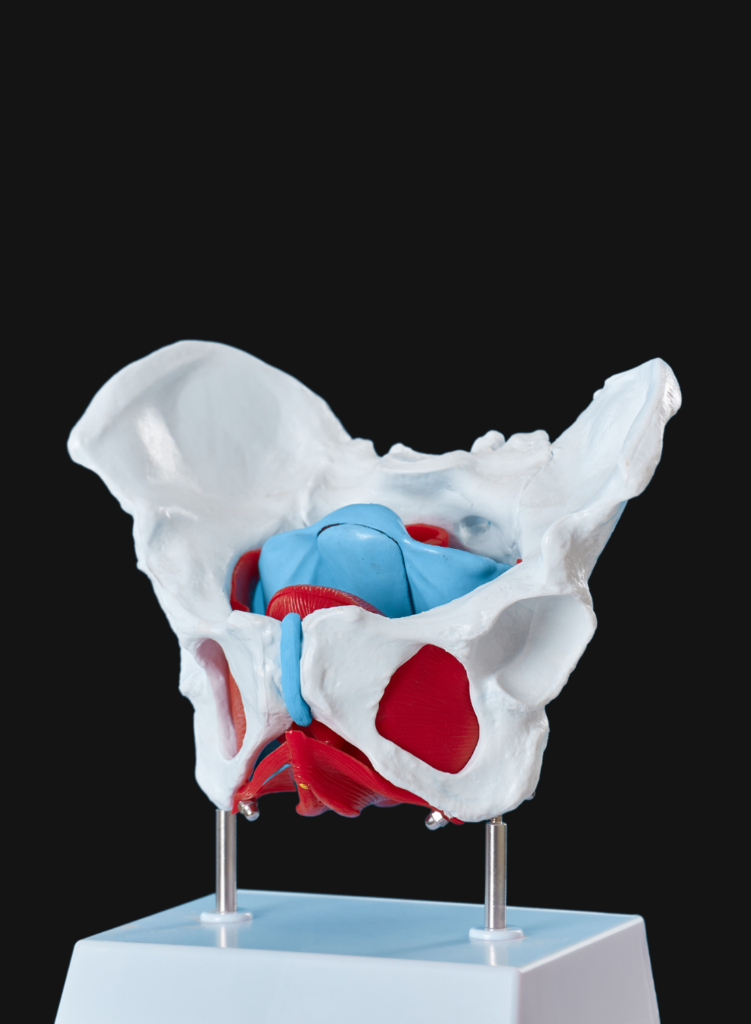
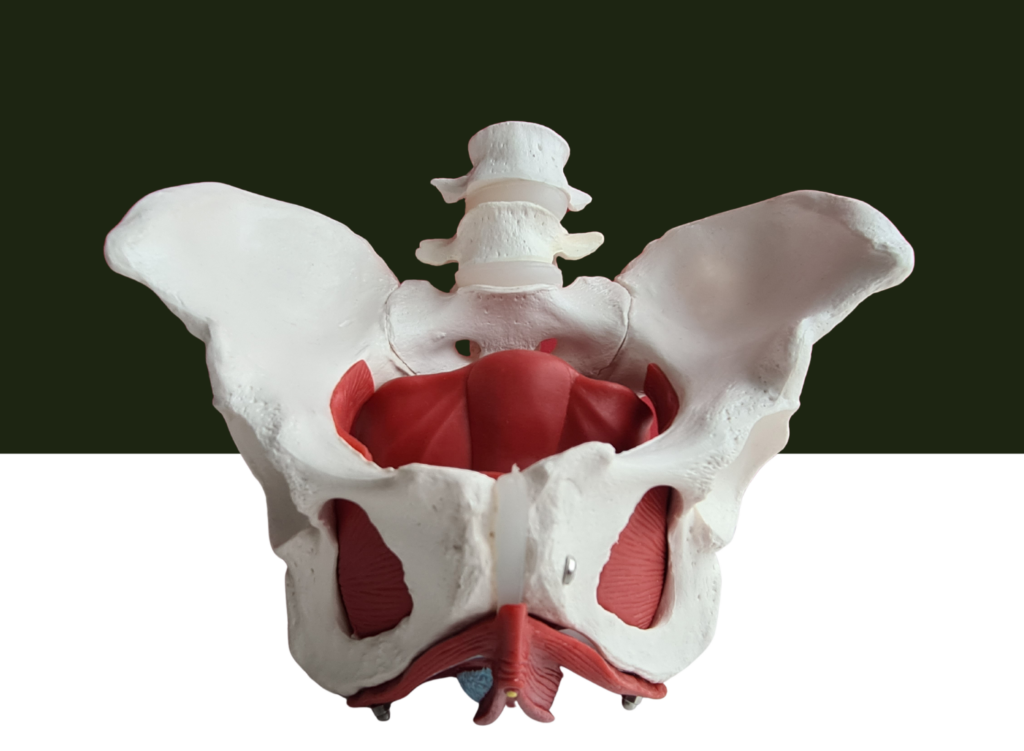
Alright, guys, let’s start with the basics. A pelvic floor is a group of muscles that form a hammock-like structure at the bottom of your pelvis. It supports your pelvic organs, including the bladder, bowel, and even your mighty manhood. Think of it as the rock-solid foundation that keeps everything in place and functioning optimally. Pretty important stuff, right?
Why is Pelvic Floor Muscle Training Important for Men?
Here’s the deal, gentlemen. Pelvic floor muscle training isn’t just for women—it’s for us too! Here are some key reasons for the importance of pelvic floor muscle training to your pelvic floor health:
Improved Bladder Control: Say goodbye to those unexpected leaks when you laugh or cough. Strengthening your pelvic floor muscles can enhance bladder control, giving you the confidence to tackle any situation head-on.
Enhanced Sexual Function: Yup, you heard that right. A strong pelvic floor can rev up your performance in the bedroom. It can help you achieve stronger and longer-lasting erections, improve orgasm intensity, and give you better control over your pleasure.
Preventing or Managing Erectile Dysfunction: Pelvic floor muscle training is effective in preventing and managing erectile dysfunction. By boosting blood flow and muscle tone in the pelvic area, you can promote erectile health and keep the good times rolling.
Post-Surgery Recovery: If you’ve undergone prostate surgery or any other procedure affecting the pelvic area, pelvic floor muscle training can speed up your recovery, minimize complications, and restore your strength and function.
How to Get Started with Pelvic Floor Muscle Training?
Alright, guys, let’s get down to business. Here’s a step-by-step guide to kick-start your pelvic floor muscle training routine:
Identify the Right Muscles: It’s all about targeting the right muscles. Imagine you’re trying to stop the flow of urine midstream or hold in gas. The muscles you engage in doing that are your pelvic floor muscles.
Start with the Basics: Begin by lying down or sitting comfortably. Squeeze and lift your pelvic floor muscles, holding for a count of 5 seconds, then relax for 5 seconds. Repeat this cycle 10 times, aiming for 3 sets throughout the day.
Gradually Increase the Challenge: As you gain strength and control, aim to increase the duration of each contraction and the number of repetitions. Remember, progress takes time, so be patient and stay consistent.
Maintaining Pelvic Floor Health in Everyday Life
Beyond targeted exercises, there are simple lifestyle adjustments you can make to support the importance of your pelvic floor health:
Stay Active: Regular physical activity, such as walking, jogging, or weightlifting, can promote pelvic floor strength and overall health.
Mind Your Posture: Maintain good posture, especially during lifting heavy objects, to avoid unnecessary pressure on your pelvic floor.
Watch Your Weight: Maintaining a healthy weight can reduce strain on your pelvic floor and contribute to overall well-being.
Ditch the Smoking: Smoking can impair blood flow and weaken pelvic floor muscles. Kicking the habit will do wonders for your pelvic health and beyond.
Conclusion
Guys, it’s time to give your pelvic floor the attention it deserves. Having pelvic floor muscle training into your routine, you can unlock a world of benefits—from better bladder control to enhanced sexual function. So, let’s embrace our manly strength and take charge of our pelvic floor health. It’s never too late to start, so visit www.pelvis.nyc to get going and enjoy the rewards that come with a robust and resilient pelvic floor!
When most people hear the word “Kegels,” they assume they’re only for women. That’s one of the biggest misconceptions I hear in my clinic. Kegel exercises for dudes—or Kegel Exercises for men—strengthen and improve coordination of the pelvic floor muscles that support bladder, bowel, and sexual function, and they can help with urinary leakage, bowel control, recovery after prostate surgery, and some cases of erectile dysfunction when done correctly.
At Pelvis NYC, located in Chelsea at 110 West 17th Street, New York, NY 10011, we work with men across New York City who are dealing with urinary leakage, pelvic pain, erectile dysfunction, or difficulty relaxing their pelvic muscles. One of the first things I explain is that Kegels are not a one-size-fits-all solution. Like any exercise, they need to match your body’s specific needs, because pelvic floor dysfunction can drive bladder problems, pain, and sexual symptoms—and the wrong exercises can make some cases worse.
Quick Answer
Kegel Exercises for men can improve pelvic floor strength and coordination, but they are not the right fix for every man. In this guide, you’ll learn what they are, how they help bladder, bowel, and sexual health, how to do them correctly, when they help or harm, how pelvic floor physical therapy fits in, and when to get a professional evaluation.
Not sure if pelvic floor therapy is right for you?
Book a free 15-minute teleconsultation with Dr. Adam—no referral needed.
Kegel Exercises for men are exercises that train the pelvic floor muscles to contract and relax more effectively. They are designed to improve muscle strength, endurance, and coordination—not simply make the muscles tighter.
Quotable takeaway:The goal of Kegel exercises is healthy muscle function, not maximum muscle strength.
The male pelvic floor is a group of muscles that stretches like a hammock across the bottom of the pelvis. These muscles support the bladder and bowel, contribute to erectile function, assist with ejaculation, and help stabilize the core during everyday movement.
The muscles targeted during Kegel exercises are often called the PC muscles, short for the pubococcygeus muscle. In reality, several muscles work together to create the pelvic floor, so treatment focuses on the entire system rather than one individual muscle.
What Does the Pelvic Floor Do?
Your pelvic floor has several important jobs, including:
Supporting the bladder and bowel
Helping control urination
Assisting with bowel control
Supporting erections and ejaculation
Working with your diaphragm and abdominal muscles for core stability
Helping manage pressure during lifting, coughing, and exercise
Many men don’t realize how active these muscles are until something goes wrong.
According to the American Physical Therapy Association (APTA), pelvic floor muscle training is a conservative, evidence-based treatment for several pelvic health conditions, including urinary incontinence and pelvic pain.
Pelvic Floor Muscles Need Balance
One of the biggest myths online is that every man should start doing Kegels.
Clinically, that’s simply not true.
At our NYC clinic, we often see patients who have been performing hundreds of Kegels after watching YouTube videos. Instead of improving, their symptoms actually become worse because their pelvic floor muscles were already overactive.
An overactive pelvic floor means the muscles remain tense and cannot fully relax. In these cases, adding more strengthening exercises can increase pain, urinary urgency, constipation, and sexual dysfunction.
Evidence increasingly suggests that pelvic floor rehabilitation should focus on restoring normal muscle coordination—not just building strength.
Why Should Men Do Kegel Exercises?
Kegel Exercises for men can improve bladder control, sexual function, and recovery after surgery—but only when prescribed for the appropriate condition.
Quotable takeaway:The right exercise for the right patient produces better outcomes than the same exercise for everyone.
As a physical therapist, I don’t recommend Kegels because they’re trendy. I recommend them when an evaluation shows they’re appropriate for your symptoms.
Research published in BJU International found that pelvic floor muscle training significantly improved erectile dysfunction in many men when compared with lifestyle advice alone. Likewise, studies following prostate surgery have shown that pelvic floor rehabilitation can speed the return of urinary continence.
Improved Bladder Control
One of the most common reasons men begin pelvic floor physical therapy is urinary leakage, often a form of stress incontinence.
You may benefit if you experience:
Leaking while coughing or sneezing
Leakage during exercise
Dribbling after urination
Difficulty controlling urine during daily activities
Properly prescribed Kegels strengthen the muscles that help close the urethra, reduce urine leakage, and support bladder health while improving bladder control.
Better Bowel Control
The pelvic floor also supports normal bowel function, and pelvic floor dysfunction can contribute to fecal incontinence.
Weakness or poor coordination may contribute to:
Difficulty controlling gas
Stool leakage
Incomplete bowel emptying
Straining during bowel movements, and these muscles also help lift and recover after a bowel movement
However, not every bowel issue is caused by weak muscles. Sometimes the muscles fail to relax, which is another reason a professional assessment matters.
Managing an Overactive Bladder
Many people assume frequent urination always means a bladder problem.
Often, the issue involves the pelvic floor instead.
When the muscles remain tight, they may send false signals that make you feel like you need to urinate more often. This condition is commonly associated with an overactive bladder, although multiple medical conditions can produce similar symptoms.
At Pelvis NYC, we evaluate breathing, posture, hip mobility, and movement patterns because these factors often contribute to pelvic floor dysfunction.
Supporting Sexual Health
Healthy pelvic floor muscles contribute to:
Stronger erections
Better ejaculatory control
Improved pelvic blood flow
Greater confidence during intimacy
Kegels may improve sexual function when pelvic floor weakness is contributing to symptoms, and regular training may also increase sexual pleasure for some men. It’s important to understand that erectile dysfunction has many possible causes, including cardiovascular disease, hormonal changes, stress, neurological conditions, and musculoskeletal dysfunction. Pelvic floor physical therapy addresses the muscular component when it is contributing to symptoms.
Recovery After Surgery
Men recovering from prostate surgery often experience temporary urinary leakage.
Prostate problems and prostate surgery can both affect bladder and bowel function, which is why rehabilitation is often helpful.
Evidence from multiple systematic reviews suggests that supervised pelvic floor muscle training may help patients regain continence sooner than no training, particularly when rehabilitation begins under professional guidance.
The Many Benefits of Pelvic Floor Physical Therapy
While pelvic floor exercises such as Kegels receive most of the attention, they’re only one part of treatment.
A comprehensive pelvic floor rehabilitation program may include:
Pelvic floor muscle training
Manual therapy
Breathing retraining
Hip and core strengthening
Posture correction
Bladder and bowel education
Exercise progression
Lifestyle coaching
Some men also need other exercises for the hips, core, and overall movement—not just isolated Kegels.
This whole-body approach is what makes pelvic floor physical therapy different from simply downloading an exercise program online.
How Do You Perform Kegel Exercises for Men Correctly?
The correct way to perform Kegel Exercises for men is to contract and fully relax your pelvic floor muscles without using your abdomen, buttocks, or thighs. Quality matters far more than quantity.
Quotable takeaway:A perfect Kegel is a controlled contraction followed by a complete relaxation.
One of the biggest misconceptions about Kegel Exercises for men is that more repetitions automatically lead to better results. In reality, doing hundreds of Kegels each day—or performing them incorrectly—can make symptoms worse.
At Pelvis NYC, we first determine whether your pelvic floor muscles are weak, overactive, or poorly coordinated. From there, we create an individualized treatment plan. Some men need strengthening exercises, while others need to learn how to relax their pelvic floor before strengthening begins.
Step 1: Find the Right Muscles
The first step is learning how to find and activate the correct muscles in your pelvic floor.
A helpful way to identify the muscles is to imagine that you’re:
Stopping the flow of urine (only as a way to identify the muscles—not as an exercise, since doing Kegels while urinating regularly can increase infection risk)
Preventing yourself from passing gas
Gently lifting the muscles upward inside your pelvis
You should feel a subtle tightening and lifting sensation as you gently squeeze your pelvic floor upward.
You should not notice:
Your butt cheeks squeezing
Your thighs tightening
Your stomach doing all the work
Your breath holding
If you’re unsure whether you’re contracting the right muscles, a pelvic floor physical therapist can assess your muscle activation and provide real-time feedback.
Step 2: Master the Contraction
Once you’ve identified the muscles, practice a slow, controlled contraction.
Here’s a general progression many patients start with:
Gently tighten the pelvic floor.
Hold for 3–5 seconds.
Completely relax for 5–10 seconds.
Repeat 8–10 repetitions.
Perform 2–3 sets per day, if appropriate for your condition.
As part of a daily routine, this often works out to about 30 total Kegels daily when appropriate for the patient.
The relaxation phase is just as important as the contraction. Your muscles need to return to their resting state before the next repetition.
Step 3: Coordinate Your Breathing
Your diaphragm (the primary breathing muscle) and pelvic floor work together as a team.
As you inhale, your pelvic floor naturally lengthens and relaxes. As you exhale, it gently contracts.
Rather than holding your breath, try this pattern:
Inhale and relax.
Exhale as you gently contract your pelvic floor.
Breathe freely as you contract and relax throughout the exercise.
This improves muscle coordination and reduces unnecessary tension.
Common Mistakes We See
At our NYC clinic, we often see patients who have been faithfully doing Kegels for months without improvement—not because Kegels don’t work, but because they were never taught proper technique or how to focus on performing Kegels correctly.
Common mistakes include:
Performing too many repetitions
Holding the breath
Tightening the abdomen instead of the pelvic floor
Clenching the buttocks
Never fully relaxing between contractions
Exercising despite pelvic pain
You should not feel pain during Kegels; if you do, stop and get assessed.
These habits can reinforce poor movement patterns and increase pelvic floor tension.
When Kegel Exercises Can Make Symptoms Worse
Not every man should perform Kegel Exercises. If your pelvic floor muscles are already overactive, strengthening exercises may increase symptoms rather than relieve them, and some men have trouble with the urine stream because the pelvic floor is too tight rather than too weak.
Signs that your pelvic floor may need relaxation—not strengthening—include:
Chronic pelvic pain
Pain with sitting
Pain during ejaculation
Constipation
Difficulty starting urination
A constant feeling of pelvic tightness
In these situations, treatment often focuses first on:
Breathing techniques
Manual therapy
Relaxation exercises
Hip mobility
Nervous system regulation
Only after the muscles regain normal function do we consider strengthening.
This individualized approach is one of the biggest differences between following online advice and working with a pelvic floor specialist.
Can Kegel Exercises Improve Erectile Function and Sexual Health?
Yes, Kegel Exercises for men may improve erectile function and overall sexual function when pelvic floor weakness contributes to the problem, and some men also report improved sexual pleasure. However, they are not a universal treatment for erectile dysfunction.
Many men are surprised to learn that the pelvic floor plays an important role in sexual performance.
These muscles help:
Support blood flow to the penis
Maintain erection rigidity
Assist with ejaculation
Coordinate muscle relaxation during intimacy
When these muscles become weak or poorly coordinated, sexual function may be affected.
What Does the Research Say?
Evidence supporting pelvic floor rehabilitation continues to grow.
For example:
A landmark study published in BJU International reported that pelvic floor muscle training significantly improved erectile dysfunction for many participants compared with lifestyle advice alone.
According to the American Urological Association, erectile dysfunction affects approximately 30 million men in the United States.
Research also suggests that urinary symptoms and erectile dysfunction frequently occur together because they share several muscular, neurological, and vascular contributors.
While these findings are encouraging, it’s important to remember that erectile dysfunction has many possible causes, including:
Cardiovascular disease
Diabetes
Hormonal changes
Stress and anxiety
Medication side effects
Neurological conditions
Pelvic floor dysfunction
That’s why a comprehensive assessment is essential before beginning treatment.
Pelvic Floor Physical Therapy Looks Beyond Kegels
One thing I emphasize to every patient is that sexual health is rarely determined by one muscle alone.
At Pelvis NYC, we evaluate:
Hip mobility
Core strength
Breathing mechanics
Spine movement
Walking mechanics
Exercise habits
Stress levels
Pelvic floor coordination
This whole-body assessment often reveals contributors that generic exercise programs completely overlook.
For some patients, improving posture and breathing has as much impact as strengthening the pelvic floor itself.
When Should You See a Pelvic Floor Physical Therapist?
If symptoms persist for more than a few weeks, interfere with daily life, continue despite doing Kegel Exercises for men, if you’re unsure you’re performing kegels correctly, or if you have pain, it’s time for a professional evaluation sooner rather than later.
**Quotable takeaway:**The sooner the cause is identified, the sooner treatment can become targeted and effective.
Many men wait months—or even years—to seek help because they assume their symptoms are simply part of aging or something they have to live with.
In reality, many pelvic floor conditions respond well to conservative care when properly diagnosed.
If you have bladder, bowel, or prostate-related symptoms, check in with a healthcare provider before starting a self-directed program.
You should consider seeing a pelvic floor physical therapist if you experience:
Urinary leakage
Frequent urination
Urinary urgency
Difficulty emptying your bladder
Chronic pelvic pain
Pain after exercise
Erectile dysfunction
Pain during ejaculation
Constipation related to muscle dysfunction
Recovery after prostate surgery
What Happens During an Evaluation?
At Pelvis NYC, every treatment plan begins with a detailed evaluation.
A healthcare professional or pelvic floor physical therapist can confirm whether Kegels are appropriate and whether you’re using the correct muscles.
Rather than focusing only on the pelvic floor, we assess your entire movement system, including:
Breathing patterns
Hip mobility
Core stability
Spine mechanics
Walking and lifting mechanics
Exercise routine
Stress levels
Lifestyle habits
This comprehensive approach helps us identify the root cause instead of simply treating symptoms.
Kegels Alone vs. Pelvic Floor Physical Therapy
Kegel Exercises Alone
Pelvic Floor Physical Therapy
Generic instructions
Individualized assessment
Focuses mainly on strengthening
Identifies whether muscles need strengthening, relaxation, or coordination
No movement assessment
Evaluates posture, hips, spine, breathing, and core
No manual therapy
Hands-on treatment when appropriate
Same program for everyone
Customized plan based on symptoms and goals
Limited feedback
Ongoing progress monitoring and exercise progression
At Pelvis NYC, our whole-body philosophy means we don’t just ask, “Are your pelvic floor muscles weak?” We ask, “Why aren’t they functioning normally in the first place?”
That’s often the question that leads to lasting improvement.
Learn More About Our Services
If you’d like to explore treatment options, these resources may help:
If you only remember a few things from this article, make them these:
Kegel Exercises for men can improve bladder control, bowel control, and sexual health when prescribed for the right condition.
A strong pelvic floor is important, but a pelvic floor that can fully relax is just as important.
Not every man with pelvic floor symptoms should do Kegels. An overactive pelvic floor often requires relaxation before strengthening.
Pelvic floor physical therapy is more than exercise. It addresses breathing, posture, movement, core strength, and lifestyle factors that affect the pelvic floor.
Persistent urinary symptoms, pelvic pain, or erectile dysfunction deserve a professional evaluation rather than guesswork.
At Pelvis NYC, we use a whole-body approach to help men identify the root cause of their symptoms—not just treat the symptoms themselves.
Frequently Asked Questions
Do I need a referral to start pelvic floor physical therapy in NYC?
In many cases, New York’s direct access laws allow you to see a physical therapist without a physician referral. However, every situation is different, and insurance requirements can vary. Our team can help you understand your options before scheduling your first appointment.
How long does it take for Kegel Exercises for men to work?
Many men begin noticing improvements within 6 to 12 weeks when they perform the correct exercises consistently. Recovery depends on the underlying condition, symptom severity, and whether the muscles need strengthening, relaxation, or coordination training.
Can doing too many Kegels be harmful?
Yes. More isn’t always better. Performing excessive Kegel exercises or doing them incorrectly can increase muscle tension, worsen pelvic pain, and contribute to urinary urgency or difficulty relaxing the pelvic floor, which can be especially problematic if symptoms show up during exercise or daily activities like heavy lifting.
Can pelvic floor physical therapy help erectile dysfunction?
In many cases, yes. If pelvic floor dysfunction contributes to erectile dysfunction, pelvic floor physical therapy may improve muscle coordination, blood flow, and pelvic stability. However, erectile dysfunction has many possible causes, including cardiovascular, hormonal, neurological, and psychological factors, so a comprehensive evaluation is essential.
Are Kegel Exercises only for older men?
Not at all. At Pelvis NYC, we regularly treat men in their 20s, 30s, and 40s. Busy professionals, cyclists, runners, weightlifters, and recreational athletes throughout New York City can all develop pelvic floor dysfunction regardless of age.
Does Pelvis NYC treat women too?
Yes. While this article focuses on men’s pelvic health, Pelvis NYC provides specialized pelvic floor physical therapy for both men and women, along with orthopedic physical therapy and sports performance rehabilitation.
Ready to Improve Your Pelvic Floor Health?
Urinary leakage, pelvic pain, erectile dysfunction, or persistent bladder symptoms don’t have to become your “new normal.”
At Pelvis NYC, we take the time to understand the full picture—not just your symptoms. Every treatment plan is individualized and built around your goals, whether you’re recovering after prostate surgery, returning to sports, or simply looking to regain confidence in your daily life.
If you’re wondering whether Kegel Exercises for men are appropriate for your situation, start with a conversation rather than guessing.
Men can develop pelvic floor dysfunction for many of the same reasons they develop shoulder, back, or hip problems: muscle tension, weakness, injury, poor movement patterns, stress, and chronic strain. Pelvic floor physical therapy helps men by identifying the root cause of pelvic floor dysfunction and restoring normal muscle function, often improving pelvic pain, urinary leakage, erectile dysfunction, and difficulty emptying the bladder. Yet many men are surprised to learn that their pelvic floor may be contributing to these symptoms.
At Pelvis NYC, we regularly work with men throughout New York City—including busy professionals and athletes—who have spent months or even years searching for answers before discovering that the pelvic floor may be the missing piece. If you are dealing with pelvic pain, urinary symptoms, sexual dysfunction, or risk factors like prolonged sitting, heavy lifting, chronic stress, or pelvic injury, understanding how pelvic floor dysfunction develops and how treatment works can change the course of recovery and quality of life.
Quick Answer:Pelvic floor dysfunction in men occurs when the pelvic floor muscles become too tight, too weak, poorly coordinated, or unable to relax properly. Common causes include chronic stress, prolonged sitting, heavy lifting, athletic overtraining, surgery, injury, constipation, and certain pelvic floor disorders. Pelvic floor physical therapy helps identify the underlying cause and restore normal muscle function, often improving urinary, sexual, and pain-related symptoms. This page explains the common causes, symptoms, connection to erectile dysfunction, how treatment works, and why men choose Pelvis NYC for care.
Not sure if pelvic floor therapy is right for you? Book a free 15-minute teleconsultation with Dr. Adam — no referral needed.📅 https://calendly.com/drpelvis/appointment
What Causes Pelvic Floor Dysfunction in Men?
The most common causes of pelvic floor dysfunction in men are muscle overactivity, chronic strain, surgery, injury, and lifestyle factors that place excessive stress on the pelvic floor.
Quotable takeaway:Pelvic floor dysfunction is often a muscle coordination problem—not simply a strength problem.
The pelvic floor is a group of muscles, ligaments, and connective tissues that support the bladder, bowel, and reproductive organs. These muscles also play an important role in urinary control, bowel function, sexual performance, and core stability.
When these muscles stop working properly, pelvic floor dysfunction can develop.
Common Causes of Pelvic Floor Dysfunction
1. Chronic Stress and Muscle Tension
Stress does not only affect your mind—it affects your muscles.
Many men unconsciously tighten their abdominal, gluteal, and pelvic muscles throughout the day. Over time, this constant tension can create pain, urinary symptoms, and sexual dysfunction.
At our NYC clinic, we often see patients who work demanding jobs in finance, technology, healthcare, and other high-pressure industries where stress contributes significantly to pelvic floor dysfunction.
2. Prolonged Sitting
Many New York City professionals spend 8–12 hours daily sitting at a desk, commuting, or working remotely.
Extended sitting can:
Increase pressure on pelvic structures
Reduce blood flow
Create muscle tightness
Contribute to pelvic pain symptoms
3. Heavy Lifting and Athletic Training
Exercise is healthy, but poor mechanics can overload the pelvic floor.
Common examples include:
Heavy squats
Deadlifts
CrossFit training
Competitive cycling
High-intensity sports
Research suggests that excessive intra-abdominal pressure during lifting may contribute to pelvic floor disorders in susceptible individuals.
4. Surgery or Injury
Men may develop symptoms following:
Prostate surgery
Hernia repair
Pelvic trauma
Low back injuries
Hip injuries
The pelvic floor often compensates after injury, leading to abnormal muscle patterns and discomfort.
What Symptoms Can Pelvic Floor Dysfunction Cause?
Pelvic floor dysfunction can affect urination, bowel function, sexual performance, and pain levels.
Quotable takeaway:Many men with pelvic floor dysfunction experience symptoms far beyond the pelvis itself.
Symptoms vary widely from person to person.
Urinary Symptoms
Frequent urination
Urgency
Difficulty starting urination
Weak urine stream
Urinary leakage
Feeling unable to fully empty the bladder
According to the American Urological Association, urinary symptoms affect millions of men and are not always caused by prostate issues alone. Good pelvic health is essential for bladder and bowel function, including bowel movements. These symptoms can also point to pelvic floor problems such as urinary incontinence or an overactive bladder.
Sexual Symptoms
The pelvic floor plays an important role in erectile function.
Men may experience:
Erectile dysfunction
Pain during ejaculation
Premature ejaculation
Reduced sexual confidence
Pelvic discomfort during intimacy
Research published in peer-reviewed urology journals has found that pelvic floor rehabilitation may improve erectile function in select patients when muscle dysfunction contributes to symptoms.
Pain Symptoms
Pain may occur in the:
Perineum (area between the genitals and anus)
Groin
Testicles
Penis
Lower abdomen
Tailbone
Lower back
Hip pain
Many patients are surprised to learn that their pain may come from the pelvic floor and surrounding muscles rather than only a structural issue.
Can Pelvic Floor Dysfunction Cause Erectile Dysfunction?
Yes, pelvic floor dysfunction can contribute to erectile dysfunction when pelvic floor muscles are weak, overly tense, or poorly coordinated.
Quotable takeaway:Healthy pelvic floor muscles support healthy erections.
The pelvic floor helps regulate blood flow and muscular support necessary for sexual function.
When the muscles become dysfunctional, men may experience:
Difficulty achieving erections
Difficulty maintaining erections
Reduced erectile quality
Pain associated with sexual activity
The Connection Between Pelvic Floor Function and Erections
The pelvic floor muscles assist in:
Supporting penile blood flow
Maintaining erection rigidity
Coordinating ejaculation
Supporting pelvic circulation
A frequently cited study published in BJU International found that pelvic floor exercises significantly improved erectile dysfunction outcomes for many men when compared to lifestyle changes alone.
At Pelvis NYC, we frequently evaluate the entire movement system—including breathing patterns, core function, posture, and pelvic floor coordination—rather than focusing solely on the pelvic muscles.
This whole-body approach is one reason many patients find answers after previous treatments failed.
How Does Pelvic Floor Physical Therapy Help Men?
Pelvic floor physical therapy helps identify the root cause of symptoms and restore normal muscle function through individualized treatment.
**Quotable takeaway:**Effective pelvic floor physical therapy treats the cause, not just the symptom.
Unlike generic exercise programs, treatment begins with an initial evaluation by a pelvic floor physical therapist, who uses the findings to make a diagnosis and provide treatment for the specific pelvic floor condition.
What Happens During an Evaluation?
Your first appointment is typically an initial evaluation.
The first appointment usually lasts about one hour and includes a review of your medical history.
Your therapist assesses:
Pelvic floor muscle function
Breathing mechanics
Hip mobility
Core strength
Posture
Movement patterns
Lifestyle contributors
When appropriate and with your consent, a pelvic exam or internal exam may be performed to assess the pelvic floor and nearby structures, including via the rectum.
At Pelvis NYC, same-gender treatment options are available in a judgment-free environment.
Common Treatment Strategies
Education
Patients learn:
Bladder habits
Bowel habits
Lifestyle modifications
Stress management techniques
Manual Therapy
Hands-on treatment may help:
Reduce muscle tension
Improve mobility
Decrease pain
Improve blood flow
Address trigger points
A pelvic floor therapist may also use electrical stimulation with special equipment to relieve pelvic pain and muscle spasms when clinically appropriate.
Exercise and Movement Training
Treatment often includes:
Pelvic floor coordination exercises
Core stabilization
Hip work to strengthen muscles that support pelvic control
Which Men Are Most at Risk for Pelvic Floor Disorders?
Men with sedentary jobs, chronic stress, athletic overtraining, pelvic injuries, or previous surgeries face a higher risk of developing pelvic floor disorders.
According to the National Institutes of Health (NIH), chronic pelvic pain syndromes affect approximately 2%–16% of men worldwide, depending on diagnostic criteria used. Evidence also suggests that up to 90% of men with chronic pelvic pain may have pelvic floor muscle dysfunction contributing to symptoms.
Why Choose Pelvis NYC for Pelvic Floor Physical Therapy?
Men often benefit most from pelvic floor physical therapy when treatment addresses the entire body rather than only the pelvic floor.
**Quotable takeaway:**The pelvic floor does not work in isolation, and treatment should not either.
At Pelvis NYC, we take a whole-body approach to care.
Our team includes:
Dr. Adam Gvili, PT, DPT
Dr. Joshua Weber, PT, DPT
Dr. Samantha Vargas, PT, DPT
Patients choose our clinic because of:
Pelvic floor therapists who are highly trained in pelvic health evaluation and treatment
Same-gender care options
Orthopedic and sports performance integration
Judgment-free treatment environment
Free 15-minute teleconsultations
Many of our patients are busy professionals, Wall Street workers, entrepreneurs, and NYC athletes who need practical solutions that fit their lifestyle.
Do I need a referral to see a pelvic floor PT in NYC?
In many cases, no referral is required to begin physical therapy in New York. However, insurance and individual circumstances vary, so it is best to confirm your specific situation with the clinic.
How long does pelvic floor physical therapy take to work?
Many patients notice improvements within several weeks, although timelines vary based on symptom duration, severity, and individual goals. Many care plans involve therapy sessions over eight to twelve weeks, and some patients notice improvement after about six visits. Chronic conditions may require a longer treatment plan, though many people see symptom changes within three months.
Can pelvic floor dysfunction go away on its own?
Mild symptoms sometimes improve, but persistent symptoms often require evaluation. Without addressing the underlying cause, pelvic floor dysfunction may continue or worsen over time.
Is pelvic floor dysfunction common in younger men?
Yes. We regularly see men in their 20s, 30s, and 40s with pelvic floor dysfunction. Athletes, office workers, and high-stress professionals can all be affected.
Does Pelvis NYC treat women too?
Yes. While this article focuses on men’s health, Pelvis NYC provides pelvic floor physical therapy for both men and women, including postpartum women and patients seeking support during or after pregnancy, along with orthopedic and sports performance physical therapy services. It can also aid recovery after childbirth when abdominal muscle separation or a weak pelvic floor are present. An estimated 53–79% of women experience perineal lacerations during childbirth. In one report, 63% of endometriosis patients had pain improvement after six sessions.
Does pelvic floor dysfunction always cause erectile dysfunction?
No. Erectile dysfunction can have vascular, neurological, hormonal, psychological, and musculoskeletal causes. A comprehensive evaluation helps determine whether the pelvic floor contributes to your symptoms.
Ready to Find the Cause of Your Symptoms?
If persistent symptoms such as urinary incontinence, overactive bladder, difficult bowel movements, pelvic pain, erectile dysfunction, or other pelvic floor problems are affecting your daily life, an evaluation can help identify the root cause.
Pelvic floor physical therapy is designed to address the underlying dysfunction—not simply manage symptoms. Schedule a free 15-minute teleconsultation to discuss your concerns and determine whether treatment is appropriate for you.
📍 Pelvis NYC – 110 West 17th Street, New York, NY 10011 📞 (929) 590-3445 📅 Book an appointment
About the Author
Dr. Adam Gvili, PT, DPT, is the founder and lead physical therapist at Pelvis NYC in Chelsea, Manhattan. He specializes in pelvic floor physical therapy, orthopedic rehabilitation, and sports performance treatment. Dr. Gvili works with men and women experiencing pelvic floor dysfunction, chronic pain, athletic injuries, and movement-related conditions using a whole-body, evidence-informed approach.
When it comes to men’s health, few topics are as misunderstood—or as important—as prostate health. Prostate health refers to the well-being of the prostate gland, a vital part of the male reproductive system, and it is closely tied to the pelvic floor.
At Pelvis NYC, we believe in connecting the dots. The prostate and the pelvic floor don’t operate in isolation, and their relationship affects urination, sexual function, pain, recovery, and quality of life. For men dealing with symptoms—or simply trying to stay ahead of common problems—understanding how these systems work together can make it easier to prevent issues, recognize warning signs, and choose the right care. Here, you’ll learn how the prostate and pelvic floor are structured, what can go wrong, which risk factors matter, how problems are diagnosed and treated, what recovery can look like after prostate surgery, and which daily habits support better long-term prostate health.
The Prostate: A Small Gland with a Big Role
The prostate is a small, walnut-sized gland close to surrounding tissue such as the bladder and rectum. The prostate is made up of specialized prostate cells that produce proteins important for reproductive health. It surrounds the urethra (the tube that carries urine and semen out of the body), and its primary role is producing seminal fluid that nourishes sperm. The prostate plays a critical role in semen production and ejaculation.
As men age, the prostate tends to enlarge. While this is normal, it can sometimes lead to complications—and these complications often involve or impact the pelvic floor.
What Is the Pelvic Floor—and Why Should Men Care?
The pelvic floor is a group of muscles and connective tissues that span the bottom of the pelvis. Think of it like a supportive sling that holds up your bladder, prostate, and rectum. It also plays a major role in:
Controlling urination and bowel movements
Supporting erections and ejaculation
Maintaining core stability
When these muscles become too tight, too weak, or poorly coordinated, they can contribute to many of the same symptoms commonly associated with prostate problems.
Risk Factors for Prostate Health and Pelvic Floor Problems
Understanding what increases your risk for prostate and pelvic floor problems is an important step toward prevention and early care. Several key factors can raise the chances of developing conditions like prostate cancer, benign prostatic hyperplasia (BPH), or pelvic floor dysfunction.
1. Age
Age is the most common risk factor.
Most men experience some prostate enlargement as they age.
The likelihood of developing BPH or prostate cancer increases significantly after age 50.
2. Family History
Having a close relative (such as a father or brother) who was diagnosed with prostate cancer at a young age increases your personal risk.
A strong family history may warrant earlier and more frequent screening.
3. Genetics
Certain gene mutations, such as BRCA1 and BRCA2, are linked to a higher risk of developing prostate cancer and are also associated with breast cancer, which reinforces the hereditary connection.
If you carry these mutations, your doctor may recommend earlier screenings or genetic counseling.
4. Lifestyle Factors
Your daily habits can influence prostate and pelvic floor health:
Healthy diet: A Mediterranean diet rich in fruits, vegetables, whole grains, and healthy fats (like omega-3s) can help keep your prostate healthy. Lycopene-rich foods such as tomatoes and watermelon are beneficial choices. Cruciferous vegetables like broccoli and cabbage are also beneficial for prostate health.
Healthy weight: Maintaining a normal body weight can lower your risk of prostate issues.
Avoid processed foods: Diets high in red meat, processed foods, and excess sugar are linked to a higher risk of prostate disease.
Tip: A healthy lifestyle not only reduces prostate cancer risk but also supports pelvic floor function, overall men’s health, and can help keep your prostate healthy.
5. Chronic Health Conditions
Certain medical conditions may increase your risk:
These conditions are associated with inflammation, hormonal changes, and blood flow issues that can impact both the prostate and the pelvic floor.
Diagnosis and Detection: How Prostate Health and Pelvic Floor Issues Are Identified
Getting an early and accurate diagnosis is crucial for managing prostate and pelvic floor disorders and other prostate conditions. Prostate cancer is one of the most common types of cancer in men, making early evaluation especially important. Healthcare providers use a variety of tools and tests to determine what’s causing your symptoms and how to treat them effectively.
Common Diagnostic Tools:
Medical History & Symptom ReviewYour doctor will ask about symptoms such as frequent urination, weak stream, pelvic pain, or sexual dysfunction, though prostate cancer may cause no symptoms in the early stages.
Digital Rectal Exam (DRE)A physical prostate exam where the doctor feels the prostate through the rectum to check its size, shape, and consistency.
Further tests are often needed to confirm a diagnosis. Common prostate tests may include PSA blood testing, imaging, and exam findings.
Imaging TestsUltrasound or MRI may be used to get a clearer picture of the prostate and surrounding tissues.
Prostate Biopsy
If cancer is suspected, a biopsy may be recommended to confirm the presence of abnormal cells.
Urodynamic TestingFor men with urinary symptoms, these tests measure how well the bladder and urinary tract are functioning and help differentiate between:
BPH
Pelvic floor dysfunction
Prostate cancer, although many prostate cancer diagnoses begin with an elevated PSA blood test and are then confirmed with a biopsy if cancer is suspected
Common Prostate Issues—and the Pelvic Floor Connection
1. Benign Prostatic Hyperplasia (BPH)
Also known as prostate benign prostatic hyperplasia (BPH) or enlarged prostate, BPH affects the majority of men over 50, and 50% to 60% of men over 60 have symptoms of BPH. As the prostate grows, this prostate growth can compress the urethra and disrupt urine flow.
Pelvic floor impact: Men often develop compensatory tension in their pelvic muscles in response to being unable to empty their bladder completely or frequent urgency. This muscle overuse can further aggravate BPH symptoms and make it harder to relieve symptoms like:
Hesitant or weak urine stream
Frequent urination (especially at night)
Post-void dribbling
difficulty urinating
These are common BPH symptoms. If you are unable to urinate at all due to BPH, this is a medical emergency and requires immediate attention. Mild cases of prostate enlargement may be managed with lifestyle adjustments and medications. Alcohol and caffeine can worsen urinary symptoms.
This refers to inflammation of the prostate and can be classified into several types: acute bacterial prostatitis, chronic bacterial prostatitis, asymptomatic inflammatory prostatitis, and non-bacterial forms such as chronic pelvic pain syndrome. It is common, and between 9% and 16% of men develop prostatitis during their lives. Bacterial prostatitis is caused by a bacterial infection of the prostate gland, and addressing it typically requires antibiotics.
Prostatitis symptoms can vary depending on the type. In acute bacterial prostatitis, symptoms often develop suddenly and may include body aches, fever, chills, and other flu-like symptoms, in addition to pelvic pain and urinary issues. Chronic bacterial prostatitis tends to have milder but persistent symptoms, while asymptomatic inflammatory prostatitis involves inflammation without noticeable symptoms and is often discovered incidentally during tests like PSA or biopsy; inflammatory findings may sometimes also be seen in prostate fluid.
Pelvic floor impact: Many men with chronic prostatitis also have pelvic floor dysfunction—tight or spasming muscles that mimic or exacerbate symptoms, including:
Perineal, penile, or testicular pain
Pain with sitting or after ejaculation
Urinary urgency or burning
There may also be other symptoms such as persistent pelvic discomfort and painful ejaculation. The exact cause is not always clear, especially in nonbacterial forms.
Pelvic floor therapy can help alleviate tension, improve coordination, and reduce pain. Prostatitis is not cancer and does not increase the risk of prostate cancer or the chance of developing cancer. Overall, prostatitis treatment aims to relieve symptoms and improve function.
3. Prostate Cancer and Post-Surgical Rehab
While most prostate cancers grow slowly, some become aggressive and need prompt treatment. Prostate cancer occurs when abnormal prostate cells grow uncontrollably. In the early stage, especially when the disease is still considered localized prostate cancer (confined to the prostate gland), many men have no symptoms, and symptoms may appear later as the disease progresses; there are several prostate cancer treatment options, including surgery, radiation, and hormone therapy. Active surveillance is a common option for low-risk disease. Localized prostate cancer may be managed with different approaches, and androgen deprivation therapy is a hormonal treatment option for certain cases. Prostate cancer is diagnosed in about 268,490 men annually in the US. Immediate treatment may not be necessary for all early stage or low-grade cases, but is important for aggressive or advanced disease. Advanced prostate cancer may cause persistent urinary problems, pain, or other symptoms, and prostate cancer spreads to nearby tissues or beyond in later disease.
Common side effects include:
Urinary incontinence
Erectile dysfunction
Pelvic pain
Pelvic floor rehabilitation, especially after prostatectomy, has been shown to speed up recovery and improve continence and sexual function.
Prostate Health and Age: What Changes Over Time
As men get older, the prostate gland naturally changes, and these shifts can have a significant impact on prostate health. By about age 60, the prostate may grow from roughly walnut-size to lemon-size. One of the most common age-related conditions is benign prostatic hyperplasia (BPH), where the prostate enlarges and can press against the urinary tract. This often leads to lower urinary tract symptoms such as a weak urine stream, frequent urination, and a sense of urgency.
The risk of developing prostate cancer also increases with age, with most diagnoses occurring after age 65, and early-stage disease often causes few or no symptoms. While not all prostate problems are cancerous, knowing the symptoms of prostate conditions can help you recognize changes sooner as the likelihood of both benign and malignant conditions rises with age.
Prostatitis, or inflammation of the prostate, can occur at any age but is more frequently seen in younger and middle-aged men. Regardless of age, any new or persistent urinary symptoms should be discussed with your healthcare provider.
Regular health check-ups and conversations about prostate cancer screening become increasingly important as you age. By staying informed and proactive, you can address prostate problems early, manage symptoms effectively, and maintain a healthy prostate throughout your life.
Post-Prostatectomy Recovery and Rehabilitation
Post-prostatectomy recovery is a critical phase following prostate surgery, often requiring a structured and multi-disciplinary approach. During prostate surgery, prostate tissue is removed, which can affect urinary and sexual function. Whether the procedure was performed due to prostate cancer or another condition, rehabilitation plays a vital role in restoring bladder control, sexual function, and overall well-being.
The Importance of Pelvic Floor Physical Therapy in Post-Prostatectomy Recovery
One of the most effective tools in post-prostatectomy recovery is pelvic floor physical therapy. After prostate surgery, the pelvic floor muscles can weaken or lose coordination, which commonly leads to issues such as urinary incontinence.
A licensed pelvic floor physical therapist can help patients:
Reconnect with Pelvic Floor Muscles: Learn how to engage and control the correct muscles for effective bladder management.
Perform Targeted Exercises Safely: Techniques like Kegels are essential but must be done properly to avoid strain or incorrect muscle use.
Improve Bladder Control: Consistent therapy reduces urinary leakage and helps restore normal function more quickly.
Incorporating pelvic floor therapy early in the post-prostatectomy recovery process can significantly enhance comfort and confidence in daily life.
Managing Erectile Dysfunction During Post-Prostatectomy Recovery
Erectile dysfunction (ED) is a common side effect following prostate surgery, often due to nerve damage during the procedure. Although the condition may gradually improve over time, specific rehabilitation strategies can accelerate recovery and improve outcomes.
Key elements of erectile rehabilitation during post-prostatectomy recovery include:
Pelvic Floor Muscle Training: Strengthening the pelvic floor muscles not only improves urinary control but also promotes healthy blood flow to the pelvic organs. Enhanced muscle tone in this region plays a critical role in supporting the physiological processes involved in achieving and maintaining an erection, making it a key component of erectile dysfunction rehabilitation after prostate surgery.
Erectile rehabilitation strategies may include:
Vacuum erection devices (VEDs) to encourage blood flow
Oral medications (PDE5 inhibitors like sildenafil), as prescribed by a physician
Penile stimulation techniques or pumps to maintain tissue health
Emotional support and counseling can also help men and couples navigate the changes in intimacy post-surgery.
Combining these approaches with professional oversight is crucial for a successful post-prostatectomy recovery that focuses on both physical and emotional well-being
Supporting Prostate Health Through Lifestyle and Pelvic Wellness
Many men ask, “What can I do to protect my prostate and reduce the risk of long-term issues?” The answer lies in adopting prostate healthy lifestyle habits and paying attention to pelvic floor health—a combination that supports both urinary and sexual function.
1. Healthy Lifestyle Habits for Prostate Health
Maintaining whole-body wellness is a powerful way to support prostate function and lower risk of conditions like benign prostatic hyperplasia (BPH), prostatitis, and prostate cancer. Adopting a prostate healthy diet, regular exercise, and avoiding smoking can help lower risk of prostate problems. While some treatments for benign conditions may improve symptoms, they do not prevent cancer, so ongoing monitoring and regular prostate checks remain important.
Key Prostate-Friendly Habits:
Eat a balanced, anti-inflammatory diet: Focus on vegetables, fruits, lean proteins, and healthy fats such as omega-3s.
Limit red meat and processed foods: Reduce intake of highly processed foods, trans fats, and excess sugar.
Stay active: Engage in regular aerobic exercise like walking, swimming, or cycling. Studies show it lowers the risk of BPH and prostate cancer.
Hydrate smartly: Drink plenty of water throughout the day, but avoid large quantities close to bedtime to prevent nocturia (nighttime urination).
Ejaculate regularly: Some research suggests that regular ejaculation may have a protective effect against prostate cancer.
2. Pelvic Floor Health: The Missing Piece in Men’s Wellness
Many men overlook the role of the pelvic floor muscles in prostate and urinary health. Tension, weakness, or poor coordination in these muscles can lead to a range of symptoms.
Signs You May Benefit from Pelvic Floor Support:
Persistent pelvic pain or tightness
Pain during urination or ejaculation
Urinary incontinence or leakage
Difficulty starting or stopping urine flow
Proactive Pelvic Floor Tips:
Learn proper muscle activation and relaxation: Over-contracting the pelvic floor can lead to dysfunction.
Address postural imbalances and constipation: These issues often contribute to pelvic floor tension.
Seek pelvic floor physical therapy: A skilled therapist can assess your pelvic health, guide you through targeted exercises, and reduce symptoms.
3. The Role of PSA Blood Test in Prostate Screening
Routine prostate cancer screenings help detect prostate issues early. The PSA (prostate-specific antigen) blood test is a key tool, though elevated levels don’t always indicate cancer—they can also rise with BPH or prostatitis. Routine prostate tests often include a PSA blood test and, depending on individual risk, a digital rectal exam or prostate exam.
PSA Screening Guidelines:
Ages 55–69: Discuss PSA testing with your healthcare provider to weigh risks and benefits. PSA screening is used to help detect prostate cancer early, but it also has limitations and potential risks. The Preventive Services Task Force provides guidelines on prostate cancer screening, recommending that men in this age group make individualized decisions after discussing the benefits and risks with their doctor. The American Cancer Society and the National Cancer Institute, a national institute, also provide screening guidance.
High-risk individuals (family history, African American men): May benefit from earlier screening. Men with a family history of prostate cancer are two to three times more likely to develop it. African American men also have a 60% higher rate of prostate cancer than white men.
Ages 70 and older: Screening decisions should be personalized based on health status and individual preferences.
How Pelvis NYC Supports Men’s Prostate Health and Pelvic Health
At Pelvis NYC, we specialize in men’s pelvic floor physical therapy and rehabilitation for urologic and sexual health conditions. We understand that discussing these concerns can be difficult—but they are more common than you think.
We also support men with prostate conditions and related urinary concerns, and may coordinate care for overlapping issues involving kidney diseases or digestive and kidney diseases when needed.
Our Services Include:
Pelvic floor physical therapy for men
Post-prostatectomy rehabilitation
Chronic pelvic pain treatment
Support for urinary leakage, urgency, and sexual dysfunction\ We take a holistic, evidence-based approach, working closely with urologists and other healthcare providers to ensure men receive the personalized care they need.
Take Charge of Your Prostate Health Today
Proactive care and regular screening make a real difference in protecting long-term prostate health. Whether you’re looking to prevent future issues or manage existing symptoms, a combination of healthy lifestyle choices and pelvic floor therapy can help you feel your best.
Not all supplements are beneficial, and high-dose vitamin E has been linked to an increased risk of prostate cancer. Men exploring newer treatment options can also ask their physicians about clinical trials. Contact Pelvis NYC to schedule a consultation and take the next step in supporting your prostate and pelvic health.
Pelvic pain in men is a common yet often misunderstood condition. It can affect many aspects of daily life, including work, exercise, sleep, and sexual health.
This article explores the common causes of male pelvic pain, explains how it is diagnosed, and outlines available treatment options. Whether you’re experiencing acute or chronic symptoms, understanding the condition is the first step toward finding relief.
Understanding Male Pelvic Pain
Male pelvic pain can be complex because discomfort may originate from several body systems, including the urinary, reproductive, musculoskeletal, and gastrointestinal systems.
Prostate Conditions
Acute Bacterial Prostatitis
Acute bacterial prostatitis occurs when bacteria infect the prostate gland, often through the urethra. Common symptoms include:
Pelvic pain
Testicular discomfort
Urinary urgency
Burning during urination
Painful urination
Some men also describe burning sensations with urination.
Chronic Bacterial Prostatitis
This is a recurring bacterial infection of the prostate. Symptoms are similar to acute prostatitis but are typically less severe and may come and go over time.
Benign Prostatic Hyperplasia (BPH)
BPH is a non-cancerous enlargement of the prostate gland. It can cause:
Difficulty urinating
Reduced urine flow
Increased bladder pressure
Chronic pelvic discomfort
Pelvic Floor Dysfunction
The pelvic floor muscles support the pelvic organs and help control bladder and bowel function. When these muscles become tight, weak, or dysfunctional, they can cause pain and discomfort, and one common pattern is pelvic floor tension. Treatment options often involve physical therapy and medication, and a clinician may also recommend pelvic floor exercises as part of recovery.
Pelvic floor dysfunction can affect men of any age. Stress, prolonged sitting, and physical strain may contribute to symptoms.
Urinary Conditions
Several urinary disorders can lead to pelvic pain.
Urinary Tract Infections (UTIs)
UTIs are bacterial infections that affect the urinary tract. A urinary tract infection is often one of the first conditions clinicians rule out when evaluating pelvic or urinary complaints. Symptoms often include pelvic discomfort and pain during urination.
Interstitial Cystitis and Bladder Conditions
Bladder inflammation, bladder stones, and interstitial cystitis may also contribute to chronic pelvic pain and urinary symptoms, and some symptoms may worsen with bladder filling and improve after urination.
Inflammation or infection affecting the testicles or epididymis may result in:
Testicular pain
Scrotal pain
Pelvic discomfort
In some cases, chronic testicular pain can overlap with pelvic floor or nerve-related pelvic pain conditions.
Sexually Transmitted Infections (STIs)
Infections such as chlamydia and gonorrhea can cause pelvic pain, urinary symptoms, reproductive health complications, sexual symptoms, and even fever or chills.
Post-Vasectomy Pain Syndrome (PVPS)
Some men experience chronic genital pain after a vasectomy. The discomfort may radiate into the pelvis or lower abdomen or present as groin pain.
Gastrointestinal Causes
Digestive disorders can sometimes be mistaken for pelvic conditions. Hernias can also cause pain in the lower abdomen or pelvic area and may mimic digestive problems.
Irritable Bowel Syndrome (IBS)
IBS affects the large intestine and may cause:
Abdominal pain
Bloating
Changes in bowel habits
Pelvic discomfort
Other Digestive and Kidney Conditions
Certain digestive and kidney diseases can also contribute to chronic pelvic pain, and kidney stones may cause sharp pain or severe pain as they move through the urinary tract, often with other symptoms.
Chronic Pelvic Pain Syndrome (CPPS)
Chronic Pelvic Pain Syndrome (CPPS) is one of the most common causes of chronic pain and ongoing pain in men. Symptoms typically last for at least three months and may include:
Pelvic pain
Urinary symptoms
Sexual dysfunction
Bladder-related symptoms
Men may also report bladder symptoms or sexual symptoms, especially during pain flares, and some develop depressive symptoms as discomfort persists.
Studies suggest that CPPS affects between 2.2% and 16% of men worldwide, with some estimates reporting a prevalence of approximately 7.1%. In clinical practice, diagnosis and care are often individualized and may use a multimodal and multidisciplinary approach.
When to Seek Immediate Medical Attention
Severe pelvic pain should never be ignored.
Even mild discomfort can become significant if the pain is sudden, getting worse, or comes with swelling, fever, nausea, or vomiting.
Seek urgent medical care if you experience sudden or intense pain, especially when accompanied by swelling, fever, nausea, or vomiting. Conditions such as testicular torsion and appendicitis require prompt treatment to prevent serious complications.
Diagnosing Chronic Pelvic Pain
Accurate diagnosis is essential for effective treatment.
Medical History Review
Your healthcare provider will ask about:
Your symptoms
How they assess pain severity and symptom patterns over time
Symptom duration
Medical history
Lifestyle factors
This information helps identify potential causes and guides further testing.
Physical Examination
A physical examination may include assessment of the:
Abdomen
Lower abdomen
Pelvic region
Genitals
Your provider may also perform a digital rectal examination to evaluate prostate health. They may also check the abdominal muscles for strain, weakness, hernias, or tenderness in the pudendal nerve distribution.
Diagnostic Testing
Additional testing may be recommended to identify the source of pain. These tests may include:
Urinalysis
Blood tests
Ultrasound
MRI scans
CT scans
Specialist evaluations may also assess urinary, bowel, and sexual function while ruling out conditions such as urethral stricture and, when relevant, issues related to prior pelvic surgery.
Treatment Options for Male Pelvic Pain
Treatment depends on the underlying cause. Many men benefit from a multidisciplinary approach, particularly when symptoms are chronic.
Pelvic floor rehabilitation is often a key component of treatment. A physiotherapist can teach exercises that improve muscle coordination, reduce tension, and support pelvic health, and therapy often targets pelvic floor tension with pelvic floor exercises designed to alleviate pain.
Physical therapy may help:
Reduce pain
Improve sexual function
Address pelvic muscle dysfunction
Decrease nerve sensitivity
Physical therapy is often used to manage symptoms and reduce ongoing pain over time.
Relaxation Techniques
Stress and anxiety can worsen pelvic pain symptoms. Stress can worsen symptoms and contribute to depressive symptoms in men with ongoing pelvic pain.
Helpful techniques include:
Deep breathing exercises
Meditation
Biofeedback training
Progressive muscle relaxation
These strategies can reduce muscle tension and improve symptom management.
Medications
Your healthcare provider may prescribe medications based on the diagnosis.
Treatment options may include:
Antibiotics for bacterial infections
Anti-inflammatory medications
Muscle relaxants
Alpha blockers to improve urinary flow
It’s important to note that nonbacterial prostatitis does not respond to antibiotics.
Lifestyle Modifications
Healthy lifestyle habits can support recovery and reduce symptom flare-ups.
Consider:
Following a balanced diet
Exercising regularly
Managing stress
Avoiding prolonged sitting
Maintaining healthy sleep habits
Complementary Therapies
Some men find additional relief through complementary treatments such as:
Acupuncture
Myofascial release therapy
Nerve stimulation techniques
However, an inguinal hernia may cause significant discomfort and require specialist evaluation and surgical intervention. If tissue or intestine pushes through a weak area, surgery can help relieve pain.
Conclusion
Male pelvic pain is a complex condition that often requires a comprehensive treatment approach. Understanding the potential causes, obtaining an accurate diagnosis, and exploring appropriate treatment options can help you regain control of your health and quality of life.
Because every case is unique, individualized care is essential. Working closely with a physiotherapist or healthcare provider can help you develop a treatment plan that addresses your specific needs and goals.
Interested in learning how physical therapy can help? Book an appointment with our team today and receive a FREE 15-minute teleconsultation.
While pelvic floor exercises are often associated with women, they are equally important for men’s health. Pelvic muscles are crucial in supporting the bladder, controlling urine flow, and aiding in sexual function and overall stability.
In this blog, we welcome you to a comprehensive guide on pelvic floor exercises tailored specifically for men. We will explore the significance of pelvic floor muscles, discuss the benefits of exercising them, and provide step-by-step instructions on identifying and using the correct muscles for effective pelvic floor exercises. Incorporating these exercises into your daily routine is essential for achieving effective and lasting results.
Introduction to Pelvic Floor Muscles
The pelvic floor muscles are a group of muscles that surround and support the organs in the pelvis, including the bladder, bowel, and, in women, the uterus. These muscles play a crucial role in maintaining bladder control, preventing urine leaks, and supporting bowel function. When these muscles are weak, it can lead to stress incontinence, causing urine to leak during activities like coughing or sneezing. Fortunately, pelvic floor muscle training, commonly known as kegel exercises, can help strengthen these muscles and improve overall pelvic health. By regularly practicing these exercises, you can enhance bladder control, reduce the risk of incontinence, and support your pelvic organs effectively.
What is the Pelvic Floor?
The male pelvic floor is a group of muscles and connective tissues located at the base of the pelvis. These muscles stretch like a hammock from the pubic bone at the front to the tailbone at the back and from one sitting bone to the other. The primary functions of the pelvic floor are:
Support of Pelvic Organs: It supports the bladder and intestines.
Control of Bladder and Bowel: The pelvic floor muscles help control the release of urine, feces, and gas by maintaining continence, including control when resisting the urge to be passing gas. They play a crucial role in controlling bowel movements.
Sexual Function: These muscles play a role in sexual sensation and function.
Stability of Core: They contribute to core stability, working with the abdominal and back muscles. Good pelvic floor muscle function also involves coordination and relaxation, and many factors can affect how well these muscles work. It is important not to engage the buttocks while performing Kegel exercises to ensure proper technique.
Understanding Pelvic Floor Muscle Training
Pelvic floor muscle training involves exercising the pelvic floor muscles to strengthen them and improve bladder control, with proper function relying on both appropriate contraction and relaxation. One of the most effective ways to do this is through Kegel exercises, which involve tightening and relaxing the pelvic floor muscles. To perform Kegel exercises correctly, it’s essential to identify the right muscles. You can do this by trying to stop the flow of urine mid-stream while urinating, which may also help you recognize the muscles involved in starting a urine stream and the area around the back passage. However, it’s important not to make this a regular practice, as it can lead to urinary tract infections. Instead, focus on tightening the pelvic floor muscles before activities like sneezing or coughing to help prevent urine leaks. Consistent practice of these exercises can significantly improve bladder control and overall pelvic health, although many factors can weaken or disrupt these muscles over time.
The Importance of a Strong Pelvic Floor
A strong pelvic floor is essential for maintaining good pelvic health and preventing pelvic floor dysfunction. The pelvic floor muscles support the pelvic organs, including the bladder, bowel, and uterus, and help prevent pelvic organ prolapse. Additionally, a strong pelvic floor can enhance sexual function and reduce the risk of incontinence symptoms, including urine leakage. Strengthening these muscles can also help reduce the risk of fecal incontinence and improve overall bowel control. By focusing on building a strong pelvic floor, you can enjoy better bladder control, improved sexual health, and a reduced risk of pelvic organ prolapse.
What is a Pelvic Floor Exercise?
Pelvic floor exercises, commonly known as Kegel exercises, are designed to strengthen the pelvic floor muscles. These exercises are beneficial for men and can help with issues such as urine leakage, pelvic organ prolapse, and sexual dysfunction, including after treatment for an enlarged prostate or a radical prostatectomy.
For individuals experiencing difficulties in performing Kegel exercises, electrical stimulation can be used as a complementary method. This technique involves sending a small electric current to the pelvic floor muscles, effectively mimicking the sensation of a Kegel and helping to improve muscle contraction.
Working with a Physical Therapist
If you’re experiencing problems with your pelvic floor, it’s essential to work with a physical therapist who specializes in pelvic floor therapy. A physical therapist can help you identify the correct muscles to use during Kegel exercises and provide guidance on how to strengthen your pelvic floor muscles effectively, including if you have symptoms related to an enlarged prostate or are recovering from radical prostatectomy; a healthcare provider may also advise starting pelvic floor therapy before surgery. They can also help you develop a personalized exercise program tailored to your specific needs, improving your pelvic health and reducing incontinence symptoms. Additionally, a physical therapist can provide education on conservative management techniques, such as dietary changes and lifestyle modifications, to help manage pelvic floor dysfunction. Seeking professional help ensures that you are performing the exercises correctly and getting the most benefit from your efforts.
What are the Benefits of Pelvic Floor Exercises for Men with Urinary Incontinence?
Improved Urinary Control: Keeping the pelvic floor muscles strong can enhance bladder control, reducing the risk of urinary incontinence and urgency. If you have incontinence or are preparing for prostate treatment, consult a healthcare provider for evaluation and guidance. Consistent practice of pelvic floor exercises can lead to noticeable improvements within a few months, including during daily strain such as heavy lifting.
Pelvic Floor Muscle Training: Engaging in pelvic floor muscle training can address issues like urinary or fecal incontinence, especially after prostate surgery. Professional assessment and tailored exercises are essential for effective results, and men preparing for prostate surgery are often advised to start pelvic floor exercises four to six weeks before surgery.
Enhanced Sexual Function: Strong pelvic floor muscles contribute to better erectile function, increased ejaculation control, and intensified orgasms.
Core Stability and Posture: The pelvic floor muscles are an integral part of your core muscles. Strengthening them can improve core stability, leading to better posture, reduced back pain, and improved overall strength, especially when progressing to standing exercises.
Prevention of Pelvic Organ Prolapse: Strong pelvic floor muscles provide support to the pelvic organs, reducing the risk of pelvic organ prolapse, a condition where organs descend into the vaginal canal or rectum.
Practical Tips for Managing Symptoms: Consider the following tips to manage urinary incontinence symptoms effectively: maintain a healthy weight, avoid bladder irritants, and practice pelvic floor exercises regularly.
Pelvic Floor Exercises for Men
Kegel Exercises: Kegel exercises are the cornerstone of pelvic floor exercises for men. Here’s a step-by-step guide on how to perform them correctly:
a. Identify the right muscles: Begin by locating the muscles that control the flow of urine. Imagine stopping the flow of urine midstream. The muscles you engage to do this are your pelvic floor muscles. Identifying and engaging the right muscles is crucial for effective results.
b. Start with relaxation: Empty your bladder and find a comfortable position, such as sitting or lying down.
c. Contract the muscles: Squeeze the pelvic floor muscles, lifting them upward and inward. Focus on the muscles around the anus, urethra, and base of the penis. Avoid holding your breath or tensing other muscles. Make sure not to tighten your stomach muscles.
d. Hold and release: Hold the contraction for a count of 3 to 5 seconds, then release and relax the muscles for an equal amount of time.
e. Gradually increase repetitions: Start with 5 to 10 repetitions, gradually working your way up to 20 or more over time. Pelvic floor muscle exercises and training are essential for addressing issues such as urinary or fecal incontinence, erectile dysfunction, and post-prostate surgery recovery.
Squats: Squats engage multiple muscle groups, including the pelvic floor. To perform squats:
a. Stand with your feet shoulder-width apart, toes pointing slightly outward.
b. Lower your body as if sitting back into a chair, bending at the hips and knees. Keep your weight centered over your heels.
c. Pause briefly at the bottom, then push through your heels to return to the starting position.
d. Aim for 10 to 15 repetitions, gradually increasing as you get stronger.
Bridge Exercises: Bridge exercises target the glutes and the pelvic floor. Follow these steps:
a. Lie on your back with knees bent and feet flat on the floor, hip-width apart.
b. Engage your glutes and core muscles, and slowly lift your hips off the floor until your body forms a straight line from knees to shoulders.
c. Hold for a few seconds, then lower your hips back down to the starting position.
d. Perform 10 to 15 repetitions, gradually increasing as your strength improves.
Five Exercises to Strengthen the Pelvic Floor
Here are five exercises to help strengthen the pelvic floor muscles:
Kegel Exercises: Tighten the pelvic floor muscles for a few seconds, then release. Repeat this process several times a day. This exercise is fundamental for building pelvic floor strength.
Pelvic Tilts: Lie on your back with your knees bent and feet flat on the floor. Tilt your pelvis upwards and then back down again, repeating the motion several times. This exercise helps engage the pelvic floor muscles and improve core stability.
Bridging: Lie on your back with your knees bent and feet flat on the floor. Slowly lift your hips up towards the ceiling, squeezing your pelvic floor muscles as you lift. Hold for a few seconds, then slowly lower your hips back down. This exercise targets the glutes and pelvic floor muscles.
Squats: Stand with your feet shoulder-width apart and slowly lower yourself down into a squat, keeping your back straight and your pelvic floor muscles tight. This exercise engages multiple muscle groups, including the pelvic floor.
Lunges: Stand with your feet together and take a large step forward with one foot. Lower yourself down into a lunge, keeping your back straight and your pelvic floor muscles tight. Alternate legs with each repetition. Lunges help strengthen the lower body and pelvic floor muscles.
Remember to always consult with a healthcare professional before starting any new exercise program, especially if you’re experiencing pelvic floor dysfunction or incontinence symptoms. With the right exercises and guidance, you can strengthen your pelvic floor muscles and improve your overall pelvic health.
Incorporating Pelvic Floor Exercises into Your Routine
To maximize the benefits of pelvic floor exercises, consider these tips:
Consistency: Aim to perform pelvic floor exercises at least three times a week. Consistency is key to achieving results and strengthening your pelvic floor effectively.
Gradual Progression: Start with a comfortable number of repetitions and gradually increase as your muscles become stronger. Be patient and listen to your body.
Correct Form: Pay attention to proper technique when performing exercises to ensure you are targeting the pelvic floor muscles effectively.
Address Weakness: If you have weak pelvic floor muscles, it’s important to address this issue. Strengthening these muscles through exercises like Kegels can help, but if you experience bladder or bowel control problems, seek professional help.
Integration: Pelvic floor exercises can be incorporated into your existing fitness routine or performed discreetly at any time throughout the day.
Quick Flick Kegels: Incorporate quick flick Kegels into your routine to help stop leaks caused by sneezing or coughing. This technique involves quickly contracting and relaxing the pelvic floor muscles, which can be particularly beneficial for postpartum individuals.
Conclusion
Taking care of your pelvic floor health is essential for men’s well-being, especially for those undergoing prostate surgery, as pelvic floor exercises are crucial for recovery and bladder control. If you experience pelvic pain, such as painful sex, constipation, urgency, or difficulty with urine flow, it is important to consult a specialist in pelvic floor rehabilitation.
By regularly practicing pelvic floor exercises, such as Kegels, squats, and bridge exercises, you can strengthen your core, improve urinary control, enhance sexual function, and promote overall pelvic health. Remember, consistency and proper form are crucial for optimal results.
Start integrating these exercises into your routine with the help of Pelvis NYC today and reap the long-term benefits of a strong and healthy pelvic floor.
Pelvic floor issues in men are more common than many realize and can affect bladder control, bowel function, sexual performance, and overall quality of life. Whether caused by weak pelvic floor muscles, muscle tension, prostate surgery, aging, or chronic stress, many pelvic floor disorders can be effectively treated through pelvic floor physical therapy, targeted exercises, and lifestyle changes.
Despite their prevalence, pelvic floor symptoms often go undiagnosed because many men assume urinary leakage, pelvic pain, or erectile dysfunction are simply part of aging. The reality is that these symptoms often indicate an underlying pelvic floor dysfunction that can be addressed with proper evaluation and treatment.
In this guide, we’ll explain the most common pelvic floor issues in men, what causes them, treatment options available today, and why pelvic floor physical therapy is often one of the most effective solutions.
Understanding the Pelvic Floor
What Is the Pelvic Floor?
The pelvic floor is a group of muscles, ligaments, connective tissue, and nerves at the base of the pelvis that support organs in the pelvic area. These structures work together, with the pelvic floor musculature supporting the bladder, bowel, prostate, and surrounding organs while also helping with continence.
The pelvic floor muscles play several essential roles:
Supporting pelvic organs
Maintaining bladder and bowel control
Contributing to sexual function
Assisting with core stability
Managing abdominal pressure during lifting, exercise, and movement
When these muscles become weak, tight, injured, or poorly coordinated, pelvic floor issues can develop.
Common Pelvic Floor Issues in Men
What Are the Most Common Pelvic Floor Disorders?
Men can experience several different pelvic floor disorders throughout their lifetime. Some are related to aging, while others result from surgery, injury, chronic straining, or prolonged muscle tension, and these pelvic floor conditions can also involve bladder, bowel, and pain symptoms.
Urinary incontinence is one of the most common pelvic floor issues affecting men.
This condition occurs when bladder control is compromised, leading to involuntary urine leakage. Leakage with coughing, sneezing, or exercise is called stress urinary incontinence. It is particularly common after prostate surgery but can also develop due to aging, nerve damage, obesity, or weak pelvic floor muscles.
Common Symptoms Include:
Dribbling after urination
Leakage during exercise
Leakage when coughing or sneezing
Sudden urgency to urinate
Frequent nighttime urination
Research published by the American Urological Association indicates that pelvic floor muscle training is one of the most effective conservative treatments for post-prostatectomy urinary incontinence.
Overactive Bladder
An overactive bladder occurs when the bladder contracts too frequently or unexpectedly, creating a strong urge to urinate.
Men with overactive bladder may experience:
Frequent urination
Sudden urges to urinate
Difficulty reaching the bathroom in time
Interrupted sleep due to nighttime urination
Although bladder dysfunction plays a role, pelvic floor muscle tension and poor coordination often contribute significantly to symptoms, and managing fluid intake can help reduce urinary frequency and urgency.
Erectile Dysfunction
While erectile dysfunction (ED) has multiple causes, pelvic floor dysfunction is often overlooked as a contributing factor.
The pelvic floor muscles help support blood flow and maintain erections. Weakness, poor coordination, or excessive tension in these muscles may negatively impact erectile performance.
Studies published in The Journal of Sexual Medicine have shown that pelvic floor exercises can improve erectile function in some men, especially when combined with lifestyle modifications.
Chronic Pelvic Pain
Chronic pelvic pain affects thousands of men every year and is often linked to dysfunctional pelvic floor muscles.
Symptoms may include:
Groin pain
Tailbone pain
Testicular discomfort
Perineal pain
Pain while sitting
Pain during or after ejaculation
In many cases, muscle tension and trigger points within the pelvic floor contribute to ongoing discomfort.
CP/CPPS is one of the most challenging pelvic floor disorders to diagnose and treat.
Men with CP/CPPS often report:
Persistent pelvic pain
Urinary symptoms
Sexual dysfunction
Discomfort during prolonged sitting
Research suggests that pelvic floor muscle dysfunction may be a major contributor to symptom persistence, making physical therapy a key component of treatment.
Although more common in women, pelvic organ prolapse can occur in men, particularly following prostate surgery or chronic increases in abdominal pressure.
This condition develops when weakened support structures allow pelvic organs to descend or shift position.
Risk factors include:
Chronic constipation
Heavy lifting
Obesity
Chronic coughing
Previous pelvic surgery
What Causes Pelvic Floor Dysfunction?
Why Do Men Develop Pelvic Floor Issues?
Pelvic floor dysfunction rarely develops from a single cause. Instead, it often results from a combination of physical, lifestyle, and medical factors.
Common Causes Include:
Aging
Prostate surgery
Chronic constipation
Heavy lifting
Poor posture
Obesity
Chronic stress
Athletic overtraining
Nerve injuries
Previous pelvic trauma
Many men are surprised to learn that stress and anxiety can significantly contribute to pelvic floor tension and pain.
Pelvic Floor Symptoms Men Should Never Ignore
What Are the Warning Signs?
Pelvic floor symptoms can vary significantly, and these symptoms are common signs of pelvic floor problems depending on whether muscles are weak, tight, or poorly coordinated.
Common warning signs include:
Urinary Symptoms
Urinary leakage
Urinary urgency
Frequent urination
Difficulty emptying the bladder
Bowel Symptoms
Constipation
Straining during bowel movements
Incomplete emptying
These bowel symptoms may reflect pelvic floor dyssynergia, when the muscles do not coordinate normally during bowel movements, including paradoxical contraction, when the pelvic floor muscles tighten instead of relaxing during attempted bowel movements. Some men with these symptoms are also evaluated for functional constipation.
Sexual Symptoms
Erectile dysfunction
Premature ejaculation
Pain during intercourse
Pain after ejaculation
Pain Symptoms
Pelvic pain
Tailbone pain
Groin pain
Lower abdominal discomfort
Hip pain
If symptoms persist for several weeks, professional evaluation is recommended.
How Physical Therapy Helps Treat Pelvic Floor Issues
Why Pelvic Floor Physical Therapy Is Often the First-Line Treatment
Unlike medications that may only mask symptoms, physical therapy addresses the underlying muscular and movement-related causes, and biofeedback is a mainstay of treatment for many patients.
A pelvic floor physical therapist evaluates:
Muscle strength
Muscle coordination, often including a physical exam
Breathing patterns
Core function
Posture
Movement mechanics
This comprehensive approach often leads to lasting improvements.
Many men feel uncertain before their first appointment, but pelvic floor therapy is highly individualized and evidence-based.
A treatment plan may include:
Muscle Retraining
Learning how to properly contract and relax pelvic floor muscles.
Manual Therapy
Hands-on techniques that reduce muscle tension and improve mobility, including myofascial release as a manual therapy approach. In some cases of persistent pelvic pain, trigger point injections may also be considered.
Biofeedback
Technology that helps patients visualize muscle activity and improve control.
Breathing Retraining
Improving diaphragm function to reduce pelvic floor strain.
Exercise Prescription
Targeted exercises designed specifically for each patient’s condition, with some programs emphasizing relaxation techniques rather than strengthening when muscles are overactive or painful.
Do Pelvic Floor Exercises Really Work?
For many men, yes.
Pelvic floor exercises, often called Kegel exercises, can strengthen weak pelvic floor muscles and improve bladder control, sexual function, and pelvic stability.
Basic Kegel Exercise
Identify the muscles used to stop urine flow.
Tighten those muscles gently.
Hold for 3-5 seconds.
Relax completely.
Repeat 10 times.
Performing two to three sets daily may improve symptoms over time.
However, not every man needs strengthening. Some pelvic floor issues result from excessive muscle tension, making relaxation exercises equally important.
This is why professional assessment is recommended before beginning an exercise program.
Lifestyle Changes That Support Pelvic Floor Health
Improving pelvic floor health often requires a combination of therapy and lifestyle modifications.
Maintain a Healthy Weight
Excess body weight increases pressure on pelvic structures and may worsen symptoms.
Avoid Chronic Straining
Increasing dietary fiber and hydration can reduce constipation-related stress on the pelvic floor.
Improve Lifting Mechanics
Using proper lifting techniques protects the pelvic floor from unnecessary strain.
Stay Physically Active
Regular exercise supports circulation, mobility, and muscle function.
Manage Stress
Stress frequently contributes to chronic muscle tension, including within the pelvic floor.
Mindfulness practices, breathing exercises, and physical activity may help reduce symptom flare-ups.
Treatment Options for Pelvic Floor Disorders
Treatment options vary depending on the diagnosis and severity of symptoms.
Conservative Treatments
Pelvic floor physical therapy
Pelvic floor exercises
Lifestyle changes
Bladder retraining
Stress management
Dietary modifications
Medical Treatments
Medications
Nerve modulation therapies
Injections
Surgical Treatments
In some cases, surgery may be necessary for severe prolapse, persistent incontinence, or structural abnormalities, and treatment planning may involve collaboration among healthcare professionals, with referral to colorectal surgeons, colon and rectal surgeons, or rectal surgeons when bowel or structural issues are complex.
Most men benefit from conservative treatments before considering surgery.
Why Early Treatment Matters
Many men wait months or even years before seeking help for pelvic floor issues.
Delaying treatment may lead to:
Worsening symptoms
Increased pain
Reduced quality of life
Greater emotional stress
More complex recovery
Early intervention often produces better outcomes and faster symptom improvement.
Take Control of Your Pelvic Floor Health with Pelvis NYC
Pelvic floor issues can affect every aspect of a man’s life—from confidence and intimacy to daily comfort and athletic performance. The good news is that effective treatment is available.
At Pelvis NYC, our specialists understand the unique challenges men face with pelvic floor dysfunction and coordinate with other health care professionals when needed. Through personalized pelvic floor physical therapy, evidence-based treatment plans, and compassionate care, we help patients restore function, reduce pain, and regain confidence.
Whether you’re struggling with urinary symptoms, pelvic pain, erectile dysfunction, or recovery after prostate surgery, our team is here to help.
Pelvic floor issues refer to problems involving the muscles, nerves, and connective tissues that support the bladder, bowel, and prostate. Symptoms may include urinary leakage, pelvic pain, and sexual dysfunction.
What causes pelvic floor dysfunction?
Common causes include aging, prostate surgery, chronic constipation, heavy lifting, obesity, stress, and muscle imbalances.
Can weak pelvic floor muscles cause erectile dysfunction?
Yes. Weak pelvic floor muscles may contribute to erectile dysfunction by affecting blood flow control and pelvic stability.
Is overactive bladder related to pelvic floor dysfunction?
In many cases, yes. Tight or poorly coordinated pelvic floor muscles can contribute to urinary urgency and frequency.
Do pelvic floor exercises help men?
Pelvic floor exercises can improve bladder control, sexual function, and pelvic stability when performed correctly and prescribed appropriately.
When should I see a pelvic floor physical therapist?
You should seek evaluation if you experience persistent pelvic pain, urinary symptoms, bowel issues, or sexual dysfunction that affects your quality of life. Evaluation typically begins with a thorough medical history and physical exam, which is essential before testing or a treatment plan is made.
Can pelvic floor dysfunction be cured?
Many cases can be significantly improved or fully resolved with appropriate treatment, including pelvic floor physical therapy, exercise, and lifestyle changes.
Pelvic floor health is essential for men because the pelvic floor muscles support bladder control, bowel function, sexual performance, and core stability. When these muscles become weak, tight, or uncoordinated, men may experience symptoms like urinary leakage, erectile dysfunction, pelvic pain, or discomfort after prostate surgery.
The good news: many pelvic floor disorders can improve significantly with targeted pelvic floor exercises and pelvic floor physical therapy. Early treatment often prevents symptoms from becoming chronic and improves quality of life.
What Is Pelvic Floor Health?
Pelvic floor health refers to the proper function of the muscles, connective tissues, and nerves located at the bottom of the pelvis. These muscles form a sling-like structure that supports internal organs, including the bladder, bowel, and prostate.
For men, a healthy pelvic floor helps with:
Bladder and bowel control
Sexual function and erectile strength
Core stability and posture
Pressure management during lifting or exercise
Recovery after prostate procedures
Many men don’t realize these muscles exist until symptoms appear. However, pelvic floor dysfunction is more common than most people think.
According to the National Institutes of Health (NIH), millions of men experience pelvic floor disorders, particularly after prostate surgery, chronic straining, aging, or high-impact physical activity.
Understanding the Pelvic Floor Muscles
What Are Pelvic Floor Muscles?
The pelvic floor muscles stretch from the pubic bone in the front to the tailbone in the back. They support the pelvic organs and help control urination, bowel movements, and sexual response.
Think of these muscles as part of your body’s “core canister,” working alongside the diaphragm, abdominal muscles, and lower back muscles.
When functioning properly, these muscles:
Contract to maintain continence
Relax to allow urination and bowel movements
Support sexual performance
Stabilize the pelvis and spine
When they become weak or overly tight, symptoms can develop.
Common Pelvic Floor Dysfunction in Men
What Is Pelvic Floor Dysfunction?
Pelvic floor dysfunction occurs when the muscles or tissues in the pelvic area become weakened or injured and cannot properly contract, relax, or coordinate movement. These pelvic floor conditions affect about 1 in 4 women at some point, and men can also develop these problems. Some men experience weakness, while others experience excessive muscle tension.
Common Symptoms of Pelvic Floor Dysfunction
Men may experience these pelvic floor problems, which can affect quality of life:
leaking urine or urgency, and sometimes stool leakage, especially with pelvic floor weakness during coughing or laughing
Difficulty emptying the bladder
Constipation or straining
Erectile dysfunction or sexual dysfunction
Pain in the pelvis, groin, or tailbone
Pain during or after ejaculation
Lower back, hip, or tailbone discomfort linked to core dysfunction in the pelvic floor
Pressure or heaviness in the pelvic region
Symptoms may develop gradually and are often mistaken for “normal aging.”
Pelvic Floor Disorders Men Should Know About
1. Urinary Incontinence
Urinary leakage is one of the most common pelvic floor disorders in men, especially after prostate surgery.
A 2023 review published in European Urology found that pelvic floor muscle training significantly improved continence recovery after prostatectomy.
Common Signs:
Leaking during coughing or exercise
Frequent urination
Sudden urges to urinate
Nighttime bathroom trips
2. Erectile Dysfunction
Weak or poorly coordinated pelvic floor muscles can reduce blood flow control and affect erectile quality.
Research published in The Journal of Sexual Medicine showed that men who performed pelvic floor exercises consistently experienced improvements in erectile function compared to those receiving lifestyle advice alone.
CPPS affects approximately 2–16% of men globally and often involves muscle tension, nerve irritation, and stress-related muscular guarding; in some patients, it can overlap with other pelvic health conditions such as interstitial cystitis or irritable bowel syndrome.
Symptoms include:
Pelvic aching
Testicular pain
Burning sensations
Pain with sitting
Pain after urination or ejaculation
Many men benefit from pelvic floor physical therapy focused on relaxation and coordination—not just strengthening.
4. Pelvic Organ Prolapse in Men
Although less common than in women, pelvic organ prolapse can occur in men, particularly after surgery or chronic straining.
This happens when pelvic structures lose support due to muscle weakness or connective tissue dysfunction.
Risk factors include:
Chronic constipation
Heavy lifting
Obesity
Persistent coughing
Pelvic surgery history
Why Pelvic Floor Health Is Important for Men
Better Bladder Control
A strong pelvic floor helps support both bladder and bowel control, reducing leakage and urgency.
This is particularly important for:
Athletes
Aging men
Men recovering from prostate procedures
Improved Sexual Health
The pelvic floor muscles contribute directly to erectile rigidity, ejaculatory control, and sexual arousal.
Tight pelvic muscles can compress nerves, and therapy may help release tension and relieve pain.
Pelvic floor therapy often helps men:
Reduce pain flare-ups
Improve mobility
Return to exercise comfortably
Sit without discomfort
Hands-on techniques such as myofascial release may also be used, especially when scar tissue or other restricted tissues contribute to symptoms.
Better Core Stability and Athletic Performance
The pelvic floor works closely with the core and breathing system. High-impact exercises such as running, jumping, or heavy lifting create significant downward pressure on the pelvic organs.
Poor pelvic floor function can affect:
Squat mechanics
Deadlifting stability
Running performance
Pressure management during sports
Many athletes unknowingly overload the pelvic floor by holding their breath or bracing improperly during heavy lifting, and improving pelvic floor strength depends on more than strengthening alone and also requires coordination and behavioral changes.
Kegel exercises involve a pelvic floor contraction—tightening the pelvic floor muscles as if trying to hold in urine, holding for several seconds, and then releasing—to improve strength, endurance, and coordination.
However, many men perform them incorrectly or over-tighten already tense muscles.
How to Identify the Right Muscles
Imagine stopping urine flow midstream or preventing passing gas. Those are your pelvic floor muscles.
Basic Kegel Exercise
Tighten the pelvic floor muscles gently
Hold for 3–5 seconds
Relax fully for 5 seconds
Repeat 10 times
Aim for:
2–3 sessions daily
Consistent breathing
No excessive abdominal tightening
When Kegels Can Make Symptoms Worse
Not every pelvic floor issue requires strengthening.
If muscles are overly tight, Kegel exercises may increase:
Pelvic pain
Urinary urgency
Muscle tension
Sexual discomfort
This is why assessment by a pelvic floor physical therapist matters.
The Role of Pelvic Floor Physical Therapy
What Is Pelvic Floor Physical Therapy?
Pelvic floor physical therapy is a specialized treatment approach that evaluates and treats pelvic muscle dysfunction.
A trained physical therapist assesses:
Muscle strength
Coordination
Breathing mechanics
Posture
Core function
movement patterns
Pelvic therapy begins with an initial evaluation, including a detailed medical history and a physical exam of pelvic floor muscle function, before creating a personalized plan based on symptoms and goals.
What Happens During Pelvic Floor Therapy Sessions?
Many men feel nervous before their first appointment, but therapy sessions are educational, professional, and tailored to comfort levels. Depending on your symptoms, physical therapy sessions may also use different treatment techniques and specialty equipment to see what works best.
Health history and goals
Symptom review, including bladder and bowel function
External and internal muscle assessment (if appropriate and with consent)
Posture, breathing, and movement patterns
Hands-on treatment to release tight tissues or improve coordination
A customized exercise plan
Biofeedback therapy to assess muscle activity, improve control, and track progress
Electrical stimulation when indicated to help reduce pain and support muscle function
Education on proper body mechanics and self-care strategies
Treatment is personalized and may also include lifestyle modifications, along with exercises, manual therapy, and education.
A Typical Pelvic Floor Therapy Appointment May Include:
Symptom review
Movement assessment
Breathing analysis
Postural evaluation
Core stability testing
Guided pelvic floor exercises
Relaxation techniques
Manual therapy if appropriate
Treatment often focuses on both strengthening and relaxation.
Why Physical Therapy Matters
Physical therapy can address the root cause of many pelvic floor issues—not just symptoms.
A pelvic floor physical therapist can help:
Improve bladder control
Relieve pain through individualized care from a pelvic floor therapist
Restore sexual function
Improve exercise mechanics
Prevent unnecessary surgery
Speed recovery after prostate surgery
A 2022 meta-analysis published in Physical Therapy Journal found pelvic floor rehabilitation significantly improved urinary symptoms and quality of life in men after prostate treatment.
Lifestyle Habits That Support Pelvic Floor Health
1. Avoid Chronic Straining
Straining during bowel movements places excessive pressure on the pelvic floor and can contribute to bowel dysfunction.
Support bowel health with:
High-fiber foods
Hydration
Proper toilet posture
2. Manage Heavy Lifting Correctly
Poor lifting mechanics increase abdominal pressure and strain pelvic tissues.
Tips:
Exhale during exertion
Avoid breath-holding
Use proper form
Strengthen the core gradually
3. Maintain a Healthy Weight
Excess body weight increases pelvic pressure and may worsen symptoms.
Even modest weight loss can improve:
Urinary control
Pelvic pain
Exercise tolerance
4. Reduce High Stress Levels
Stress often contributes to chronic pelvic muscle tension.
Helpful strategies include:
Deep breathing
Walking
Stretching
Mindfulness exercises
Guided relaxation
When Should Men See a Pelvic Floor Specialist?
Signs You Should Book a Pelvic Floor Therapy Appointment
Seek professional evaluation if you experience:
Persistent pelvic pain
Urinary leakage
Erectile dysfunction
Pain after prostate surgery
Pain during sitting
Constipation or straining
Pressure in the pelvis
Ongoing hip or groin tension
Early treatment typically leads to better outcomes.
How Pelvis NYC Helps Men Improve Pelvic Floor Health
If you’re dealing with pelvic floor dysfunction, you do not have to manage it alone.
Pelvis NYC specializes in evidence-based pelvic floor physical therapy for men. Their team helps patients improve bladder control, reduce pelvic pain, restore sexual health, and recover after surgery through personalized treatment plans, while supporting men through personalized pelvic health and women’s health-informed care.
Whether you’re experiencing urinary issues, pelvic discomfort, or core instability, scheduling a pelvic floor therapy appointment can be the first step toward lasting relief.
Pelvis NYC also offers consultations to help men better understand their symptoms and treatment options.
Frequently Asked Questions About Pelvic Floor Health
What are the symptoms of pelvic floor dysfunction in men?
Symptoms may include urinary leakage, pelvic pain, erectile dysfunction, constipation, urgency, and discomfort while sitting.
Can pelvic floor exercises help erectile dysfunction?
Yes. Research suggests pelvic floor exercises may improve erectile function by strengthening muscles involved in blood flow control and sexual performance.
Are Kegel exercises safe for all men?
Not always. Some men have overly tight pelvic floor muscles, and excessive Kegels may worsen symptoms. A pelvic floor physical therapist can determine the right approach.
How long does pelvic floor physical therapy take?
Most men notice improvements within several weeks, though timelines vary depending on symptom severity and treatment adherence.
Is pelvic floor dysfunction common after prostate surgery?
Yes. Urinary leakage and pelvic weakness are common after prostatectomy, but pelvic floor physical therapy can significantly improve recovery outcomes.
What happens during pelvic floor therapy sessions?
Sessions may include movement assessments, breathing exercises, muscle coordination training, posture correction, manual therapy, and guided exercises. Therapists may also assess muscle tone and use techniques such as biofeedback therapy or electrical stimulation when appropriate.
Final Thoughts
Pelvic floor health is a foundational part of men’s physical wellness, affecting bladder control, sexual performance, mobility, and overall quality of life. Yet many men delay treatment because they don’t realize effective help exists.
The earlier pelvic floor dysfunction is addressed, the easier it is to improve symptoms and prevent long-term complications. Whether you’re recovering from surgery, dealing with pelvic pain, or simply looking to improve core function and confidence, pelvic floor physical therapy can make a measurable difference.