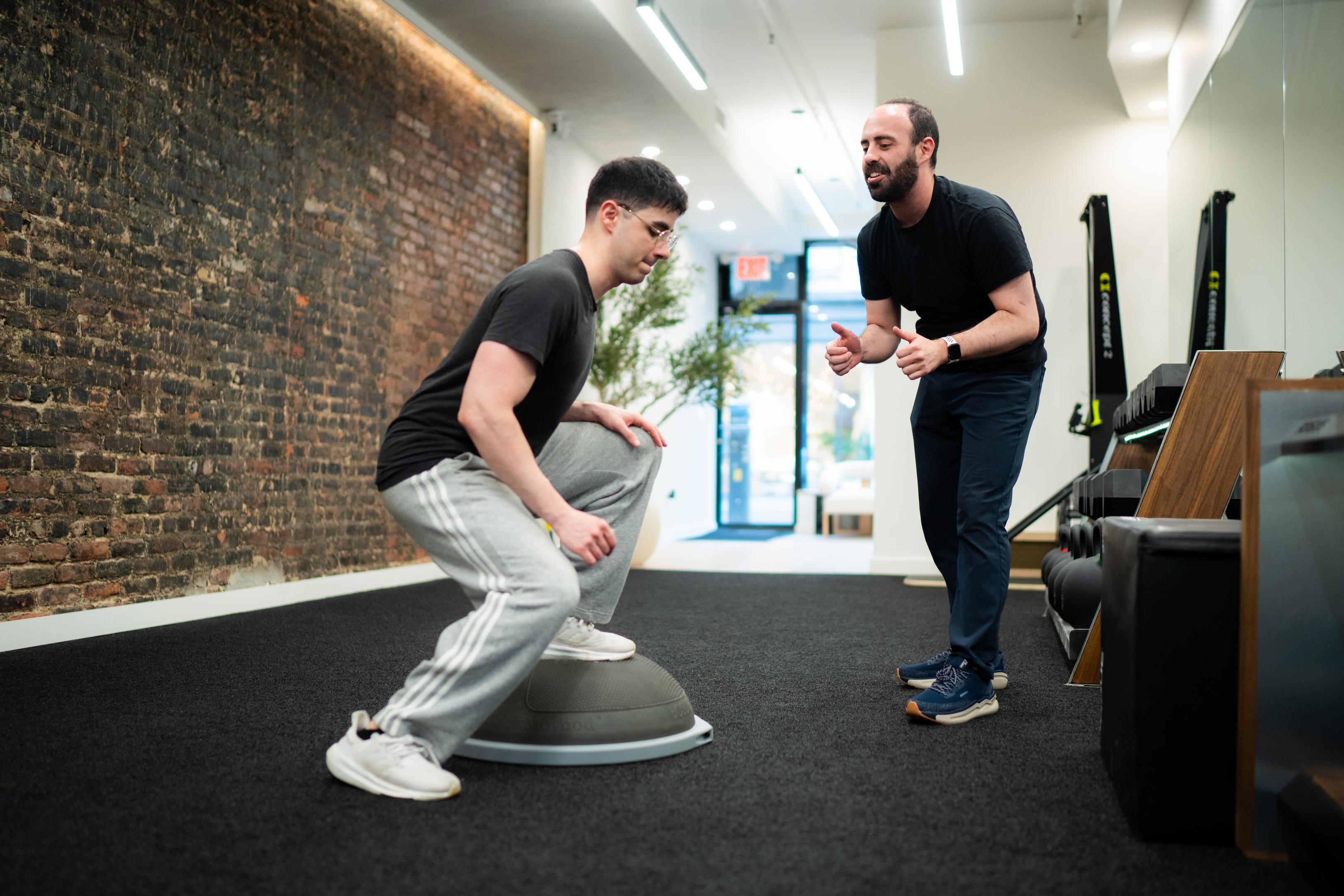
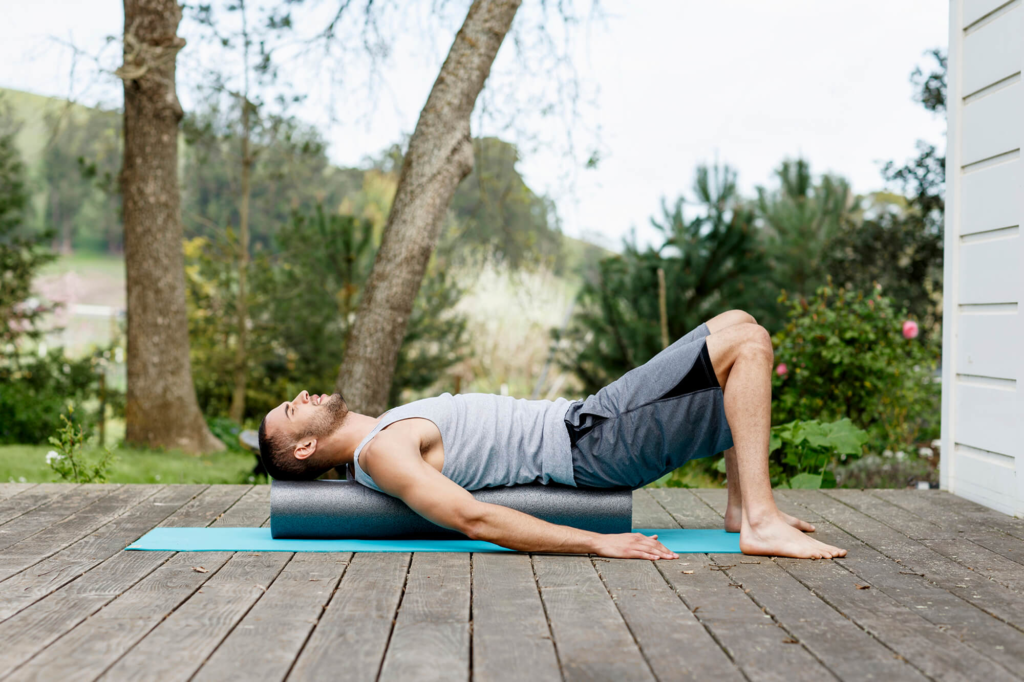
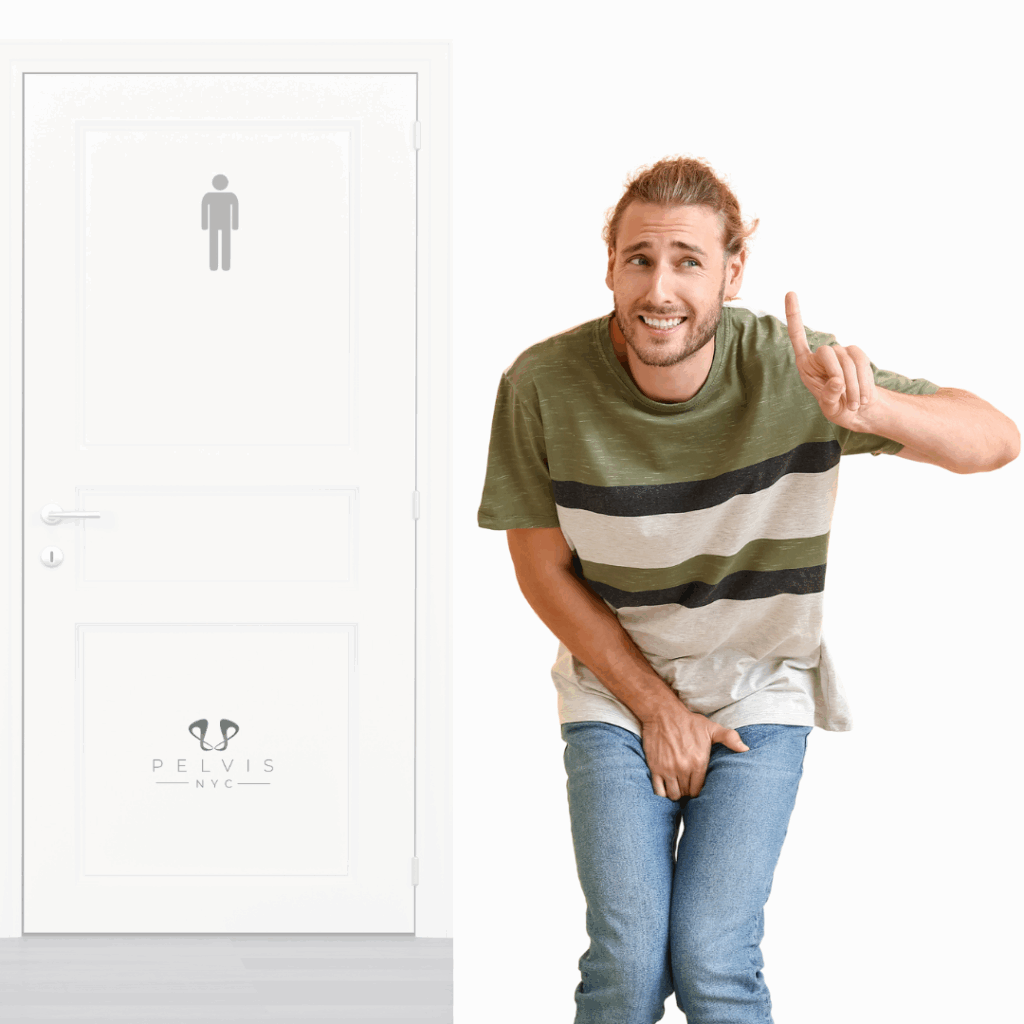
Physical therapy is a valuable resource for men seeking to improve their health, recover from injuries, and manage chronic pain. However, many men have questions and uncertainties about physical therapy. In this blog post, we will address some of the most frequently asked questions to provide clarity and guidance. Our goal is to offer friendly and engaging answers from a physical therapist’s perspective. This will help empower men to make informed decisions about their physical therapy journey.
What conditions can physical therapy help treat?
As a physical therapist, I have the knowledge and skills to effectively treat a wide range of conditions that commonly affect men. Here’s a brief definition of each condition from my perspective:
Orthopedic injuries: These include various musculoskeletal injuries. Such as sprains (ligament damage), strains (muscle or tendon damage), and fractures (broken bones). Physical therapy focuses on reducing pain, promoting healing, and restoring normal function through exercises, manual therapy techniques, and other interventions.
Back and neck pain: Physical therapists specialize in addressing back and neck pain, which can be caused by various factors. This includes poor posture, muscle imbalances, herniated discs, or spinal conditions. Treatment may also involve therapeutic exercises, manual therapy, posture correction, and education on proper body mechanics to alleviate pain and improve spinal stability.
Sports injuries: Physical therapy plays a crucial role in rehabilitating sports-related injuries such as sprained ankles, torn ligaments, muscle strains, and stress fractures. Through targeted exercises, sport-specific training, and injury prevention strategies, I help athletes regain strength, flexibility, and function to safely return to their sports activities.
Joint pain (shoulder, knee, hip): Joint pain is commonly caused by conditions such as osteoarthritis, tendonitis, bursitis, or ligament tears. Physical therapy interventions aim to reduce pain, increase joint mobility, as well as strengthen the surrounding muscles through exercises, manual therapy, and modalities like heat or cold therapy.
Arthritis: Physical therapy can be highly beneficial for managing arthritis, a condition characterized by joint inflammation and stiffness. I focus on improving the joint range of motion and strengthening the surrounding muscles. Furthermore, I provide education on pain management strategies to enhance functional abilities and quality of life.
Post-surgical rehabilitation: After undergoing surgery, physical therapy is also essential for promoting healing, restoring mobility, and regaining strength and function. Through a tailored treatment plan, I guide patients through progressive exercises, manual therapy, scar tissue management, and activity-specific training to optimize their recovery and minimize complications too.
Neurological conditions: Physical therapy plays a significant role in managing neurological conditions like stroke or Parkinson’s disease. I employ specialized techniques and exercises to improve mobility, balance, coordination, and overall functional independence for individuals with neurological impairments.
Balance and coordination issues: Physical therapy addresses balance and coordination problems that can result from aging, neurological disorders, or other factors. I develop customized exercise programs to enhance balance, coordination, and stability, reducing the risk of falls and improving overall functional abilities.
Work-related injuries: Work-related injuries, such as repetitive strain injuries or sprains due to lifting or overexertion, can be effectively managed through physical therapy. Treatment focuses on reducing pain, restoring function, and providing ergonomic education to prevent future injuries and promote a safe and healthy work environment.
Can physical therapy help with post-surgical rehabilitation?
Absolutely! Physical therapy plays a vital role in post-surgical rehabilitation for men. A physical therapist can guide you through a personalized rehabilitation program, focusing on restoring mobility, strength, and function after surgery. In addition, they will work closely with your surgeon to ensure a safe and effective recovery process.
How long does a physiotherapy session last, and how often will I need to attend?
Typically, a physical therapy session lasts between 30 minutes to one hour. The frequency of sessions depends on several factors, including the nature of your condition, treatment goals, and availability. In the beginning, sessions may be more frequent (e.g., two to three times a week), and as you progress, the frequency may decrease. Your physical therapist will create a customized treatment plan that outlines the recommended session frequency and duration.
Will physiotherapy involve exercises I can continue at home?
Yes, a significant part of your physical therapy program will include exercises and activities that you can continue at home. These exercises are designed to complement the in-clinic sessions and help you progress toward your goals. Your physical therapist will provide detailed instructions, demonstrations, and written materials to guide you through your home exercise program. Consistency with these exercises will contribute to your overall progress and long-term success.
Can it help with chronic pain management?
Yes, physical therapy can be highly effective in managing chronic pain. A physical therapist will assess your condition, identify the underlying causes of your pain, and develop a tailored treatment plan. This plan may include manual therapies, therapeutic exercises, modalities (such as heat or cold therapy), and education on pain management techniques. Physical therapy aims to improve your mobility, reduce pain, and enhance your overall quality of life.
Will my insurance cover physical therapy?
Many insurance plans cover physical therapy services, but coverage can vary depending on your specific plan. It’s important to check with your insurance provider to understand your coverage details, including any deductibles, co-pays, or limitations. Additionally, some physical therapy clinics offer self-pay options or payment plans for those without insurance coverage.
Contact US!
If you have more inquiries or questions, we encourage you to reach out to us at Pelvis NYC. Whether you have specific concerns about a condition, want to learn more about our treatment approaches, or require clarification on any aspect of physical therapy, we have the best male physiotherapist to assist you.
Physical therapy for men is an incredible way that help overcome injuries, manage chronic pain, and improve their overall well-being. Despite the common misconception that physical therapy is primarily for women or athletes, it’s important to recognize that it offers significant benefits for men as well. In this blog post, we will explore the world of physical therapy, providing a comprehensive guide that will empower men to take charge of their health. We aim to provide you with positive and hopeful information that will inspire you to embrace the possibilities that physical therapy can offer.
Breaking Stereotypes
Let’s challenge the stereotypes surrounding physical therapy. It’s time to debunk the notion that it’s only for specific demographics. Regardless of your age, profession, or fitness level, physical therapy is essential for men too. It doesn’t matter if you’re a professional athlete or a weekend warrior, a guide from physical therapy can be crucial in improving your health and well-being.
Understanding the Benefits
Physical therapy provides a wide range of benefits that can have a positive impact on men’s lives. Whether you’re recovering from surgery, healing from a sports injury, or managing chronic pain, a physical therapist can develop a personalized treatment plan to address your specific needs. Here are some key benefits of physical therapy for men:
Injury Recovery: Physical therapy helps speed up the healing process, improve function, and reduce the risk of re-injury by providing targeted exercises, manual treatments, and specialized techniques tailored to your condition.
Chronic Pain Management: Physical therapists employ various techniques to alleviate pain and improve mobility, enabling men to better manage conditions such as back pain, arthritis, or postural issues.
Improved Athletic Performance: Physical therapists can enhance athletic performance by assessing movement patterns, correcting imbalances, and designing specialized training programs to optimize strength, flexibility, and endurance.
Enhancing Overall Health: Physical therapy goes beyond injury treatment. It focuses on improving overall health and preventing future issues. By emphasizing healthy lifestyle choices, postural education, and exercise programs, physical therapy helps men achieve long-term wellness.
The Role of the Physical Therapist
When you engage in physical therapy, you’ll work closely with a licensed physical therapist who is an expert in musculoskeletal health. They will assess your condition, discuss your goals, and design a personalized treatment plan to meet your unique needs. Your physical therapist will guide you through exercises, hands-on techniques, and other interventions to optimize your recovery and overall well-being.
Active Participation
Active participation is key to achieving positive outcomes in physical therapy. It’s crucial to follow your physical therapist’s instructions. So be consistent with your exercises, and openly communicate about your progress and concerns. By actively engaging in your treatment, you can maximize the benefits of physical therapy and empower yourself on your journey to wellness.
Embracing the Journey
Physical therapy is not a quick fix; it’s a journey toward long-term health and well-being. It may require time, effort, and dedication, but the rewards are worth it. Embrace the process, trust in your physical therapist’s expertise, and maintain a positive mindset throughout your journey. Remember that physical therapy is designed to help you achieve your goals and regain your independence.
If you have more questions on how physical therapy can help improve your everyday life, don’t hesitate to ask! Go to www.pelvis.nyc now!
Pelvis NYC stands out as a top choice for finding the best physical therapy services. Their commitment to providing exceptional care, personalized treatment plans, and a welcoming environment set them apart.
Chronic pelvic pain is a debilitating condition that affects many men. However, it is often misdiagnosed or overlooked by healthcare providers. If you are one of the many men experiencing chronic pelvic pain, know that there is hope for relief. Pelvic floor muscle training (PFMT), also known as pelvic floor therapy, is a non-invasive treatment option that can provide relief for men with chronic pelvic pain. In this blog post, we’ll discuss what chronic pelvic pain is, how PFMT can help, and what exercises and techniques can be used to manage this condition.
Understanding Chronic Pelvic Pain
Imagine being constantly in pain and discomfort in your pelvic area, making it difficult to enjoy daily activities or engage in intimate moments with your partner. That’s the reality for many men who suffer from chronic pelvic pain.
Chronic pelvic pain is pain that lasts for at least six months. In some cases, chronic pelvic pain can be associated with conditions like pelvic organ prolapse, where pelvic organs such as the bladder or rectum descend due to weakened pelvic floor muscles. It affects the area below the belly button, including the pelvic floor muscles. It can be caused by a variety of factors, such as inflammation, nerve damage, or muscle tension. Common symptoms of chronic pelvic pain include pain during sex, difficulty urinating or having bowel movements, and discomfort in the pelvic area.
How PFMT Can Help
Pelvic floor muscle training is a type of physical therapy that focuses on strengthening and relaxing the pelvic floor muscles. It can be used to treat a variety of conditions, including chronic pelvic pain. By strengthening the pelvic floor muscles, PFMT can improve bladder control and bowel control. It can also help manage urinary incontinence by providing better support to the bladder. It can also reduce pain during sex and improve overall pelvic health.
Pelvic Floor Muscle Exercises Training Techniques
Now that you understand the importance of PFMT, let’s dive into the different exercises and techniques that can be used to manage chronic pelvic pain.
Kegels – These exercises involve contracting and relaxing the pelvic floor muscles. It can help improve bladder and bowel control, as well as reduce pain during sex.
Biofeedback – This technique uses sensors to monitor muscle activity in the pelvic floor. It can help men learn how to properly engage and relax the correct muscles.
Trigger point release – This technique involves applying pressure to specific areas of the pelvic floor. This is done to release tension and improve blood flow.
Pelvic devices – Tools such as vaginal cones can assist in strengthening the pelvic floor muscles by providing resistance during exercises.
Tips for Starting PFMT
If you’re interested in starting PFMT to manage your chronic pelvic pain, here are a few tips to keep in mind:
Consult with a healthcare provider first to rule out any underlying medical conditions.
Find a qualified physical therapist who specializes in pelvic floor muscle training.
Be patient and consistent with your exercises. It can take time to see results, but the benefits of PFMT are well worth the effort.
PFMT can also help reduce stress incontinence, which is the involuntary leakage of urine during physical activities such as coughing or lifting.
How to Get Started with Pelvic Floor Muscle Training
Before starting any pelvic floor muscle exercises, it’s important to consult with a healthcare provider or a pelvic floor physical therapist to assess your condition and create a personalized treatment plan. They can help you determine the right exercises to do and the proper technique to perform them, ensuring you are effectively targeting your pelvic muscles.
Once you have the go-ahead from your healthcare provider, you can start your pelvic floor muscle training at home. Here are some tips to get started:
Find the correct muscles: The first step in pelvic floor muscle training is to identify the muscles you need to work on. One way to do this is to try stopping the flow of urine midstream while using the restroom. The muscles you use to do this are your pelvic floor muscles, so it’s easy to find! Kegel exercises strengthen these muscles by contracting and relaxing them regularly.
Practice regularly: Consistency is key when it comes to exercises that strengthen your pelvic floor. Start with a few sets of exercises each day, and gradually increase the intensity and duration over time.
Use proper technique: Proper technique is important to make sure you’re targeting the right muscles and avoiding any strain or injury, especially if you have weak pelvic floor muscles. Proper technique ensures that you are effectively supporting your pelvic organs, such as the bladder and uterus.
Incorporatepelvic floor exercises into your routine: Pelvic floor muscle training can be done anytime, anywhere, and can be easily incorporated into your daily routine. For example, you can do Kegel exercises while sitting at your desk, watching TV, or brushing your teeth. Incorporating these exercises into your routine can also enhance sexual function by improving muscle control and sensation.
Pelvis NYC for Pelvic Floor Muscle Training
Pelvis NYC is the top choice for individuals seeking effective treatment for chronic pelvic pain. Our expert pelvic floor physical therapist offers personalized care and innovative treatments that address the root cause of your pain. We prioritize your comfort and privacy, ensuring that your journey to recovery is as smooth and stress-free as possible.
Start your PFMT journey today withPelvis NYC and take the first step towards a pain-free future.
Let’s talk about sexual health – a complex and multifaceted aspect of overall wellness, influenced by personal, psychological, relational, cultural, spiritual, physical, and emotional factors. According to official sources, such as the World Health Organization, the definition of it is a state of physical, emotional, mental, and social well-being in relation to sexuality, not merely the absence of disease or dysfunction.
To define it, it is as individual and complicated as the various dynamics of our lives, encompassing the ability to have pleasurable and safe sexual experiences, free of coercion, discrimination, and violence, and involves a positive and respectful approach to sexual relationships. Sexual rights are fundamental to achieving sexual health, ensuring that everyone can experience sexuality free from discrimination and violence.
What is Sexual Health?
Clear definitions of sexual health, sexuality, and sexual rights are essential for understanding this topic. These definitions help clarify that it is shaped by societal, legal, and community factors, and is not limited to individual experiences.
To define it, it is as individual and complicated as the various dynamics of our lives, encompassing the ability to have pleasurable and safe sexual experiences, free of coercion, discrimination, and violence, and involves a positive and respectful approach to sexual relationships. Importantly, sexual health is not just the absence of disease or dysfunction, but a holistic state of well-being.
Recognizing the diversity of human sexuality is crucial, as it underscores the importance of sexual health as an important part of overall wellness. It requires a positive, respectful, and rights-based approach to sexuality, including the possibility of having pleasurable and safe sexual experiences, free from coercion and discrimination.
Sexual health is interconnected with both emotional health and mental health, highlighting the importance of a holistic approach to well-being. Intimacy and relationship dynamics also play a significant role in sexual health, whether one is single, dating, or in a committed relationship.
As a physical therapist, I’ve seen firsthand patients struggling with sexual dysfunction– whether it’s pain during intercourse, difficulty achieving orgasm, or urinary incontinence during sex.
Many of these patients are surprised to learn that the root cause of their problems may be their pelvic floor muscles. But the good news is that with the right care and exercises, you can improve the health of your pelvic floor muscles and enhance your sexual well-being. So let’s explore the connection between sexual health and pelvic floor muscles!
Introduction to Pelvic Floor Muscles
Pelvic floor muscles are fundamental to both sexual health and overall well-being. Often referred to as the pubococcygeus muscles, these muscles form a supportive hammock for the pelvic organs, playing a vital role in controlling urinary and bowel functions. A strong pelvic floor not only helps prevent sexual dysfunction but also enhances sexual pleasure by improving sensation and response during sexual activity. Maintaining pelvic floor health is especially important during the reproductive years, as it supports overall health, social well-being, and mental health. Regular exercises, such as Kegels, can strengthen these muscles, contributing to improved physical and mental health, and helping individuals enjoy a more satisfying and pleasurable sex life. Prioritizing pelvic floor health is a key step toward achieving optimal well-being and reducing the risk of sexually transmitted infections.
Anatomy of the Pelvic Floor Muscles and Reproductive Health
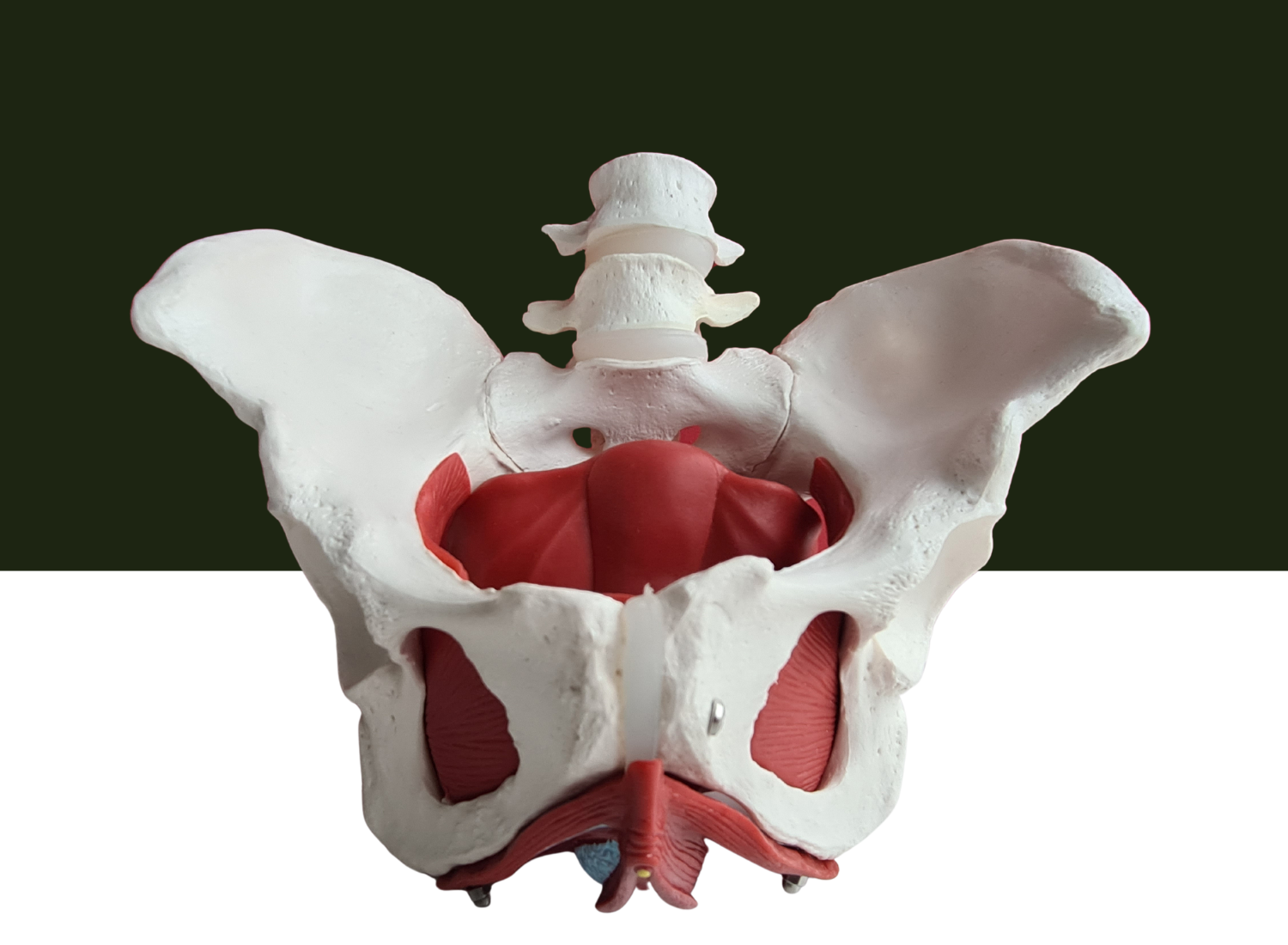
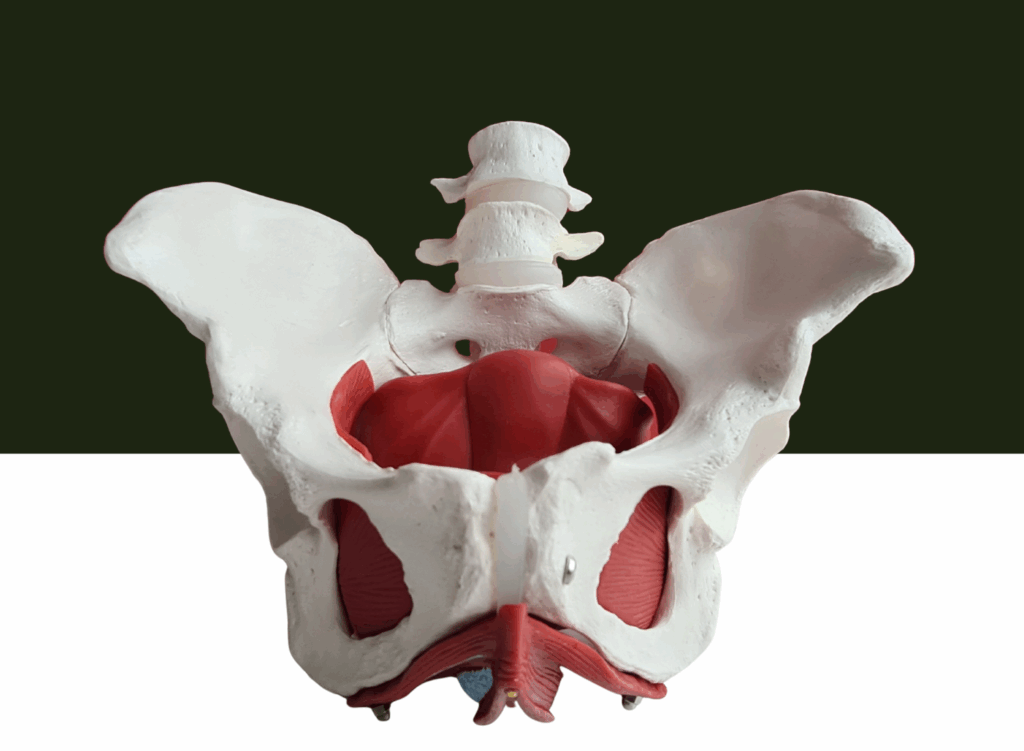
To understand why pelvic floor muscles are important for sexual health, it’s essential to know their anatomy. The pelvic floor is a group of muscles that stretch from the pubic bone at the front of the pelvis to the tailbone at the back. These muscles form a sling that supports the bladder, rectum, and other pelvic organs.
Sexual health risks, such as sexually transmitted infections (STIs) and unplanned pregnancies, can vary significantly by age. Young adults, especially those by the age of 25, often face higher rates of STIs and unplanned pregnancies compared to other age groups.
Sexual orientation can influence sexual health, making it important to understand and respect different orientations. This includes recognizing how someone is attracted sexually, emotionally, and romantically, and acknowledging that sexual orientation can be fluid and change over time.
Access to contraception is a crucial part of comprehensive reproductive health services, helping individuals make informed choices about family planning and reducing barriers to sexual health care.
How Pelvic Floor Muscles Affect Sexual Health and Sexual Relationships
So why do pelvic floor muscles matter for sexual health? The answer lies in their role in sexual function. The pelvic floor muscles play a crucial role in achieving and maintaining an erection in men. Strong pelvic floor muscles can also help with achieving orgasm and maintaining control over ejaculation during sexual activity.
But when pelvic floor muscles are weak or tight, they can interfere with sexual function. Men may experience erectile dysfunction or premature ejaculation, while women may have difficulty achieving orgasm or experience pain during intercourse. Also, pelvic floor muscle dysfunction can lead to urinary or fecal incontinence during sex, which can cause sharp pain during sexual intercourse.
Healthy sexual relationships and sexual expression are essential components of overall sexual health. Promoting a positive and respectful approach to sexuality can enhance pleasurable and safe sexual experiences. Talking openly with partners about sexual health, consent, and boundaries is important for building trust and understanding. Everyone should feel empowered to decide what is best for their own sexual health and relationships.
Protecting Against Infections
Safeguarding yourself against sexually transmitted infections (STIs) is a crucial aspect of sexual health. Engaging in safe sexual activity—such as using condoms and dental dams—significantly lowers the risk of STIs and unintended pregnancy. Regular testing and screenings are essential for early detection and effective treatment, helping to maintain healthy sexual relationships and prevent the spread of infections. Being informed about the different types of STIs, their symptoms, and available treatments empowers individuals to make safer choices and seek timely care. By taking proactive steps in prevention and staying up-to-date with testing, you can enjoy sex and build healthy relationships, free from the risks associated with STIs and unintended pregnancy.
Importance of Education and Awareness
Comprehensive education and awareness are the foundation of healthy sexuality and sexual relationships. Access to accurate sexual health information enables individuals to make informed decisions about birth control, STI prevention, and healthy relationships. It’s equally important to address the emotional and psychological aspects of human sexuality, including gender identity, sexual orientation, and the impact of sexual abuse. By fostering a positive and respectful approach to sexuality, individuals can improve their mental health, emotional well-being, and overall quality of life. Healthcare providers play a vital role in offering guidance, support, and education, ensuring that everyone has the resources they need to navigate their sexuality and relationships with confidence and respect.
Pelvic Floor Exercises for Sexual Health Information:
Pelvic floor muscle exercises, also known as Kegels, are a simple and effective way to improve pelvic floor strength and optimize sexual function. These exercises involve contracting and relaxing the pelvic floor muscles, similar to stopping and starting urine flow. To perform Kegels, sit comfortably and squeeze your pelvic floor muscles for a few seconds. Relax for the same amount of time. Repeat this exercise 10-15 times, 3 times per day.
Staying healthy involves more than just exercise—regular health practices like pelvic floor exercises, as well as getting tested for STIs, are important steps in maintaining sexual health and preventing the spread of infections.
Physical Therapy for Pelvic Floor Dysfunction: Benefits for Physical and Mental Health
If you are experiencing sexual dysfunction or other symptoms related to pelvic floor muscles, seeking the help of a physical therapist is a wise choice. A physical therapist can evaluate your pelvic floor muscles, develop an individualized treatment plan, and teach you exercises to improve strength and coordination. Treatment may also include manual therapy, biofeedback, and relaxation techniques to help reduce muscle tension and improve sexual function, contributing to better physical and mental health.
Reproductive health is also crucial when addressing pelvic floor dysfunction, as it encompasses access to necessary medical care and services.
In addition to physical therapy, fostering healthy relationships is essential for overall well-being and sexual health.
Health Care and Resources
Access to quality health care and reliable resources is essential for maintaining sexual health and overall well-being. Regular check-ups, screenings, and testing for sexually transmitted infections and other sexual health concerns are vital for early detection and prevention. Healthcare providers should offer comprehensive guidance on birth control options, sexual health education, and support for addressing sexual dysfunction or sexual abuse. Prioritizing sexual health care is especially important for women and adolescents, as it helps prevent cervical cancer, unintended pregnancy, and other health risks. By ensuring that sexual health care is accessible, confidential, and patient-centered, individuals can build healthy, fulfilling sexual relationships and enjoy a higher level of social and emotional well-being.
Conclusion:
Your pelvic floor muscles are an essential component of your overall health, including sexual health. Providing empowering sexual health information can help individuals understand the importance of maintaining strong pelvic floor muscles. By performing pelvic floor exercises and seeking the guidance of a physical therapist, you can improve your pelvic floor function and enhance your sexual experience. Don’t hesitate to seek help if you are experiencing symptoms related to pelvic floor dysfunction. Visit www.pelvis.nyc now!
Remember, a healthy pelvic floor leads to a healthy sex life. It is crucial to adopt a positive and respectful approach to sexual health.
Direct Answer: To effectively manage bowel issues, focus on improving your digestive system health, bowel habits, and pelvic floor strength. Key strategies include eating a fiber-rich diet, staying hydrated, exercising regularly, practicing bowel retraining techniques, and working with a pelvic health physical therapist. These steps can help improve bowel movements, bowel control, and constipation relief.
Bowel problems are more common than many men realize. Yet many men hesitate to talk about them—even with their doctor.
As a physical therapist who works with men experiencing bowel dysfunction, I’ve seen firsthand how these issues can affect daily life, confidence, and overall health. The good news is that most bowel issues can be significantly improved with the right strategies and professional guidance.
This guide explains science-backed ways to manage bowel problems, improve digestive function, and regain bowel control.
Introduction to Bowel Health
Bowel health is a cornerstone of overall wellness, yet it’s often overlooked until problems arise. Maintaining healthy bowel movements is essential not only for comfort but also for preventing serious digestive and kidney diseases. The digestive system—including the small intestine, liver, and other organs—works tirelessly to break down food and absorb nutrients your body needs. However, conditions like irritable bowel syndrome (IBS) can disrupt normal bowel function, leading to symptoms such as stomach pain, constipation, diarrhea, and other symptoms that can impact daily life.
Fortunately, you can relieve constipation and ease IBS symptoms by making a few simple changes to your daily routine. Eating high-fiber foods, drinking plenty of water, and exercising regularly all support healthy bowel function. If you experience severe pain or persistent digestive issues, it’s important to consult a healthcare provider. They can help you develop a treatment plan tailored to your needs and rule out more serious conditions affecting your digestive or kidney health.
Understanding Bowel Issues in Men
Bowel issues can occur when the digestive system, pelvic floor muscles, or nerves involved in bowel function are not working properly.
Common symptoms include:
Irregular bowel movements
Constipation
Sudden urgency
Difficulty emptying the bowels
Leakage or reduced bowel control
Certain triggers, lifestyle factors, or medication side effects can make symptoms worse. If you notice your symptoms getting worse, it may be a sign to seek medical attention.
According to the National Institute of Diabetes and Digestive and Kidney Diseases, millions of adults experience chronic digestive issues that interfere with normal bowel function.
For men, bowel dysfunction may be related to:
Chronic constipation
Pelvic floor weakness
Prostate surgery
Nerve damage
Diet and lifestyle habits
Managing these issues early can help prevent worsening symptoms and improve long-term digestive health.
If your symptoms persist or recur over a few weeks, it may indicate a more serious issue and professional evaluation is recommended.
Morning Bowel Routine
Starting your day with a consistent morning bowel routine can make a big difference in regulating bowel movements and preventing constipation. Begin by drinking a glass of water or herbal tea on an empty stomach—this simple step can help stimulate bowel function and get your digestive system moving. Incorporate high-fiber foods into your breakfast, such as whole grains, fruits, and vegetables, to ease constipation and support regularity.
It’s also wise to avoid foods that can worsen constipation, like certain dairy products, especially if you’re sensitive to lactose. If you find it challenging to get enough fiber from food alone, fiber supplements can be a helpful addition. Regular morning exercise, even a short walk, can further encourage healthy bowel movements and improve overall digestive health.
By establishing these habits, you can help prevent common bowel disorders, including bowel incontinence and fecal incontinence, and reduce your risk of colon cancer. A healthy morning routine sets the tone for better bowel function throughout the day.
Effective Strategies to Manage Bowel Issues
Below are some of the most effective doctor-recommended strategies to improve bowel movements and support digestive health.
1. Eat a Balanced Diet That Supports the Digestive System
Diet plays a major role in regulating bowel movements and improving constipation relief.
To understand how to manage bowel issues, it’s helpful to know how the digestive system works. The process begins in the mouth, where food is chewed and mixed with saliva. It then travels down the esophagus to the stomach, where it is broken down further by stomach acids. Next, the food moves into the small intestine, where nutrients are absorbed, and finally into the large intestine, where water is absorbed and waste is formed before being expelled from the body.
The goal is to support the digestive system with foods that help stool move smoothly through the colon. High fibre foods, including both soluble and insoluble fiber, are especially important for preventing and alleviating constipation by promoting healthy digestion and regular bowel movements.
Additionally, olive oil can act as a lubricant in the digestive system, making it easier for solids to pass.
Focus on fiber diversity
Not all fiber works the same way.
Soluble fiber helps soften stool and support digestion.
Examples include:
Oats
Beans
Lentils
Peas
Apples
Insoluble fiber adds bulk to stool and encourages regular bowel movements.
Examples include:
Whole grains
Leafy greens
Carrots
Broccoli
Men should aim for 25–38 grams of fiber per day, according to the Harvard T.H. Chan School of Public Health.
Foods that may worsen bowel problems
Some foods can trigger digestive discomfort or worsen bowel dysfunction.
You may want to avoid foods that commonly cause symptoms such as:
Highly processed foods
Excess caffeine
Fried foods
Artificial sweeteners
Some people also experience digestive issues with dairy products, especially if they have lactose intolerance.
Tracking what you eat can help identify personal triggers affecting your bowel movements.
Hydration is essential for healthy bowel function.
Water helps stool remain soft and easier to pass through the colon. When the body becomes dehydrated, stool can become hard and difficult to pass, leading to constipation.
Daily hydration tips
Aim for:
6–8 glasses of water per day
You can also increase fluid intake through:
Herbal tea
Broths
Water-rich fruits like watermelon and oranges
If plain water feels boring, adding lemon or cucumber can help you drink more consistently.
Proper hydration works together with dietary fiber to provide effective constipation relief.
3. Exercise Regularly to Support Digestive Health
Regular physical activity stimulates the digestive system and helps regulate bowel movements.
Exercise increases blood flow to the intestines and encourages the natural movement of stool through the digestive tract.
Best exercises for bowel health
Low-impact activities are particularly helpful:
Walking
Cycling
Swimming
Yoga
Just 20–30 minutes of movement daily can improve digestion and reduce constipation.
Exercise also strengthens the core and pelvic floor muscles that contribute to bowel control.
If you have severe bowel dysfunction, consult a healthcare provider before beginning a new exercise routine.
Establishing consistent bowel habits is one of the most effective ways to manage bowel problems.
This process is often called bowel retraining, which helps your body develop a predictable schedule for bowel movements.
Tips for bowel retraining
Go to the bathroom at the same time each day
Allow yourself enough time to fully empty your bowels
Avoid straining or holding your breath
Respond to urges rather than delaying them
Over time, these habits can help regulate bowel activity and improve bowel control.
Use proper toilet posture
Your body position also affects how easily stool passes.
A squatting posture straightens the anorectal angle, making bowel movements easier.
You can replicate this position by placing your feet on a small stool while sitting on the toilet.
This technique can significantly help relieve constipation and reduce straining.
5. Consider Biofeedback Therapy
For men experiencing ongoing bowel dysfunction, biofeedback therapy can be extremely effective.
This non-invasive therapy helps retrain the pelvic floor muscles involved in bowel control.
According to the American Physical Therapy Association, biofeedback is widely used in pelvic floor rehabilitation to treat bowel disorders.
How biofeedback therapy works
During treatment:
Small sensors are placed on the abdomen and pelvic muscles.
These sensors measure muscle activity.
A monitor provides real-time feedback as you perform pelvic floor exercises.
This feedback helps you learn how to properly relax and contract the muscles that control bowel movements.
Biofeedback is especially helpful for conditions such as:
Chronic constipation
Fecal incontinence
Pelvic floor dysfunction
Many patients experience significant improvements in bowel control after completing a structured therapy program.
Natural Remedies for Relief
When it comes to relieving constipation and managing IBS symptoms, natural remedies can be both gentle and effective. Drinking prune juice or eating prunes is a time-tested way to stimulate bowel movements, thanks to their natural fiber and sorbitol content. Herbal teas like peppermint or chamomile can help soothe the digestive tract and ease discomfort.
Adding more soluble fiber to your diet—found in foods like brown rice, Brussels sprouts, and whole grains—can help soften stool and make it easier to pass. It’s also important to pay attention to certain foods that may trigger IBS symptoms, such as spicy or fatty foods, and adjust your diet accordingly.
Supporting your gut with probiotics can help maintain healthy bacteria in the digestive system, which is crucial for overall bowel health. If you continue to struggle with constipation or IBS symptoms despite these changes, don’t hesitate to reach out to a healthcare professional for personalized advice and a treatment plan.
Maintaining Bowel Control
Maintaining bowel control is vital for preventing issues like bowel incontinence and fecal incontinence, which can significantly impact quality of life. Bowel retraining, or bowel training, is a proven approach for those experiencing bowel dysfunction—including individuals with conditions like multiple sclerosis. This process involves establishing a regular bowel routine, eating foods high in fiber, and avoiding foods that can trigger symptoms.
Kegel exercises are another valuable tool, helping to strengthen the pelvic floor muscles that control bowel movements and reduce the risk of incontinence. Staying hydrated and consuming plenty of fiber-rich foods can also help prevent constipation, a common cause of bowel incontinence.
If you notice symptoms of bowel incontinence or have difficulty controlling your bowel movements, consult a healthcare provider. They can guide you through effective strategies, including bowel retraining and targeted exercises, to help you regain bowel control and improve your quality of life.
How Physical Therapy Helps Manage Bowel Dysfunction
Pelvic floor physical therapy is one of the most effective conservative treatments for bowel issues.
A specialized therapist evaluates how your pelvic muscles, breathing, posture, and digestive habits work together.
Treatment may include:
Pelvic floor strengthening exercises
Manual therapy techniques
Biofeedback training
Abdominal massage
Breathing and relaxation techniques
Personalized bowel retraining programs
This holistic approach helps address the root cause of bowel problems, not just the symptoms.
Preventing Future Issues
Taking steps to prevent future bowel problems is key to maintaining long-term digestive health. A balanced diet rich in fiber, regular exercise, and effective stress management can help prevent constipation and reduce IBS symptoms. It’s also important to avoid foods that can trigger digestive discomfort, such as spicy or fatty foods, and to drink plenty of water to keep your digestive system functioning smoothly.
Getting enough sleep, being mindful of medications that may cause constipation, and managing underlying conditions like celiac disease, Crohn’s disease, or ulcerative colitis are all important for preventing bowel disorders. Regular check-ups with your healthcare provider can help catch potential issues early and ensure you have a treatment plan tailored to your needs.
For more information and resources on maintaining healthy bowel function and preventing digestive and kidney diseases, the National Institute of Diabetes and Digestive and Kidney Diseases is an excellent place to start. If you experience persistent or severe symptoms, don’t hesitate to seek professional guidance to protect your digestive health for the future.
When to Seek Professional Help
You should consider speaking with a healthcare provider if you experience:
Persistent constipation
Difficulty controlling bowel movements
Sudden urgency to use the bathroom
Frequent digestive discomfort
Ongoing bowel dysfunction that affects daily life
Early treatment can prevent symptoms from worsening and improve overall digestive health.
How Pelvis NYC Helps Men Manage Bowel Issues
If you’re struggling with bowel problems, working with a pelvic health specialist can make a major difference.
At Pelvis NYC, the focus is on helping men restore bowel control through personalized pelvic health care.
Treatment programs may include:
Comprehensive pelvic floor evaluation
Targeted exercises for bowel control
Biofeedback therapy
Digestive and bowel habit coaching
Post-surgical pelvic rehabilitation
Many patients begin noticing improvements in bowel movements and symptom relief within several weeks of consistent therapy.
👉 If bowel issues are affecting your daily life, schedule a consultation with Pelvis NYC to start a personalized treatment plan and regain control of your digestive health.
Frequently Asked Questions
What causes bowel issues in men?
Bowel issues can result from digestive system problems, pelvic floor dysfunction, chronic constipation, nerve damage, or poor bowel habits.
What foods should I avoid if I have bowel problems?
You may want to avoid foods that worsen symptoms, including highly processed foods, excessive caffeine, and certain dairy products if you are lactose intolerant.
Can exercise improve bowel movements?
Yes. Regular exercise stimulates the digestive system and helps regulate bowel movements, which can provide natural constipation relief.
What is bowel retraining?
Bowel retraining is a technique that establishes a consistent schedule for bowel movements. It trains the digestive system to empty at predictable times.
When should I see a healthcare provider for bowel issues?
You should consult a healthcare provider if symptoms such as constipation, bowel urgency, or loss of bowel control persist or interfere with daily life.
Key Takeaway
Bowel issues can feel frustrating and embarrassing, but they are very treatable. With the right combination of diet changes, hydration, exercise, bowel retraining, and pelvic physical therapy, many men can regain control of their digestive health.
If symptoms persist, seeking help from a specialist can dramatically improve your quality of life.
The team at Pelvis NYC is experienced in helping men overcome bowel dysfunction and restore confidence through evidence-based pelvic health treatment.
The most effective exercises to improve bowel control strengthen the pelvic floor muscles that support the rectum and regulate bowel movements. Key exercises include Kegels, bridge exercises, squats, pelvic floor “elevator” exercises, and targeted abdominal massage techniques. When performed consistently—and often combined with pelvic physical therapy—these exercises can significantly reduce bowel leakage and improve digestive control.
Bowel control problems are more common than many men realize. Whether caused by aging, prostate surgery, chronic constipation, nerve damage, or pelvic floor weakness, fecal incontinence can affect confidence, social life, and overall quality of life. The good news: targeted exercises and physical therapy can help restore strength and control.
Understanding Why Bowel Control Problems Happen
Before exploring the best exercises to improve bowel control, it helps to understand the anatomy involved.
The pelvic floor muscles form a supportive hammock at the base of the pelvis. These muscles support the:
Rectum
Bladder
Prostate (in men)
Surrounding nerves and connective tissue
They also play a crucial role in maintaining continence, meaning they help keep stool and gas in the rectum until you’re ready to go.
When these muscles weaken or lose coordination, you may experience:
Fecal leakage
Difficulty holding gas
Urgency to use the bathroom
Incomplete bowel movements
According to the National Institute of Diabetes and Digestive and Kidney Diseases, bowel incontinence affects millions of adults and becomes more common with age or after certain surgeries.
According to the American Physical Therapy Association, pelvic physical therapy is one of the most effective conservative treatments for bowel incontinence.
Case example
Men recovering from prostate cancer surgery frequently experience pelvic floor weakness. Clinical studies show structured pelvic floor therapy programs can significantly improve continence outcomes.
Lifestyle Habits That Improve Bowel Control
Exercises work best when combined with healthy bowel habits.
Increase dietary fiber
Fiber adds bulk to stool and improves consistency.
Recommended intake:
25–38 grams daily
Good sources include:
Oats
Beans
Berries
Leafy greens
Whole grains
Stay hydrated
Water softens stool and prevents constipation.
Aim for:
6–8 glasses daily
Avoid excessive straining
Straining weakens pelvic muscles over time.
Helpful strategies:
Use a toilet foot stool
Take your time
Practice diaphragmatic breathing
Maintain regular exercise
Walking and moderate exercise stimulate digestion and improve circulation to pelvic tissues.
When to See a Specialist
You should consider a professional evaluation if you experience:
Frequent bowel leakage
Strong urgency
Inability to hold gas
Accidents during physical activity
Symptoms after prostate surgery
Early intervention improves recovery and prevents long-term pelvic dysfunction.
How Pelvic Physical Therapy at Pelvis NYC Can Help
If you’re struggling with bowel control, working with a specialist can accelerate recovery.
At Pelvis NYC, therapists focus on evidence-based pelvic rehabilitation for men.
Their approach includes:
Comprehensive pelvic floor assessments
Personalized exercises to improve bowel control
Biofeedback therapy
Post-prostate surgery recovery programs
Digestive and bowel habit coaching
Many patients see meaningful improvements in 6–8 weeks with consistent therapy.
👉 Take the first step toward better control. Visit Pelvis NYC to schedule a consultation and start a personalized pelvic health program.
Frequently Asked Questions
What are the best exercises to improve bowel control?
The most effective exercises include Kegels, pelvic floor elevator exercises, bridges, squats, and abdominal massage techniques. These strengthen the pelvic floor muscles that control bowel movements.
How long does it take for pelvic floor exercises to improve bowel control?
Most people notice improvements within 6–12 weeks of consistent daily exercise. Results may appear faster when guided by a pelvic floor physical therapist.
Can men benefit from pelvic floor therapy?
Yes. Men frequently benefit from pelvic floor therapy, especially after prostate surgery, chronic constipation, or nerve injury affecting bowel control.
Do Kegel exercises help with fecal incontinence?
Yes. Kegels strengthen the muscles that close the rectum, improving the ability to hold stool and gas.
When should I see a pelvic physical therapist?
You should seek professional care if bowel leakage occurs regularly, if symptoms interfere with daily life, or if problems begin after surgery or injury.
Final Takeaway
Bowel control problems are common—but they’re also highly treatable.
Practicing targeted exercises to improve bowel control can strengthen the pelvic floor, restore muscle coordination, and significantly reduce leakage. For the best results, combine these exercises with healthy bowel habits and guidance from a pelvic health specialist.
If symptoms persist, working with experts at Pelvis NYC can provide a structured recovery plan designed specifically for men.
The truth is, that what you eat can either promote or hinder healthy bowel movements. And as we all know, irregularity and discomfort can be a real pain in the you-know-what. But don’t worry, there are ways physical therapy can help in promoting diet on your bowel health! Through specific exercises and techniques and a dietary plan, we can work together to improve bowel health and get you feeling your best.
In this post, we’ll dive into the link between diet and bowel health, as well as some actionable steps you can take to manage bowel issues. Plus, I’ll share how physical therapy can play a role in supporting your overall bowel health.
Let’s get started!
The Importance of Diet on Bowel Health
Being a physical therapist allows me to see patients who struggle with bowel problems like constipation, diarrhea, and fecal incontinence. Eating a healthy, balanced diet can help regulate bowel movements, promote healthy gut bacteria, and reduce the risk of bowel problems. Foods that are high in fiber, like fruits, vegetables, and whole grains, can help promote healthy bowel movements.
However, not everyone can tolerate high-fiber diets, and some may have other dietary restrictions. This is where physical therapy comes in.
Importance of a balanced diet on bowel health
The Role of Physical Therapy in Bowel Health
Physical therapy can play a significant role in improving bowel health. A physical therapist like me can work with patients with bowel problems through various techniques, including pelvic floor muscle exercises, biofeedback, and abdominal massage. These techniques help to improve muscle strength and coordination, reduce pain and discomfort, and promote better bowel movements. I can also teach patients pelvic floor exercises, which can help improve muscle tone and reduce the risk of fecal incontinence.
Pelvic Floor Muscle Exercises
Pelvic floor muscle exercises, also known as Kegel exercises, are a highly effective way to help strengthen the muscles that control bowel movements. The exercises involve contracting and relaxing the pelvic floor muscles, which can help improve muscle tone and reduce the risk of bowel incontinence.
Pelvic floor exercises
Biofeedback
Biofeedback is another useful technique that I use. This help patients become more aware of their body’s responses to certain stimuli. In the case of bowel problems, biofeedback can help patients become more aware of their bowel movements and learn how to better control them.
Abdominal Massage
Abdominal massage is a technique used by physical therapists to help stimulate the digestive system and promote healthy bowel movements. This technique involves massaging the abdomen in a specific pattern to help stimulate the muscles of the digestive tract. The massage may also help to relieve constipation, gas, and bloating.
Conclusion:
It’s essential to consume a well-balanced diet like high in fiber, fruits, and vegetables to promote healthy bowel movements. As for physical therapy, I can work with you to stimulate your bowel and teach you pelvic floor exercises that can help improve your bowel function. Together, we can create a personalized plan that fits your unique needs and goals. By committing to these lifestyle changes and working with me, you can improve your bowel health and enhance your overall quality of life. Don’t hesitate to reach out at www.pelvis.nyc for guidance and support!
A sudden urge to poop—known as fecal urgency—is when you feel an immediate need to have a bowel movement and struggle to hold it. Fecal incontinence, also called bowel incontinence, refers to the loss of control over bowel movements. For many men, this happens occasionally due to diet, stress, or digestive changes. However, frequent urgency may signal pelvic floor dysfunction, digestive disorders, or bowel control problems.
Bowel incontinence is a symptom of an underlying problem or medical condition. While bowel movements are a normal part of health, fecal incontinence is not a normal part of aging, even though it becomes more common as people get older. The good news: with proper evaluation and targeted therapy, especially pelvic floor physical therapy, most men regain control and improve quality of life.
What Does a Sudden Urge to Poop Mean?
A sudden urge occurs when the rectum fills quickly, or the pelvic floor muscles fail to coordinate with the bladder and bowel. The lower bowel, which includes the rectum and colon, is the anatomical area involved in this process. Normally:
The rectum senses stool
Pelvic floor muscles tighten to hold it
The brain signals the right time to go
Disruption in this system—caused by digestive irritation, muscle weakness, or nerve dysfunction—can lead to urgent, unpredictable bowel movements. A sudden, urgent need to poop is often caused by a strong gastrocolic reflex, food intolerances, stress, infections, or conditions like IBS and IBD.
A strong gastrocolic reflex—the natural signal for the colon to empty after eating, often triggered by fatty or spicy meals—can also cause urgency. For men ages 21–48, urgency often stems from lifestyle factors, pelvic floor issues, or digestive health.
Tracking trigger foods can help identify dietary intolerances that cause bowel urgency.
Common Causes of Sudden Bowel Urgency in Men
1. Digestive System Irritation
Certain foods can increase intestinal motility:
Spicy foods
High-fat meals
Artificial sweeteners
Alcohol
Caffeine
Tip: Keep a food diary to identify triggers and reduce bowel urgency.
2. Irritable Bowel Syndrome (IBS)
IBS affects gut-brain signaling and can cause:
Sudden urge to poop
Abdominal cramping
Bloating
Diarrhea or constipation
Urgency after meals
IBS is one of the most common bowel problems affecting adults.
Fact: IBS affects 10–15% of adults worldwide (American College of Gastroenterology).
3. Pelvic Floor Dysfunction
The pelvic floor muscles support the rectum and control bowel movements. Dysfunction can cause:
Difficulty holding stool
Sudden urgency
Incomplete bowel movements
Fecal leakage
Muscle damage or problems with the nerves and muscles that control the pelvic floor can contribute to dysfunction and lead to fecal incontinence.
Causes: Muscle weakness, poor coordination, tension from heavy lifting, prolonged sitting, previous injuries, or damage to the nerves and muscles involved in bowel control.
4. Gastrointestinal Infections
Temporary infections may trigger:
Urgency
Diarrhea
Stomach cramps
Nausea
Most resolve quickly, but persistent symptoms require medical evaluation.
5. Food Intolerances
Common triggers:
Lactose
Gluten
High FODMAP foods
Artificial sweeteners
Intolerances often cause rapid bowel movements shortly after eating.
6. Stress and the Gut-Brain Connection
Stress increases intestinal contractions, alters gut microbiota, and heightens digestive sensitivity, leading to urgency during:
Work deadlines
Public speaking
Exercise or sports
When to See a Doctor?
Seek evaluation if you notice:
Frequent urgency or fecal leakage
Blood in stool
Chronic diarrhea
Unexplained weight loss
Severe abdominal pain
Symptoms of fecal incontinence include leaking stool when you aren’t using the toilet and passing stool before you can reach the toilet in time.
Early assessment helps rule out IBD, infections, or structural issues, and guides the most effective treatment plan.
Diagnosis and Treatment of Sudden Bowel Urgency
Sudden bowel urgency—often called urge incontinence—is a hallmark symptom of bowel incontinence, where the need to pass stool comes on quickly and can be difficult to control. This can be triggered by a range of underlying issues, including inflammatory bowel disease, irritable bowel syndrome, and nerve damage affecting bowel function.
Diagnosing sudden bowel urgency starts with a thorough physical exam and a detailed medical history to identify patterns and potential causes. Your healthcare provider may recommend specialized tests, such as anal manometry to assess the strength and coordination of the anal sphincter muscles, or endoscopy to check for inflammation or structural problems in the digestive system.
Treatment options are tailored to the underlying cause and the severity of symptoms. Dietary changes—like increasing fiber or avoiding trigger foods—can help regulate stool consistency and improve bowel control. Bowel training, which involves establishing regular bathroom routines and practicing techniques to delay bowel movements, is often effective. Medications may be prescribed to control diarrhea or enhance bowel function, especially in cases linked to IBS or IBD. For persistent symptoms, advanced therapies such as sacral nerve stimulation or other forms of nerve stimulation can help restore nerve signaling and improve continence.
By working closely with your healthcare provider, you can develop a personalized plan to manage symptoms, regain control, and improve your quality of life.
Complications and Related Conditions
Bowel incontinence can affect both physical health and emotional well-being. When stool leakage happens often, it can cause skin irritation around the anus and increase the risk of infections, including urinary tract infections. Many people also experience embarrassment, anxiety, or social withdrawal, which can impact daily life and relationships.
Passive Incontinence
Some men experience passive incontinence, which means stool leakage occurs without warning or awareness. This can be especially difficult because there may be no clear signal that a bowel movement is about to happen.
Early diagnosis is important. When fecal incontinence is identified early, it can often be managed effectively with:
Lifestyle changes
Bowel training
Medical treatment
Conditions That Increase Risk
Several health issues can increase the risk of bowel incontinence, including:
Chronic constipation
Severe intestinal inflammation
Muscle or nerve damage
Certain neurological conditions can also interfere with bowel control, such as:
Multiple sclerosis
Spinal cord injury
Damage from radiation therapy
These conditions can weaken the muscles or nerves that control bowel movements.
Improving bowel health can help prevent or reduce incontinence. Common strategies include:
Dietary adjustments
Increase fiber intake
Drink enough water
Avoid foods that cause loose stools or diarrhea
Bowel training
Establish a regular time each day for bowel movements
Avoid delaying the urge to go
Use proper bathroom posture to reduce strain
Lifestyle habits
Manage stress
Stay physically active
Treat constipation early
According to the National Institute of Diabetes and Digestive and Kidney Diseases (NIDDK), keeping a food diary can help identify triggers that worsen symptoms.
Strengthening the Pelvic Floor
Pelvic floor exercises can help strengthen the muscles that control bowel movements. Stronger muscles improve bowel control and reduce leakage.
In some cases, doctors may recommend treatments such as:
Sacral nerve stimulation
Other nerve stimulation therapies
These treatments help regulate the nerves that control the bowel.
Emotional Support Matters
Living with bowel incontinence can feel isolating, but support is available. Talking with a healthcare provider or joining a support group can help people feel less alone and learn effective ways to manage symptoms.
With the right approach—combining diet, lifestyle changes, medical care, and pelvic floor therapy—many people can improve bowel control and regain confidence in their daily lives.
Working closely with a healthcare provider ensures a personalized treatment plan that supports long-term digestive health and overall well-being.
How the Pelvic Floor Controls Bowel Movements
The pelvic floor muscles act as a valve system:
Support the rectum and bladder
Maintain continence
Coordinate relaxation during bowel movements
The nervous system plays a crucial role in coordinating the pelvic floor muscles and maintaining continence by controlling muscle contractions and sensory awareness in the rectal and anal region.
Dysfunction can lead to:
Reduced rectal control
Poor muscle coordination
Increased urgency
Key insight: Strengthening and retraining these muscles is central to restoring bowel control.
Manage Stress – meditation, yoga, exercise, deep breathing
If lifestyle changes and pelvic floor therapy are not enough, doctors may recommend medical treatments to help manage bowel urgency or fecal incontinence.
Medications
Medications can help regulate bowel movements.
These may include:
Anti-diarrheal medications to slow bowel movements
Laxatives or stool softeners to treat constipation
Severe constipation can sometimes lead to impacted stool, where a large, hard stool becomes stuck in the rectum. In these cases, doctors may use enemas or rectal irrigation to remove the blockage.
Treating Underlying Digestive Conditions
If bowel urgency is caused by digestive conditions such asirritable bowel syndrome (IBS) or inflammatory bowel disease (IBD), treating the underlying condition can improve symptoms.
Some people may also develop rectal prolapse, where part of the rectum slips outside the anus. This condition may require specialized treatment.
Pelvic Floor Therapy and Biofeedback
Advanced pelvic floor therapy and biofeedback training are common treatments for fecal incontinence.
These therapies help patients:
Strengthen the pelvic floor muscles
Improve coordination between muscles and nerves
Gain better control over bowel movements
Many patients experience significant improvement with guided therapy.
Electrical Nerve Stimulation
In some cases, doctors may recommend nerve stimulation therapy.
This treatment uses mild electrical signals to stimulate the nerves that control bowel function. It may help improve muscle control and reduce leakage.
Anal Plugs
Anal plugs are small devices placed in the anus to prevent stool leakage.
They expand slightly after insertion and help create a seal. Some people use them temporarily while working on other treatments.
Absorbent Pads
Some people use absorbent pads or incontinence products to manage occasional leakage.
These products can provide protection and confidence while undergoing treatment.
Surgery (Last Resort)
Surgery is usually considered only when other treatments have not worked.
One procedure is sphincteroplasty, which repairs damaged anal sphincter muscles by reconnecting the muscle edges.
Surgery may also be recommended for conditions such as rectal prolapse.
How Doctors Diagnose Fecal Incontinence
To understand the cause of bowel control problems, doctors may perform several tests.
These can include:
Anal manometry – measures the strength of the anal sphincter muscles
MRI scans – checks for structural problems
Anal electromyography (EMG) – evaluates nerve and muscle function
These tests help doctors choose the most effective treatment.
Why Men Often Overlook Pelvic Floor Health
Many assume pelvic floor therapy is only for women. Men benefit equally, especially for:
👉 If you experience sudden bowel urgency or loss of control, schedule a consultation with Pelvis NYC to regain confidence and control.
Frequently Asked Questions
Q1: Why do I suddenly feel like I need to poop immediately?
A: Sudden bowel urgency occurs when rectal signaling or pelvic floor coordination is disrupted. It may indicate fecal incontinence or pelvic floor dysfunction. An unexpected and urgent need to use the bathroom can also be caused by an overactive bladder, urinary tract infections (UTIs), or irritation from certain foods. Overactive bladder (OAB) occurs when bladder muscles contract involuntarily, creating a sudden urge to urinate. Certain medications, including diuretics, can increase urine production and contribute to urinary urgency. Nerve damage from conditions like diabetes or stroke can interrupt signals between the brain and bladder.
A: Occasional urgency is common due to diet or stress, but frequent episodes may signal digestive or pelvic floor issues.
Q4: Can pelvic floor therapy help?
A: Yes. Pelvic floor therapy strengthens and retrains muscles that control bowel movements, reducing urgency and improving continence.
Q5: When should I see a doctor?
A: Seek medical evaluation for persistent urgency, blood in stool, chronic diarrhea, unexplained weight loss, or severe abdominal pain. During diagnostic procedures like endoscopy, patients may feel uncomfortable, but sedation can be offered to help you relax. Fecal incontinence is diagnosed through clinical assessments, symptom evaluation, and tests such as anal manometry, MRI, or anal electromyography to identify nerve or structural issues.
Key Takeaway
A sudden urge to poop is often treatable. Causes include:
Digestive irritation
IBS
Pelvic floor dysfunction
Stress
Food sensitivities
Pelvic floor therapy is a highly effective, non-invasive solution for restoring bowel control and improving quality of life.
Experts estimate 1 in 12 adults experiences fecal incontinence, highlighting the importance of early evaluation.
Most urinary issues—like leakage, urgency, or incomplete emptying—can be significantly improved with a combination of pelvic floor physical therapy, bladder training, lifestyle changes, and medical guidance when needed. Maintaining a healthy weight through regular exercise and healthy eating can help reduce the risk of urinary issues. The key is identifying the root cause (muscle weakness, nerve dysfunction, hormonal shifts, or prostate issues) and following a personalized treatment plan. It is important to consult a healthcare provider to develop a management strategy tailored to your needs and to address any underlying health problems.
For many adults aged 21–48, conservative care such as pelvic floor therapy is the first and most effective step.
Urinary problems are more common than most people realize—and they don’t only affect older adults. In my clinical practice as a pelvic health physical therapist, I regularly treat men and women in their 20s, 30s, and 40s dealing with:
Sudden urgency
Leakage during workouts
Postpartum bladder control changes
Frequent nighttime urination
Difficulty fully emptying the bladder
Bladder control problems that may cause some people to leak urine or limit their activities in fear of not making it to a bathroom in time
According to the National Association for Continence, over 25 million Americans experience some form of urinary incontinence. The Centers for Disease Control and Prevention reports that urinary incontinence affects nearly 1 in 3 women at some point in their lives. Bladder control problems can significantly impact daily life, especially if you avoid activities because you are worried about not reaching the bathroom in time.
The good news? Most urinary dysfunction is treatable—and often reversible—with the right approach.
What Are Urinary Issues?
Urinary issues refer to dysfunction involving the bladder, urethra, nerves, or pelvic floor muscles that interfere with normal urination.
Waking up more than once each night to pass urine (nocturia)
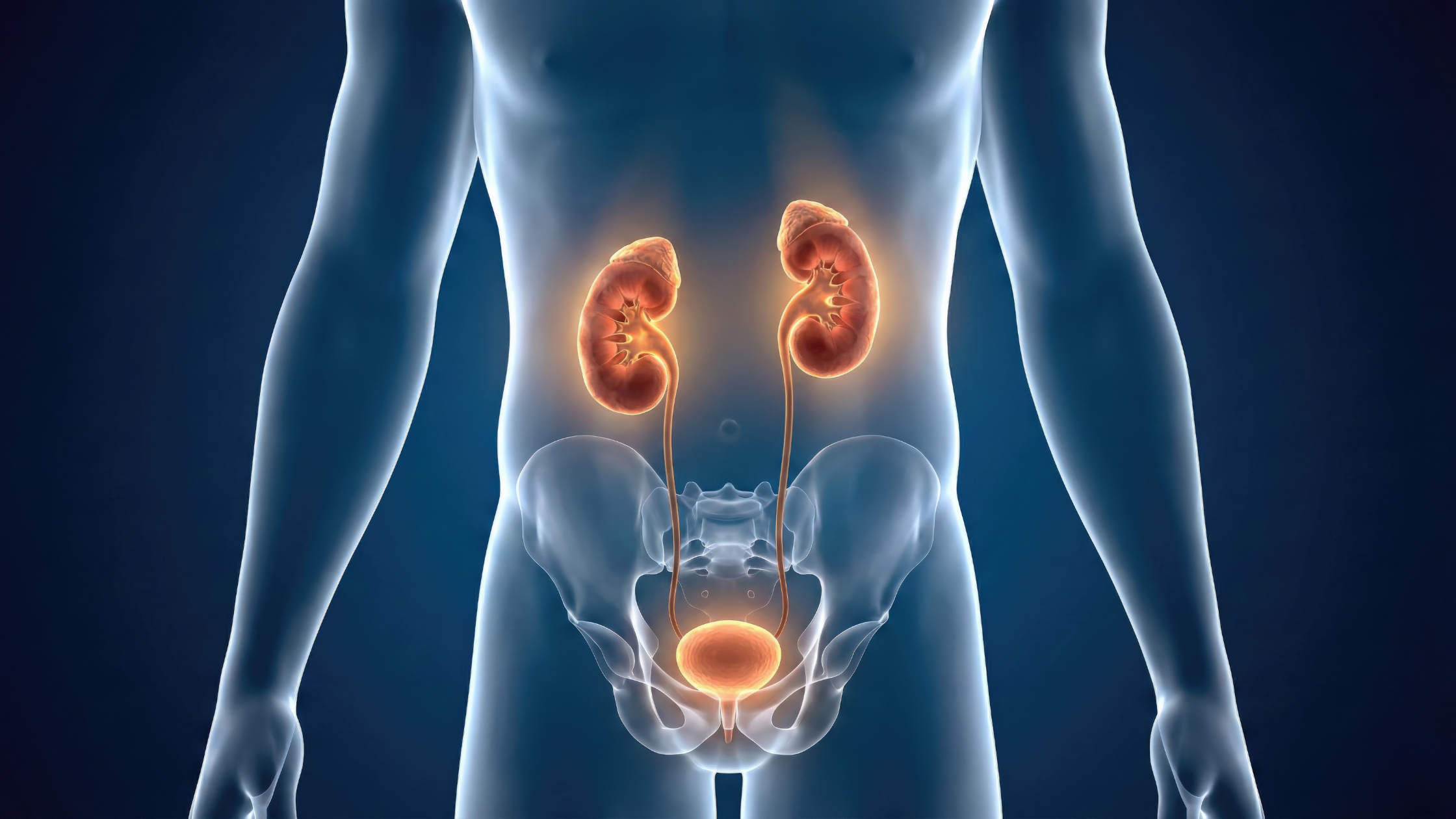
The urinary system includes the kidneys, bladder, ureters, and urethra. These organs work together to carry urine out of the body.
The bladder itself is a muscular organ about the size of a grapefruit when full. It relies heavily on coordination between:
The detrusor muscle (bladder muscle)
The urethral sphincter
The pelvic floor muscles
The nervous system
Nerves and muscles, including the sphincter muscles, coordinate through nerve signals to control bladder function. Proper communication between these components is essential for normal urination, and disruptions can lead to urinary issues.
A bladder diary and pad test are useful tools for tracking symptoms and diagnosing urinary issues.
When this system falls out of sync, symptoms begin.
Types of Urinary Incontinence (And Why It Matters)
Not all bladder leaks are the same. Bladder control problems and bladder control issues can affect anyone, but they are more common in certain groups and at certain times in life, such as during pregnancy, after childbirth, menopause, or with prostate problems in men. Understanding the type helps determine the correct treatment.
1. Stress Incontinence
Leakage triggered by coughing, laughing, jumping, or lifting. Common in postpartum women and athletes.
Cause: Stress incontinence occurs when weakened pelvic floor muscles, often due to childbirth or aging, make it hard for the bladder to hold urine. The primary symptom is leaking urine before you can make it to the bathroom or during activities like sneezing, coughing, laughing, or exercising.
2. Urge Incontinence
Sudden, overwhelming need to urinate, often described as a strong urge or intense urge, followed by leakage. This is characteristic of urge incontinence, where the sudden, intense urge to urinate is difficult to control and may result in involuntary urine leakage.
Often linked to overactive bladder (OAB).
Cause: Involuntary bladder contractions.
Dietary bladder irritants can also increase urinary frequency and urgency.
3. Overflow Incontinence
Dribbling caused by incomplete bladder emptying.
Cause: Obstruction (e.g., enlarged prostate) or nerve dysfunction. Overflow incontinence can be associated with urinary retention, which is the inability to completely empty the bladder. Urinary retention is commonly caused by physical blockages or nerve damage.
4. Functional Incontinence
Physical or mobility barriers prevent timely bathroom access.
Why Are Urinary Issues Happening at 21–48 Years Old?
Many younger adults are surprised when bladder symptoms appear. Common triggers include:
Drinking caffeine or alcohol late in the day
High fluid intake before bed
Stress or anxiety
Certain medications
Underlying health issues can also contribute to urinary symptoms. A sudden increase in urination that can’t be explained, especially at night, may indicate a bladder problem or diabetes.
For Women
Pregnancy and childbirth
Hormonal shifts
High-impact exercise
Chronic constipation
Pelvic floor exercises during and after pregnancy can help prevent urinary incontinence by strengthening the pelvic muscles.
For Men
Prostate inflammation
Prostate inflammation, or prostatitis, can lead to urinary issues such as pain, urgency, and frequent urination. Benign prostatic hyperplasia (BPH) is another common, non-cancerous enlargement of the prostate gland that can cause urinary difficulties, such as trouble starting urination or incomplete bladder emptying, especially as men age.
Chronic straining
Post-surgical changes
Pelvic floor tension
For Both
Stress and anxiety
Caffeine overload
Sedentary lifestyle
Heavy lifting without core coordination. Certain physical activities, such as high-impact exercise, can also trigger stress incontinence by increasing pressure on the bladder.
Research published in the Journal of Women’s Health Physical Therapy shows pelvic floor muscle training improves stress incontinence symptoms by up to 70% in appropriately selected patients.
How Pelvic Floor Physical Therapy Helps Urinary Incontinence
Pelvic floor therapy is often the most underutilized yet highly effective treatment for urinary dysfunction.
As a Doctor of Physical Therapy specializing in pelvic health, I assess:
Muscle strength
Coordination
Endurance
Relaxation ability
Breathing mechanics
Core and hip function
Bladder muscles and the coordination of nerves and muscles that control bladder function
Keeping a bladder diary is also recommended to track urination patterns, symptoms, and progress, which can help identify urinary issues and guide treatment.
A pad test may also be used during assessment to objectively measure urine leakage, involving a specially treated pad that changes color upon urine leakage.
A 2018 systematic review published in Cochrane Database of Systematic Reviews found pelvic floor muscle training significantly improves or cures stress urinary incontinence compared to no treatment.
Why This Matters
Many people try random Kegels they found online. But doing them incorrectly—or when muscles are actually tight—can worsen symptoms.
Professional guidance ensures:
Correct diagnosis
Proper muscle activation
Customized progression
If you’re in New York City, you can schedule an evaluation at Pelvis NYC for personalized care from pelvic health specialists.
Bladder Training: How to Retrain Urgency
If you feel like you’re constantly running to the bathroom, bladder training can help.
Step-by-Step Approach
Track urination patterns for 3 days.
Set scheduled voiding intervals.
Gradually increase time between bathroom trips.
Use urge-suppression breathing techniques.
Many patients improve urgency within 4–6 weeks.
Hydration & Diet: What Actually Helps?
Drinking habits, such as alcohol and caffeine intake, can significantly affect bladder health. Consuming alcohol and caffeine can cause the body to produce more urine, which may irritate the bladder and increase urination frequency. Hydration is important for bladder health—too little fluid can irritate the bladder, while too much can increase frequency. Dietary adjustments for managing urinary issues include limiting bladder irritants like caffeine, alcohol, and spicy foods. Cutting down on alcohol and caffeine can help manage urinary health.
Bladder irritants are often overlooked contributors.
Reduce or Eliminate:
Caffeine
Alcohol
Artificial sweeteners
Carbonated drinks
Highly acidic foods
Improve With:
6–8 glasses of water spaced evenly
Increased fiber (25–30g daily)
Anti-inflammatory foods
Constipation increases pelvic floor pressure and can worsen incontinence.
Exhale during lifting to reduce pressure on the pelvic floor.
3. Strengthen Your Hips and Core
Pelvic stability improves bladder control.
4. Manage Stress
Chronic tension affects pelvic floor relaxation.
Medical Treatment Options (When Needed)
If conservative therapy isn’t enough:
Anticholinergic medications
Beta-3 agonists
Neuromodulation therapy
Botox injections
Surgery: Surgical treatment for stress incontinence may involve a sling procedure to reduce pressure on the bladder.
Physical therapy is often recommended before surgical intervention.
Real Case Example
A 34-year-old fitness instructor came to our clinic with stress incontinence during jump training. She assumed it was “normal after childbirth.”
After 8 sessions of pelvic floor therapy focused on coordination (not just strength), she returned to full workouts without leakage.
Bladder dysfunction is common—but not normal.
Frequently Asked Questions (FAQ)
What is the fastest way to stop urinary leakage?
The fastest improvement typically comes from guided pelvic floor physical therapy combined with bladder habit changes.
Can urinary incontinence go away on its own?
Mild cases sometimes improve, but most benefit from structured treatment.
How long does pelvic floor therapy take?
Most patients notice improvement within 4–8 weeks.
Are Kegels enough to fix bladder leaks?
Not always. Incorrect technique or underlying tension can worsen symptoms.
When should I see a specialist?
If symptoms last more than 2–4 weeks, interfere with exercise, sleep, or daily life, seek evaluation.
Take Control of Your Bladder Health
Urinary issues can feel isolating—but they are highly treatable. Whether you’re dealing with leaks during workouts, postpartum changes, or sudden urgency at work, help is available.
At Pelvis NYC, we specialize in evidence-based pelvic floor physical therapy for men and women.
Urinary incontinence is the involuntary leakage of urine caused by changes in bladder control, pelvic floor muscle function, or nervous system signaling. It is more common in women than in men, particularly due to reproductive health events such as pregnancy, childbirth, and menopause. While it is common, it is not a normal part of aging—and most cases are highly treatable with the right care.
Despite affecting more than 25 million adults in the United States, more than 4 in 10 women aged 65 and older experience urinary incontinence. The risk increases with age, especially after 50. Urinary incontinence affects twice as many women as men, often due to reproductive health events unique to women. Chronic urinary incontinence is a persistent form of the disorder. Although it can occur at any age, it is more common in women over 50. Many people delay treatment due to embarrassment or the belief that nothing will help.
Introduction to Urinary Incontience
Urinary incontinence, or loss of bladder control, is a widespread condition that affects people of all ages and backgrounds. It occurs when the bladder muscles and pelvic floor muscles are unable to work together effectively, leading to involuntary urine leakage.
There are several types of urinary incontinence, each with distinct causes and symptoms, including stress incontinence, urge incontinence (overactive bladder), mixed incontinence, and overflow incontinence. While it can be distressing, understanding the underlying issues—such as weak pelvic floor muscles or changes in bladder control—can help guide effective treatment.
This article explores the different types of urinary incontinence, what causes them, how they are diagnosed, and the most effective ways to manage and improve bladder control.
How Urinary Incontinence Affects Daily Life
Urinary incontinence impacts far more than bladder function. The primary symptom is urine leakage before reaching the bathroom or during activities such as sneezing, coughing, laughing, or exercising.
Many people experience changes in:
Exercise and physical activity
Sleep quality
Work and social confidence
Sexual health and intimacy
Even mild leakage can create ongoing stress, which may further worsen bladder symptoms through increased pelvic floor muscle tension.
Functional incontinence can occur when physical limitations or disabilities prevent timely access to a restroom, leading to urine leakage.
Common Symptoms of Urinary Incontinence
Symptoms vary depending on the underlying cause and may include:
Urine leakage with movement, coughing, or exercise
Sudden urinary urgency followed by leakage
Frequent urination or nighttime urination
Difficulty holding urine
Dribbling or incomplete bladder emptying
Keeping a bladder diary may help identify patterns in urination and can be used as part of bladder training to improve bladder control. Identifying symptom patterns helps guide effective treatment.
Types of Urinary Incontinence
Urinary incontinence is not a single condition. There are four main types: stress, urge, functional, and overflow incontinence. The two most common types affecting women are stress incontinence and urge incontinence, also known as overactive bladder.
Understanding the type is essential for choosing the right treatment approach. Many women experience a combination of stress and urge incontinence, referred to as mixed incontinence.
Stress Incontinence
Leakage occurs when pressure is placed on the bladder, such as during coughing, sneezing, or exercise.
Urge Incontinence (Overactive Bladder)
Urge incontinence is characterized by urinary urgency—a sudden, intense need to urinate—followed by involuntary leakage. This condition is often linked to bladder or pelvic floor muscle overactivity. Anticholinergic medications are commonly prescribed to treat overactive bladder and urge incontinence.
Mixed Urinary Incontinence
Many women experience both stress and urge symptoms, a condition known as mixed urinary incontinence. Treatment must address both muscle coordination and bladder signaling.
Overflow Urinary Incontinence
Leakage caused by incomplete bladder emptying is often related to pelvic floor tension, nerve issues, or prostate problems.
Causes and Risk Factors
Urinary incontinence can develop for many reasons, often involving a combination of physical, medical, and lifestyle factors. Weakness or dysfunction of the pelvic floor muscles is a leading cause, especially after pregnancy, vaginal birth, or pelvic surgery. Hormonal changes during menopause can also weaken the support structures of the urinary tract.
Certain medical conditions—such as benign prostatic hyperplasia (enlarged prostate), multiple sclerosis, diabetes, and chronic urinary retention—can disrupt nerve signaling between the bladder and brain. Prostate surgery in men and pelvic organ prolapse in women are additional risk factors.
Other contributors include chronic constipation, obesity, frequent heavy lifting, and persistent coughing, all of which place extra pressure on the bladder and pelvic organs. While aging is associated with changes in bladder muscle function and elasticity, urinary incontinence is not inevitable.
Lifestyle habits, including high intake of bladder irritants such as caffeine and alcohol, can worsen symptoms. A family history of urinary incontinence or connective tissue disorders may also increase susceptibility. Understanding these risk factors is essential for creating a personalized treatment plan.
Pelvic Floor
The pelvic floor is a group of muscles that support the bladder, bowel, and reproductive organs.
Pelvic floor muscles may be weakened by pregnancy, childbirth, aging, hormonal changes during menopause, and certain neurological conditions. These muscles play a critical role in maintaining bladder control. Pelvic floor muscle training—such as Kegel exercises—is important for preventing urinary incontinence and supporting pelvic organ health.
Healthy pelvic floor muscles must:
Contract when needed
Relax fully
Coordinate with breathing and movement
When this balance is disrupted, bladder control suffers.
Female Urinary System
The female urinary system is especially vulnerable due to:
Pregnancy-related muscle strain
Hormonal changes during menopause
Changes in pelvic organ support
Pregnancy increases pressure on the bladder and pelvic floor muscles, while childbirth—particularly vaginal delivery—can weaken muscles and damage nerves that control bladder function. Hormonal shifts during menopause can weaken the urethra and bladder neck, increasing the risk of urinary incontinence.
Although these factors raise risk, targeted therapy can restore function.
Treatment Options That Actually Work
Urinary incontinence is a common condition that can significantly impact quality of life, but it is highly treatable. Treatment options depend on the type and severity of symptoms and may include behavioral therapies, medications, nerve stimulation, and surgery.
Pelvic Floor Exercises
Pelvic floor exercises are a cornerstone of treatment—but only when performed correctly.
A pelvic floor therapist can help:
Determine whether muscles are weak or overactive
Teach proper muscle coordination
Prevent worsening symptoms
Generic exercises without professional assessment often fail.
Kegel Exercises
Kegel exercises can strengthen pelvic floor muscles, but they are not appropriate for everyone. If the muscles are already tight or overactive, Kegels may worsen urgency and leakage. Professional guidance ensures the correct approach.
Reducing bladder irritants such as caffeine and alcohol
Practicing proper breathing and posture
Prevention focuses on function—not just strength.
Advanced Therapies for Persistent Symptoms
When conservative treatments are not effective, advanced options may be considered. Surgical treatments include sling procedures, bladder suspension, and artificial urinary sphincters. The artificial urinary sphincter is primarily used for men with severe urinary incontinence.
Another minimally invasive option is urethral bulking agents, which are injected around the urethra to improve closure and prevent leakage. These therapies are typically reserved for persistent cases.
Nerve Stimulation
Nerve stimulation therapies help regulate bladder signaling and reduce urinary urgency. They are especially helpful for overactive bladder and mixed incontinence.
Percutaneous Tibial Nerve Stimulation (PTNS)
PTNS is a minimally invasive therapy that:
Modulates bladder nerve pathways
Reduces urgency and frequency
Improves bladder control
It is supported by clinical research and is often combined with pelvic floor therapy.
Why Pelvic Floor Physical Therapy Is First-Line Care
What causes urinary incontience? Urinary incontinence can result from pelvic floor dysfunction, bladder issues, nerve signaling problems, hormonal changes, or prostate conditions. The urethral sphincter plays a critical role in maintaining continence by keeping the urethra closed during increases in abdominal pressure.
Is urinary incontinence normal with age? It is common, but not normal or inevitable. Treatment is often highly effective.
Do Kegels help urinary incontinence? Sometimes. If pelvic floor muscles are tight, relaxation may be needed before strengthening.
Can pelvic floor physical therapy cure incontinence? Many people experience significant improvement or complete resolution with proper therapy.
When should I seek help? If symptoms affect daily life, sleep, or confidence, seek care early.
How is urinary incontience diagnosed? Diagnosis involves a thorough medical history, physical examination, and tests such as urinalysis and bladder diaries.
Where can I find reliable patient resources? The American Urological Association and the National Association for Continence provide trustworthy patient resources.
Are digestive and kidney diseases related to urinary incontinence? Yes. Digestive and kidney diseases can be associated with urinary incontinence. Organizations such as the National Institute of Diabetes and Digestive and Kidney Diseases focus on these conditions and their management.
Conclusion
Urinary incontinence is a common and treatable condition that can significantly affect daily life, but it does not need to be endured in silence. With accurate diagnosis and a personalized treatment plan—including pelvic floor therapy, lifestyle modifications, and advanced therapies—most people can regain bladder control and reduce or eliminate leakage.
Early intervention is key. If you or a loved one is experiencing symptoms, effective solutions are available to help treat urinary incontinence and restore confidence.