Tight Pelvic Floor: Symptoms, Causes, and Evidence-Based Relief Strategies

What Is a Tight Pelvic Floor?

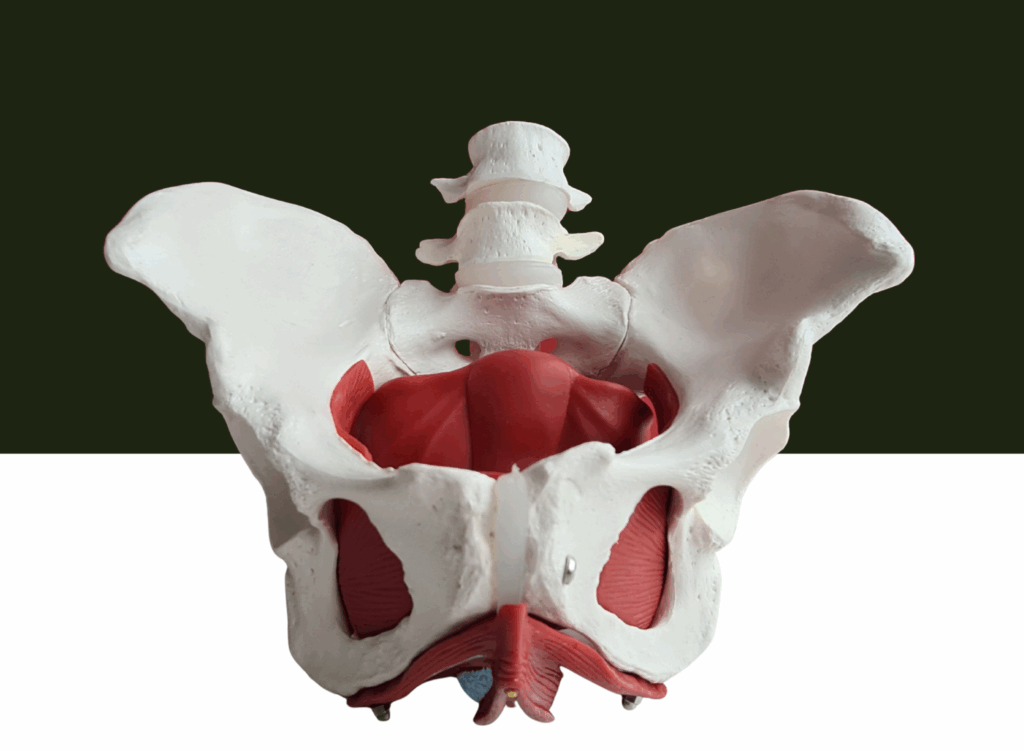
A tight pelvic floor happens when the pelvic floor muscles are overactive, shortened, or unable to relax fully. The pelvic floor is a group of muscles located in the pelvic region, supporting pelvic organs such as the bladder and rectum. Instead of supporting healthy bladder, bowel, and sexual function, these muscles stay “switched on,” leading to pain, tension, and dysfunction throughout the pelvis and core.

These muscles are also essential for bowel control, as well as bladder and sexual function. This condition is common—but frequently misunderstood. Many people are told to “do Kegels” when they actually need the opposite: relaxation, coordination, and targeted pelvic floor physical therapy.

Causes of Tight Pelvic Floor

Tight pelvic floor muscles can develop due to a mix of physical, behavioral, and emotional factors. Common causes include:

  • Chronic stress: Ongoing stress keeps the pelvic floor, lower back, and inner thigh muscles tense, leading to persistent tightness and pelvic pain.
  • Poor posture & weak core/thigh muscles: Surrounding muscles may not function properly, causing the pelvic floor to overcompensate and become tight.
  • Habitual holding: Regularly holding in urine or bowel movements strains the pelvic floor and makes it harder to relax.
  • Overactive pelvic floor (hypertonicity): Muscles that cannot contract and relax properly can cause spasms and increased tension.
  • Weak pelvic floor muscles: Weakness can paradoxically cause tightness as the body keeps muscles engaged for support.
  • Underlying health conditions: Pelvic organ prolapse, urinary incontinence, sexual dysfunction, and chronic pain disorders can all contribute to tight pelvic floor muscles.

Ways to address tight pelvic floor muscles:

  • Diaphragmatic breathing & relaxation techniques to release tension
  • Pelvic floor physical therapy: Manual therapy, stretching, and muscle retraining
  • Strengthening core and thigh muscles while learning to properly contract and relax the pelvic floor

âś… Tip: Identifying the root cause and working with a pelvic floor physical therapist can reduce symptoms like pelvic pain, urinary issues, and erectile dysfunction.

Tight Pelvic Floor

A tight pelvic floor is not about weakness—it’s about too much muscle activity at the wrong time. The pelvic floor should contract and relax dynamically. When it cannot let go, symptoms develop. Other symptoms of a tight pelvic floor include chronic pelvic pain, painful sex, urinary urgency, constipation, and lower back pain.

According to research published in The Journal of Women’s Health Physical Therapy, overactive pelvic floor dysfunction is present in a significant percentage of patients with chronic pelvic pain, urinary urgency, and sexual pain disorders.

This issue affects all genders and ages, including athletes, postpartum individuals, desk workers, and people under chronic stress.

Pelvic Floor Muscles

The pelvic floor muscles form a sling at the base of the pelvis. The pelvic floor is made up of several pelvic muscles, including the perineal muscles, which stretch from the pubic bone at the front to the sitting bones and tailbone at the back. They support:

  • The bladder and urethra
  • The rectum and anal sphincter
  • Sexual organs
  • Core stability and posture

Healthy pelvic floor muscles can contract, relax, and lengthen. Pelvic floor muscles work in coordination with the diaphragm and core muscles to support pelvic organs and maintain pelvic health. Problems arise when they lose this flexibility.

When these muscles stay tight:

  • Blood flow decreases
  • Nerves become irritated
  • Coordination with breathing and the core is disrupted

Pelvic Floor Physical Therapy

Pelvic floor physical therapy is the gold-standard treatment for tight pelvic floor dysfunction. Unlike general physical therapy, it focuses on the neuromuscular system of the pelvis.

A pelvic floor physical therapist may use:

  • Internal and external myofascial release
  • Breathing retraining
  • Postural correction
  • Nervous system down-regulation
  • Movement re-education

At Pelvis NYC, treatment plans are individualized and trauma-informed, focusing on restoring function—not just reducing symptoms.


Tight Pelvic

The term tight pelvic is often used by patients to describe a cluster of symptoms rather than a single diagnosis. Some may also refer to this as a tense pelvic floor, which can result from stress, muscle imbalances, or chronic tension.

Common complaints include:

  • Difficulty starting or fully emptying urine
  • Pain with sitting or exercise
  • Hip, low back, or tailbone pain
  • Pain during or after sex
  • Additional symptoms of a tense pelvic floor may include pelvic pain, lower back pain, hip pain, pain with urination, and difficulty starting a bowel movement.

Importantly, imaging tests often appear “normal,” which can delay proper diagnosis.

Erectile Dysfunction ED

A lesser-known contributor to erectile dysfunction (ED) is pelvic floor muscle tension.

In men, an overactive pelvic floor can:

  • Restrict blood flow to the penis
  • Compress nerves involved in arousal
  • Interfere with ejaculation

Painful ejaculation is the most common sexual problem for men with a tight pelvic floor, occurring in an estimated 39-58% of men with chronic prostatitis/chronic pelvic pain syndrome (CP/CPPS).

Kegel exercises are often recommended to strengthen pelvic floor muscles and improve sexual health, but should be used with caution in cases of muscle tension.

Studies in The British Journal of Urology International show that targeted pelvic floor physical therapy can significantly improve erectile function—especially when ED is not primarily vascular.

Pelvic Pain

Pelvic pain related to a tight pelvic floor can be sharp, aching, burning, or pressure-like. It may be constant or activity-dependent.

Common diagnoses linked to pelvic floor tension include:

Pain is not “all in your head.” Muscle tension and nervous system sensitization are real, measurable contributors.


Tight Pelvic Floor Muscles

Tight pelvic floor muscles often coexist with:

  • Jaw clenching
  • Shoulder tension
  • Shallow chest breathing

This pattern reflects a global stress response. Tense muscles throughout the body, including the pelvic floor, are often linked to chronic stress and anxiety, which can contribute to hypertonic pelvic floor muscles. The body learns to brace instead of release.

Key insight:

Tight muscles are often overworked, not strong.

Strengthening without relaxation can worsen symptoms.

Overactive Pelvic Floor Muscles

Overactive pelvic floor muscles fire when they shouldn’t—during urination, bowel movements, or penetration.

Symptoms may include:

  • Urinary urgency or frequency
  • Constipation or incomplete bowel movements
  • Bowel dysfunction, which may lead to chronic constipation and straining during bowel movements due to pelvic floor tension
  • Pain with tampons or exams
  • Pain after ejaculation

Clinical guidelines from the American Physical Therapy Association (APTA) recommend down-training and coordination before strengthening.


Overactive Pelvic Floor

An overactive pelvic floor is often driven by:

  • Chronic stress or anxiety
  • Past pelvic trauma or surgery
  • High-impact sports
  • Postural habits (constant core bracing)

This is why a whole-body approach matters. Treating only the pelvis ignores the root cause.


Pelvic Floor Problems

Pelvic floor problems exist on a spectrum. Tightness is one end; weakness is another. Many people fluctuate between both.

Misdiagnosis is common. For example:

  • Someone with urgency may be told they have a “weak bladder”
  • Someone with pain may be told tests are normal

A comprehensive pelvic floor exam changes everything.


Male Pelvic Floor

The male pelvic floor plays a crucial role in:

  • Urinary control
  • Sexual performance
  • Core strength

Pelvic floor muscles play a crucial role in sexual health. Sexual dysfunction in females can manifest as pain during intercourse, while in males it may lead to erectile dysfunction or pain during ejaculation.

Men are less likely to be referred to pelvic floor therapy, despite strong evidence supporting its effectiveness for pelvic pain and ED.

At Pelvis NYC, male pelvic health is treated with the same depth and expertise as female care.

Pelvic Floor Muscle Function

Optimal pelvic floor muscle function includes:

  1. Full relaxation
  2. Timely contraction
  3. Endurance when needed

Muscle relaxation is essential for pelvic floor health, as it allows the muscles to release tension and function optimally. Diaphragmatic breathing can help lengthen pelvic floor muscles so they remain strong and flexible.

When relaxation is missing, function suffers—even if strength is present.

This is why “just doing Kegels” is not a universal solution.


Muscle Tension

Chronic muscle tension, especially from tense pelvic floor muscles, alters pain perception. Tight muscles send constant signals to the nervous system, reinforcing pain loops. Chronic pain from an overactive pelvic floor can have a devastating impact on an individual’s psychological wellbeing.

Pelvic floor physical therapy works by:

  • Reducing muscle tone
  • Improving tissue mobility
  • Calming the nervous system

Over time, pain thresholds normalize.

Stretching Exercises

Targeted stretching exercises can support recovery—but only when prescribed correctly. Pelvic floor stretches and pelvic floor exercises, when performed correctly, can help relax and lengthen the muscles. Stretching exercises such as Happy Baby Pose and Child’s Pose are effective ways to relax pelvic floor muscles. Gentle movement and regular stretching can help relax tense pelvic floor muscles and ease discomfort. Relaxation exercises and relaxation techniques, such as deep belly breathing, yoga stretches like Child’s Pose, and mindfulness practices, are also helpful for managing a tight pelvic floor.

Helpful approaches often include:

  • Diaphragmatic breathing
  • Hip and pelvic mobility work
  • Gentle lengthening, not forcing

Generic stretching routines from social media may aggravate symptoms if timing and technique are wrong.

When to Seek Help

You should consult a pelvic floor specialist if you experience:

  • Persistent pelvic pain
  • Urinary or bowel dysfunction without clear cause
  • Sexual pain or dysfunction
  • Symptoms that worsen with stress

For the best pelvic floor care, consider consulting a pelvic floor physical therapist. They can evaluate your symptoms and determine the right exercise therapy plan tailored to your needs.

Early intervention leads to faster recovery.

Why Choose Pelvis NYC?

Pelvis NYC specializes exclusively in pelvic floor physical therapy. Their clinicians have advanced training in complex pelvic pain, overactive pelvic floor disorders, and sexual health conditions.

Patients benefit from:

  • One-on-one expert care
  • Evidence-based techniques
  • A supportive, judgment-free environment

👉 Book a consultation with Pelvis NYC to address tight pelvic floor symptoms at the source—not just manage them.


Frequently Asked Questions (FAQ)

What causes a tight pelvic floor?
Stress, trauma, posture, high-impact exercise, surgery, and chronic pain conditions are common contributors.

Can a tight pelvic floor go away on its own?
Mild cases may improve, but persistent symptoms usually require pelvic floor physical therapy.

Are Kegels bad for a tight pelvic floor?
Often yes. Strengthening without relaxation can worsen overactivity.

How long does pelvic floor physical therapy take?
Many patients notice improvement within 6–8 sessions, though complex cases may take longer.

Does a tight pelvic floor affect men and women differently?
Symptoms differ, but the underlying muscle dysfunction is similar.

Is Hard Flaccid Permanent? What Recovery Really Looks Like

Is Hard Flaccid Permanent?

Hard flaccid is not considered permanent in most cases. While symptoms can persist for months or even years, clinical experience and emerging research show that many individuals improve—or fully recover—once the underlying pelvic floor and nervous system dysfunction is properly treated.

Proper diagnosis and clinical diagnosis are crucial for effective management of Hard Flaccid Syndrome (HFS). Diagnosis typically involves a review of medical history and physical examination to rule out other conditions, as there are no definitive laboratory or imaging tests for HFS. It is essential to note that HFS is not currently recognized as a formal medical diagnosis, but it is often associated with chronic pelvic floor muscle tension and nerve irritation.

Recovery depends less on time and more on accurate diagnosis, pelvic floor–focused care, and nervous system regulation.

Hard Flaccid Syndrome

Hard flaccid syndrome (HFS) is a functional pelvic health condition in which the penis feels semi-rigid or tense while flaccid, often accompanied by pain, numbness, erectile difficulty, or pelvic discomfort.

HFS primarily affects men in their 20s and 30s.

Although HFS is not yet formally classified in major diagnostic manuals, it is increasingly recognized by:

The proposed mechanism for HFS involves pathological activation of the pudendal-hypogastric reflex, leading to excessive sympathetic activity. This dysregulation can result in persistent muscle contraction and disruption of normal pelvic and erectile function.

Importantly, hard flaccid is not a structural penile disorder. It is best understood as a neuromuscular and pelvic floor regulation issue, which is why it is often reversible.


Hard Flaccid Syndrome Symptoms

Common symptoms include:

  • Semi-rigid or “hard” flaccid state
  • Constant rigidity
  • Decreased penile sensation or numbness
  • Numbness
  • Hollow feeling in the penis
  • Penile, perineal, or pelvic pain
  • Painful ejaculation
  • Weaker erections or difficulty maintaining erections
  • Cold, tight, or disconnected feeling
  • Urinary symptoms such as painful urination and decreased force of the urine stream
  • Heightened anxiety around sexual performance

Symptoms can fluctuate based on posture, physical activity, arousal, and stress levels.

Many patients notice symptom onset after:

  • Chronic stress or anxiety
  • Prolonged sitting
  • Heavy lifting or intense exercise
  • Sexual overuse or edging
  • Pelvic trauma or strain

These triggers support the idea that hard flaccid is functional rather than permanent damage.

Many men self-diagnose hard flaccid syndrome by reading online forums, as it is not widely recognized by healthcare professionals.

Is hard flaccid permanent? The connection to the Pelvic Floor

The pelvic floor plays a critical role in sexual function, blood flow, and nerve signaling. It also supports pelvic organs such as the bladder, urethra, intestines, and rectum.

When pelvic floor muscles, or pelvic muscles, remain chronically tight or guarded, muscular tension becomes a key factor in pelvic floor dysfunction and hard flaccid. This can:

  • Compress nerves supplying the penis
  • Restrict normal blood flow
  • Interfere with relaxation needed for erections

This sustained tension is one of the most consistent findings in people with hard flaccid.

Pelvic Floor Dysfunction

Most cases of hard flaccid involve pelvic floor dysfunction, particularly a hypertonic (overactive) pattern. Pelvic floor muscle dysfunction often contributes to symptoms like pelvic tension, pain, and erectile issues, and physical therapy targeting these muscles is a key component of effective treatment.

This can result in:

  • Poor coordination between contraction and relaxation
  • Increased pressure on pelvic nerves
  • Altered sensory feedback
  • Muscle spasm and pelvic floor muscle dysfunction, which are key contributors to hard flaccid symptoms

Because of this, strengthening exercises like Kegels often worsen symptoms, while relaxation-based and coordination-focused therapy tends to help.

At-home pelvic floor exercises are often recommended to complement in-clinic treatments for Hard Flaccid Syndrome.

Erectile Dysfunction

Hard flaccid is often associated with erectile dysfunction, but the mechanism differs from classic ED. Unlike a fully erect penis, the hard flaccid state is characterized by a semi-rigid or firm penis when flaccid, which is distinct from the rigidity seen during a normal erection.

In hard flaccid:

  • Blood vessels are usually intact
  • Hormone levels are often normal
  • The problem lies in muscle tone and nerve signaling

Normal erections require healthy blood flow and proper nerve function. The presence or absence of morning erections can be an important symptom or diagnostic indicator, often associated with overall erectile health and hormonal balance.

This is why medications alone frequently fail to resolve symptoms.

Erectile Function

Healthy erectile function requires:

  • Adequate blood flow
  • Clear nerve signaling
  • Pelvic floor muscles that can relax fully

Healthy sexual arousal depends on the proper function of erectile tissue and the relaxation of smooth muscle within the penis.

When the pelvic floor is stuck in a protective, contracted state, erections may feel weaker or inconsistent—even when physical structures are healthy. Pathological smooth muscle contraction of erectile tissue, often triggered by excessive sympathetic activity, can also contribute to hard flaccid symptoms and disrupt normal sexual arousal.

Restoring erectile function requires retraining, not forcing performance.

Chronic Pelvic Pain

Hard flaccid often overlaps with chronic pelvic pain conditions in men, including:

  • Chronic prostatitis / CPPS
  • Pelvic myalgia
  • Pudendal nerve irritation

Chronic pain is a key component of Hard Flaccid Syndrome (HFS) symptoms, contributing significantly to the physical discomfort and sensory changes experienced by those affected.

Studies published in The Journal of Urology show that men with chronic pelvic pain frequently improve with pelvic floor physical therapy focused on muscle relaxation and neuromuscular re-education, reinforcing that these conditions are treatable.

Pathological Activation

A key concept in hard flaccid recovery is pathological activation of the nervous system.

This refers to:

  • Ongoing fight-or-flight signaling
  • Persistent pelvic muscle guarding
  • Heightened pain sensitivity

The sympathetic nervous system and increased sympathetic tone play a key role in perpetuating symptoms of hard flaccid. Excessive sympathetic activity—often resulting from stress, injury, or nerve dysfunction—can lead to persistent muscle contraction and ongoing symptoms.

The nervous system can learn this pattern—but with proper intervention, it can also unlearn it.


Diagnosing Hard Flaccid Syndrome

There is no single test for hard flaccid.

Diagnosis typically involves:

  • Detailed symptom history
  • Physical examination, including palpation for penile hardness, tenderness, and assessment of muscle tone
  • Identification of risk factors that may contribute to the condition
  • Pelvic floor muscle assessment
  • Ruling out vascular or structural disease

A clinician trained in male pelvic health can identify:

  • Excessive pelvic muscle tone
  • Trigger points
  • Breathing and postural contributors
  • Movement patterns that perpetuate symptoms

Proper diagnosis of hard flaccid syndrome is primarily clinical, based on patient history and symptoms, as there is no definitive laboratory test. Identifying risk factors and conducting a thorough physical examination are essential steps to ensure accurate assessment and effective management. Correct diagnosis is one of the strongest predictors of recovery.

Pain Management

Effective pain management focuses on treating the source, not masking symptoms. Hard flaccid syndrome treatment is a multidisciplinary process that addresses physical, neurological, and psychological factors.

Treatment options for Hard Flaccid Syndrome may include pelvic floor physical therapy, medications for pain management, psychological support, and shockwave therapy. Pelvic floor physical therapy can help reduce symptoms by addressing muscle tension and improving blood flow. Stress reduction techniques and counseling or psychological treatment are also recommended as part of the treatment plan. A biopsychosocial management strategy and a multidisciplinary approach involving urologists, physiotherapists, and mental health professionals is often necessary for effective management.

Evidence-based strategies include:

  • Pelvic floor manual therapy
  • Breathing retraining
  • Nervous system down-regulation
  • Activity modification

Pain reduction often occurs gradually as muscle tone and nervous system balance normalize.

Hard Flaccid

So, is hard flaccid permanent?

For the majority of patients, no.

Clinical outcomes consistently show:

  • Reduced pain
  • Improved erectile quality
  • Normalization of flaccid state
  • Improved confidence and quality of life

Delays in recovery usually stem from:

  • Misdiagnosis
  • Over-strengthening the pelvic floor
  • Ignoring nervous system involvement

Hard Flaccid Cured: What Recovery Really Means

Many patients describe their condition as “cured” once:

  • The penis returns to a normal flaccid state
  • Erections feel reliable and natural
  • Pain and tension resolve

Others experience occasional mild symptoms during stress—but know how to manage them effectively.


Lifestyle Modifications for Hard Flaccid Recovery

Lifestyle modifications play a crucial role in supporting recovery from hard flaccid syndrome (HFS) and managing symptoms such as erectile dysfunction, penile pain, and chronic pelvic pain syndrome. By making targeted changes to daily habits, individuals can help reduce muscle tension, improve blood flow, and ease the discomfort associated with hard flaccid.

Key lifestyle strategies include:

  • Stress Reduction: Chronic stress is a major contributor to muscle tension and pelvic pain. Incorporating relaxation techniques—such as deep breathing exercises, meditation, or gentle yoga—can help calm the nervous system and reduce the risk of symptom flare-ups.
  • Physical Activity: Engaging in regular, moderate exercise supports healthy blood flow and overall pelvic health. Activities like walking, swimming, or cycling (with proper seat adjustments) can be beneficial, while avoiding exercises that strain the pelvic floor or involve heavy lifting.
  • Posture Awareness: Prolonged sitting and poor posture can increase pressure on the pelvic floor muscles, worsening hard flaccid symptoms. Taking frequent breaks, using ergonomic seating, and practicing good posture can help relieve pelvic tension.
  • Healthy Sexual Habits: Avoiding aggressive or prolonged masturbation and allowing adequate recovery time between sexual activities can prevent further irritation of the pelvic floor and penile tissues.
  • Hydration and Diet: Staying well-hydrated and maintaining a balanced diet can support tissue health and reduce inflammation, which may help with chronic pelvic pain and erectile function.
  • Sleep Hygiene: Prioritizing restful sleep allows the body to recover and helps regulate the nervous system, which is essential for managing hard flaccid syndrome symptoms.

By integrating these lifestyle modifications, individuals with hard flaccid can take an active role in their recovery. These changes not only help manage current symptoms like penile pain and erectile dysfunction but also support long-term pelvic health and overall well-being. For best results, lifestyle adjustments should be combined with professional guidance from a pelvic floor specialist.

Getting Specialized Help at Pelvis NYC

If you’re struggling with hard flaccid and wondering whether it’s permanent, working with a pelvic floor specialist matters.

At Pelvis NYC, treatment is led by Dr. Adam Gvili, a pelvic floor physical therapist specializing in male pelvic pain and sexual dysfunction. Care focuses on:

  • Identifying pelvic floor dysfunction
  • Reducing muscle guarding
  • Regulating the nervous system
  • Restoring healthy erectile function

Many patients come to Pelvis NYC after months or years of unanswered questions—and finally experience clarity and progress.

👉 If hard flaccid is affecting your quality of life, scheduling a pelvic floor evaluation can be a meaningful first step toward recovery.


Frequently Asked Questions (Schema-Ready)

Is hard flaccid permanent?
No. Most cases improve with proper treatment that focuses on the pelvic floor and nervous system.

How long does hard flaccid last?
Recovery timelines vary, but many people see improvement within weeks to months once treatment begins.

Can anxiety make hard flaccid worse?
Yes. Chronic stress can increase pelvic muscle tension and prolong symptoms.

Are Kegels good for hard flaccid?
Usually no. Strengthening exercises often worsen symptoms when muscles are already overactive.
Can hard flaccid be cured?
Many patients experience full or near-full resolution of symptoms with specialized care.