

Pelvic floor issues in men are more common than many realize and can affect bladder control, bowel function, sexual performance, and overall quality of life. Whether caused by weak pelvic floor muscles, muscle tension, prostate surgery, aging, or chronic stress, many pelvic floor disorders can be effectively treated through pelvic floor physical therapy, targeted exercises, and lifestyle changes.
Despite their prevalence, pelvic floor symptoms often go undiagnosed because many men assume urinary leakage, pelvic pain, or erectile dysfunction are simply part of aging. The reality is that these symptoms often indicate an underlying pelvic floor dysfunction that can be addressed with proper evaluation and treatment.
In this guide, we’ll explain the most common pelvic floor issues in men, what causes them, treatment options available today, and why pelvic floor physical therapy is often one of the most effective solutions.
Understanding the Pelvic Floor
What Is the Pelvic Floor?
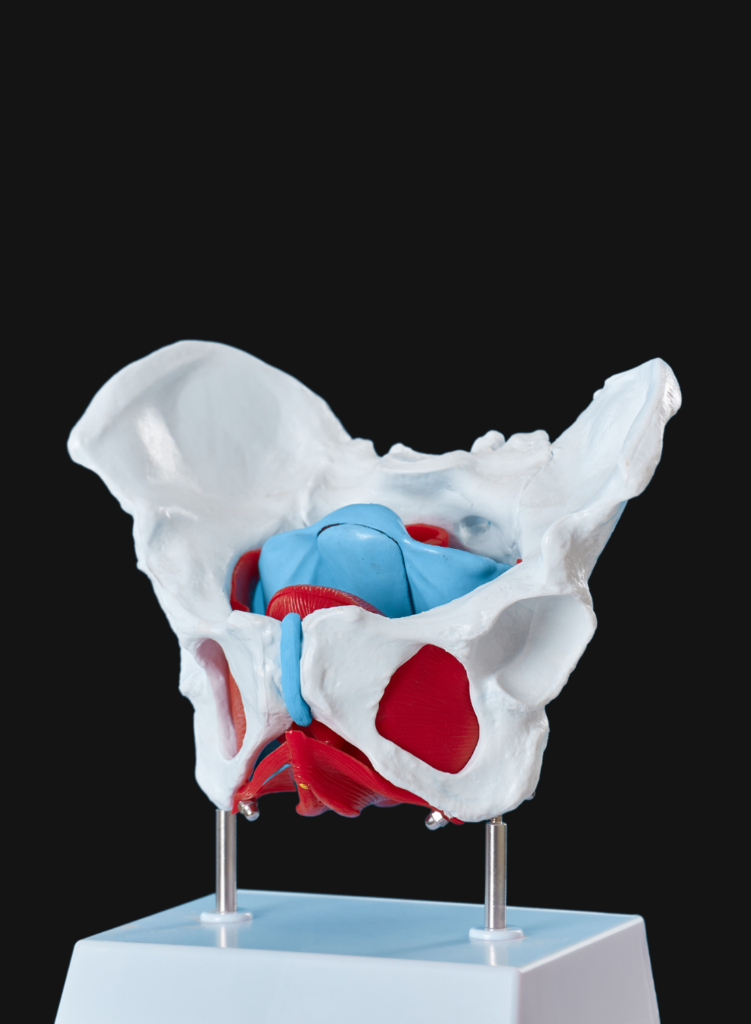
The pelvic floor is a group of muscles, ligaments, connective tissue, and nerves at the base of the pelvis that support organs in the pelvic area. These structures work together, with the pelvic floor musculature supporting the bladder, bowel, prostate, and surrounding organs while also helping with continence.
The pelvic floor muscles play several essential roles:
- Supporting pelvic organs
- Maintaining bladder and bowel control
- Contributing to sexual function
- Assisting with core stability
- Managing abdominal pressure during lifting, exercise, and movement
When these muscles become weak, tight, injured, or poorly coordinated, pelvic floor issues can develop.
Common Pelvic Floor Issues in Men
What Are the Most Common Pelvic Floor Disorders?
Men can experience several different pelvic floor disorders throughout their lifetime. Some are related to aging, while others result from surgery, injury, chronic straining, or prolonged muscle tension, and these pelvic floor conditions can also involve bladder, bowel, and pain symptoms.
Urinary Incontinence
Urinary incontinence is one of the most common pelvic floor issues affecting men.
This condition occurs when bladder control is compromised, leading to involuntary urine leakage. Leakage with coughing, sneezing, or exercise is called stress urinary incontinence. It is particularly common after prostate surgery but can also develop due to aging, nerve damage, obesity, or weak pelvic floor muscles.
Common Symptoms Include:
- Dribbling after urination
- Leakage during exercise
- Leakage when coughing or sneezing
- Sudden urgency to urinate
- Frequent nighttime urination
Research published by the American Urological Association indicates that pelvic floor muscle training is one of the most effective conservative treatments for post-prostatectomy urinary incontinence.
Overactive Bladder
An overactive bladder occurs when the bladder contracts too frequently or unexpectedly, creating a strong urge to urinate.
Men with overactive bladder may experience:
- Frequent urination
- Sudden urges to urinate
- Difficulty reaching the bathroom in time
- Interrupted sleep due to nighttime urination
Although bladder dysfunction plays a role, pelvic floor muscle tension and poor coordination often contribute significantly to symptoms, and managing fluid intake can help reduce urinary frequency and urgency.
Erectile Dysfunction
While erectile dysfunction (ED) has multiple causes, pelvic floor dysfunction is often overlooked as a contributing factor.
The pelvic floor muscles help support blood flow and maintain erections. Weakness, poor coordination, or excessive tension in these muscles may negatively impact erectile performance.
Studies published in The Journal of Sexual Medicine have shown that pelvic floor exercises can improve erectile function in some men, especially when combined with lifestyle modifications.
Chronic Pelvic Pain
Chronic pelvic pain affects thousands of men every year and is often linked to dysfunctional pelvic floor muscles.
Symptoms may include:
- Groin pain
- Tailbone pain
- Testicular discomfort
- Perineal pain
- Pain while sitting
- Pain during or after ejaculation
In many cases, muscle tension and trigger points within the pelvic floor contribute to ongoing discomfort.
Chronic Prostatitis/Chronic Pelvic Pain Syndrome (CP/CPPS)
CP/CPPS is one of the most challenging pelvic floor disorders to diagnose and treat.
Men with CP/CPPS often report:
- Persistent pelvic pain
- Urinary symptoms
- Sexual dysfunction
- Discomfort during prolonged sitting
Research suggests that pelvic floor muscle dysfunction may be a major contributor to symptom persistence, making physical therapy a key component of treatment.
Pelvic Organ Prolapse in Men
Although more common in women, pelvic organ prolapse can occur in men, particularly following prostate surgery or chronic increases in abdominal pressure.
This condition develops when weakened support structures allow pelvic organs to descend or shift position.
Risk factors include:
- Chronic constipation
- Heavy lifting
- Obesity
- Chronic coughing
- Previous pelvic surgery
What Causes Pelvic Floor Dysfunction?
Why Do Men Develop Pelvic Floor Issues?
Pelvic floor dysfunction rarely develops from a single cause. Instead, it often results from a combination of physical, lifestyle, and medical factors.
Common Causes Include:
- Aging
- Prostate surgery
- Chronic constipation
- Heavy lifting
- Poor posture
- Obesity
- Chronic stress
- Athletic overtraining
- Nerve injuries
- Previous pelvic trauma
Many men are surprised to learn that stress and anxiety can significantly contribute to pelvic floor tension and pain.
Pelvic Floor Symptoms Men Should Never Ignore
What Are the Warning Signs?

Pelvic floor symptoms can vary significantly, and these symptoms are common signs of pelvic floor problems depending on whether muscles are weak, tight, or poorly coordinated.
Common warning signs include:
Urinary Symptoms
- Urinary leakage
- Urinary urgency
- Frequent urination
- Difficulty emptying the bladder
Bowel Symptoms
- Constipation
- Straining during bowel movements
- Incomplete emptying
These bowel symptoms may reflect pelvic floor dyssynergia, when the muscles do not coordinate normally during bowel movements, including paradoxical contraction, when the pelvic floor muscles tighten instead of relaxing during attempted bowel movements. Some men with these symptoms are also evaluated for functional constipation.
Sexual Symptoms
- Erectile dysfunction
- Premature ejaculation
- Pain during intercourse
- Pain after ejaculation
Pain Symptoms
- Pelvic pain
- Tailbone pain
- Groin pain
- Lower abdominal discomfort
- Hip pain
If symptoms persist for several weeks, professional evaluation is recommended.
How Physical Therapy Helps Treat Pelvic Floor Issues
Why Pelvic Floor Physical Therapy Is Often the First-Line Treatment
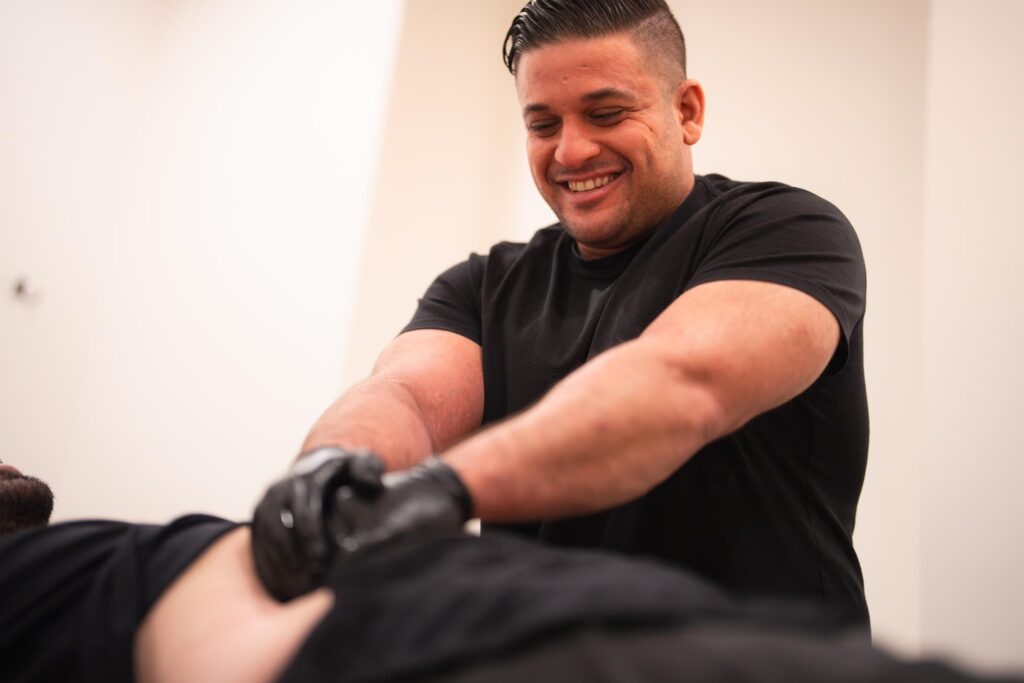
One of the most effective non-surgical treatment options for pelvic floor dysfunction is pelvic floor physical therapy.
Unlike medications that may only mask symptoms, physical therapy addresses the underlying muscular and movement-related causes, and biofeedback is a mainstay of treatment for many patients.
A pelvic floor physical therapist evaluates:
- Muscle strength
- Muscle coordination, often including a physical exam
- Breathing patterns
- Core function
- Posture
- Movement mechanics
This comprehensive approach often leads to lasting improvements.
What Happens During Pelvic Floor Physical Therapy?
Many men feel uncertain before their first appointment, but pelvic floor therapy is highly individualized and evidence-based.
A treatment plan may include:
Muscle Retraining
Learning how to properly contract and relax pelvic floor muscles.
Manual Therapy
Hands-on techniques that reduce muscle tension and improve mobility, including myofascial release as a manual therapy approach. In some cases of persistent pelvic pain, trigger point injections may also be considered.
Biofeedback
Technology that helps patients visualize muscle activity and improve control.
Breathing Retraining
Improving diaphragm function to reduce pelvic floor strain.
Exercise Prescription
Targeted exercises designed specifically for each patient’s condition, with some programs emphasizing relaxation techniques rather than strengthening when muscles are overactive or painful.
Do Pelvic Floor Exercises Really Work?
For many men, yes.
Pelvic floor exercises, often called Kegel exercises, can strengthen weak pelvic floor muscles and improve bladder control, sexual function, and pelvic stability.
Basic Kegel Exercise
- Identify the muscles used to stop urine flow.
- Tighten those muscles gently.
- Hold for 3-5 seconds.
- Relax completely.
- Repeat 10 times.
Performing two to three sets daily may improve symptoms over time.
However, not every man needs strengthening. Some pelvic floor issues result from excessive muscle tension, making relaxation exercises equally important.
This is why professional assessment is recommended before beginning an exercise program.
Lifestyle Changes That Support Pelvic Floor Health
Improving pelvic floor health often requires a combination of therapy and lifestyle modifications.
Maintain a Healthy Weight
Excess body weight increases pressure on pelvic structures and may worsen symptoms.
Avoid Chronic Straining
Increasing dietary fiber and hydration can reduce constipation-related stress on the pelvic floor.
Improve Lifting Mechanics
Using proper lifting techniques protects the pelvic floor from unnecessary strain.
Stay Physically Active
Regular exercise supports circulation, mobility, and muscle function.
Manage Stress
Stress frequently contributes to chronic muscle tension, including within the pelvic floor.
Mindfulness practices, breathing exercises, and physical activity may help reduce symptom flare-ups.
Treatment Options for Pelvic Floor Disorders
Treatment options vary depending on the diagnosis and severity of symptoms.
Conservative Treatments
- Pelvic floor physical therapy
- Pelvic floor exercises
- Lifestyle changes
- Bladder retraining
- Stress management
- Dietary modifications
Medical Treatments
- Medications
- Nerve modulation therapies
- Injections
Surgical Treatments
In some cases, surgery may be necessary for severe prolapse, persistent incontinence, or structural abnormalities, and treatment planning may involve collaboration among healthcare professionals, with referral to colorectal surgeons, colon and rectal surgeons, or rectal surgeons when bowel or structural issues are complex.
Most men benefit from conservative treatments before considering surgery.
Why Early Treatment Matters
Many men wait months or even years before seeking help for pelvic floor issues.
Delaying treatment may lead to:
- Worsening symptoms
- Increased pain
- Reduced quality of life
- Greater emotional stress
- More complex recovery
Early intervention often produces better outcomes and faster symptom improvement.
Take Control of Your Pelvic Floor Health with Pelvis NYC
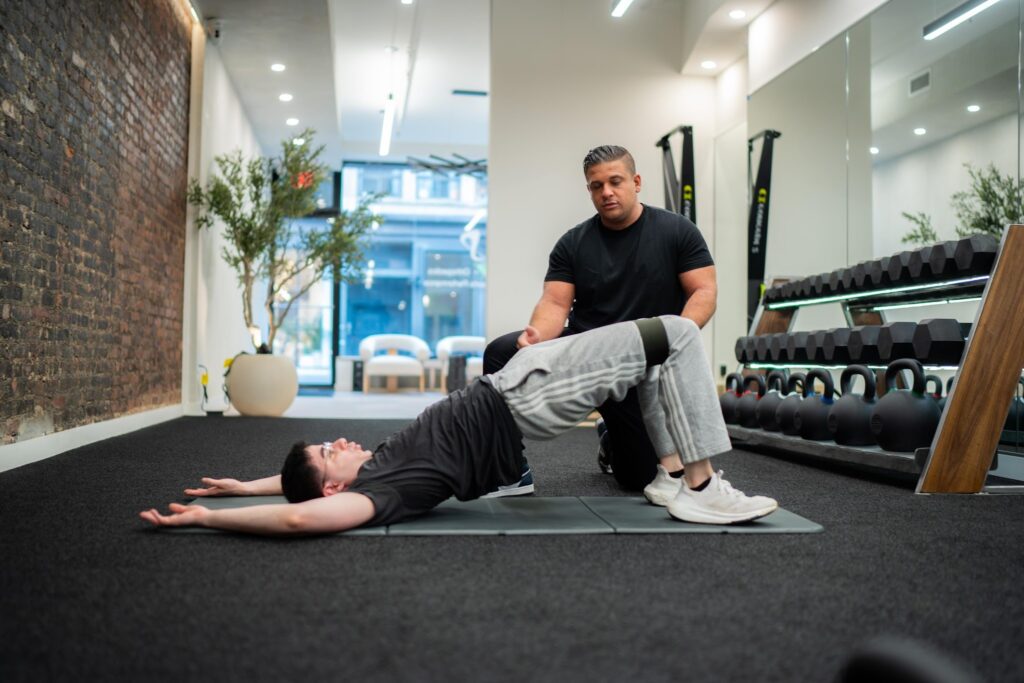
Pelvic floor issues can affect every aspect of a man’s life—from confidence and intimacy to daily comfort and athletic performance. The good news is that effective treatment is available.
At Pelvis NYC, our specialists understand the unique challenges men face with pelvic floor dysfunction and coordinate with other health care professionals when needed. Through personalized pelvic floor physical therapy, evidence-based treatment plans, and compassionate care, we help patients restore function, reduce pain, and regain confidence.
Whether you’re struggling with urinary symptoms, pelvic pain, erectile dysfunction, or recovery after prostate surgery, our team is here to help.
Schedule your pelvic floor evaluation with Pelvis NYC today and take advantage of our FREE 15-minute teleconsultation to learn how treatment can support your recovery.
Frequently Asked Questions
What are pelvic floor issues in men?
Pelvic floor issues refer to problems involving the muscles, nerves, and connective tissues that support the bladder, bowel, and prostate. Symptoms may include urinary leakage, pelvic pain, and sexual dysfunction.
What causes pelvic floor dysfunction?
Common causes include aging, prostate surgery, chronic constipation, heavy lifting, obesity, stress, and muscle imbalances.
Can weak pelvic floor muscles cause erectile dysfunction?
Yes. Weak pelvic floor muscles may contribute to erectile dysfunction by affecting blood flow control and pelvic stability.
Is overactive bladder related to pelvic floor dysfunction?
In many cases, yes. Tight or poorly coordinated pelvic floor muscles can contribute to urinary urgency and frequency.
Do pelvic floor exercises help men?
Pelvic floor exercises can improve bladder control, sexual function, and pelvic stability when performed correctly and prescribed appropriately.
When should I see a pelvic floor physical therapist?
You should seek evaluation if you experience persistent pelvic pain, urinary symptoms, bowel issues, or sexual dysfunction that affects your quality of life. Evaluation typically begins with a thorough medical history and physical exam, which is essential before testing or a treatment plan is made.
Can pelvic floor dysfunction be cured?
Many cases can be significantly improved or fully resolved with appropriate treatment, including pelvic floor physical therapy, exercise, and lifestyle changes.