I am a physical therapist so I understand how difficult it can be for men to talk about bowel issues. But don’t lose hope! With my extensive experience treating bowel issues, I am here to provide practical tips and strategies to manage these issues effectively. Bowel issues can affect anyone, regardless of age, gender, or health status. It’s essential to seek help and support to improve your bowel health and overall quality of life.
In this blog, I will discuss practical tips and strategies for men to manage their bowel issues effectively. So let’s get started.
Things to Help Manage Bowel Issues
Eat a balanced diet
First, focus on eating a balanced diet with adequate fiber, fruits, and vegetables. This can help regulate bowel movements and prevent constipation. Remember, not all types of fiber are equal. Soluble fiber, found in oats, beans, and peas, can help soften stool and ease bowel movements, while insoluble fiber, found in whole grains and vegetables, adds bulk to stool and can help promote regular bowel movements. It’s important to include both types of fiber in your diet.
Next, stay hydrated by drinking enough water throughout the day. Dehydration can cause constipation and make bowel issues worse. Aim to drink at least eight glasses of water per day. If you’re struggling to drink enough water, try flavored water or herbal tea to increase your fluid intake.
Exercise regularly
Regular exercise is also key for improving bowel movements. Exercises like walking, cycling, and swimming can increase blood flow to the intestines and promote regular bowel movements. However, it’s important to consult with your doctor or physical therapist before starting any exercise program, especially if you have severe bowel issues.
For more detailed information about exercises to improve bowel control check out this blog.
Practice good bowel habits
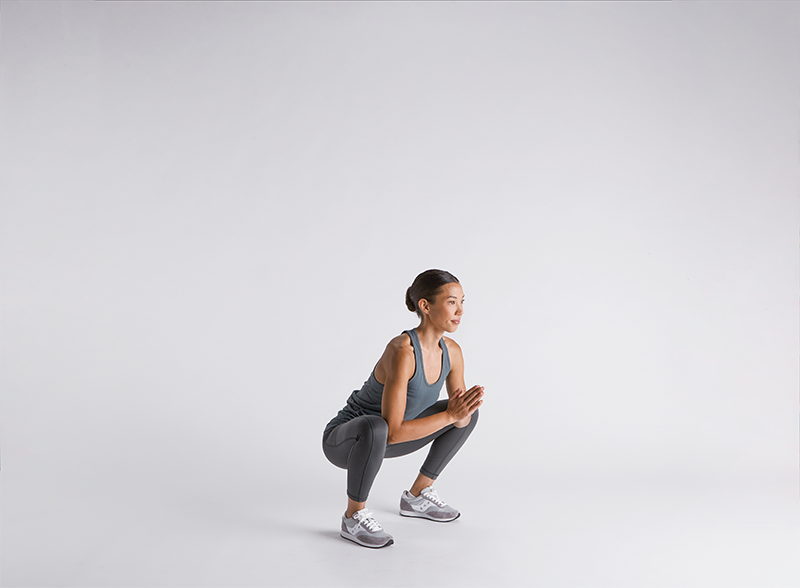
It’s also essential to practice good bowel habits. Try to establish a regular bowel routine by going to the bathroom at the same time each day. Allow enough time to fully empty your bowels, and avoid straining or holding your breath while on the toilet. If you’re experiencing constipation, you may also try a squatting position, which can help facilitate bowel movements.
Consider biofeedback therapy
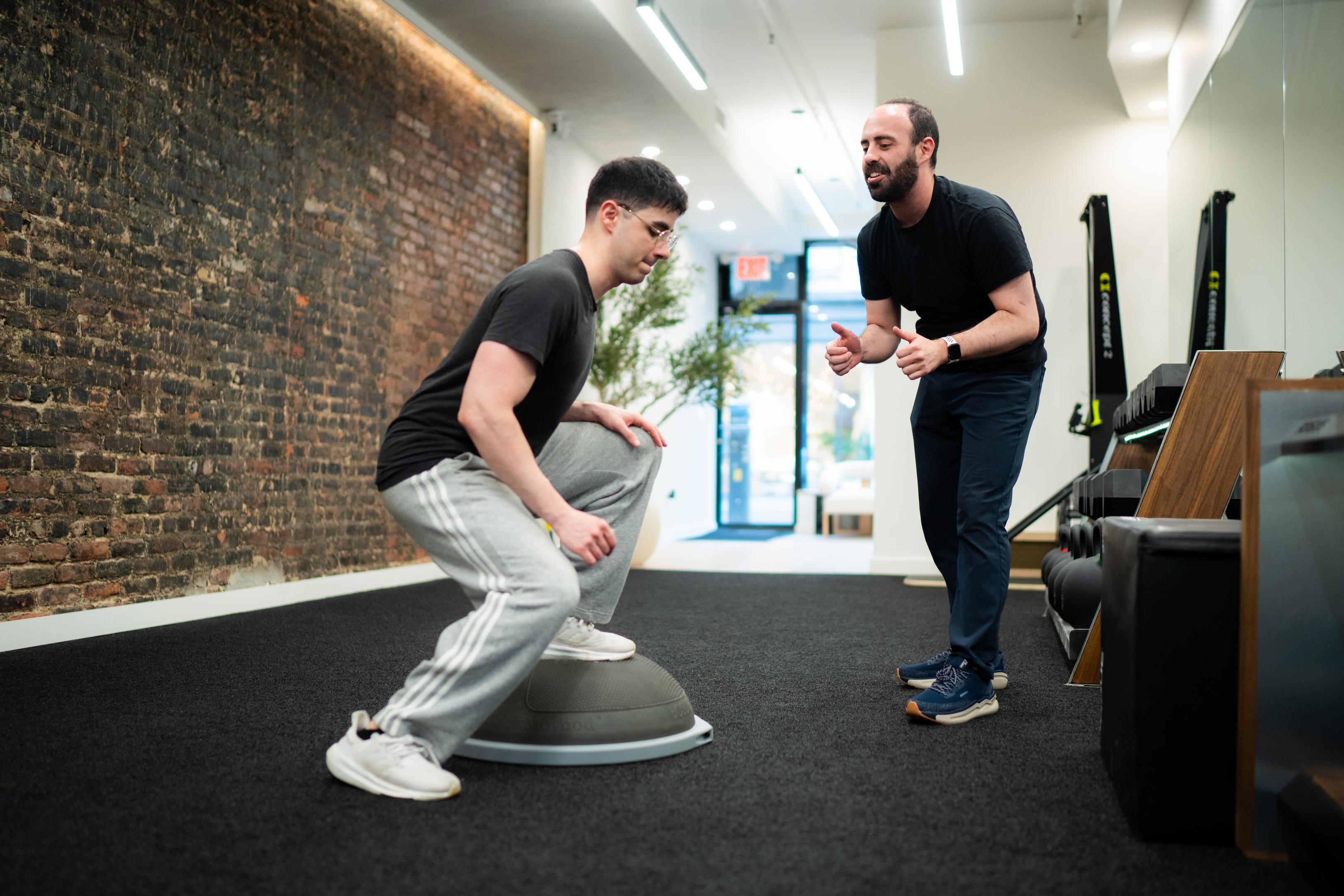
Lastly, consider biofeedback therapy. This non-invasive technique can help improve bowel control by teaching you how to relax and contract your pelvic floor muscles. Biofeedback therapy involves placing sensors on your abdomen and buttocks to monitor muscle activity while you practice pelvic floor exercises. Your physical therapist can help you develop a personalized biofeedback program to improve your bowel control.
Get Help!
If you are a man experiencing bowel problems, seeking help from a professional can greatly benefit you. At Pelvis NYC, I have years of experience in treating bowel issues and can provide personalized advice and treatment plans tailored to your specific needs. Don’t hesitate to reach out to us for help and start managing your bowel issues effectively. Visit our website www.pelvis.nyc now!
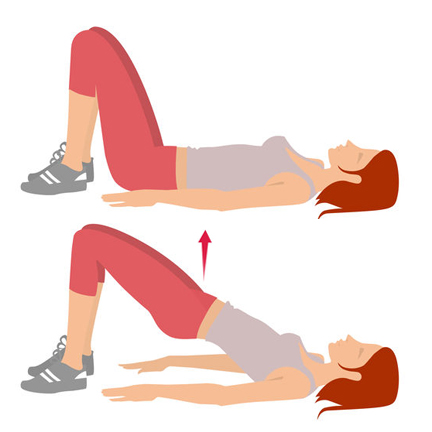
The most effective exercises to improve bowel control strengthen the pelvic floor muscles that support the rectum and regulate bowel movements. Key exercises include Kegels, bridge exercises, squats, pelvic floor “elevator” exercises, and targeted abdominal massage techniques. When performed consistently—and often combined with pelvic physical therapy—these exercises can significantly reduce bowel leakage and improve digestive control.
Bowel control problems are more common than many men realize. Whether caused by aging, prostate surgery, chronic constipation, nerve damage, or pelvic floor weakness, fecal incontinence can affect confidence, social life, and overall quality of life. The good news: targeted exercises and physical therapy can help restore strength and control.
Understanding Why Bowel Control Problems Happen
Before exploring the best exercises to improve bowel control, it helps to understand the anatomy involved.
The pelvic floor muscles form a supportive hammock at the base of the pelvis. These muscles support the:
Rectum
Bladder
Prostate (in men)
Surrounding nerves and connective tissue
They also play a crucial role in maintaining continence, meaning they help keep stool and gas in the rectum until you’re ready to go.
When these muscles weaken or lose coordination, you may experience:
Fecal leakage
Difficulty holding gas
Urgency to use the bathroom
Incomplete bowel movements
According to the National Institute of Diabetes and Digestive and Kidney Diseases, bowel incontinence affects millions of adults and becomes more common with age or after certain surgeries.
According to the American Physical Therapy Association, pelvic physical therapy is one of the most effective conservative treatments for bowel incontinence.
Case example
Men recovering from prostate cancer surgery frequently experience pelvic floor weakness. Clinical studies show structured pelvic floor therapy programs can significantly improve continence outcomes.
Lifestyle Habits That Improve Bowel Control
Exercises work best when combined with healthy bowel habits.
Increase dietary fiber
Fiber adds bulk to stool and improves consistency.
Recommended intake:
25–38 grams daily
Good sources include:
Oats
Beans
Berries
Leafy greens
Whole grains
Stay hydrated
Water softens stool and prevents constipation.
Aim for:
6–8 glasses daily
Avoid excessive straining
Straining weakens pelvic muscles over time.
Helpful strategies:
Use a toilet foot stool
Take your time
Practice diaphragmatic breathing
Maintain regular exercise
Walking and moderate exercise stimulate digestion and improve circulation to pelvic tissues.
When to See a Specialist
You should consider a professional evaluation if you experience:
Frequent bowel leakage
Strong urgency
Inability to hold gas
Accidents during physical activity
Symptoms after prostate surgery
Early intervention improves recovery and prevents long-term pelvic dysfunction.
How Pelvic Physical Therapy at Pelvis NYC Can Help
If you’re struggling with bowel control, working with a specialist can accelerate recovery.
At Pelvis NYC, therapists focus on evidence-based pelvic rehabilitation for men.
Their approach includes:
Comprehensive pelvic floor assessments
Personalized exercises to improve bowel control
Biofeedback therapy
Post-prostate surgery recovery programs
Digestive and bowel habit coaching
Many patients see meaningful improvements in 6–8 weeks with consistent therapy.
👉 Take the first step toward better control. Visit Pelvis NYC to schedule a consultation and start a personalized pelvic health program.
Frequently Asked Questions
What are the best exercises to improve bowel control?
The most effective exercises include Kegels, pelvic floor elevator exercises, bridges, squats, and abdominal massage techniques. These strengthen the pelvic floor muscles that control bowel movements.
How long does it take for pelvic floor exercises to improve bowel control?
Most people notice improvements within 6–12 weeks of consistent daily exercise. Results may appear faster when guided by a pelvic floor physical therapist.
Can men benefit from pelvic floor therapy?
Yes. Men frequently benefit from pelvic floor therapy, especially after prostate surgery, chronic constipation, or nerve injury affecting bowel control.
Do Kegel exercises help with fecal incontinence?
Yes. Kegels strengthen the muscles that close the rectum, improving the ability to hold stool and gas.
When should I see a pelvic physical therapist?
You should seek professional care if bowel leakage occurs regularly, if symptoms interfere with daily life, or if problems begin after surgery or injury.
Final Takeaway
Bowel control problems are common—but they’re also highly treatable.
Practicing targeted exercises to improve bowel control can strengthen the pelvic floor, restore muscle coordination, and significantly reduce leakage. For the best results, combine these exercises with healthy bowel habits and guidance from a pelvic health specialist.
If symptoms persist, working with experts at Pelvis NYC can provide a structured recovery plan designed specifically for men.